 After hitting $200 a model, Games Workshop is changing its business strategy, and it is a lot different from the GW of 10 years ago!
Recently there has been a lot of discussion in the community of model painters, gamers, and law lovers related to some of the actions Games Workshop (GW) has taken against the YouTube and 3d printing communities.
This has come at a time when we are all discussing the value of the poor performance of Warhammer+ and what this all means for the future of the hobby.
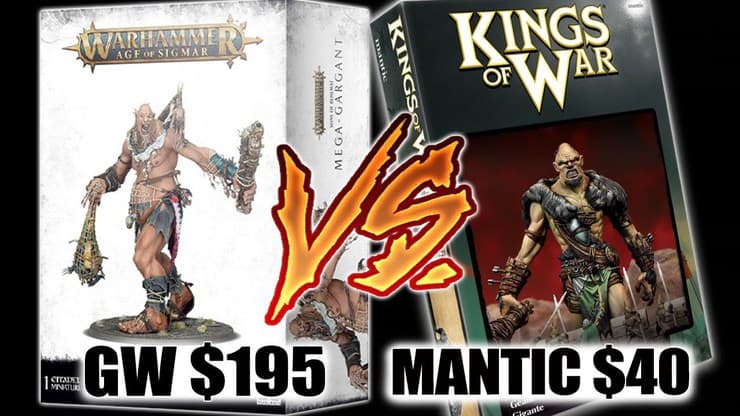
Plus, with their models now passing a new retail high of $200 here in the states, this is not the Games Workshop of ten years ago for sure.
This is the compilation of a series of guest posts by Ben De St Paer-Gotch: Twitter @nebuk89 updated with the latest (and not so greatest) milestones by Games Workshop.
 I find this all interesting as I am a product manager by profession. It’s my job to work out what products people need or would like while working out how to make these products and help the company I work for actually make money.
I have also been a keen hobbyist for about 25 years, so I thought it may be fun to critically appraise what GW was doing and assess what it might mean for the future. Having done this, I also thought it would be fun to share it as part of a three-article series for those interested in some of the ‘why,’ ‘what next,’ and future thoughts.
To be clear, anything expressed here is not done so with any internal knowledge, and my opinion is only based on my experience…
Games Workshop Is Changing Their Product Strategy
 Let’s start with why GW is making these changes:
As a commercial business, we all know that money or constant revenue is what matters at the end of the day. However, what also matters a lot to companies is the margin (profit) and what you sold to make that margin. This is because different products result in different long-term values for the company.
What this means for the people who own the company is that their stock (what they own of the company) is impacted by how much it is worth due to the company’s industry (Valuation Multiples by Industry – eVal). If two companies both made $100, one a software company and one a retail company, the ‘value’ of the software company (if someone wanted to buy all the stock and own the company) may be $300, while the retail company may only be $150, just due to the industry!
This isn’t the only thing that impacts value; the ability to build a brand, intellectual property, having a revenue stream you can predict, and a ton of other things we will cover. All of this also matters a lot to the people who own the company.
Historical Examples:
 Now, I know this isn’t super exciting, but it matters when we think of GW…
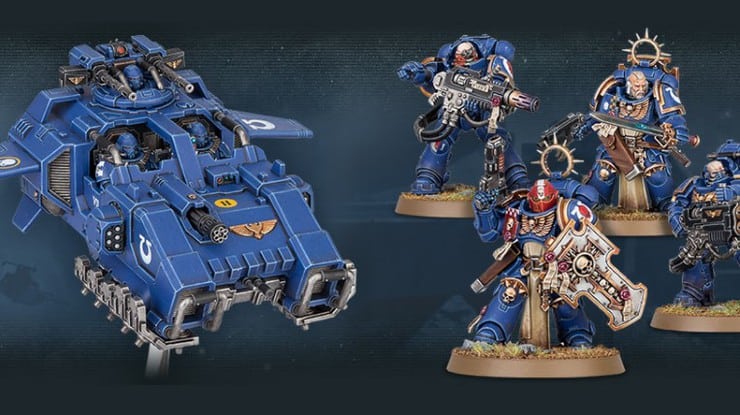
Historically GW was in manufacturing and toy sales essentially – we would call this a business that makes and sells ‘widgets’ (physical bits that you buy). Widget businesses go through ebbs and flows of good times and bad times. What this means for their board and investors is that a good batch of well-designed models for the right army results in a great year, and a bad batch results in a slow year.
This is also why, just as a side note, the release of new models to different armies and the book sales appear a little sporadic to outsiders. I would speculate these follow a careful mix of creative flow, what is needed to sell/has sold well in the past and what fits in with the current narrative point of the series.
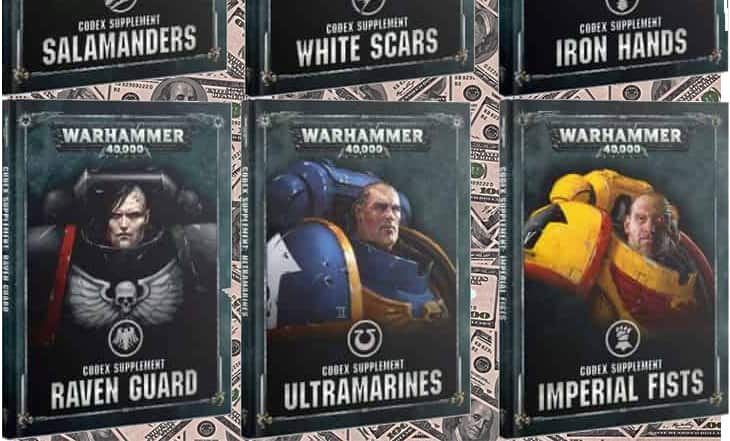 This is also what drives the machine of re-releases, rewrites, rule changes, and new games (and boxed games being retired), as Games Workshop needs to drive existing consumers to consume more and adapt the existing product lines to entice new customers.
Good years and bad years matter a lot to investors as a good year means that you get money back for the stock you own (dividends), while a bad year means your stock is worth less and you get squat.
GW has recently made some changes to try and get this money-making machine really rolling in its current iteration. They upped their release schedule in 2021 (feeling the burn yet?), increased the cost per model (everyone has seen this), and created Contrast paints so you paint faster = clear your backlog = buy more (yes, I would speculate this was the goal of the paints).
 But even with all that, they are still limited in their profits, and the risk here is to their product launches, even more so lately with COVID impacts, etc.
This means their annual revenue/money can be hard to predict, and profit is tied to things like the cost of plastic and new machines. They have also tried to introduce some noted bloat with supplemental books and other hard lines, such as more hobby tools, more expensive scenery pieces, and more boxed games. But all of this still has a cap of sorts to it, and as a company, GW had an opportunity to be so much more.
Games Workshop Intellectual Property Strategy
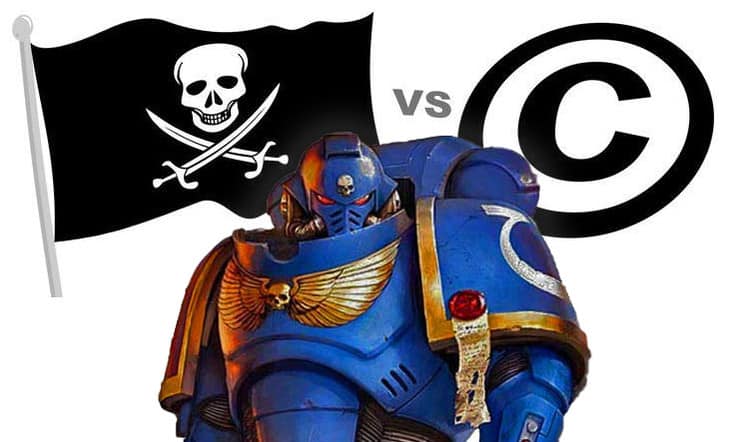 In comes the hotly debated topic of intellectual property. I would guess with the licensing and profit from the first Warhammer Total War (you can see a sudden spike in licensed products in their financial statement the year they released this), Games Workshop may have realized there was serious value in the world they had built up around their models.
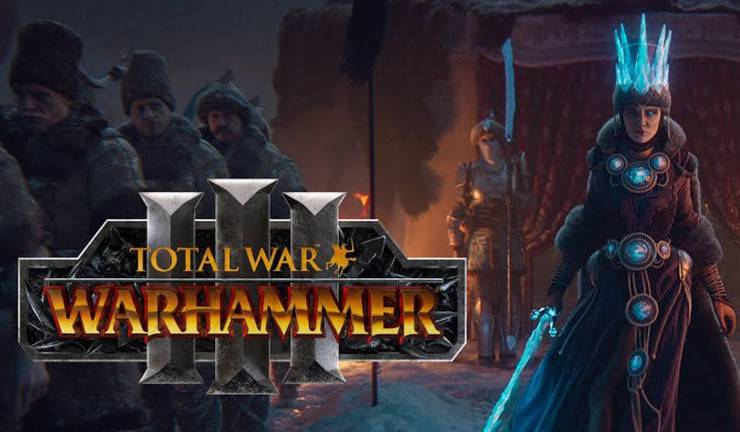 Historically licensed games didn’t create as much value for the company, but Warhammer Total War (now on total war 3) suddenly took their licensing revenue to a whole new level. This was noted in the 2015/2016 financial statement by the chairman, who called out this was not a “sell-out.”
It is worth noting that this focus on IP has been in GWs financial statement over the last eight years at this point, they have always ‘got’ that their IP has value, but between 2014 and 2015 this jumped up from £1.5m annually to £8m! This growth has slowed now, only hitting £16m in 2020, but it would appear that someone is finally trying to work out how to leverage this more.
This all has happened over the last ten years, a time when we have seen companies like Netflix rise in prominence from somewhat of a physical widget (shipping DVDs for those who remember) business, to an online streaming business, to a movie production company! The big trend behind this change and across the whole spread of consumer behavior is subscriptions.
We all now subscribe to so much more than we used to do. Between 2020 and 2021, the average household spend on subscriptions went up 39.4% in the UK!
Subscriptions, though, are more of a leading indicator to a bigger change, one which is really the crux of what GW is looking to do and (IMO) struggling to do – becoming a member-focused company.
The Need for a Community & Why They Are Changing
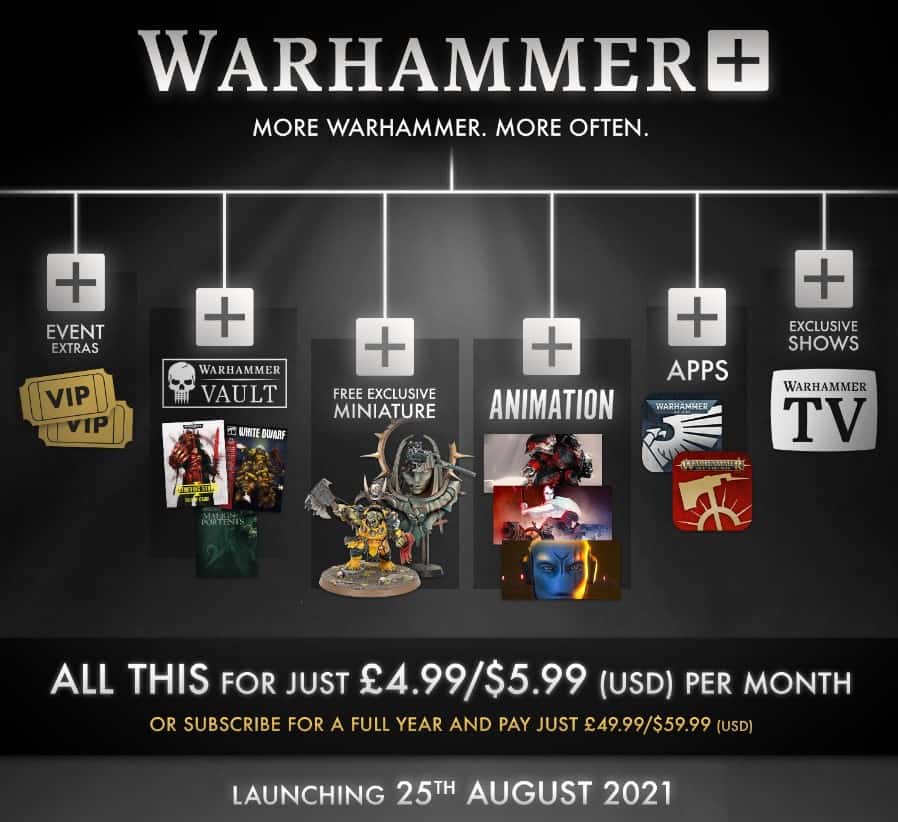
A member-focused company is somewhere that builds a community of users who are themselves creating more value for the company, bringing in more users, and advocating for the products – both free and paid. GW has a foundation of these users, but as we will discuss later, they are not quite getting this bit right.
The reason that companies want to move to this member-focused subscription model is that you create a model where your paying customers create more paying customers through their love, create content for you and drive your business for you – all you have to do is keep putting the right amount of incremental new content in the membership and BOOM – people just leave their credit card entered, and you know how much money you will make the next year.
This means you have almost guaranteed recurring money that will come in that is in your hands to lose rather than something you have to chase. This drive also creates loyalty even among nonpaying users, as they benefit from the growth of the community.
 I cannot stress how much companies want to be in a model where if you keep putting content in, your users will create new users and repeatedly pay you! Any business that requires repeat business from the same customers wants this model.
(read some more on membership-focused companies here: Defining the Membership Economy – 7 Questions with Robbie Kellman-Baxter | Aria Systems)
So this is the ‘why’ when it comes to the Games Workshop Product Strategy. Being in the business of ‘widgets’ is not what a board of investors wants to see as a long-term strategy. You can only squeeze so much margin out of customers, and people’s piles of unpainted grey sprues can only climb so high.
If you expand countries/ markets and get new customers, that is great, but none of these offer the same scale or value as becoming a member business and growing through IP along with other products.
The New Games Workshop Sales Strategy
In the paragraphs above, we looked at ‘why’ Games Workshop is making changes to their product strategy, it really is $$ but related to changing their whole business model. This is all while staying true to still being a model’s first company and protecting their IP to ‘good choices,’ at least for now.
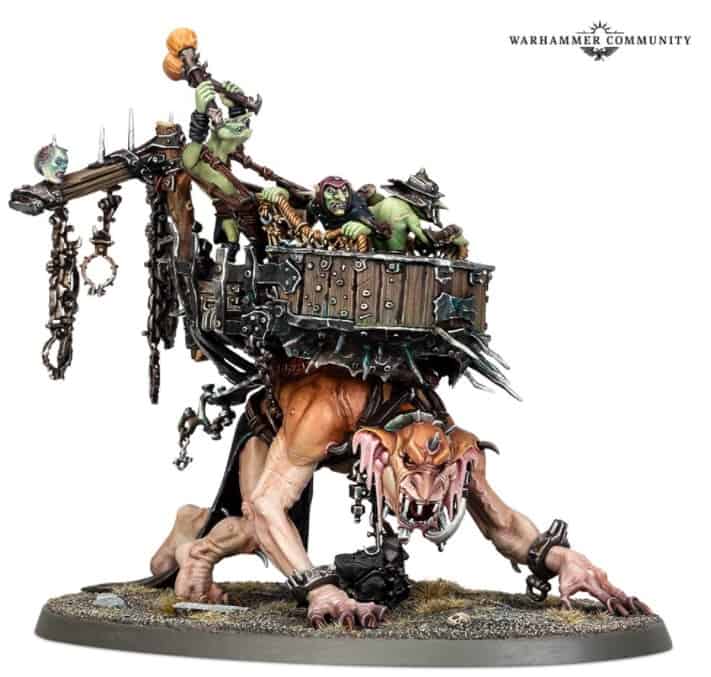 Given this, what do I think we can expect to see if GW doesn’t level up their thinking on how to mix these two strategies of manufacturing, and membership-oriented content creation long term? Let’s dig into the three paths I would predict they keep going down.
To be clear, I don’t see these as ‘bad’ choices in what they are, but I will, in my third post, be covering how I think Games Workshop is in an almost insane position as they are totally failing to capitalize with their current approach – which for want of a better description is archaic when it comes to how they think about products.
Games Workshop’s New Sales Strategy Step One:
Can GW License More Things Than We can Build Ourselves?
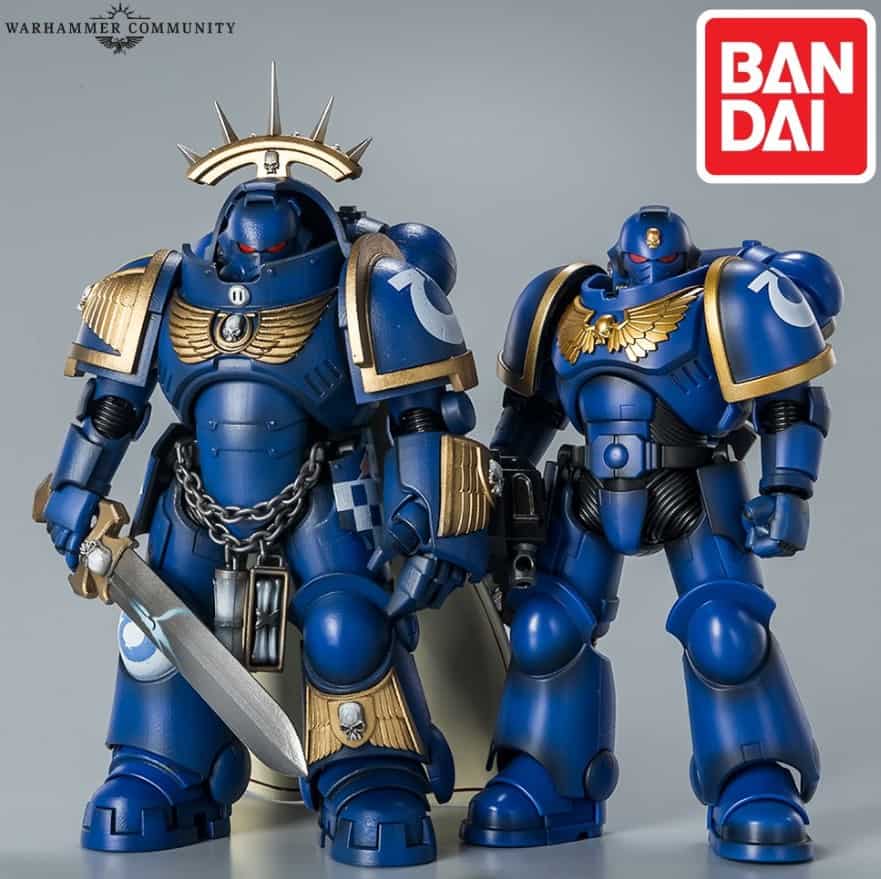 Favorable licensing deals are where you get a share of the profit for your IP, which Games Workshop has a pretty strong one. According to them, they have a long-standing mission of “only licensing good things for the brand” (really? I would argue that going for some smaller companies doing weak-skinned video games wasn’t a great play…).
But over the last year, they appear to be embracing more high-tier companies who build collectible and high-quality products like Bandai with their model range. I would expect GW to go further down ‘premium partners’ who do collectible objects to start that have hefty price tags, allowing for good revenue for both sides.
With this said, I am a little more confused by the Nurgling plushies, maybe it’s made by a premium plushie brand, or maybe this is the start of them making some of the right changes (more on this next time).

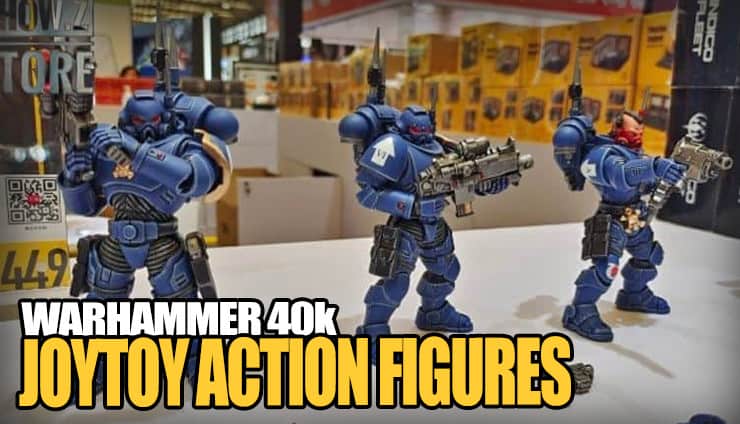 Now in 2021-22, we also have amazing new JOYTOY Figures of all sorts of factions out there too.
But coming back to it, licensing is a big win for GW, but growth has slowed – expect GW to double down on finding things to do here. Guessing what we will see here
- Hobby-related, probably the rumored airbrush. Maybe some hobby table bits like lights etc… but all with premium brands attached or backing. On this note, I said that GW did contrast paints to get people painting faster, an airbrush focus could well help with this as well, so it is a really logical play
- Official large-scale props such as chain swords from a premium company, not soft foam, more the sort you would mount on the wall
- Pretty much look at Star Wars/Marvel/Disney that you would see in a glass cabinet in a Comic store from the same premium brands
- “At least one more” really big name cross over software project
Games Workshop Sales Strategy Step Two:
What can GW create with that new IP that creates a more durable revenue stream?
GW has seen fantastic growth, which is great! And with great power comes great responsibility – how will GW keep this pace of growth up for their investors? Everyone will eventually cap out a pile of grey plastic, and with your new IP powers, more people are potentially discovering your world, and you need to give them something they can consume.
Herein comes more books and the new TV series in Warhammer+ (along with partner products)! You want to create things that people outside of painting can consume to be ‘part of the fantasy world’, this diversification helps protect you from dips in the model painting market and lets you increase the value per customer as you have more variety to sell them directly.
The New Games Workshop Sales Strategy
I talked about how this allows you to create recurring revenue compared to the one-off revenue of a purchase. From this point of view, Warhammer+ is a boon for the new Games Workshop strategy, but they are just doing so little of what they could do with it. It hurts me… More on this next time (I promise).
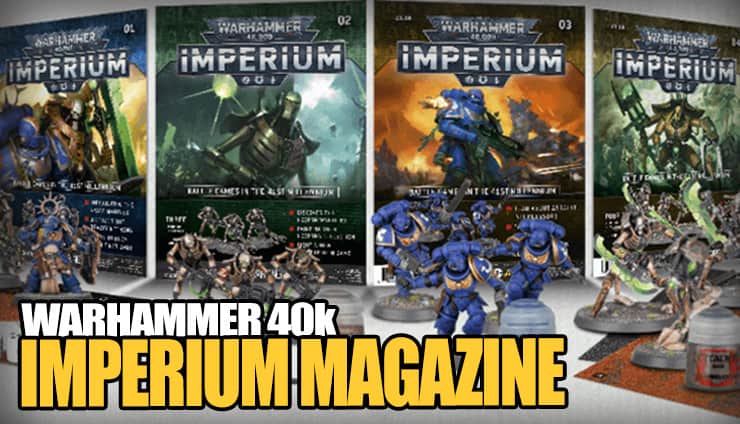 But along with Warhammer plus, I would expect to see more magazines (where you subscribe), and potentially new book series based on new worlds. And, of course – a whole new Warhammer 30k game, along with the revealed Old World game.
GW has decades of IP in the Old World (Warhammer Fantasy) and the Horus Heresy, so there is no doubt they will double down on what they know with both of these producing more plastic and more stories that they can sell in the same route.
So expect:
- More media (books, videos, magazines, etc.) that can be subscribed to
- Horus Heresy did indeed move GW and maybe Old World will soon as well
- I wouldn’t be shocked if GW brought in or tried to create a new IP universe as well on top of the ~5 they have today (Old world, Sigmar, 30k, 40k, and LOTR).
- They will probably create some new chapters of marines or something within the digital IP and then do some new kits for this (maybe? This one feels more of a stretch and maybe a little too creative at this point of the GW evolution)
Games Workshop Sales Strategy Step Three:
How can GW Make any Part of This a Digital Service so That it can be Repeatedly Consumed & Scale Without us Really Having to Pay a Great Deal More
 Now, this is the big one, digital means that you can re-sell the same things hundreds of times at an insanely low cost. It will cost tiny fractions of money to pay for users streaming videos or downloading old magazines, so why not put things on digital so people can consume them at near no cost to you?
And while they are putting all this other IP in one place, they may also produce some new enticing content. Along with this, we will probably see a selection of ‘thin’ apps for different games as GW tries to “peanut butter themselves” (spread themselves thin) on the basis that just raw “more” is valuable.
All of this does a big thing, as we have covered before, when users subscribe for a service- it creates annual recurring revenue.
These are users who, unless they take proactive action to cancel, will pay you again next year without you having to “do anything” (ok, you need to keep producing new content, but you need this to get more people to sign up!)
But given GW’s depth of history with magazines of all kinds, old army books, black library, and a myriad of articles I am sure never got published from different magazines, they will have plenty they can keep dropping in.
The initial new digital offerings from GW have been slow to roll out, but I wouldn’t expect any step change here. They are clearly learning how to do this and are spreading out the content they have to ‘keep people engaged’ so people don’t binge out and forget the service exists after a week.
This is both a good thing for customers (ish, something to look forward to) and a better thing for GW as they will have more weekly users for longer. In reality, this means nothing and means that they actually have a risk of a shock when people stop paying after a year because they are bored of the amount of content being so “thin.”
Now in 2022, headed into 2023, we know the content has been very thin. Perhaps the only thing keeping people subbing is the opportunity of exclusive figures and small product vouchers for under $20 that really can’t even buy a single model kit from GW.
Product management is just making your metrics rather than making your customers happy – a recipe for disappointment on the business side in the future of the Games Workshop product strategy
Step Four:
Fourth: How can GW Protect What They are Offering & Make it Look Better (this has been mixed up by GW with ‘protecting their IP’)
 One of the follies when you are launching, to be blunt, with a weak product is to panic and try and find ways to make it “look stronger.” You know you are doing this you start to do inorganic things, such as pulling away previously free things to put them in a product or trying to shut down other similar products.
This is where we see GW going with YouTube and in the future, I would guess more so with 3d printing locking down creators. I would expect to see more of this with GW cracking down on other merchandise as they cast around to create new revenue streams and shut down external content, which may be better than what they could offer up at first.
I doubt they will go after books but as they decide on more series for the Warhammer+, expect to see them shutting down more streamers that “don’t match their brand” (I would watch out Majorkill for this “not matching their tone”).
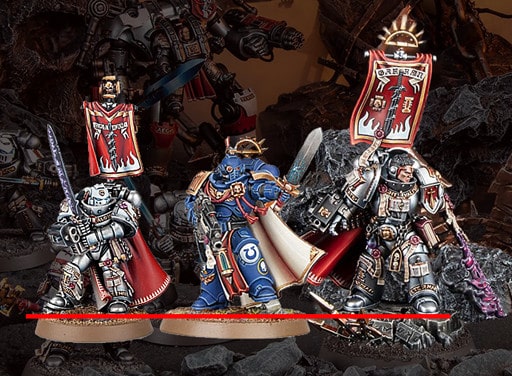 There will also come a point where GW sees “some model” doing pretty much better in a 3rd party form than a first-party release they do. Or a model they happened to be planning to do a Primaris form of or a re-design for will turn out to have a very successful 3rd party proxy.
Or someone will put love into a set of 3d files for a chapter that GW was about to make “GW official,” and BOOM, mega shutdown.
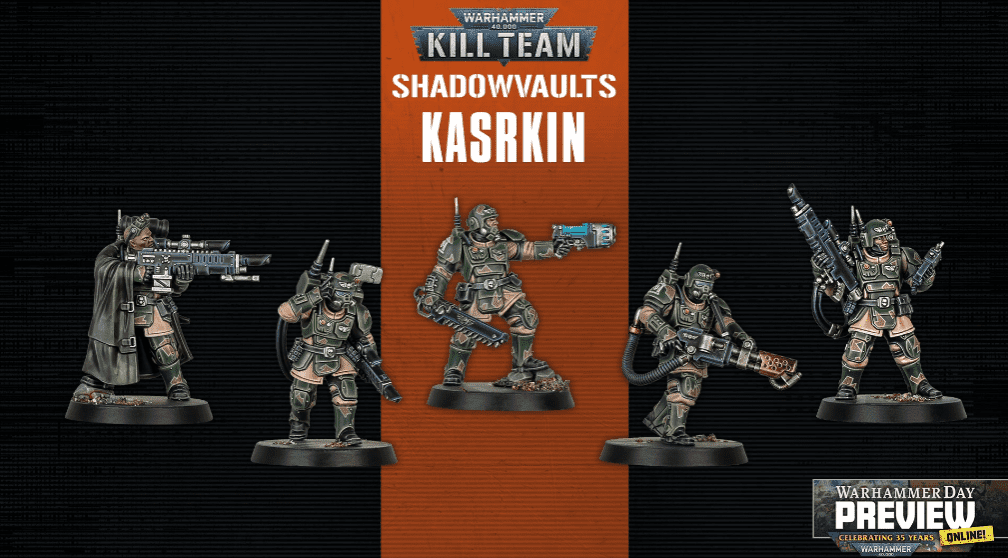
This will be paired up with the current system for model releases we see, which is a very intentional set of planning and release cycles for products – which is working pretty well looking at their growth numbers.
This, with the FOMO style releases of boxed games, early access easy-to-build (ETB) models linked to this fear of mission out, really does create an interesting, very packaged option for the Games Workshop product strategy… Which I think is their biggest challenge.
If we look at 40k, one of the ‘big draws’ was creating your own army, which it’s own theme. Games Workshop is struggling with this notion as they try to scale their IP; what they can create will be limited to “what they can sponsor and their ability to create it.”
This risks closing this wide-open and creative part of the hobby down at a time when it’s ready to explode- possibly in more ways than one.
How Games Workshop Should Change Their Everything
If I can give any advice to GW right now, it is that they are really falling short on how to become a membership-focused company- and that they have an insane opportunity here. Putting a subscription out there doesn’t make you a member-focused company! It just changes how you charge people.
GW could embrace lessons from the wider examples of what membership should deliver for its customers before it delivers to the company.
To start, they can even just step back and look at their customers’ goals.
Customers & the Community
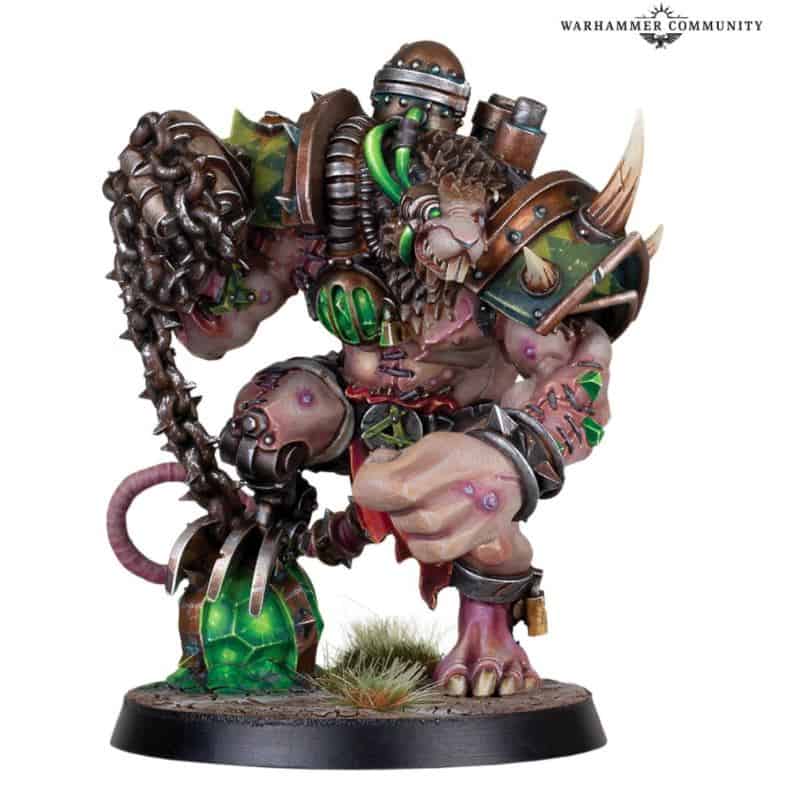 GW’s customers’ goals are to enjoy the hobby of a thematic universe of amazing adventures, to create their own armies and characters within this and lead them through games, or just to create beautiful models. GW needs to create a growing business model from this and do so in a way that secures its future.
And the best bet to do this is with the community (which hasn’t always been the case)!
If we look at examples in other industries, we see companies that embrace people who contribute, create public “most value people” programs, and generally embrace community-created content. They do this not by accident but with a clear intention of how it will fit into their company strategy.
As a first step to doing this, it would be amazing to see GW hire a bunch of community managers. These are not people who will go just to GW events, or only go to GW stores. These are people who are online working on Twitter, joining army Facebook groups, reaching out to publications, attending other tournaments to see what people love doing, and talking to GW customers!
GW could work out what programs to create for visible community champions. GW can’t onboard every content creator to Warhammer+. It would be amazing to see them establish how and what they will do to surface the best of the community more! (Honestly, I can’t believe GW missed having ‘the’ Warhammer forum to the point that the boat sailed so long ago!)
How They Could Embrace the Community
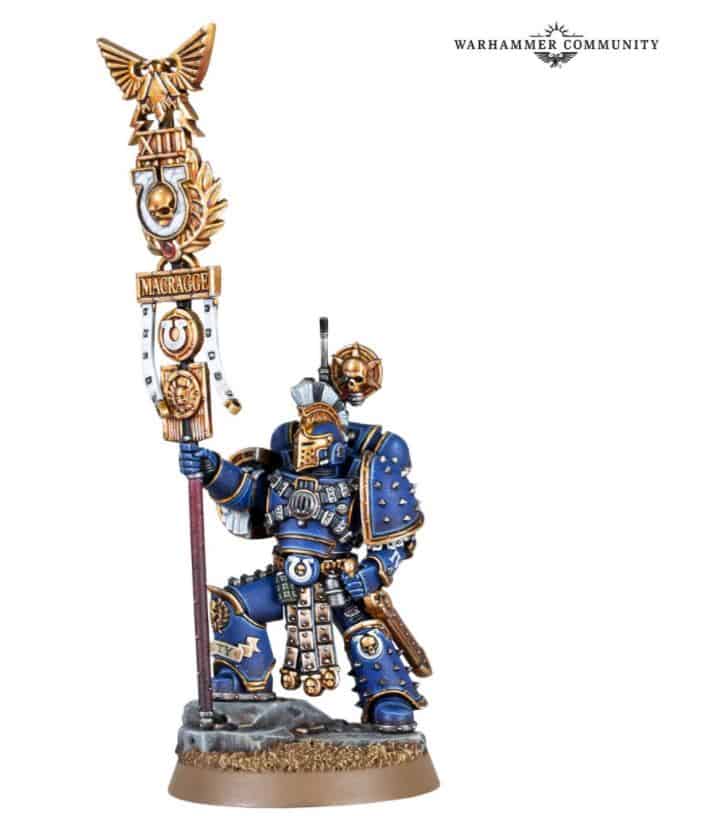 An amazing example of how they could embrace this would be to double down on how the GW community drives the whole thematic universe; with modern technology, they could do so much. Why not get a virtual universe map and let people claim worlds for their chapters?
Create a campaign based on this and then publish a whole map of every chapter of everyone in the world – universes can be huge, after all. Why not help the community feel invested in the narrative of the universe? To the extent that they engage with the GW brand and other community members more.
This is a tiny example of scratching the surface of what ‘working with the community could do. This isn’t the community of ‘amazing STL file creators’ or ‘passionate YouTube producers.’ This is the whole gaming community of anyone who has access to a computer, is in any Facebook group, or who has ever posted a picture of their models online.
I will come back to dedicated content creators in a minute.
Onto Warhammer+ Plus
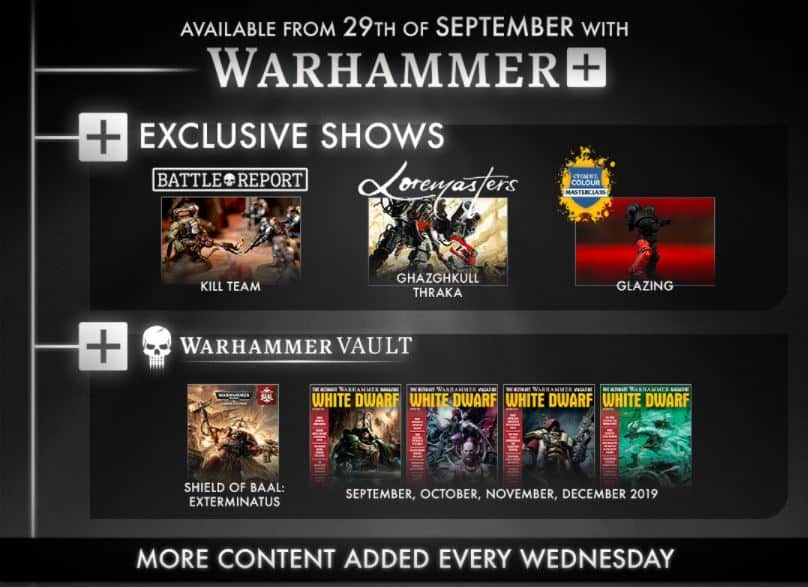 Next, Warhammer+. GW has a paid subscription service, but the goal right now appears just to be to sell content. GW’s goal should be to get the people into the universe and those already in the universe to become even more invested in the hobby and to become greater advocates for your products.
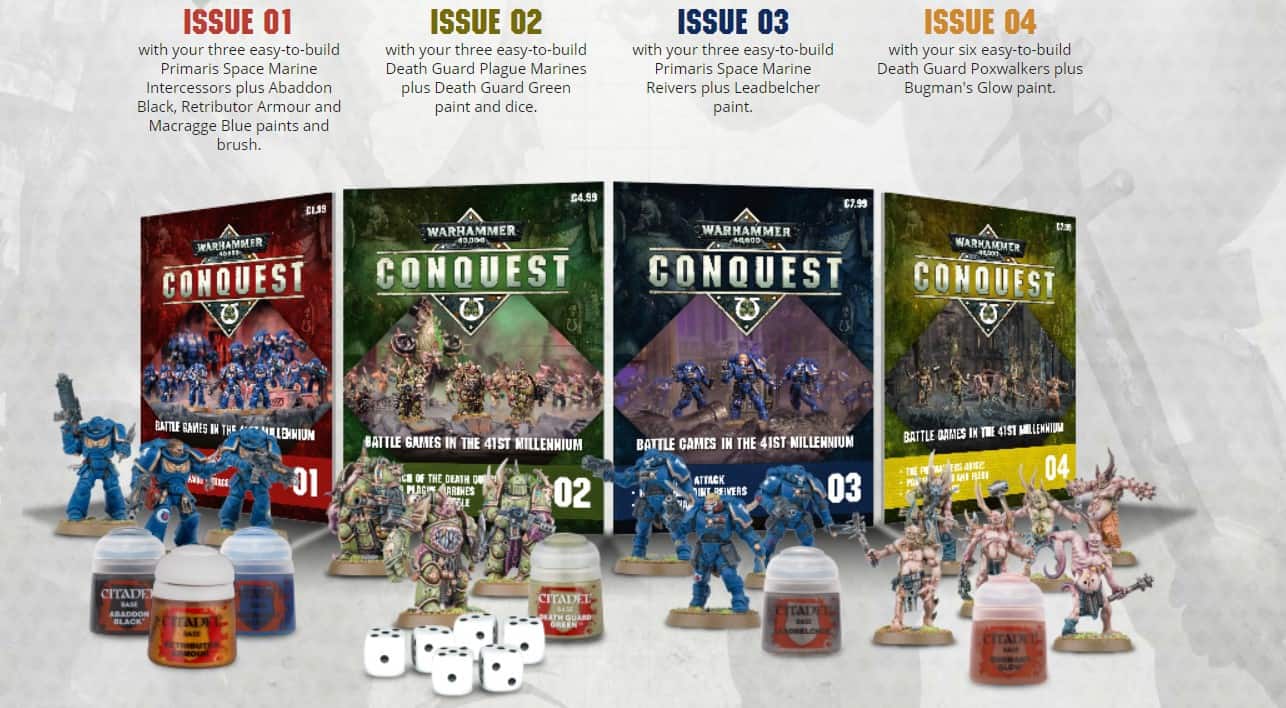
It would be amazing to see GW think about how to evolve the product to make it something that embraces both the physical and digital size of the hobby, and they started with a price point that enables this. Maybe if they added a more premium tier that you could subscribe to, like a ‘large’ for £15 a month that came with store credits worth a bit more than this or an ability to subscribe to new models from a particular army…
Or even just a bunch of models from any army at a scale that makes it worthwhile.
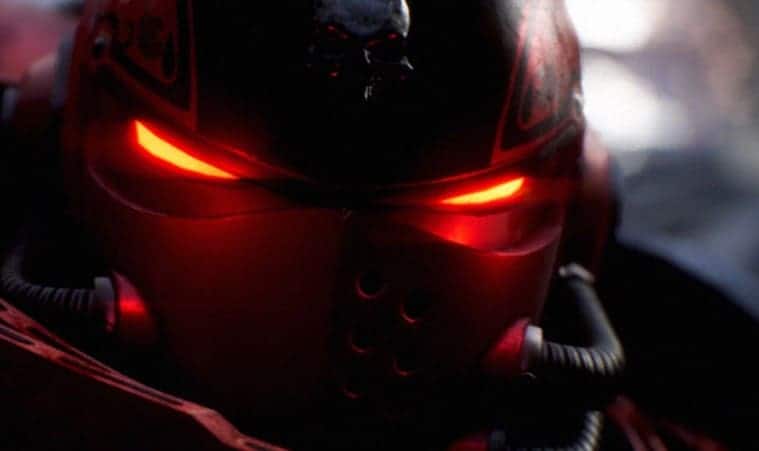
They could keep with this a digital-only sub at a lower point, but if GW wants a model still built around their models, they need a clearer two-way exchange of what is in the subscription. Imagine if the Blood Angels series came out over two months; in both months, you got some marines, paints, and videos were published around doing Blood Angels model painting – that would be enticing.
With this, you are delivering more value and creating a cycle of – people getting things they need to consume (new models, part of an army). This is actually (IMO) better for GW than what they have now, as this flow creates members who have armies they need to pad out and get paints for, get more models to support, etc.
Or maybe there is another way to address making Warhammer+ something that helps your business and creates 10x customer value – but it needs to be more than just a ‘Warhammer streaming service and gaming app that sort of links. GW has many things they could do with this.
Games Workshop & Looking at Other Companies’ Sales Strategy
If we look at learning from Xbox Live and the Gamepass. Creating a better together Ultimate has changed a huge chunk of Xbox users’ behavior and created amazing returns for Microsoft, and I wouldn’t be surprised to see GW do something along these lines.
If we look at what this could combine with, it would be some sort of subscription (a la the magazines we see with models today) or simply piecemeal credits or something to build up an army as you watch each year at a higher price point. If they can create a way to make the customers who are already paying them – more likely to pay them again (again, like Gamepass), then GW will be on to a winner.
As a short note, as there is probably a whole piece on this, GW needs to double down on their Apps and decide on clearer goals. They currently aren’t quite for “building an army” unless you own the books… But are kind of? What is the goal of the app other than “have some handy rules” – as this feels limited to me?
They Can’t Ignore 3D Printing
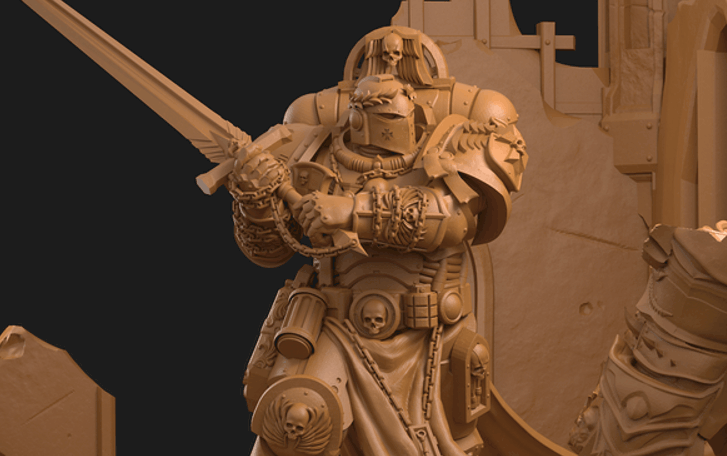 Lastly, and this is a bit more speculative, GW cannot continue to ignore 3d printing forever, and they cannot build everything themselves – as odd as this may seem for a huge manufacturing company. This is where I would love to see GW get a bit more creative.
If GW can get a business model where users are subscribing to a lot of models (i.e., the core of the army) and then buying the odd beautiful hero, this will change how GW. No longer do they need you to spend £25 on a box of marines to build up a spare bits backlog or kitbash a new hero.
In this world, a beautiful model is a beautiful model. Your users are paying you for core content in a thematic universe where you now want them to be created (a la our creating your own planet example). How does GW bring a thematic, community-driven universe built around people creating physical models into the real world in 2021 and beyond?
Here I would love to see GW doing GW Official partners for model parts. Go to somewhere like MyMiniFactory, do a partnership, so GW takes a cut of each sale (or something), and let people offer parts that are ‘GW Verified.’
Even if that is someone checking for quality, like an intern, before that person sells them, let the creative part of the hobby flourish driven by your community and embrace the most beautiful bits as a community-driven canon. And help include GW as part of the story.
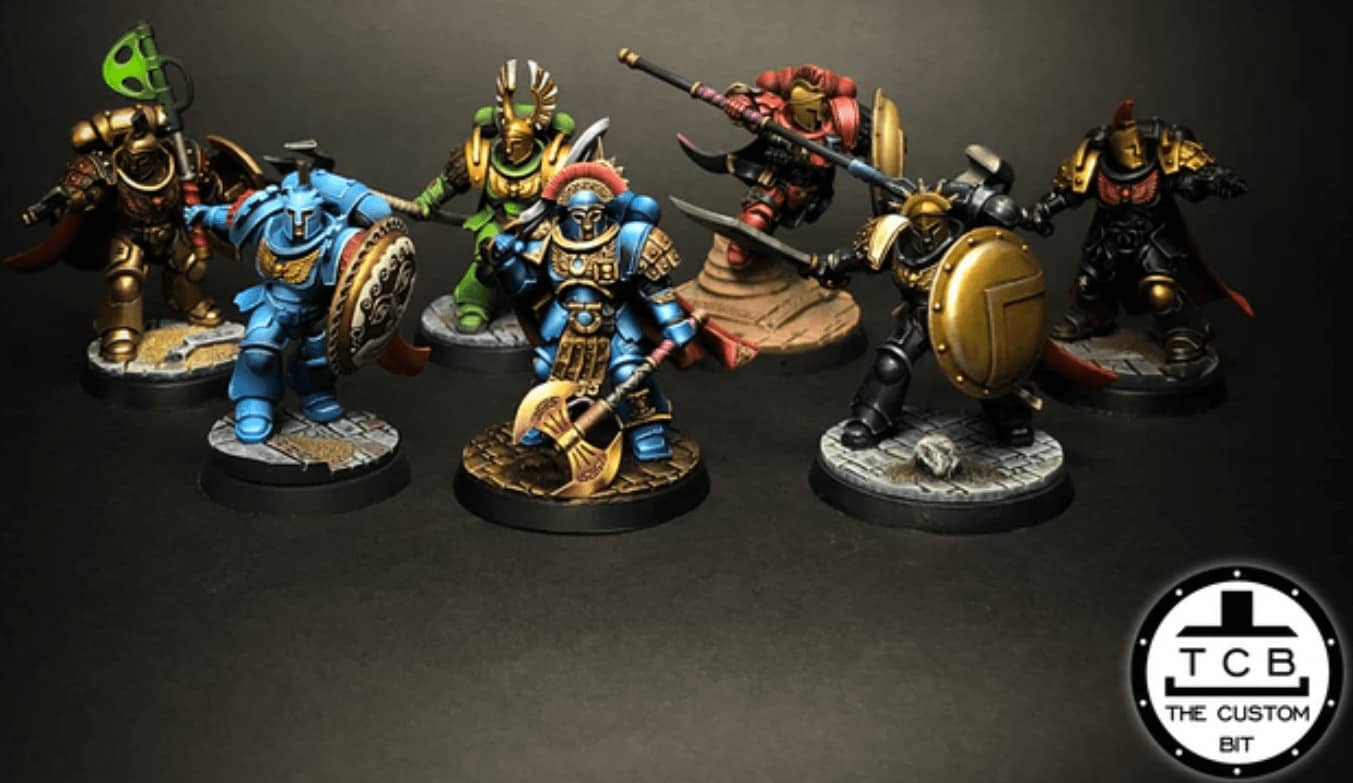
Look at something like the amazing Kickstarter for SONS OF HELLAS. Imagine if GW had sponsored this and showcased the models. They could have spiked sales of the base models to have people 3d print the pieces to customize them, done extra paint bundles for new colors for the army, or even asked the creator for a small piece of the pie.
If GW can create a world where the creative part of the hobby adopts new technologies and where GW is weaved into the very fabric of this – there is no limit to the amount of creative new ways GW can engage the community and drive consumption.
An Interesting Conundrum
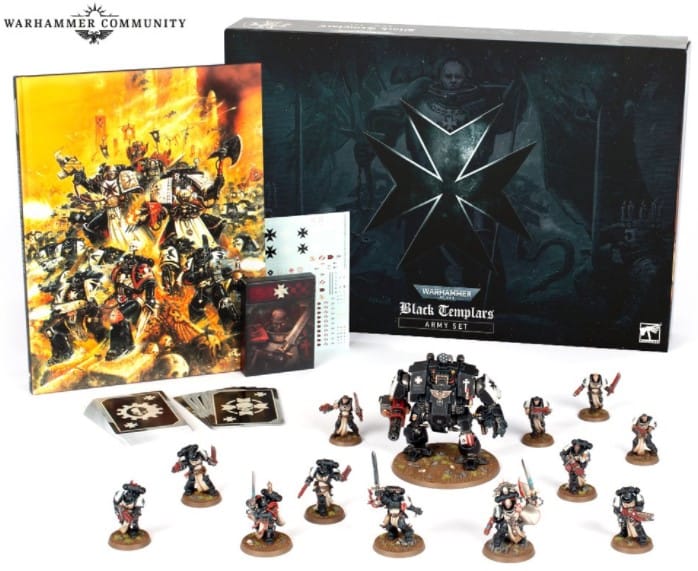 I see an interesting conundrum here: GW sells itself to its board with the summarized message of “our core business is selling the models and helping hobbyists paint them.” That is the goal – the game.
A lot of what I suggest would need GW to pivot further away from this. Could GW really bring themselves to?
Well, maybe when the business gets to the right size, even they have to see that a fantasy world has more reach than just people who want to consume it through one medium. The number of small model manufacturers and the quality of 3d printers is steaming ahead, they cannot keep tightening IP guidelines.
They are trying to hold back a tide right now of the commoditization of their manufacturing facilities at an insane rate, the commoditization of model sculpting, and trying to grasp how much of their canon is still in GWs hands vs. now “wild in the community.”
GW needs to embrace its community of creators at all scales, including those who want to monetize what they create, embrace technology and embrace community engagement more to create a flywheel of creators – content – consumption – appreciation – customers.
Games Workshop Sales Strategy: In a Tough Spot
 GW – you are in a tough spot given your board direction and stated goals. You are a widget-maker who is seeing a million other widget-makers spring up at home.
You didn’t run out of the gate with licenses for a lot of the things you have designed, and now you are running to catch up. Don’t. Work out how to capitalize on the clear love and momentum you have created and how that can feed into a business model for you that makes your widgets only part of the value you create.
Don’t alienate the community; turn it from a community of customers to a community of members that drives growth from both sides that you can capitalize on.
I love reading the GW Annual reports, and if you read them, you would think that perhaps I was wrong about some of my assumptions here. But the way GW has acted as of late with content creators and the community doesn’t align with:
To really change, I think GW would need to flip their strategy order to the customer first, IP second, strategic partnerships third, global 4th, and then high-quality miniatures 5th.
Don’t get me wrong, Games Workshop; I love the bits of plastic all over my desk, but please embrace the fact you could be so much more.
Check out Ben’s full series on what the Games Workshop business strategy is, and how they could be so much more below!
You may also like:
A guest post by Ben | Principal Product Manager @docker| Life goals: – Get Big – Turn Green – SMASH! \Views are my own\ Twitter @nebuk89
What do you think about the sales strategy of Games Workshop of the past versus now and in the future?
Let us know in the comments of our Facebook Hobby Group, or our new Discord server, and make sure you enter the latest monthly giveaway for FREE today!
Get ad-free access to our hobby videos, a monthly drop of miniatures, and support some of the best creators out there for as little as $6 a month on Patreon!