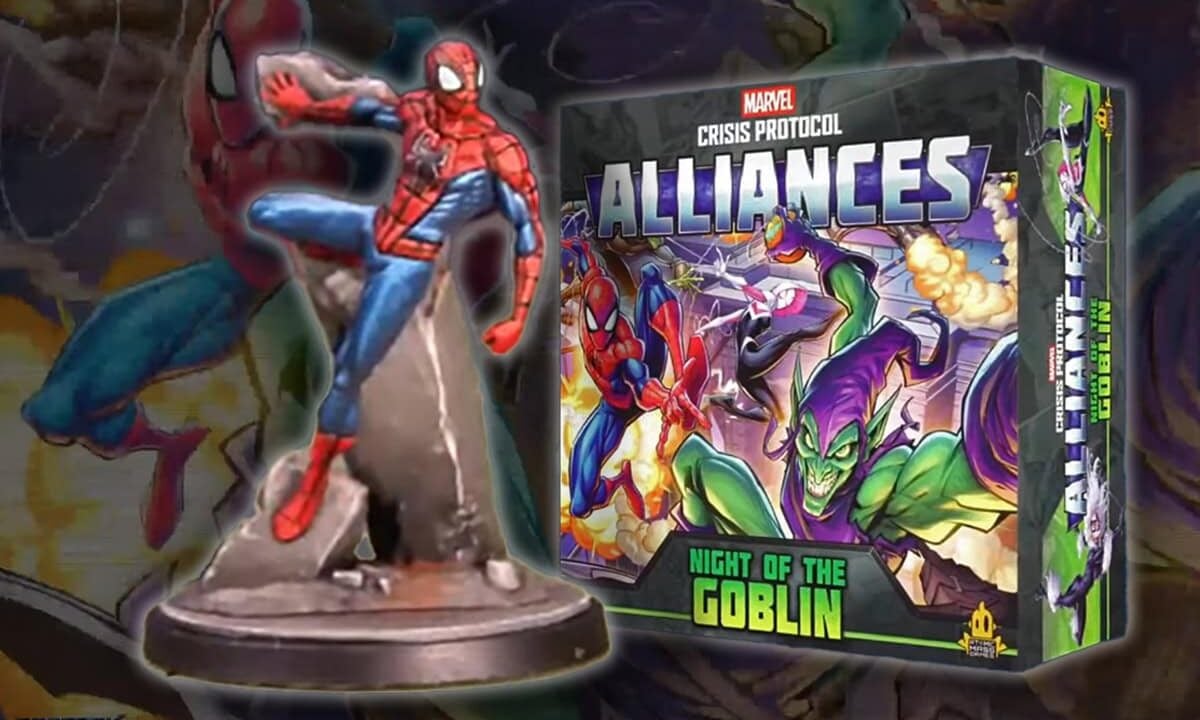
 Marvel Crisis Protocol Alliances, a standalone co-op board game coming from AMG, allows players to fight bosses, clear stages, and unlock upgrades.
Atomic Mass Games (AMG) is taking Marvel: Crisis Protocol (MCP) in a new direction with a standalone tabletop board game that spins out of MCP’s superhero miniatures vibe, but aims squarely at co-op, boss-battling, campaign-style play.
If you like the idea of throwing a squad of heroes into a gauntlet of escalating fights, upgrading your team between rounds, and then getting your teeth kicked in by an evolving AI villain, this one is trying to be your new weekend main course.
What Is Marvel Crisis Protocol Alliances Actually Is (And What It’s Not)
Let’s clear the air fast about the new Marvel Crisis Protocol Alliances game.
It is: a co-op “beat ’em up” boss battler with progression
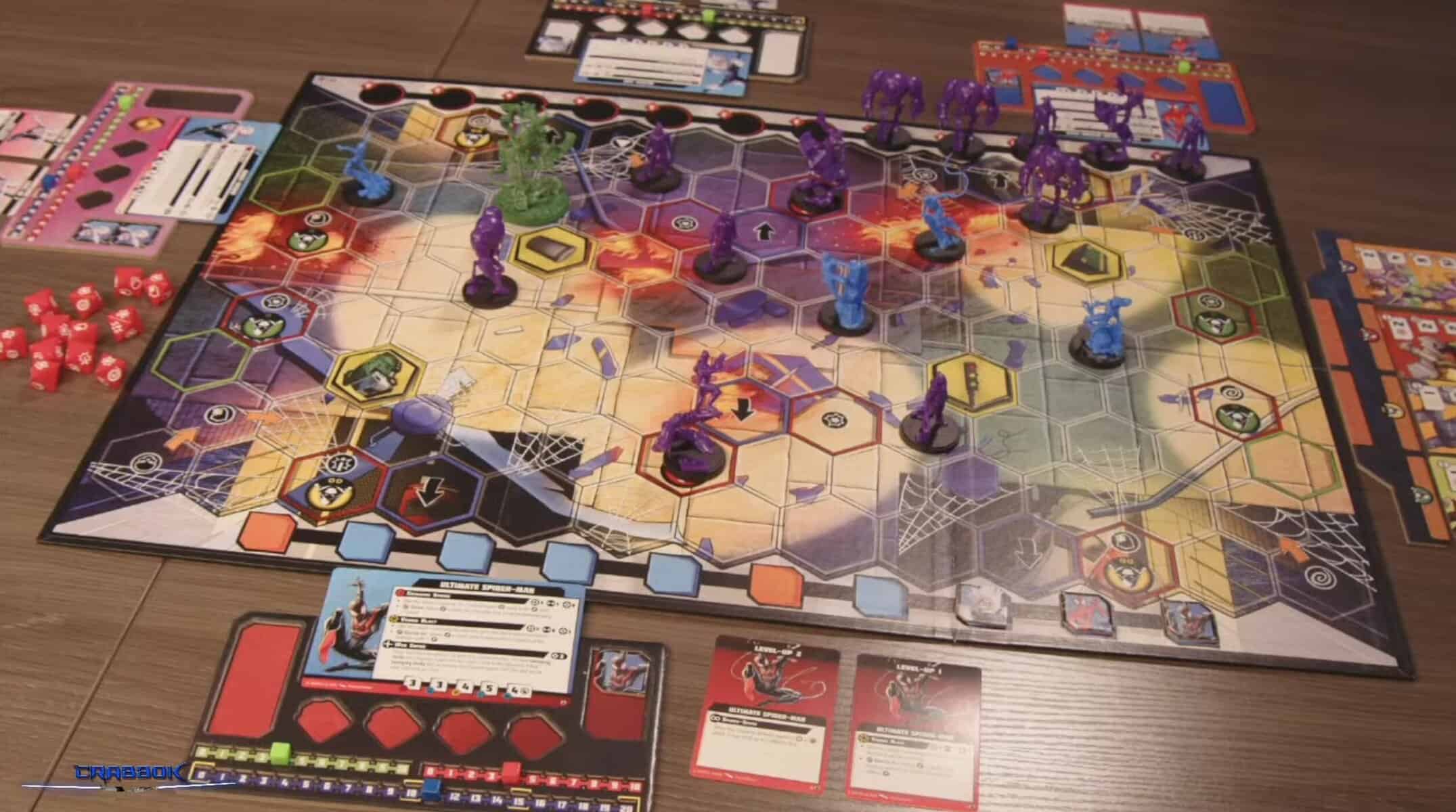
Marvel Crisis Protocol Alliances board game is pitched as a team-based cooperative board game where you and your friends fight through multiple stages and then take on AI-controlled bosses that change from fight to fight. The big promise is session-to-session variability, so you’re not playing the same map for two hours while your brain turns into oatmeal.
It’s not: “new MCP minis”
This is not an excuse to backdoor a bunch of fresh MCP character packs into your collection. The minis are unpainted, but separate from standard MCP releases. If your main hype-button is “new MCP sculpts,” you are already in the “cool, wake me up later” camp.
For the general MCP context and what AMG is currently doing in that line, check it out here.
How the Gameplay Loop Works: Stages, Then the Boss
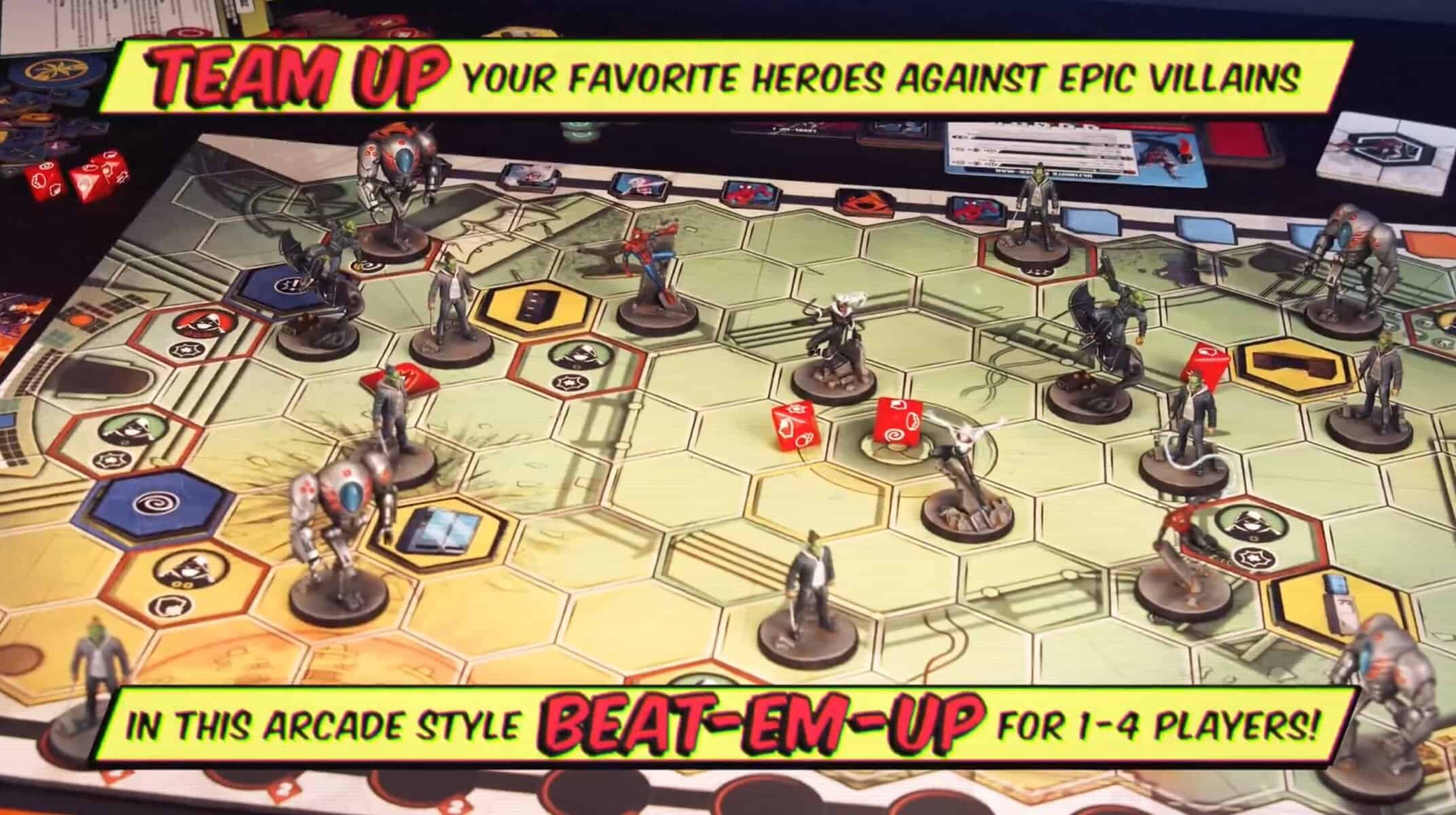 AMG’s pitch leans on that classic arcade energy: fight through the level, upgrade, then face the big bad.
Three-stage runs keep things from getting stale
Instead of locking you onto one board, each session is framed as three different stages you play through to reach the final boss. That design choice matters more than it sounds. It means:
- More replayability without needing a mountain of expansions on day one
- Different tactical puzzles across a single session
- Less “same board syndrome” where the novelty dies halfway through the second round
AI bosses are the centerpiece
The bosses are AI-controlled and built to vary “fight to fight,” which usually means changing behavior patterns, phase rules, or scenario modifiers. The upside is obvious: co-op games live or die on whether the AI feels like a real opponent instead of a flowchart you solve once.
When a game sells itself on AI bosses, the question to ask is not “how many bosses?” It’s “how many interesting decisions do bosses force us to make?” If early previews show bosses mainly sponging damage while you repeat optimal rotations, that is the danger sign.
RPG-Style Progression in Marvel Crisis Protocol Alliances
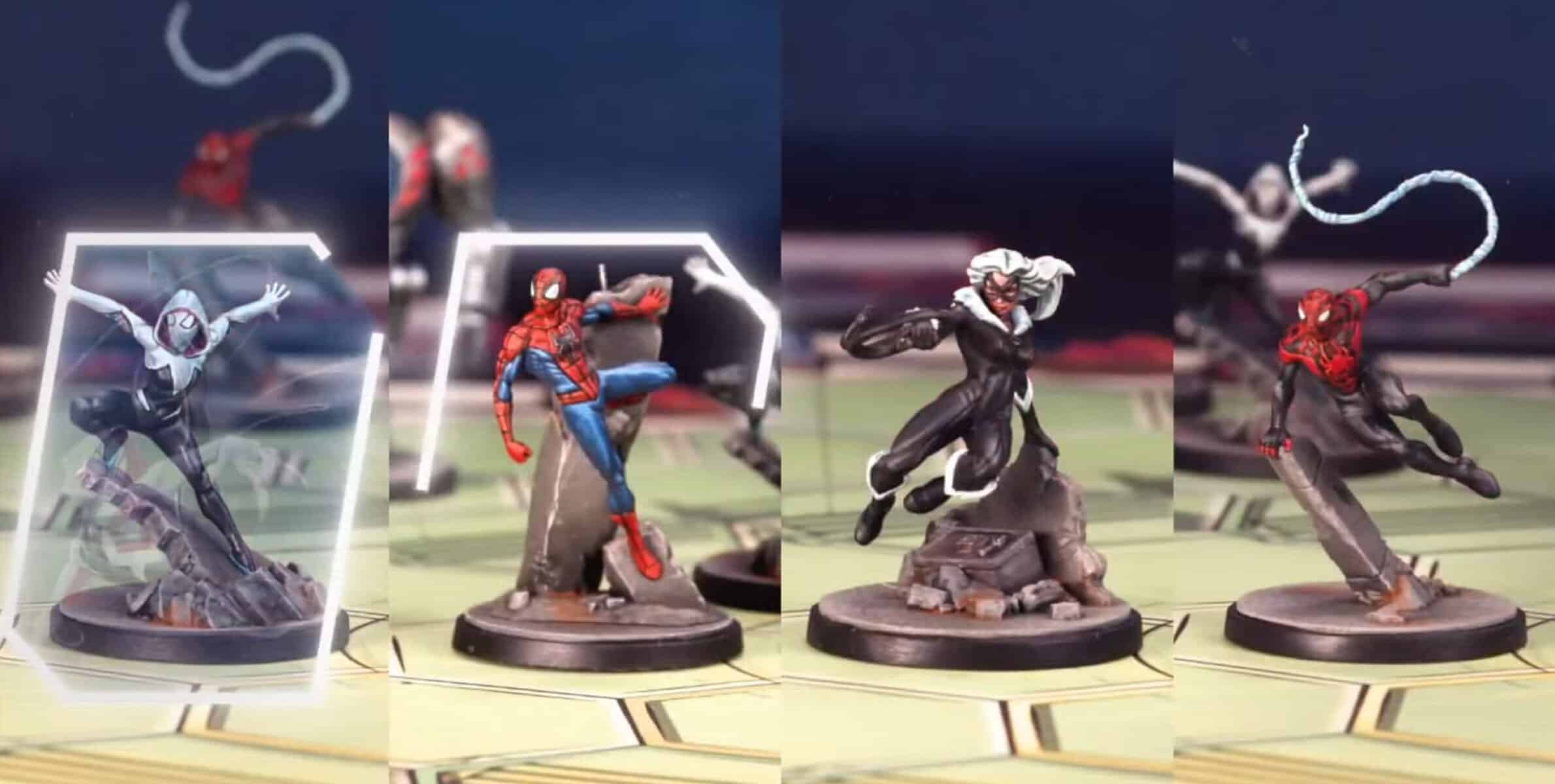 Marvel Crisis Protocol Alliances board game is also leaning into RPG-style upgrades, where you unlock new stuff for characters and squads as you play.
Mix-and-match squads are the real hook
If the system supports flexible hero lineups and meaningful team-building, this is where the long-term fun lives. Co-op campaign games get sticky when:
- your “best” lineup becomes obvious after a few sessions
- upgrades are minor stat bumps instead of new options
- characters don’t feel different enough on the table
When Alliance retailers get deeper, look for upgrades that change how you play, not just how hard you hit. New actions, new resource tricks, new positioning tools. That is the good stuff.
Mavel Crisis Protocol Alliances Miniatures: Press-Fit, No Glue, Clip-and-Go
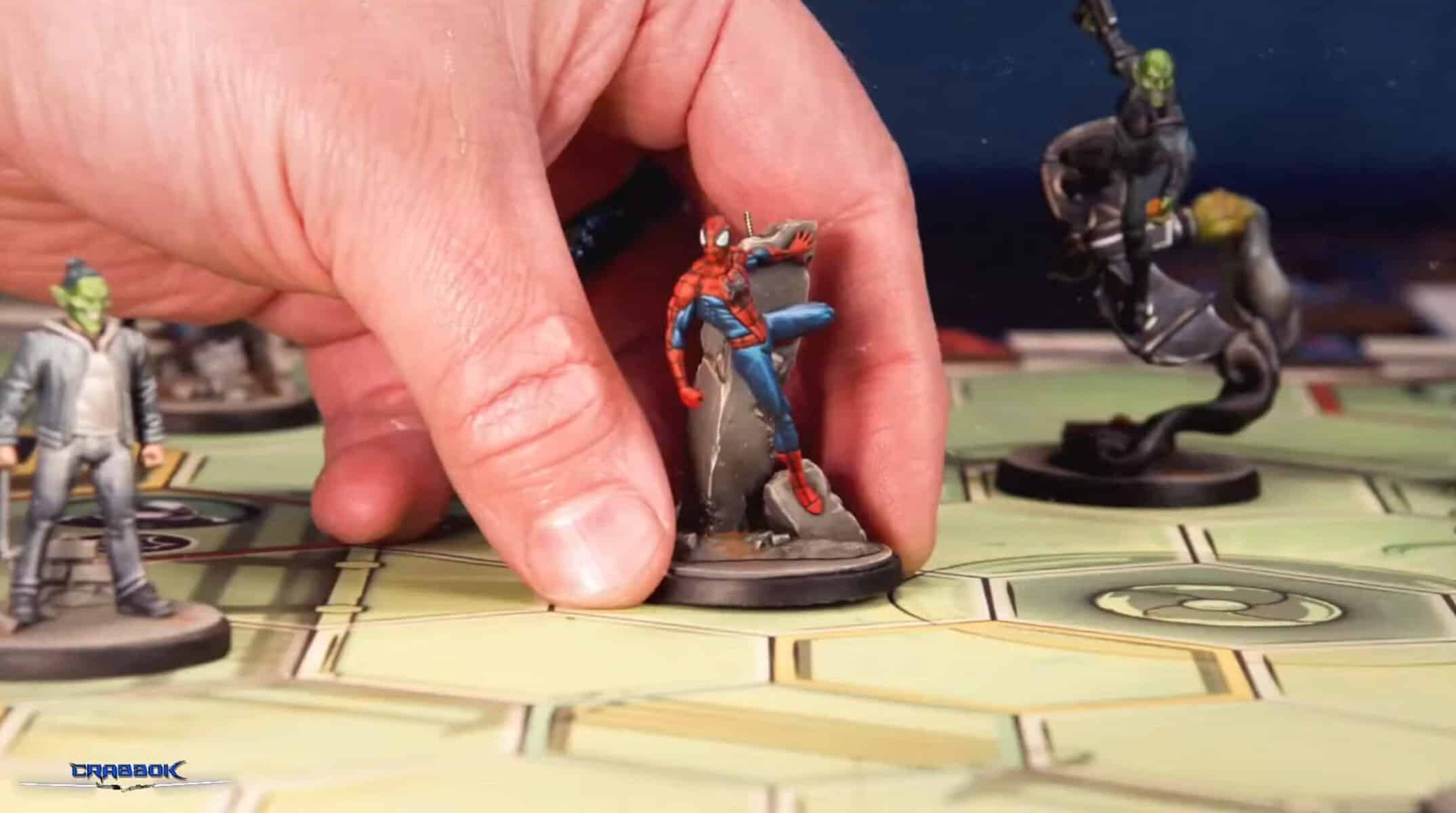 AMG says the Marvel Crisis Protocol Alliances board game miniatures are press fit with no glue required. Clip them off the sprue, push them together, and you’re ready to play. Minis are still unpainted, so hobby folks can go wild, but the assembly barrier is meant to be lower.
Why this matters (even if you love glue)
This is a smart accessibility play for a cooperative board game audience. Less friction means:
- more people actually get it to the table
- fewer “I still haven’t built it” shelf tragedies
- easier onboarding for groups who want gameplay first, hobby later
If you paint, dry-fit everything before priming anyway. Press-fit tolerances can get spicy once paint thickens contact points.
Game Length and Release Window
 AMG is targeting about 90 to 120 minutes per session, and the anticipated release date window is early September 2026.
That runtime is the sweet spot for a co-op “mission, mission, boss” format. Long enough to feel like an event, short enough that you can finish before everyone turns into a pumpkin.
The Big Elephant in the Room: Why People Are Skeptical
 The live chat was skeptical, because tabletop gamers have pattern recognition like a bloodhound with a caffeine addiction.
“Another standalone spin-off” is a hard sell
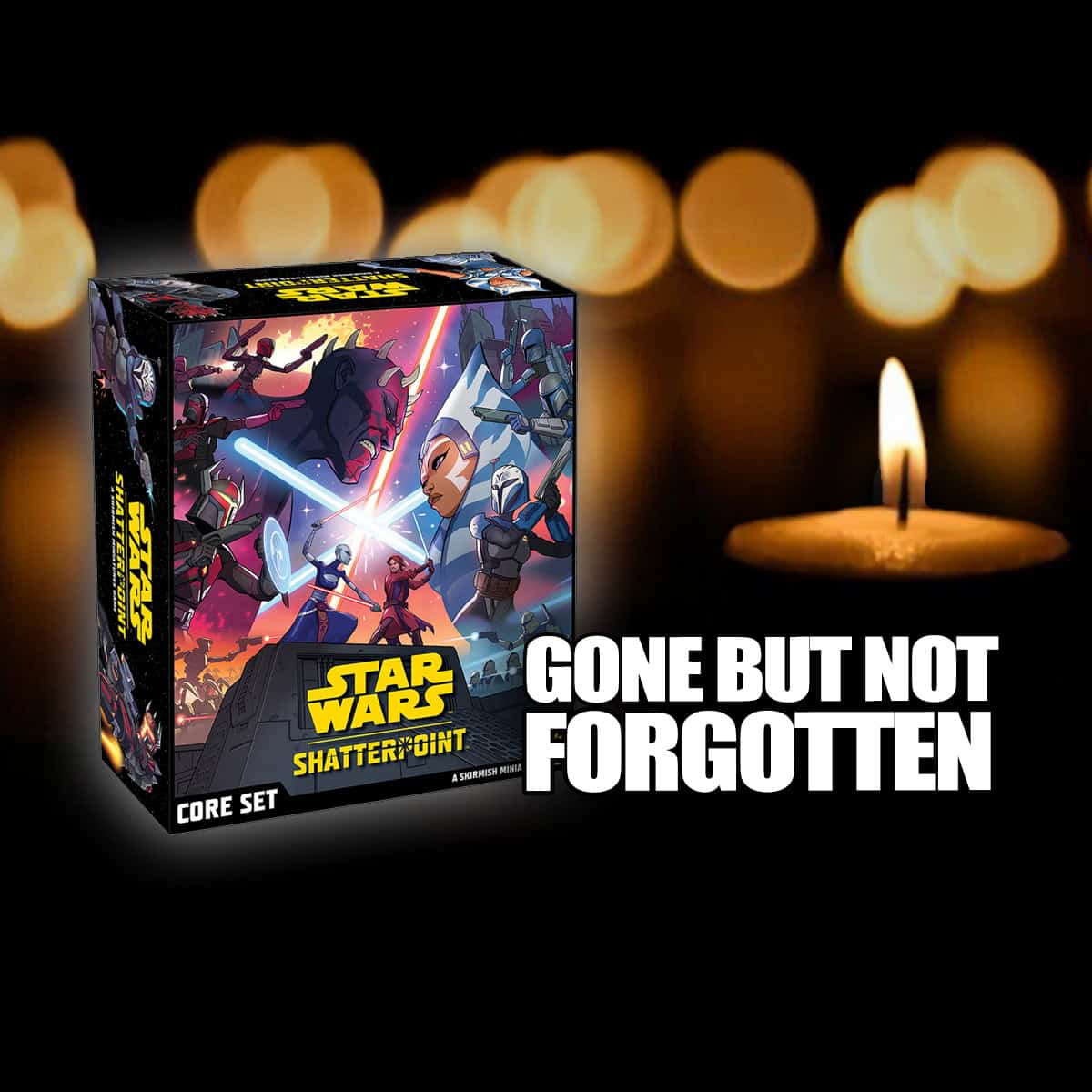
AMG has a track record of expanding into adjacent product lanes, and some fans see this as another “parallel track” game that competes for attention with the core lines. That skepticism got louder because Star Wars: Shatterpoint was just shifted into a specialist-game lane, which naturally makes people wonder how AMG is allocating resources across its catalog.
Plus, the market calendar is brutal
Game releases do not exist in a vacuum. If the wider hobby world is lining up big launches in the same season (most notably 11th Edition 40k), anything new has to fight for time, money, and table space. That does not mean Marvel Crisis Protocol Alliances is doomed. It just means it has to land clean with a clear identity.
Final Thoughts on Marvel Crisis Protocol Alliances Board Game
Marvel Crisis Protocol Alliances sounds like AMG trying to bottle the “superheroes feel awesome” energy of MCP and pour it into a co-op boss battler format with stages, progression, and modular sessions. The pitch is solid. The skepticism is also earned.
If AMG nails the AI design and the upgrade system, this could be a legit “Friday night staple” miniatures board game. If it lands as a thin system propped up by future expansions, people are going to sniff that out fast.
See the Latest MCP Roadmap