Want to play Warhammer 40k Deathwatch in 10th? We break down the current Index rules, how Kill Teams work, when to use Mission Tactics, key Stratagems, and the units that pull it all together.
The Deathwatch’s rules lean hard into flexibility (still an updated index, not a codex yet). They punish poor positioning, exploit battlefield gaps, and always keep opponents second-guessing.
Let’s break down how to play Deathwatch in 10th Edition, covering their army rules, detachment options, enhancements, stratagems, and standout units in the index until a full codex book is released.
- Rules source: Deathwatch Index (Black Spear Task Force)
- Last updated: February, 2026
- This guide covers: Kill Teams, Mission Tactics, Enhancements, Stratagems, ammo, key units, and how to play
Deathwatch in 60 Seconds (Lore Primer)
Updated February 20th, 2025, by Rob Baer with the latest FAQ information, new Kill Team Tomb World, and the latest Deathwatch rules.
 The Deathwatch are the Imperium’s specialist xenos hunters: veteran Space Marines pulled from across the Chapters, equipped with weird wargear, and pointed at the nastiest alien problems the rest of the galaxy would rather pretend do not exist. On the tabletop, that vibe shows up as mixed-role Kill Teams, ammo tricks that let you tailor damage on the fly, and mission-driven buffs that reward planning two turns ahead.
The Deathwatch are back on the hunt, bringing their Kill Teams, exotic wargear, and xenos-slaying tricks to the table. If your vision of Warhammer 40k includes elite Space Marines wielding specialized ammo and dropping from orbit to surgically cut out the heart of the enemy alien threats, the Deathwatch Index is what you’ve been waiting for.
The Deathwatch rules lean hard into flexibility. They punish poor positioning, exploit battlefield gaps, and keep opponents second-guessing with ammo swaps, redeploy tricks, and mission-timed power spikes.
Let’s break down how to play Deathwatch in 10th Edition, covering their army rules, detachment options, enhancements, stratagems, and standout units.
Why Play Deathwatch in Warhammer 40k (10th Edition): Key Rules & Index Strengths
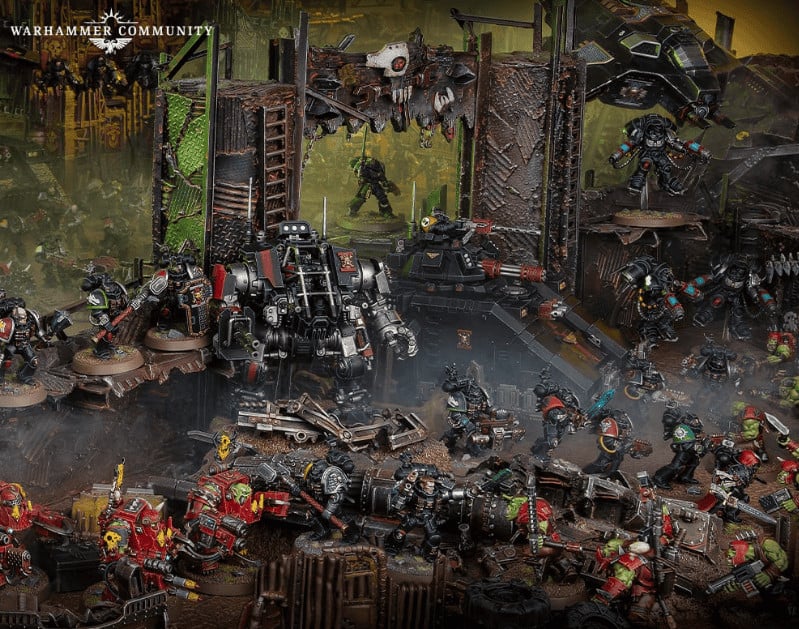
The Deathwatch Grotmas Index rewards players who think two steps ahead. Your ammo Stratagems let you fine-tune output based on the target in front of you, while Mission Tactics give you a once-per-game lever to swing a whole turn in your favor. Kill Teams bring mixed weapons that can adapt to the enemy, and your leaders provide critical buffs that turn “good” trades into brutal ones.
Want to outmaneuver an opponent? Pull units into Reserves with teleport tricks and force them to waste a turn chasing shadows. Need to shred hordes? Load Hellfire Rounds and turn volume into reliable wounds. Big monster in your face? Flip to Malleus Tactics for Lethal Hits and let math do the dirty work.
This is an army that thrives on tactical problem-solving, and when piloted well, it feels like you always have the right answer in your pocket.
- Current rules source: The Deathwatch Index (Black Spear Task Force), not a full codex book.
- What Kill Teams do differently: mixed profiles and mixed roles that stay stubbornly efficient under pressure.
- What Mission Tactics do: army-wide buffs you time for the turn that matters most.
- What ammo Stratagems do: tailor your shooting to the target without rewriting your list.
- Who this army is best for: players who like elite Marines, flexible tools, and winning with planning instead of raw spam.
New Deathwatch Rules in the Tomb World Box (What Changed + What It Means)
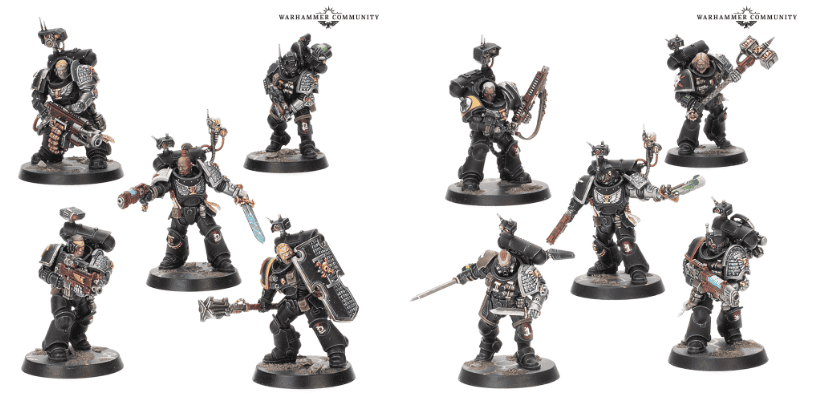
The Deathwatch are suiting up for another mission, this time heading into the Necron-infested Tomb World box. Packed with two veteran Kill Teams, the Fortis and Decimus, this set drops you straight into xenos-purging glory.
What changed:
- Two new Kill Teams with distinct tabletop identities: Fortis as flexible pressure, Decimus as a bully unit that loves non-humans.
- New internal rules hooks that reward finishing weakened targets and staying consistent into the right matchups.
- More reasons to plan your turn sequencing, since these units spike hardest when you set up the conditions first.
What it means on the table:
- Target selection: Fortis likes chipped targets, Decimus likes “anything not human” and does not care about your feelings.
- CP timing: ammo and defensive tricks matter more when your Kill Team is about to swing the fight, not when it is already over.
- Deployment: keep lanes open for pressure turns, and do not waste these units babysitting backfield chores.
Here are their new Deathwatch Warhammer 40k rules!
Fortis Kill Team Rules (Deathwatch Index)

The Fortis Kill Team is your jack-of-all-trades strike force, ready to light up anything that twitches. They bring a mix of bolt rifles, plasma, and rockets that can cook everything from Orks to Overlords, all while getting nastier the more damage you do.

Their Fortis Doctrine rewards finishing what you start: hit bonuses when enemies are weakened, and even better buffs when they’re on their last legs. It’s Deathwatch efficiency at its finest: clean, clinical, and just a little smug about it.
- Use it when: you want a flexible unit that can pressure mid-board and punish targets you’ve already chipped.
- Avoid when: you need a single-purpose, maximum-output nuke and you cannot guarantee setup damage.
- Best Mission Tactic pairing: Furor early for volume, or Malleus when you need wounds to stick on tougher targets.
Decimus Kill Team Rules (Deathwatch Index)

If the Fortis are the scalpel, the Decimus Kill Team is the power fist: blunt, loud, and devastatingly effective. They roll up with Gravis armor, frag cannons, and an attitude that says, “We hunt aliens for breakfast.”

Their Death to the Alien rule lets them re-roll hits against anything non-human, making them terrifyingly consistent. Toss in an Astartes Shield for a 4+ invuln, and you’ve got a unit that can punch through the enemy line and laugh while doing it.
- Role: bully unit that takes space and forces your opponent to deal with it.
- Best targets: xenos and anything that relies on “hope you miss” defenses.
- Key weakness: if you overextend without support, you can get boxed in and traded down by a coordinated counterpunch.
Strengths of the Deathwatch Index Rules (10th Edition)
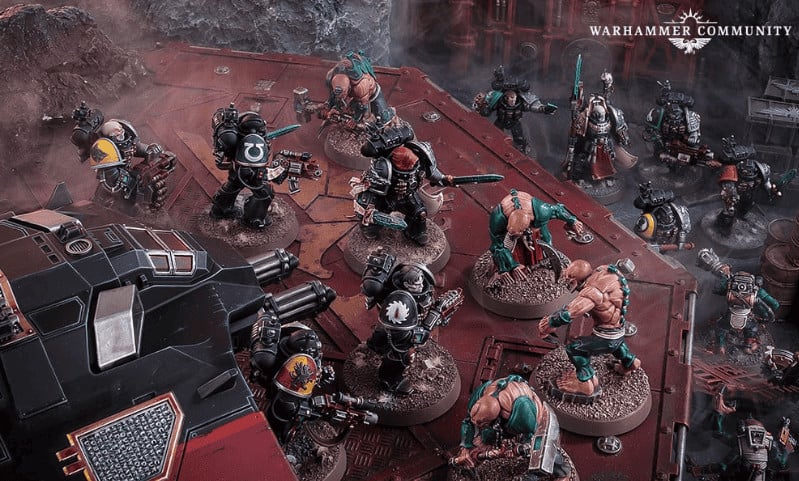
- Flexible Kill Team builds with unique weapon rules. So what: you can answer more matchups without rebuilding your whole collection.
- Ammo Stratagems that let you adapt to any target. So what: your “basic” guns stop being basic the moment you spend one CP.
- Mission Tactics that provide strong army-wide buffs. So what: you can pick the turn your army spikes, instead of hoping it lines up.
- Characters that offer meaningful support and utility. So what: your elite units stay elite longer, and your CP goes further.
- Elite units with access to both ranged and melee punch. So what: you threaten multiple phases and punish opponents who screen poorly.
If you like elite Marines, toolbox answers, and winning with timing, Deathwatch is for you.
Weaknesses of the Deathwatch Index Rules (And How to Mitigate Them)
- Fewer unit options than standard Battle Brothers. Mitigation: lean into Kill Teams and accept you win with tools, not with unit spam.
- Lose access to several common Space Marine choices (bikes, scouts, speeders). Mitigation: use teleport, Deep Strike, and mission play to replace raw speed.
- Low model count makes trading costly. Mitigation: force your opponent to trade up by staging behind cover and spending CP only on swing turns.
- Require strong tactical awareness to maximize their rules. Mitigation: plan a three-turn script, then commit once your Mission Tactic and ammo line up.
How to Play Deathwatch (10th Edition): 3-Phase Game Plan
Turns one to two (setup): stage Kill Teams behind cover, chip key targets, and set up angles. Your goal is not hero plays, it is creating a board state where your Mission Tactic turn is inevitable.
Turns two to four (spike): pick the Mission Tactic that matches the moment, spend CP on the ammo that matters, and hit the critical lane hard. This is when Deathwatch feel unfair, because you’re playing the matchup you planned for.
Turns four to five (score and deny): preserve what is left, clean up weakened units, and focus on primary denial. A surviving Kill Team is often better as a scoring threat than as a last-gasp damage roll.
Warhammer 40k Deathwatch 10th Edition Rules Review (Index Overview)
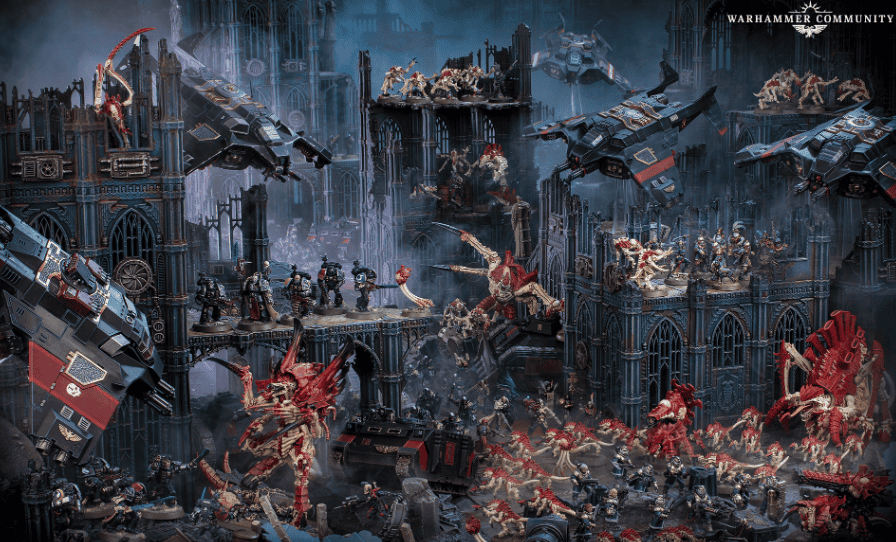
The Deathwatch thrive on adaptability. They are not about overwhelming firepower or drowning the board in bodies. Instead, they combine elite Marines from different Space Marine Chapters with custom weapon loadouts, teleport tricks, and specialized ammunition that shifts to fit the mission at hand.
Playing them well means knowing when to apply the right ammo, when to redeploy, and when to hit like a hammer. The Warhammer 40k Deathwatch 10th Edition Index doubles down on this identity with adaptable Kill Team variants and mission-driven buffs.
Index at a glance:
- Army rule: Kill Teams let you mix profiles and keep opponents from “sniping the weak link” for easy value.
- Detachment: Black Spear Task Force gives Mission Tactics and the ammo-driven playstyle, with list restrictions.
- Mission Tactics: three once-per-game army-wide buffs that you time for your spike turn.
- Ammo Stratagems: a compact set of “right tool, right target” shooting upgrades.
- Struggles into: armies that can flood objectives with cheap bodies while trading efficiently into elite units.
- Excels into: opponents who overextend, expose key pieces, or rely on positioning mistakes to survive.
Core Deathwatch Rules: Kill Teams (Mixed Profiles, Real Impact)
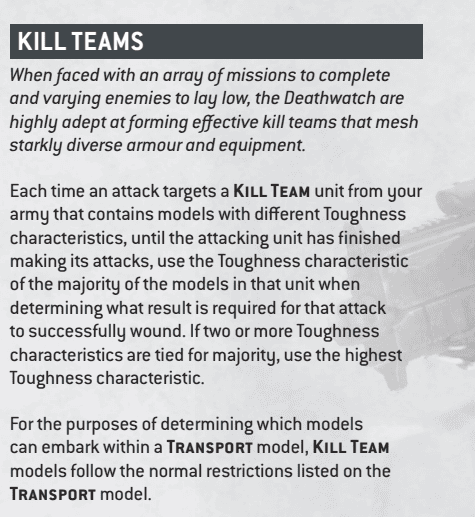
The heart of the Deathwatch army is the Kill Team rule. When a unit mixes different models with different Toughness values, you use the majority value to determine wounds. If there’s a tie, you use the highest. This means your opponents cannot just pick off the weak link and exploit it.
- Quick example: If a Kill Team has more T6 models than T4 models, the unit uses T6 when your opponent wounds it. If it is tied, you use the higher Toughness.
- Rules tip: This matters because your opponent cannot “solve” your unit by deleting one cheap model first. You keep the defensive profile you built for longer.
Kill Teams also follow normal transport rules, so you’ll be packing them into a Corvus Blackstar or other rides, depending on the mission.
Deathwatch Detachment Rule: Black Spear Task Force (in Plain English)
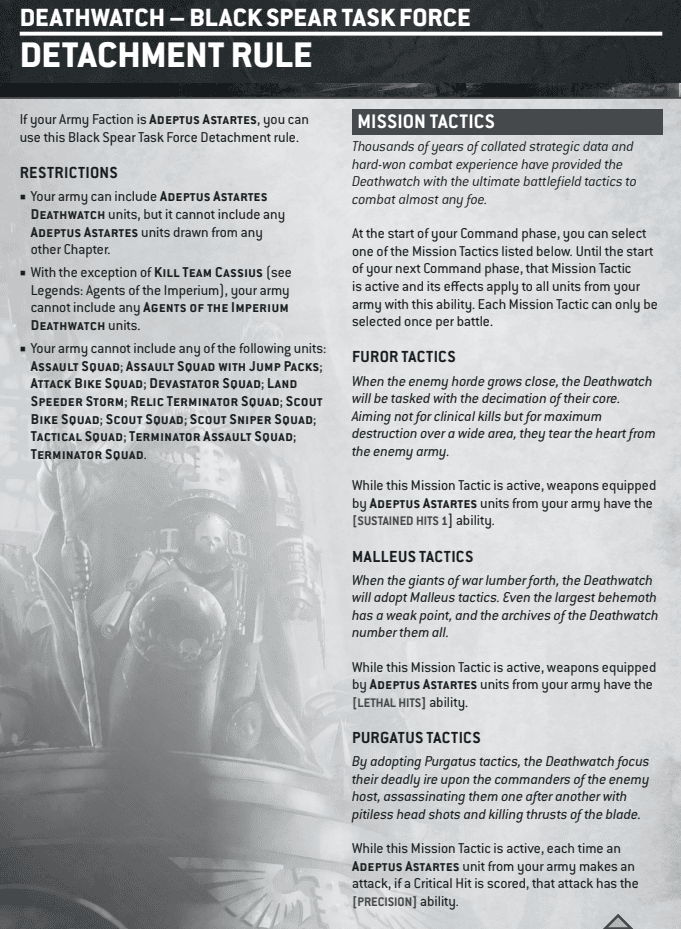
The Black Spear Task Force is the main detachment for the Warhammer 40k Deathwatch Index in 10th Edition. It comes with restrictions and some powerful tactical buffs:
- Must be Adeptus Astartes: Deathwatch.
- No Agents of the Imperium except Kill Team Cassius.
- Restricted from fielding common Marine units like Assault Squads, Bikes, Speeders, Scouts, and Terminator Assault Squads.
Plain English summary:
- What it gives you: Mission Tactics plus a playstyle built around ammo and precision pressure.
- What it restricts: fewer “default Marine” plugs, so you play the Deathwatch identity instead of generic goodstuff.
- What lists it pushes: Kill Team cores with characters that amplify spike turns and protect your elite trades.
Deathwatch Mission Tactics Explained (When to Pick Each)
At the start of your Command phase, you can pick one of three Mission Tactics (each once per game):
- Furor Tactics Sustained Hits one.
- Malleus Tactics: Lethal Hits.
- Purgatus Tactics: Critical Hits gain Precision.
These buffs apply to all Adeptus Astartes units in your army, giving you a powerful way to adjust strategy mid-game.
- Furor: pick it when you need volume to stick, especially into targets where extra hits convert into real damage.
- Malleus: pick it when you must punch up into high Toughness targets and cannot afford a “whiff” turn.
- Purgatus: pick it when a character is holding the whole enemy plan together, and removing it wins the turn.
Treat these like a three-turn script: early pressure, mid-game crack, late-game cleanup.
Deathwatch Index Enhancements (Best Picks + Who Uses Them)
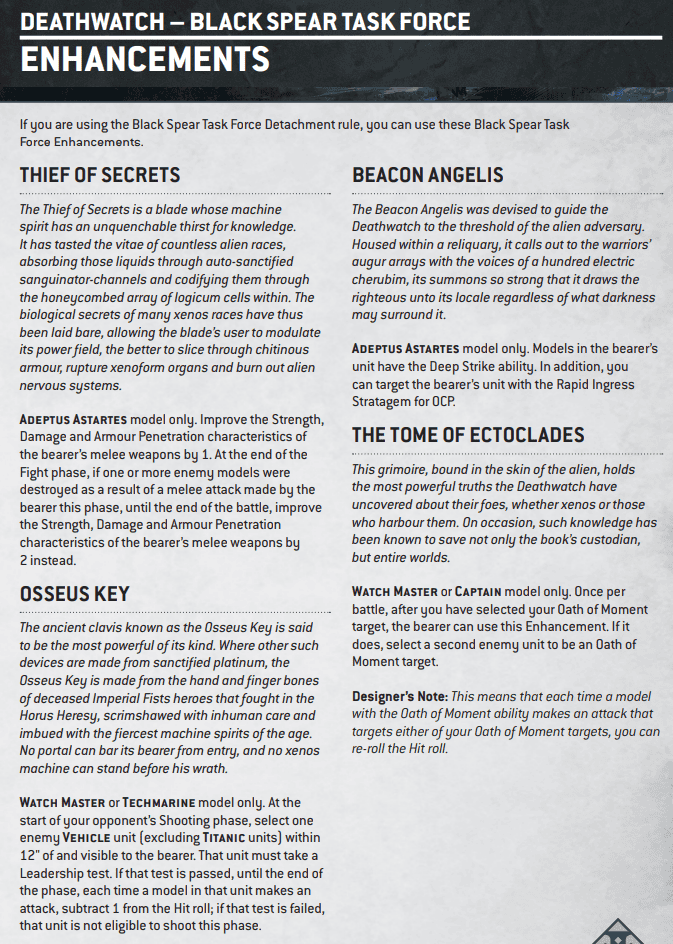
The Deathwatch get some flavorful relic-style upgrades, and a few of them are real game changers if you put them on the right body.
- Thief of Secrets: Supercharges melee weapons, granting +1 Strength, AP, and Damage. If the bearer wipes a unit in melee, the bonus jumps to +2 for the rest of the game.
Best on: a melee character who is actually going to connect.
Why: it turns “fine” into “problem” once it ramps.
Skip if: your list is not built to deliver the bearer safely. - Osseus Key: Watch Master or Techmarine only. Targets an enemy Vehicle in the shooting phase, potentially forcing a Leadership test. If failed, that vehicle suffers -1 to Hit.
Best on: Watch Master or Techmarine in a list that expects Vehicle matchups.
Why: it is a pressure tool that can blunt return fire on the turn you commit.
Skip if: your meta is mostly infantry and monsters and you need points elsewhere. - Beacon Angelis: Grants Deep Strike to the bearer’s unit and allows free Rapid Ingress.
Best on: a unit you want to threaten with timing, not just raw stats.
Why: free Rapid Ingress changes how opponents deploy and screen.
Skip if: your plan already relies on starting on the board and trading early. - Tome of Ectoclades: Watch Master or Captain only. Once per battle, it lets you pick an extra Oath of Moment target. Your army can re-roll Hits against either target.
Best on: your army’s anchor character.
Why: it creates a “two targets die this turn” problem for your opponent.
Skip if: you are already tight on CP and cannot support the spike turn.
Deathwatch Index Stratagems & Ammo Rules (Cheat Sheet)
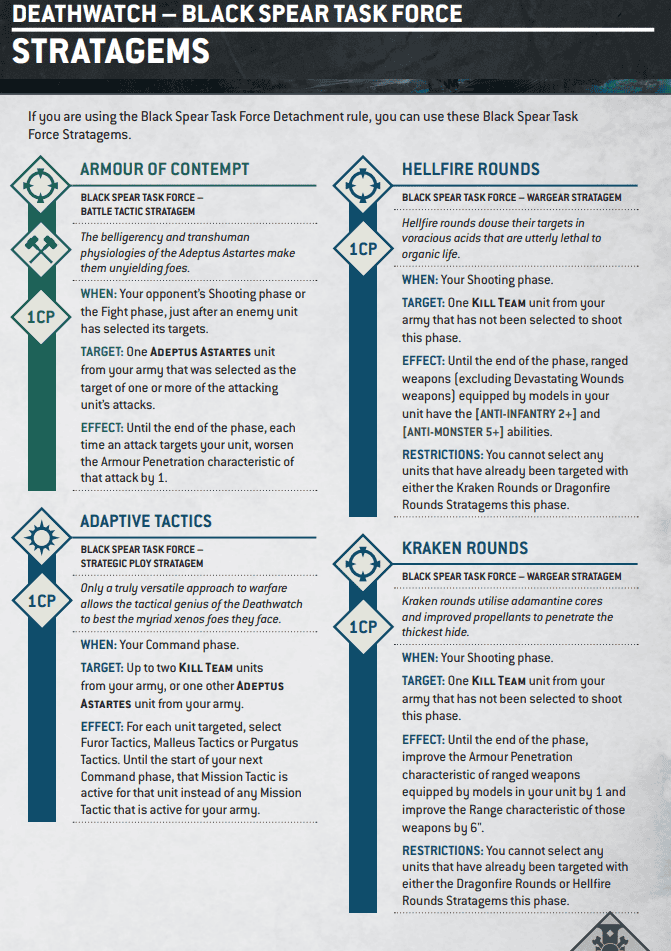
Ammo is king for Deathwatch, and their Stratagems reflect that. If you only remember one thing, remember this: you don’t spend CP to “do a bit more,” you spend it to make the right target evaporate.
| Stratagem | Best vs | When to use | Why it matters | Common mistake |
| Dragonfire Rounds (1CP) | units hiding in cover, screens on objectives | when you need reliable chip or a clear lane | Assault plus Ignores Cover keeps pressure consistent | popping it on a unit with no meaningful follow-up |
| Hellfire Rounds (1CP) | infantry bricks, monsters | when volume needs help converting into wounds | Anti-Infantry 2+ and Anti-Monster 5+ turns guns into problem solvers | using it after the key target is already half dead and irrelevant |
| Kraken Rounds (1CP) | tough targets at range, units flirting with safety | when range and AP swing the exchange | extra range plus AP can turn “safe” into “not safe” | spending it just because you can, not because it changes the math |
| Armour of Contempt (1CP) | high AP shooting or melee | when you must keep a key unit alive for scoring or a follow-up hit | worsening incoming AP buys you the turn you need | using it on a unit that is getting picked up no matter what |
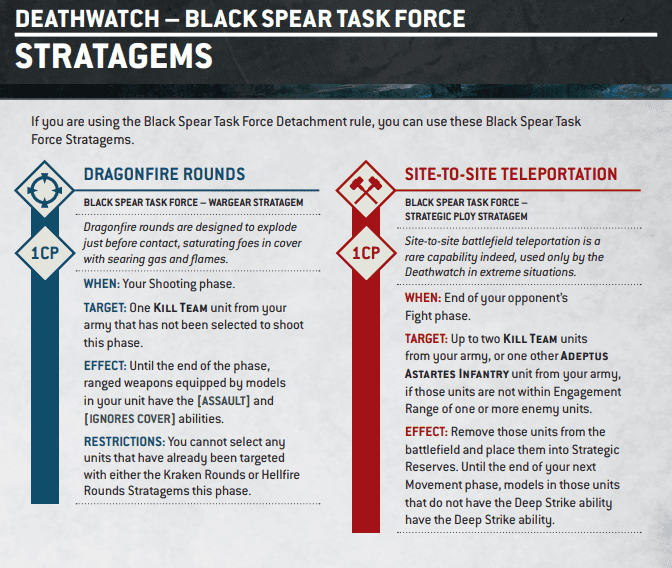
This mix of tricks makes Deathwatch feel like they’re constantly pulling something new out of the ammo locker, because they are.
Key Units in the Deathwatch Index (What to Run + Why)
These are not the only units you can run, but they are the ones that best express the Index game plan: pressure with flexible Kill Teams, spike with tactics and ammo, then win the mission while your opponent is still trying to untangle what just happened.
Spectrus Kill Team (Role, Targets, Combo)
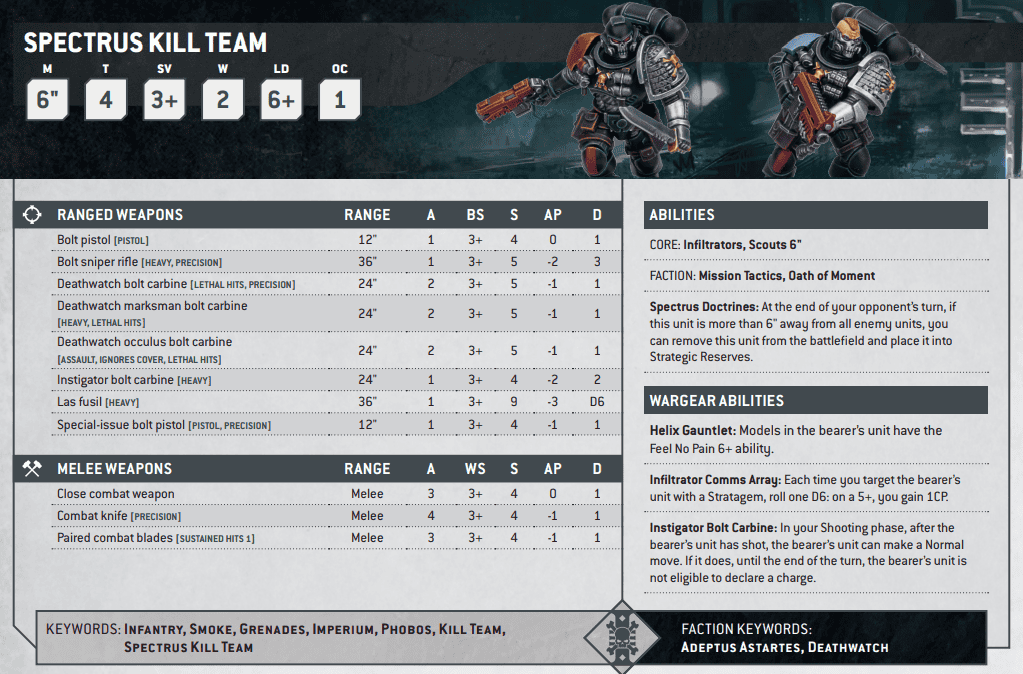
- Fast infiltrators with Infiltrators and Scouts 6”.
- Can redeploy into Strategic Reserves if more than 6” away at the end of the opponent’s turn.
- Wargear like the Helix Gauntlet (Feel No Pain 6+) and Infiltrator Comms Array (potential CP refund) adds utility.
- Role: early board control and mission pressure without committing your whole army.
- Best targets: light units on objectives and anything relying on positioning safety.
- Best combo: use teleport and redeploy pressure to force bad screens, then cash in with your ammo turn.
Indomitor Kill Team (Role, Targets, Combo)
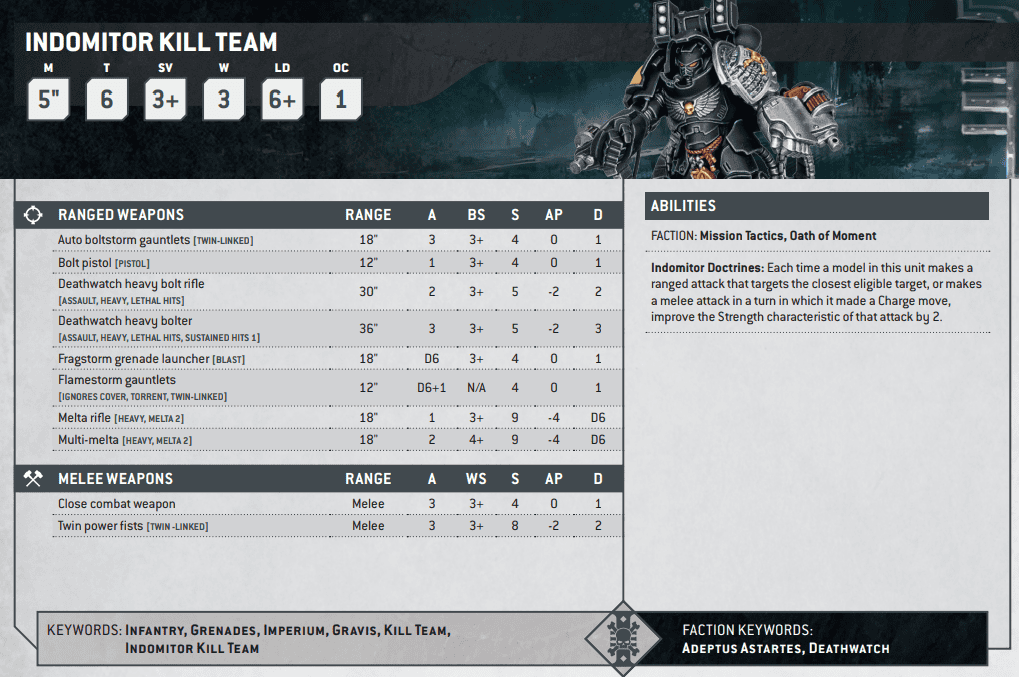
- Tough Gravis Marines with T6, W3.
- Doctrine boosts Strength by +2 for ranged attacks against the closest target or melee attacks after a Charge.
- Excellent mid-range firepower and brawler durability.
- Role: mid-board anchor that holds space while still threatening real damage.
- Best targets: elite infantry, mid-Toughness targets, and anything that expects you to bounce.
- Best combo: pair with Malleus when you need wounds to stick, then layer a defensive Stratagem to survive the clapback.
Talonstrike Kill Team (Role, Targets, Combo)
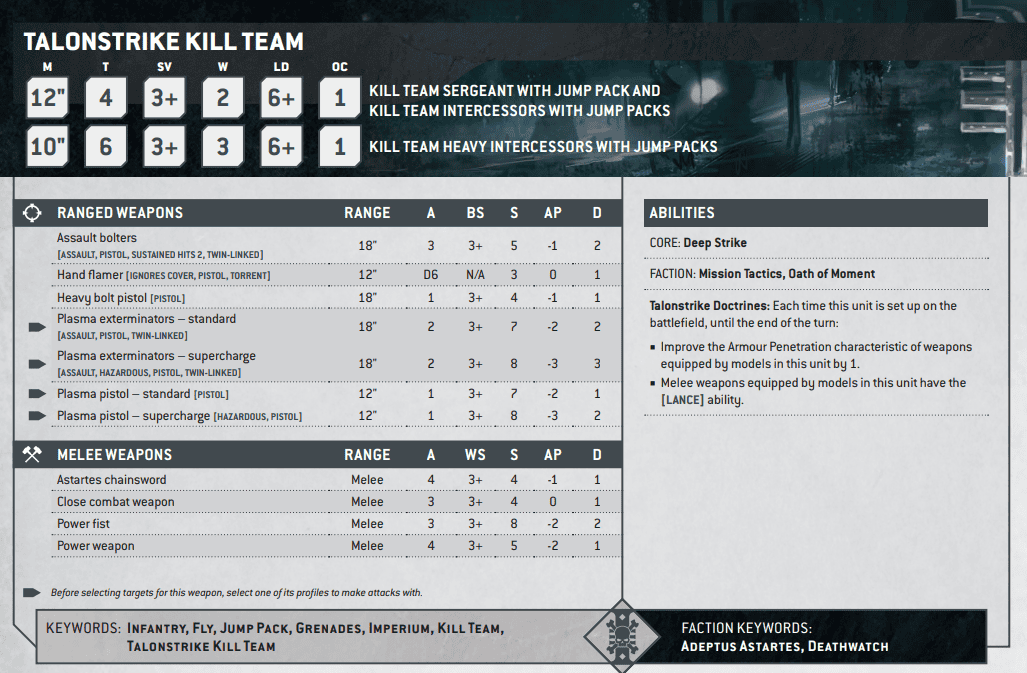
- Deep Striking jump pack unit with high mobility.
- On deployment, all weapons gain +1 AP, and melee weapons get Lance.
- Perfect for aggressive plays and backline disruption.
- Role: backfield threat and tempo unit that forces your opponent to screen honestly.
- Best targets: fragile scoring pieces, exposed shooters, and isolated objective holders.
- Best combo: Rapid Ingress timing plus Kraken Rounds pressure to delete something and then vanish behind terrain.
Corvus Blackstar (Delivery, Pressure, Scoring)
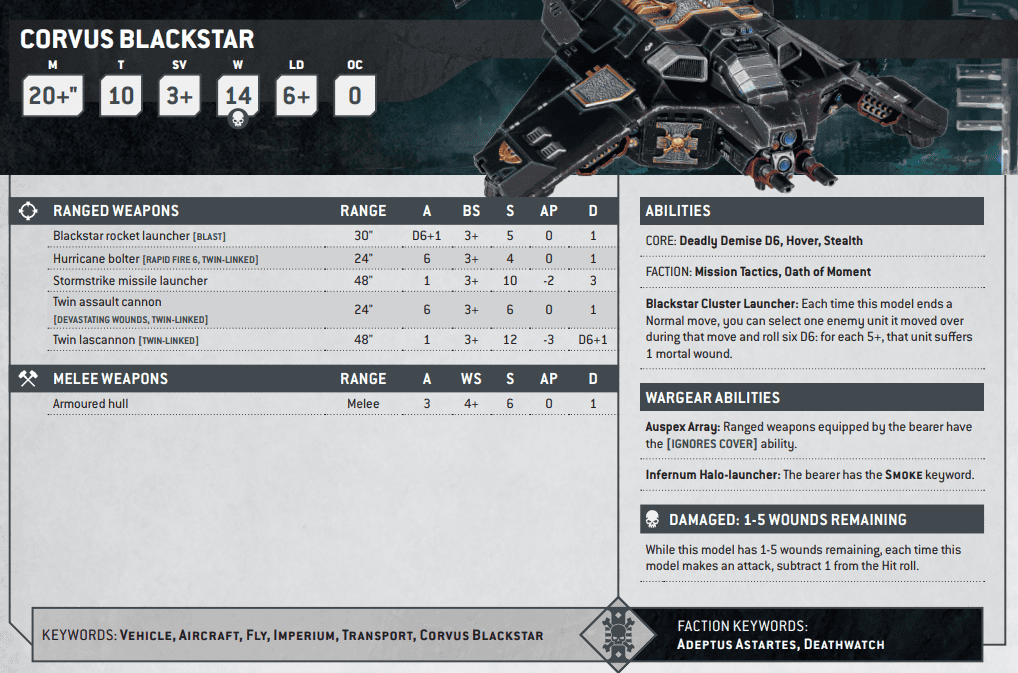
- T10, W14, makes it hard to bring down.
- Blackstar Cluster Launcher deals mortal wounds to units it flies over.
- Auspex Array grants Ignores Cover, while Infernum Halo-launcher adds Smoke.
- Delivery function: gets a key Kill Team where it needs to be without wasting turns walking.
- Pressure role: forces the opponent to respect angles and the threat of a drop-and-delete turn.
- Scoring utility: repositioning and threat projection help you swing late-game objectives.
Deathwatch Terminators (Durability, Threat, Matchups)
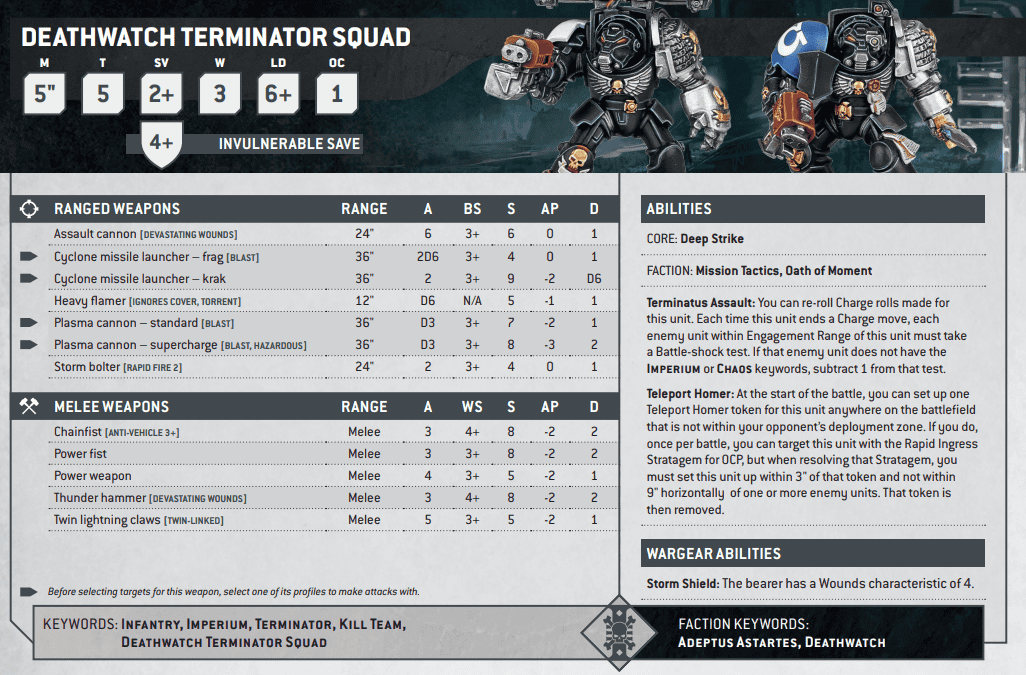
- Classic deep-strike veterans with Storm Shields and heavy firepower.
- Terminator Assault lets them re-roll Charges and force Battle-shock on units they engage.
- Teleport Homer allows precise Rapid Ingress plays.
- Loaded with plasma cannons, cyclone missile launchers, heavy flamers, and melee hammers or claws.
- Durability: solid defensive profile that can survive long enough to matter.
- Threat profile: flexible loadouts let them pressure multiple target types.
- Best matchups: opponents who cannot screen well or who rely on a single backfield castle.
Deathwatch Veterans (Core Utility, Loadouts, Traps)
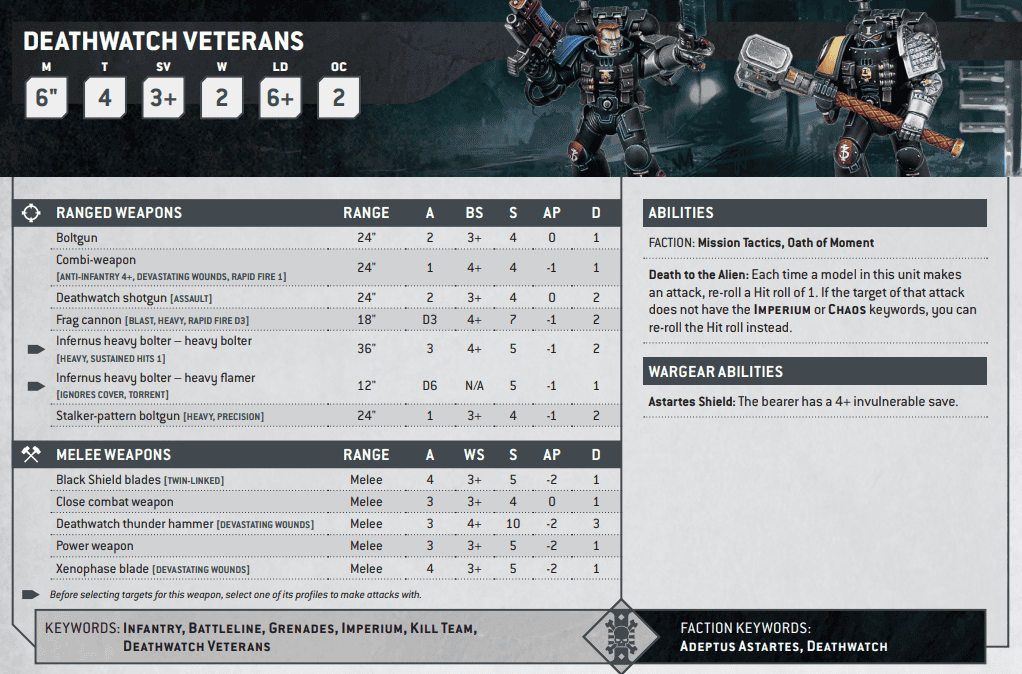
- Death to the Alien: Re-roll Hit rolls of one, or all Hits against non-Imperium or Chaos targets.
- Astartes Shields grant a 4++ save.
- Can pack bolters, combi-weapons, frag cannons, infernus heavy bolters, stalker-pattern boltguns, or exotic melee weapons.
- What they do: flexible core that can be tuned to your local meta.
- Suggested loadout approach: decide whether this unit is “shooting problem solver” or “mid-board bully,” then commit the kit to that job.
- Common traps: trying to make one unit do everything, then realizing it does nothing well.
Watch Captain Artemis (When He’s Worth It)

- Hellfire Extremis: D6 shots at 12”, anti-infantry, ignores cover.
- Tactical Instinct: Grants Lethal Hits to his unit.
- Unstoppable Champion: On a 2+, stands back up after being destroyed, with one wound.
- Melee weapon hits hard with WS2+, S5, AP-2, D2.
- What list archetype wants him: lists that want a lethal, aggressive leader for a pressure unit.
- What he enables: reliable wound output plus annoying survivability that can steal a late turn.
- When to skip: if you need points for bodies, scoring, or another delivery option.
Watch Master (Anchor Buffs + Best Pairings)
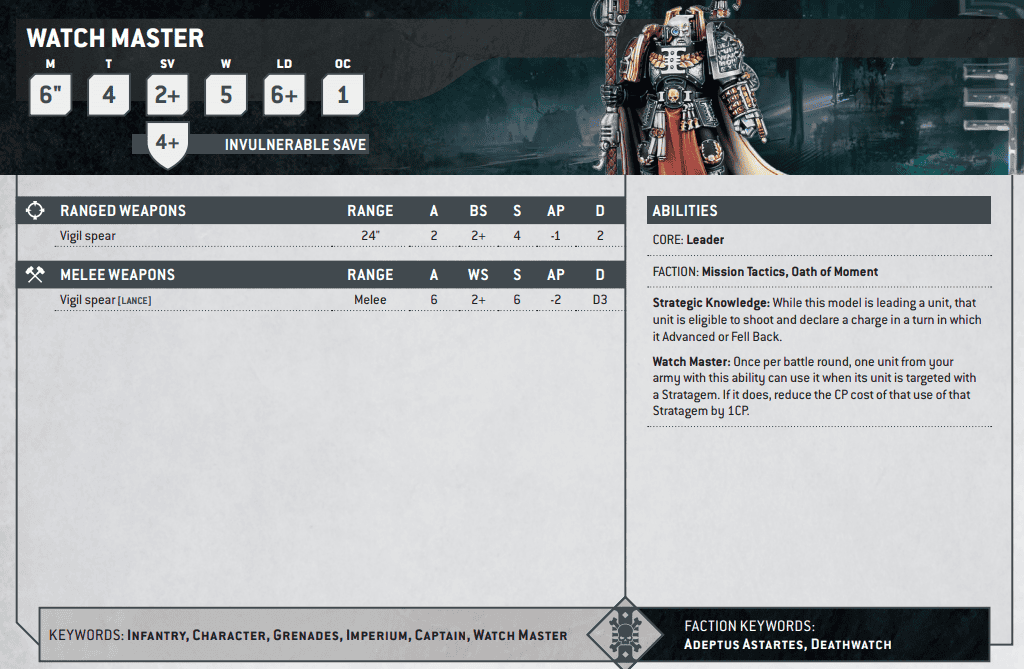
- The big boss of the Deathwatch.
- 2+/4++ with Vigil Spear that can shoot or fight.
- Strategic Knowledge: His unit can shoot and charge after Advancing or Falling Back.
- Watch Master: Once per round, reduce CP cost of a Stratagem by one.
- Melee Vigil Spear packs S6, AP-2, D3 with Lance.
- What he provides: a reliable anchor that makes your best unit more consistent and your CP more efficient.
- Best pairings: whichever Kill Team you plan to spike with on the key turn.
- Positioning tip: keep him close enough to influence the fight, but not so exposed that the opponent can trade him away early.
Deathwatch 40k FAQ (Rules, Downloads, Basics)
Is Deathwatch a codex army in 10th Edition right now?
Not in this version. These rules are presented as an Index with the Black Spear Task Force detachment.
What makes Deathwatch different from other Space Marines?
Kill Teams, ammo Stratagems, and Mission Tactics. You play fewer bodies, but you get more “right tool” moments.
When should I use Mission Tactics?
Use them on the turn where converting damage wins the game state: cracking a brick, deleting a key piece, or sniping a character that holds the plan together.
What is the biggest beginner mistake with Deathwatch?
Spending CP because you can. Save it for turns where ammo and Mission Tactics stack and actually change the trade.
Are Kill Teams hard to play?
They reward planning more than muscle memory. If you like sequencing and solving problems, they feel incredible.
Where can I download the official rules?
Games Workshop’s official Warhammer Community downloads page has the faction downloads and updates.
Are the Tomb World Kill Teams worth building around?
Fortis gives you flexible pressure, Decimus gives you consistent brutality into the right targets. They shine most when you build a plan around their timing.
Do I need a Corvus Blackstar?
You do not need it, but delivery tools matter in an elite army. If you struggle to get your Kill Teams into the right fights, it gets more attractive fast.
Final Thoughts on the Deathwatch Index (10th Edition)
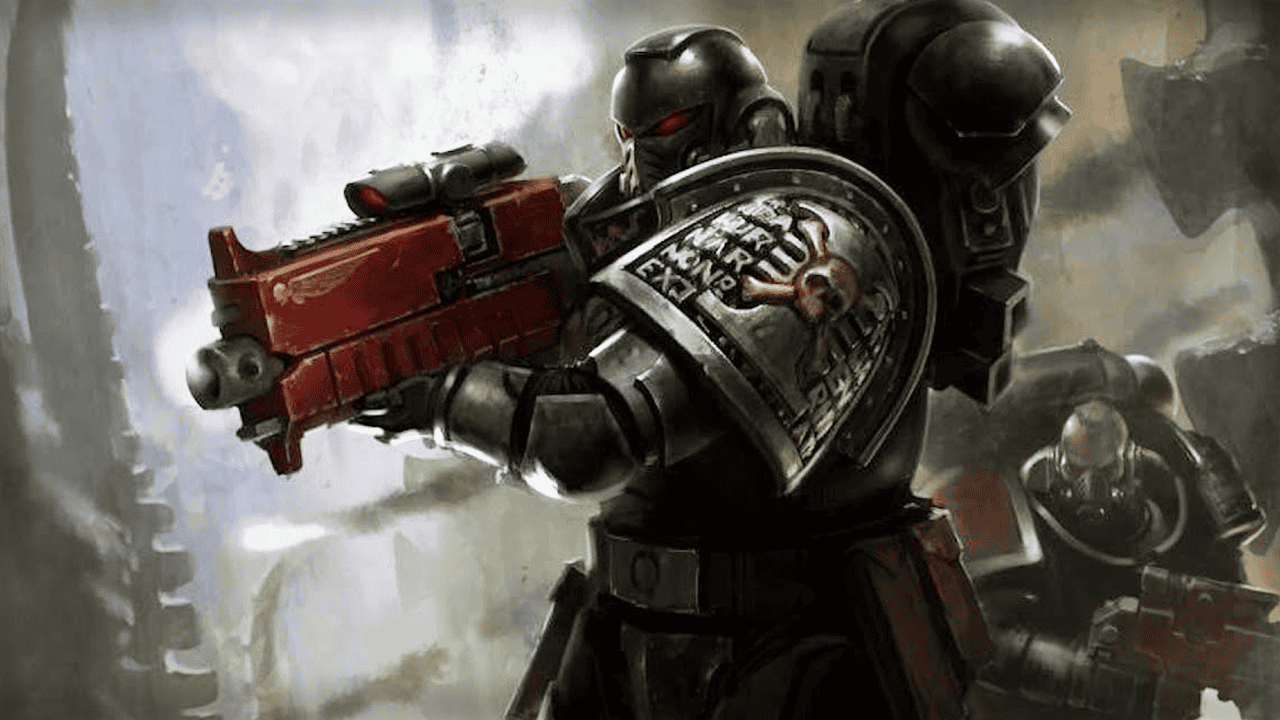
The Warhammer 40k Deathwatch 10th Edition Index cements their role as the galaxy’s premier xenos-hunters. Their rules give them ammo flexibility, mission-driven power boosts, and Kill Teams that can handle nearly any opponent.
If you’re looking for a force that rewards clever play, has some of the coolest unit customization in 40k, and leans hard into the elite special-ops fantasy, then the Deathwatch Index rules are worth your time.
They’re not the easiest army to master, but once you do, they’ll make you feel like the galaxy’s deadliest hunter.
Where to Download the Deathwatch Index PDF
If you’re looking for the Warhammer 40k Deathwatch Index PDF, Wahapedia is the go-to spot for free reference material, but if you want the official version, art, and all the extras, Games Workshop’s download page is the way to go.
Related Reads:
- Download the Deathwatch 40k Index
- All The New 40k Deathwatch Minis!
- New Faction Pack Changes & FAQS
- Latest 40k Deathwatch Rules Balance Dataslate Updates
- Deathwatch Points Updates
- New Deathwatch Combat Patrol Box