Games Workshop’s MTO pricing reflects secondary market trends, and scalper prices, but is Made to Order sustainable for GW and Warhammer fans?
What is Games Workshop’s Made To Order Program?
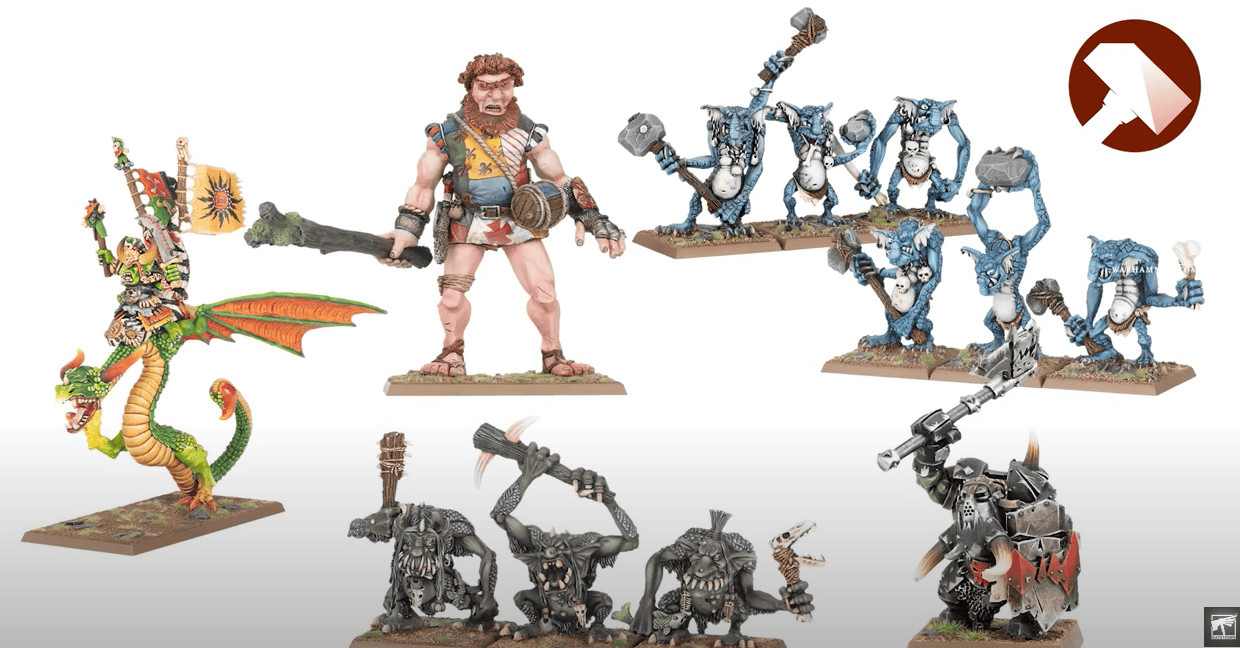 What is Games Workshop’s MTO or Made to Order program? Well, if you’ve ever felt a pang of regret for not snagging that perfect mini back in the day, the periodic MTO offerings might be your redemption arc. This initiative gives hobbyists a chance to buy older, discontinued models, letting you fill those gaps in their collection that may have haunted them for years. Whether it’s a rare Space Marine variant or a grizzled Dwarf warrior, MTO is like opening a time capsule full of Warhammer goodness.
Overview of Games Workshop’s MTO Program: A Walk Down Memory Lane
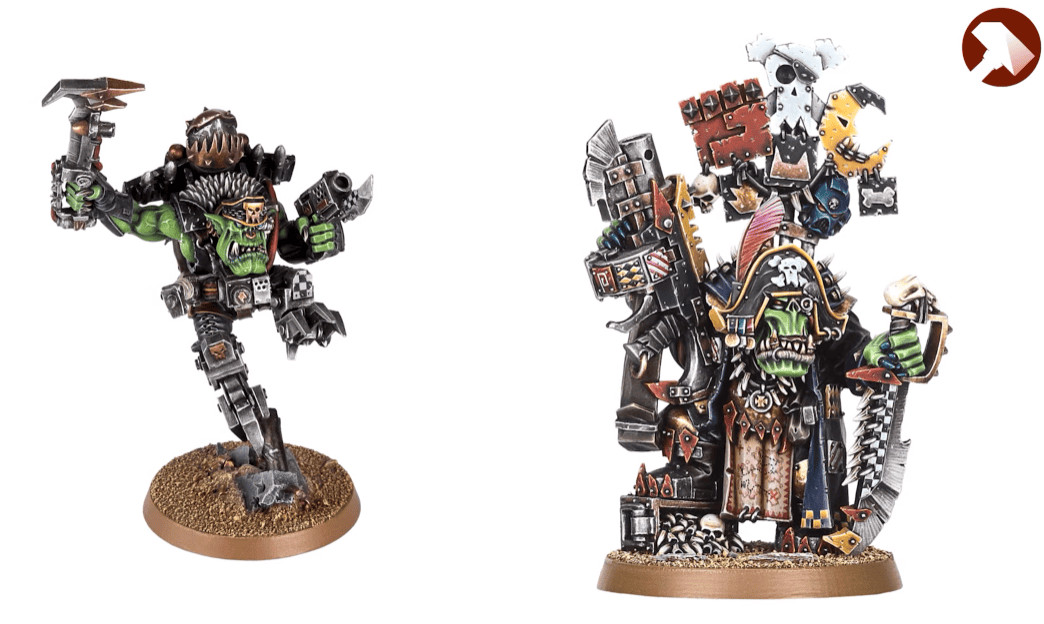 The MTO program is essentially Games Workshop’s way of saying, “Hey, remember those models we stopped making a decade ago? Want another crack at them?” But here’s the kicker: these aren’t just modern recasts. They’re made to order (hence the name), which means once you put in your request, GW will fire up the molds and cast your model fresh. Sure, they’re not new in the sense of design, but they’ve got that old-school charm that modern miniatures just don’t quite capture.
And that’s the beauty of it. There’s a nostalgia factor at play here that tugs at the heartstrings (and wallet). Whether you’re a grizzled hobbyist who’s been rolling dice since Rogue Trader or a newer fan who just wants to see what the fuss is about with these classic designs, there’s something magical about getting your hands on these relics of the Warhammer past.
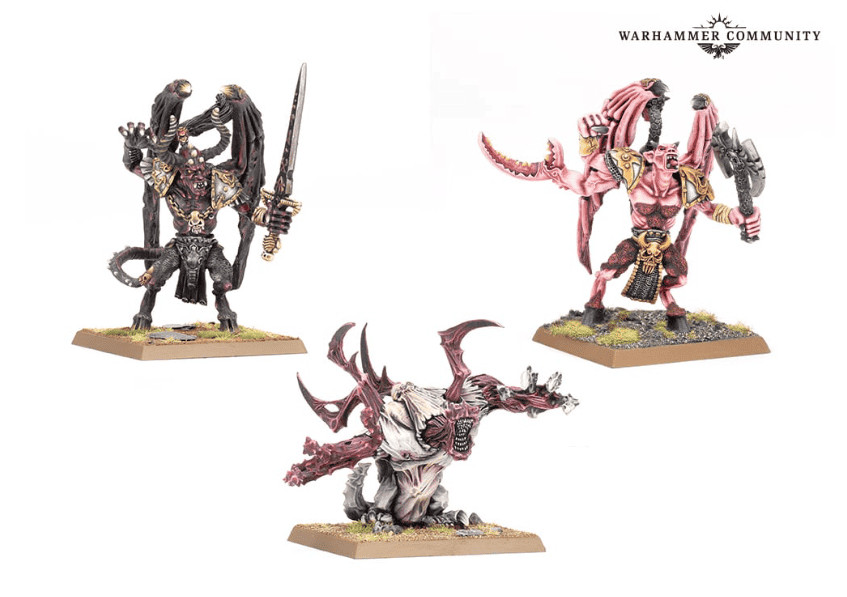
Take, for example, some of the ancient Chaos models, all spikes and snarls, which have a certain clunky charisma compared to today’s sleeker digital sculpts. Or those classic Dwarfs with more beard than body. These models don’t just fill out your armies—they tell a story of the evolution of Warhammer itself.
Price Changes Over the Years: From Bargain Bin to Bank Breaker
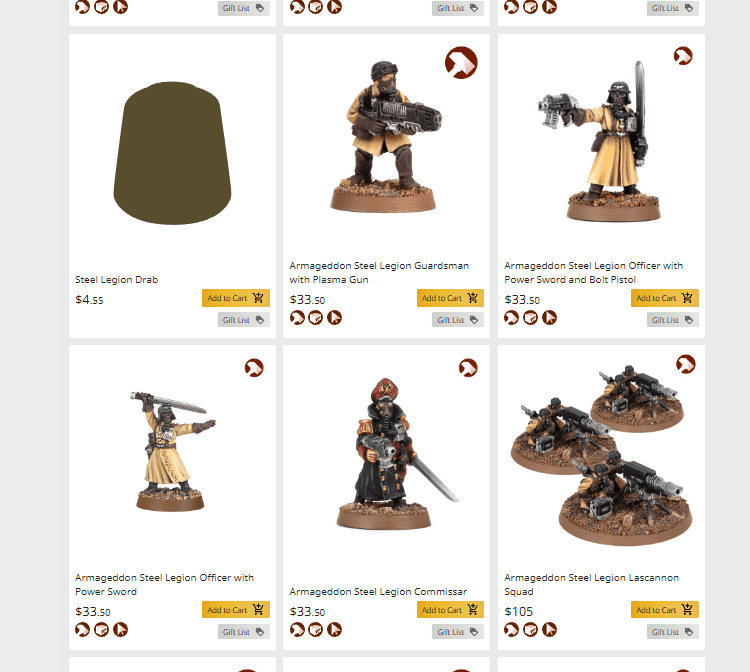
 Once upon a time, collecting Warhammer miniatures didn’t involve raiding your savings. Back in the day (we’re talking the ’90s and early ’00s here), Games Workshop models were priced pretty reasonably. You could buy a couple of models and still afford lunch afterward. Those were simpler times. For instance, the Plasma Gunner, an iconic Imperial Guard staple, used to set you back about $10 for a set of two. Not bad, right? It was practically a steal compared to today’s prices.
And let’s talk, officers. You know the ones: those swaggering, finely detailed models with a steely gaze that could command whole armies. You could pick up one of those fellas for under $10. That’s right. A ten-spot would get you an officer with enough personality to lead your entire regiment, and you’d still have change for a White Dwarf magazine.

But oh, how times have changed. Fast-forward to the modern day, and those same models—now reissued through MTO—are costing far more than you’d expect. Sure, inflation’s a thing, and metal’s not getting any cheaper, but the jump from yesteryear’s prices to today’s can be a little… jarring. A Plasma Gunner for $33? Ouch. It’s like GW looked at the nostalgia-fueled desire to own these models and thought, “Let’s see just how badly they want them.”
Of course, there’s more to it than pure greed. Production costs, limited runs, and the appeal of exclusivity all play their part. But for long-time collectors, it’s hard not to feel a little nostalgic for when Warhammer wasn’t quite so punishing on the wallet.
So, while the MTO program is a fantastic way to revisit the classics, it’s clear that the prices have leveled up a bit since their original release. Whether or not that’s justified? Well, that’s a debate for another day. For now, we can appreciate that these iconic models are still available—if we’re willing to pay the price for our nostalgia.
The Shift in Games Workshop’s Pricing Approach
 If you’ve been paying attention to Games Workshop’s recent Made to Order (MTO) releases, you might’ve noticed something that hits harder than a Warlord Titan’s stomp: the prices. For longtime fans who remember when you could snag a whole box of miniatures for less than the cost of lunch, the current MTO price tags are enough to make you spit your tea in disbelief.
Let’s face it: everyone expected a little price bump. After all, inflation is real, and Games Workshop isn’t immune to the rising cost of doing business. But the kind of increases we’ve seen in recent MTO waves have left many fans feeling like they’ve walked into an auction they weren’t invited to.
The Rising Prices in Recent MTO Releases: Games Workshop Wants a Piece of That Scalper Money
 Recent MTO offerings have sparked heated discussions across hobby forums, gaming tables, and hobby stores alike. Nostalgia is a powerful thing, and Games Workshop knows it. Fans were thrilled when they brought back some long-lost models, but when the price tags landed, it was a different story. The models that many had hoped to add to their collection suddenly felt a bit more out of reach.
For example, when a single Plasma Gunner—yes, just one—was priced at $33, a few eyebrows were definitely raised. The same goes for other models in the MTO lineup. Where a pack of miniatures might have cost you $15 to $20 back in the day, you’re now looking at close to $80 for a small squad of 5-10 models.
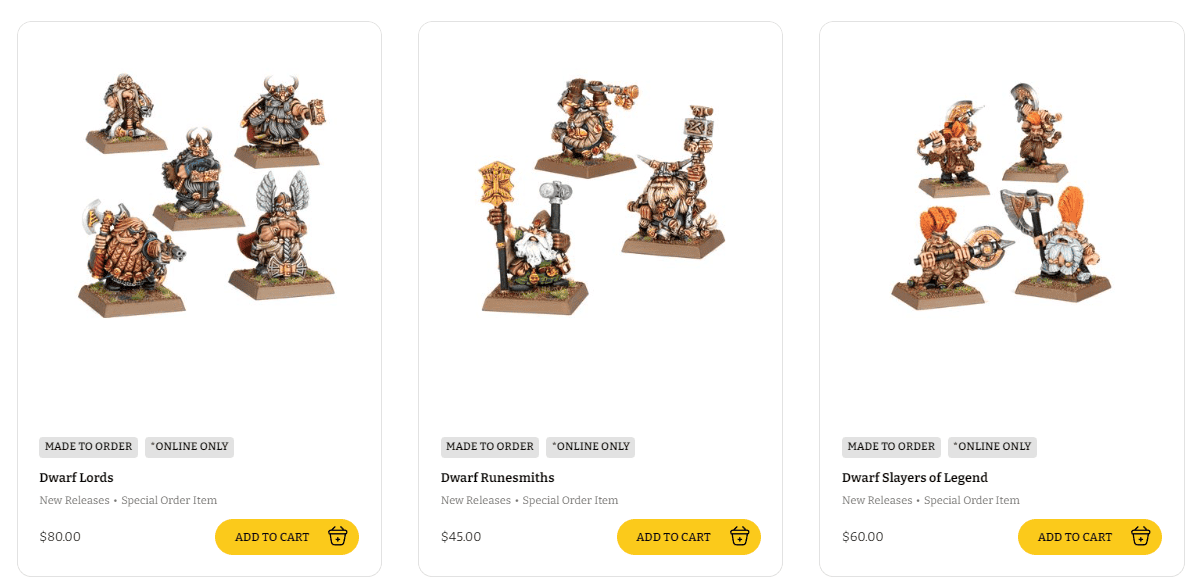 Then, these Dwarf characters (while you get a few in the box) are old metal models, and even though they are characters, getting four or five old metal models for $60-$80 is a hard pill to swallow.
This price jump left some fans scratching their heads. Surely, the process of bringing these models back into production couldn’t account for such a steep increase, right? Especially when we’re talking about older sculpts, not cutting-edge new releases. But that’s where the story gets interesting.
Models Priced Based on the Secondary Market
Here’s the twist: it seems like Games Workshop has taken a look at the secondary market, where older models sell for prices that would make an Ork Warboss think twice. Platforms like eBay have long been a go-to for collectors who missed out on discontinued miniatures. But these models often sell for way more than their original retail price, sometimes going for two, three, or even ten times what you’d expect to pay back in the day.
Analysis of eBay and Secondary Market Trends
And it’s not just the rare stuff, either. Everyday models—those that you could once find in the back of your local game store—have found new life (and new price tags) in online auctions. It’s not uncommon to see older Warhammer figures selling for ridiculous amounts as collectors battle it out for the last remaining pieces of Warhammer history.
It seems Games Workshop has taken notice. Why let the secondary market have all the fun (and profit)? MTO prices now appear to be mirroring what these models fetch on eBay and similar platforms. It’s like they’ve seen what fans are willing to pay and thought, “Why not make that the baseline?”
Examples of MTO Models Following Secondary Market Pricing
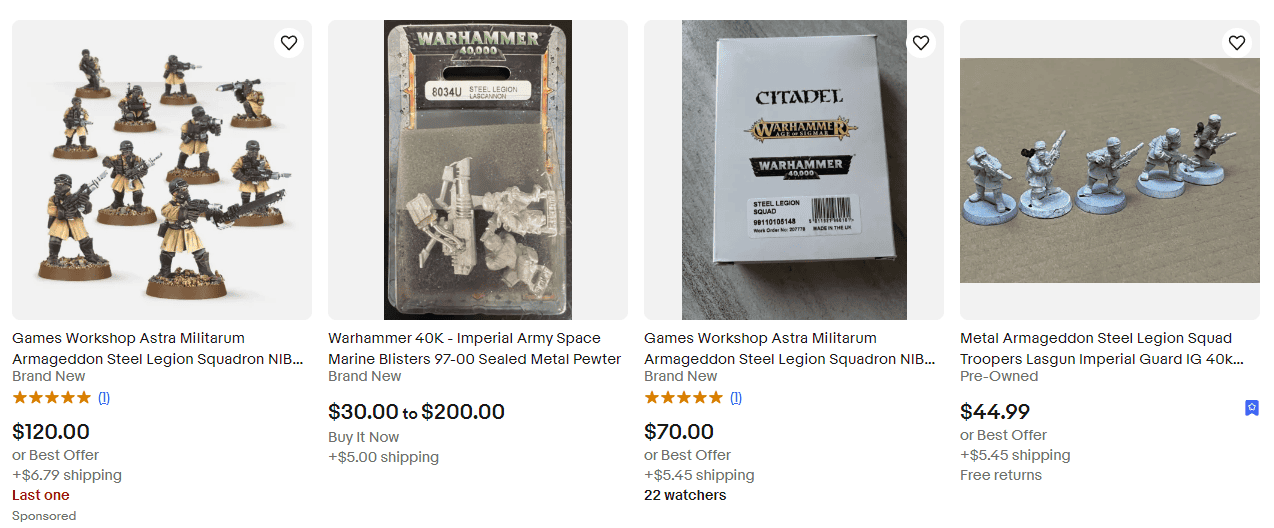 Let’s take a closer look. A single Lieutenant, once priced at $15 for a set of two, now fetches $31 for one. That’s not inflation—that’s like GW taking notes from eBay. And what about those iconic Lascannon teams? Back in the day, you could have bought them without too much financial pain. But today, 5-10 models from the MTO line will set you back close to $80, a sharp rise from their original prices.
To be fair, it’s not like these models are popping up all the time. There’s a definite appeal in getting your hands on these iconic sculpts, especially if you’ve got a soft spot for Warhammer’s past. But as the prices continue to climb, it’s hard to shake the feeling that Games Workshop is keeping a very close eye on how much these models are selling for in those wild eBay bidding wars.
The Impact of Games Workshop’s Pricing on the Customer Base
 A Niche Market for Premium Priced Models
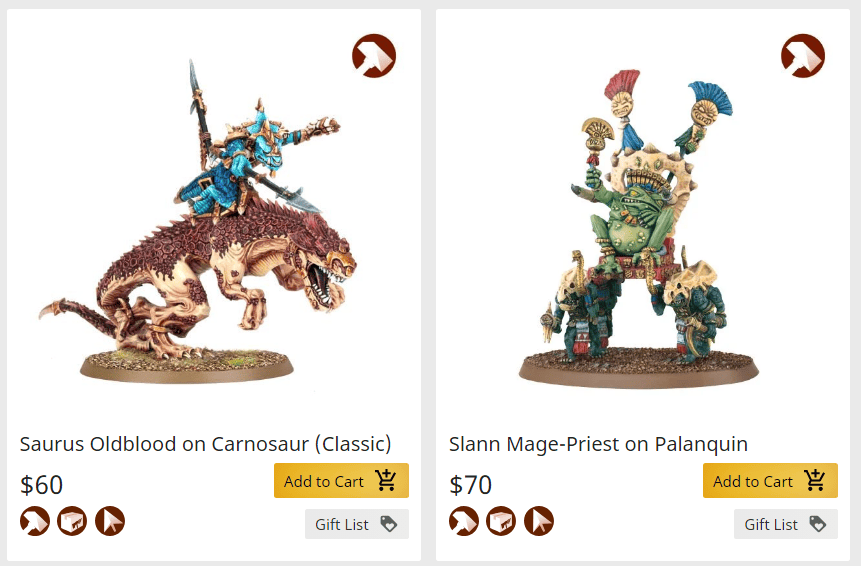
Let’s be real: not everyone is rushing to drop $80 on a few old metal models. The current pricing strategy seems to target a specific niche—the hardcore collectors and die-hard fans who are willing to pay top dollar to relive their Warhammer glory days. These are the people who see the model and think, “I have to have it, no matter the cost.”
The pricing is justifiable for those with disposable income and a nostalgic drive. After all, it’s a limited run, and the value is partly in the exclusivity. But this niche appeal doesn’t work for everyone.
The Risk of Alienating Casual Fans
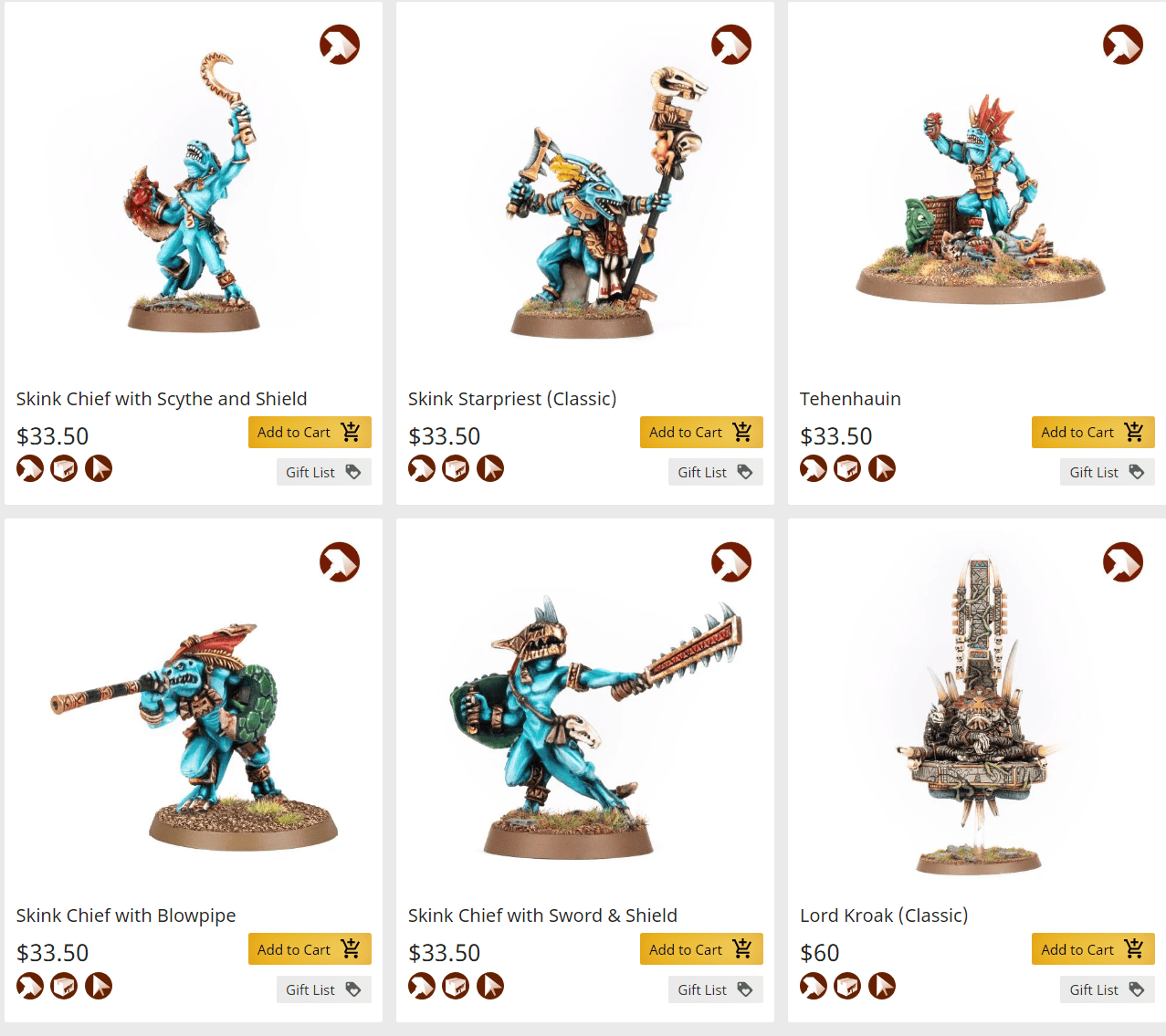 While hardcore fans might be able to justify these prices, casual players and newcomers are left scratching their heads. At a time when Warhammer is growing and attracting a new generation of players, the idea of paying $35 for a single old model feels… well, a bit much. And as these prices continue to climb, it risks alienating potential fans who are just getting started and aren’t quite ready to sell their soul to afford an army.
The Future of Games Workshop’s MTO Pricing and New Systems Like Warhammer: The Old World
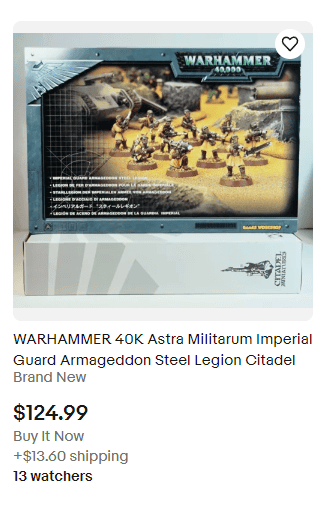
So, what does this all mean for the future? It seems likely that GW will continue basing their prices on what models are going for in the secondary market. After all, they’ve seen how much people are willing to pay. The question is: will the prices keep climbing, or will there be a limit? Now, with the prices being higher on GW’s site, they are also rising on the secondary market (as you can see above).
Potential Long-Term Pricing Trends & Continuing to Follow the Secondary Market?
It’s entirely possible that future MTO releases, as well as upcoming systems like Warhammer: The Old World, could continue this trend of matching (or even exceeding) secondary market prices. And if that happens, we might start seeing some pretty outrageous figures on the price tags.
The Risks of Inflating Prices Further
The real danger here is that if MTO prices keep inflating, GW could end up pricing out a significant portion of its customer base. Sure, the hardcore collectors might stick around, but at what cost? If the prices become too ridiculous, even the most dedicated fan might think twice before making a purchase. After all, there’s only so much nostalgia a wallet can handle.
All the Latest Warhammer Rules & Model Rumors
What do you think of all the Warhammer Made to Order (MTO) prices for the past couple of years from Games Workshop (GW)?