Here’s how Sanguinius’ bonds and rivalries with fellow Primarchs shaped his heroic legacy in Warhammer 40k, from close allies to unforgettable conflicts.
Sanguinius, the winged Primarch of the Blood Angels, was one of the Emperor’s loyal sons, and he died fighting Horus aboard the Vengeful Spirit.
From his early days on Baal Secundus to leading the Blood Angels through the Horus Heresy and defending Terra, Sanguinius had plenty to deal with. And his story didn’t end with his death, either. His sons are still dealing with what he left behind, while his relationships with the other Primarchs, both the friendships and the rivalries, played a huge part in how things turned out. But to really understand Sanguinius, you have to start with where he came from and the secrets he spent his life trying to hide.
Sanguinius at a Glance
Updated on November 4, 2026, by Rob Baer with more on Sanguinius’ origins, Signus, the Siege of Terra, his legacy, and his miniature.

- Identity: Sanguinius, Primarch of the IX Legion
- Title: The Angel (also known as the Great Angel)
- Homeworld: Baal Secundus
- Legion: Blood Angels
- Allegiance: Loyal to the Emperor
- Death location: Aboard the Vengeful Spirit, where he died fighting the corrupted Warmaster Horus
Plenty of people think it, but was he the GOAT Primarch? Plenty of his fellow Primarchs thought pretty highly of him, and the lore makes that clear. But being everyone’s favorite doesn’t automatically make him better than every other son of the Emperor.
If you’re having that argument at your LGS, his track record matters more than his reputation. And that story starts on a radiation-blasted moon.
Baal Secundus and Leadership of the Blood Angels
 Sanguinius’ gestation capsule landed on Baal Secundus, a radiation-soaked moon where human survivors were barely getting by with mutant tribes all around them. A clan called the Blood took in the winged baby, and he grew up fast (because, well, Primarchs). Before long, he was fighting the mutants who’d been terrorizing his adopted people for generations.
And that’s where his famous compassion really started. Nobody sent him on some grand crusade to protect the Baalites. They were his people, simple as that. By the time the Emperor showed up, Sanguinius was already their protector and pretty much their best shot at surviving.
When the Emperor finally reached Baal, Sanguinius pledged himself to his father and took charge of the Blood Angels. He made the same kind of promise to his new Legion that he’d made to the Blood. And he treated his sons the same way he’d treated those tribesmen, like people worth protecting, not just weapons to throw at the next planet.
Sanguinius and the Emperor
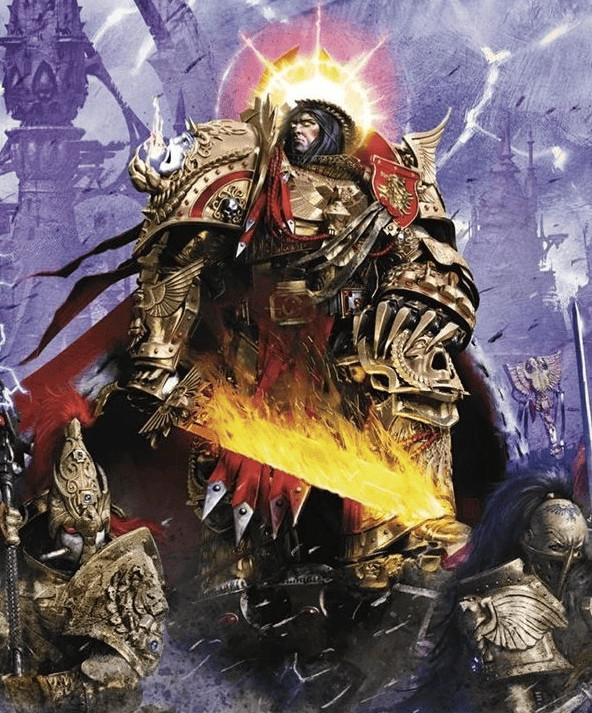
Sanguinius’ relationship with the Emperor was built on more than just loyalty. Sure, he followed his father’s orders and took command of the Blood Angels, but he also brought his own ideas about leadership. He cared about the people under his command, and that was a big part of what made him stand out among his brothers.
Wings, Foresight, and the Red Thirst

Sanguinius’ wings aren’t just for show. He could actually fly, which made him a serious problem for anyone fighting him and meant the Blood Angels had a Primarch who could lead the charge from above.
His foresight was another story. Sanguinius saw visions of the future, whether he wanted to or not, and they didn’t exactly show up when it was convenient. He knew bits and pieces of what was coming, including hints about his own death, but not the whole story. Obviously, It shaped a lot of his decisions and made his whole story pretty tragic.
Then you’ve got the Legion’s big secret. The Blood Angels had the Red Thirst, a hunger for blood built right into their gene-seed, and Sanguinius did everything he could to keep the wider Imperium from finding out. That was a whole different problem from his wings or his visions, and it eventually put his sons in some serious danger.
Horus, the Blood Angels’ Secret, and Signus
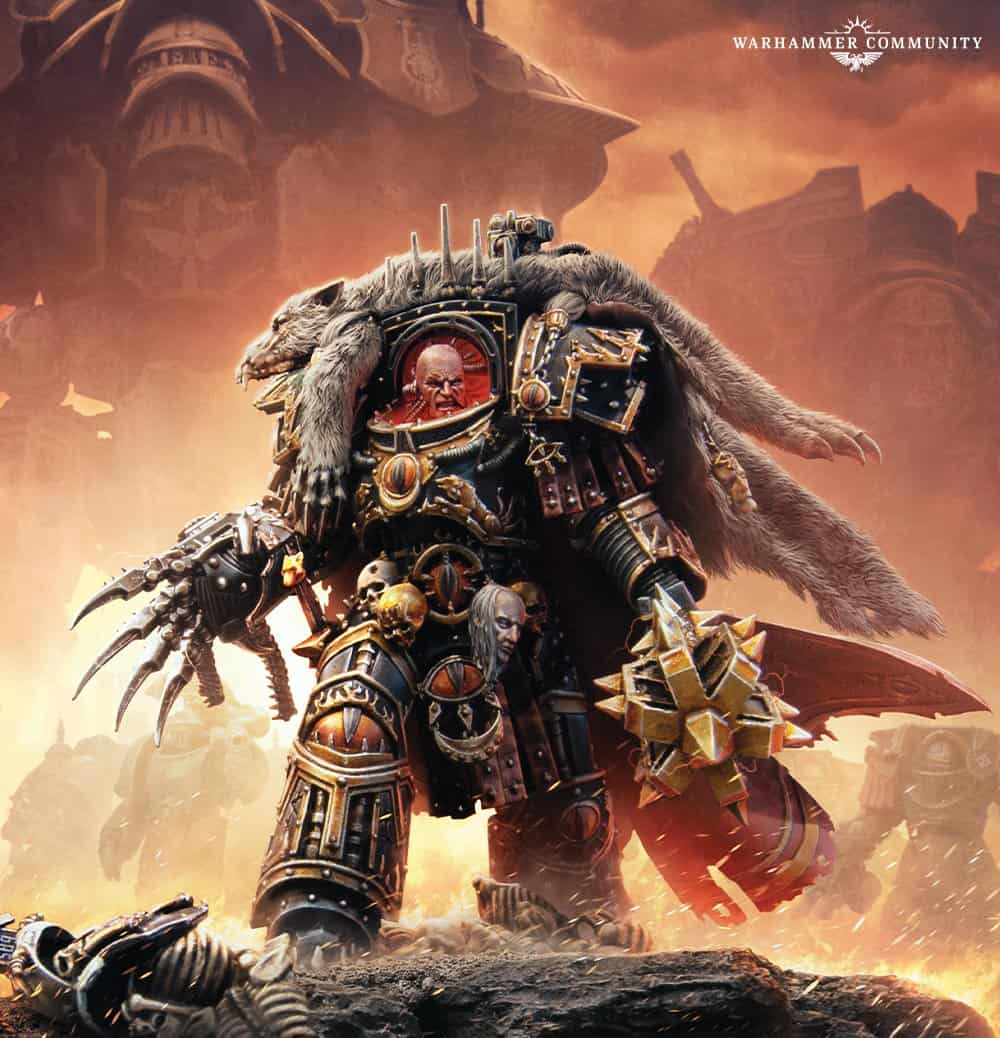
Here’s the thing: Horus knew about the Red Thirst. That makes his betrayal a lot more personal than just choosing the other side in a war. This was the brother who’d helped Sanguinius hide his Legion’s biggest secret, only to turn around and try to use it against them.
Sanguinius and Horus

The relationship between Sanguinius and Horus Lupercal, the once-beloved Warmaster, is perhaps the most tragic tale in Warhammer 40k. Initially, he and Horus shared a close friendship, with Sanguinius admiring Horus’ charisma and tactical genius.
And Horus felt the same way about him. Sanguinius was one of the few brothers Horus actually listened to, and he advised him throughout the Great Crusade. Horus was also one of the few people outside the Blood Angels who knew about their hidden flaw and kept it a secret.
The Signus Trap

When the Heresy kicked off, Horus sent the Blood Angels to the Signus Cluster. Sounds like another assignment, right? Nope. It was a trap built around everything Horus knew about them. The Bloodthirster Ka’Bandha was waiting, and the whole idea was to expose the Legion’s secret thirst and turn the Blood Angels to corruption.
And it almost worked. Ka’Bandha nearly broke Sanguinius himself, and the Legion paid a terrible price to make it out without losing its soul. The Sanguinary Priest Meros and his sacrifice were a huge part of why they survived. If you’re looking for the moment Sanguinius stopped thinking of Horus as his brother, this is probably it.
Sanguinius and His Brothers: Alliances and Conflicts
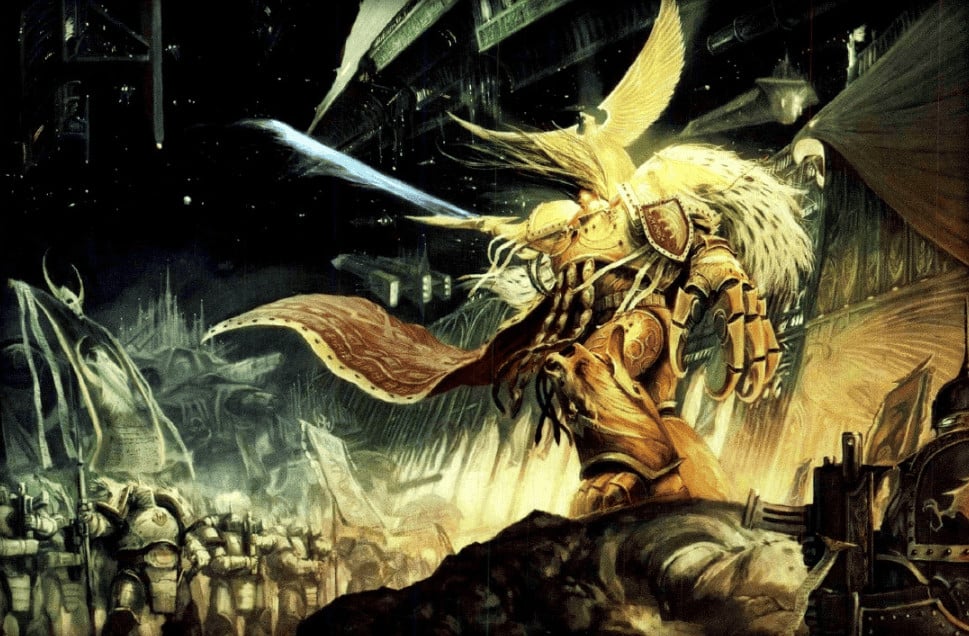
Want to understand his friendships with the other Primarchs? Look at what they actually went through together. And few things tested those relationships more than the empire Guilliman put together while Terra was cut off.
Guilliman, the Lion, and Imperium Secundus

With the Ruinstorm cutting off Ultramar and the Astronomican gone dark, Roboute Guilliman, the Primarch of the Ultramarines, thought Terra might already be gone. So he set up Imperium Secundus as a backup Imperium and made Sanguinius its Emperor Regent. Did Sanguinius want the throne? Not really. Did he take the job anyway? Yep, and that tells you a lot about him.

Then Lion El’Jonson, the Primarch of the Dark Angels, showed up, and things got awkward pretty quickly. He didn’t trust Guilliman, Guilliman didn’t trust him, and Sanguinius was stuck in the middle trying to keep their political arguments from turning into an actual fight between Legions.
Once they found out Terra was still standing, Imperium Secundus was done, and the brothers headed back toward the Throneworld. A lot of fans call the whole thing a mistake, and fair enough. But it’s also one of the few times we get to see Sanguinius trying to rule and keep the peace instead of just fighting everything in sight.
Curze and Conflicting Responses to Fate
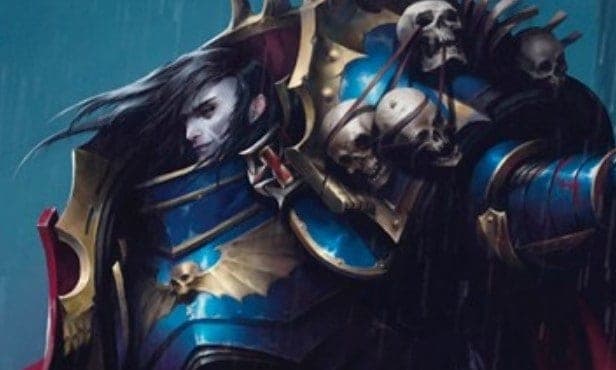
Konrad Curze might be the most uncomfortable comparison you can make with Sanguinius. Both brothers could see the future, but they handled it completely differently. Sanguinius kept trying to fight what he saw. Curze pretty much decided his visions were set in stone and used them to justify being cruel.
Things finally blew up during Imperium Secundus. Sanguinius confronted Curze, Curze ended up on trial, and Sanguinius eventually let him go instead of executing him. Fans still argue about whether that was the right move. To us, it comes down to Sanguinius refusing to let some vision decide what he was going to do.
Dorn, Russ, and the Khan

Not every friendship needed some huge disaster to prove it mattered. Leman Russ and Jaghatai Khan were both among Sanguinius’ closest friends. And that’s saying something, because neither the Wolf King nor the Khan was exactly handing out friendship bracelets to everybody.
Rogal Dorn was a different story. Once the traitors got to Terra, Dorn was running the defense, and Sanguinius worked within his plans, fighting wherever Dorn needed him most. That teamwork carried right into the siege.
The Siege of Terra and Sanguinius’ Death
Sanguinius’ final days took him from the walls of the Imperial Palace to the Eternity Gate and eventually onto Horus’ own flagship. So how did it all go down?
Eternity Gate and Angron

Ka’Bandha showed up at the Eternity Gate looking for another round, but this time Sanguinius came out on top. That settled things after Signus, and then he had another fight waiting for him almost immediately.
Next up was Angron. The daemonic Primarch of the World Eaters fought Sanguinius in the skies above the gate. Sanguinius ended the fight by ripping the Butcher’s Nails out of his brother’s skull. Yeah, that’s a rough one, especially when you remember those Nails were such a huge part of what turned Angron into the monster he’d become.
The Final Confrontation with Horus
When Horus lowered the Vengeful Spirit’s void shields, the Emperor led the boarding attack, but Sanguinius reached his old friend first. In the climactic Siege of Terra, he faced Horus alone and was killed before the Emperor arrived. After everything they’d been through during the Great Crusade, it’s a pretty rough ending, especially with Sanguinius standing against the same brother he’d once trusted.
There’s also that old legend about Sanguinius leaving a weak spot in Horus’ armor during their fight, which the Emperor supposedly used later. But that’s still just a legend, not a confirmed fact. Both Fandom and Lexicanum treat it that way, so we’re not calling it settled.
Sanguinius’ Legacy and Resting Place

Sanguinius’ body was brought back to Baal and placed in the Golden Sarcophagus. So his sons actually have a place they can go to remember him, not just stories about what he did.
But there’s a lot more to his legacy than a tomb. The Black Rage forces his sons to relive visions of his final battle, and every Blood Angels successor still has to deal with that curse. Meanwhile, Sanguinala keeps his memory alive throughout the Imperium.
Sure, his relationships with his brothers were a huge part of his story. But what he left behind on Baal and in the blood of his sons is why we’re still talking about him ten thousand years later.
Sanguinius’ Miniature and Wargear
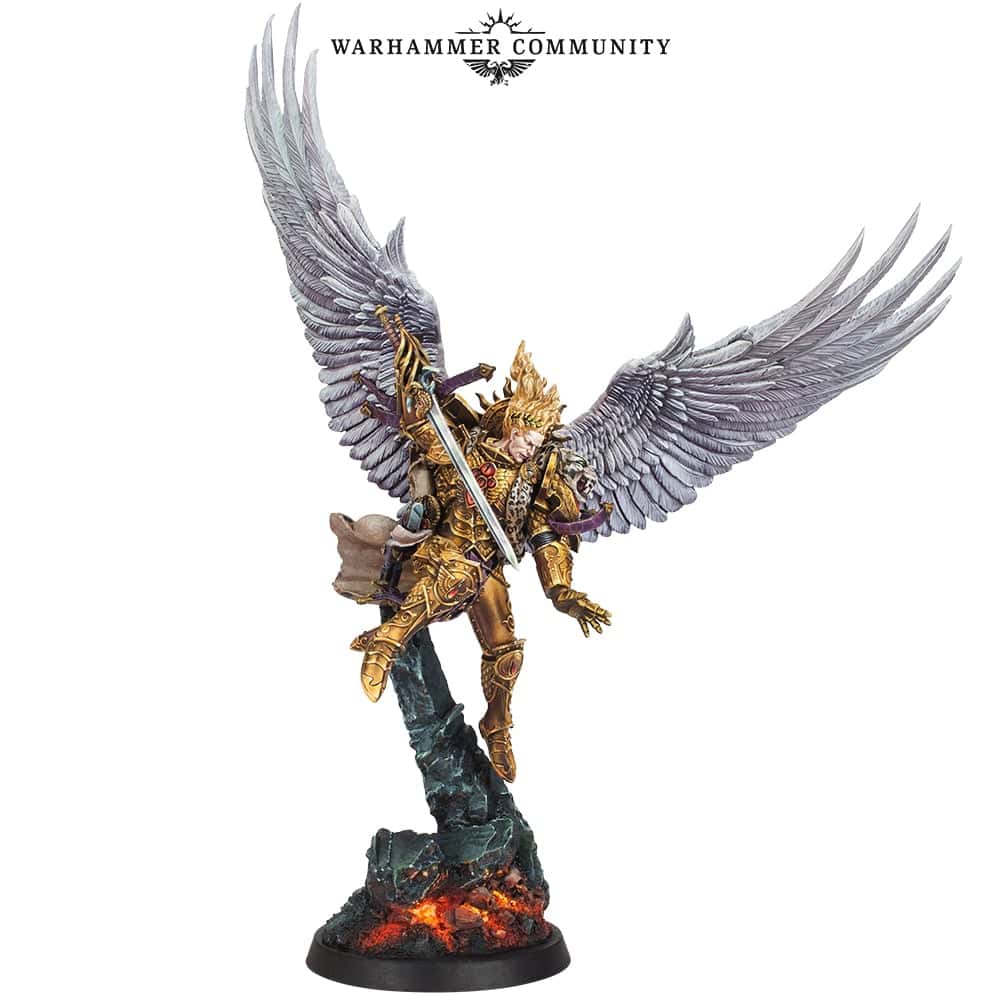
On the tabletop, you’ve got the resin Horus Heresy miniature, with the choice of the Blade Encarmine or the Spear of Telesto. It’s a big centerpiece model, and painting his model is probably something most of us would save for a day when we’re really feeling good about our brush control.
Just don’t confuse that with his action figure. The JOYTOY Sanguinius is a shelf collectible, not a gaming miniature. So no, you’re not putting that guy on a Horus Heresy table.
Sources and Account Differences
For this update, we’ve used Fandom’s Sanguinius biography, Lexicanum’s Sanguinius entry, Wargamer’s Sanguinius guide, and Warhammer’s own Sanguinius miniature page for the lore and product details covered here.
Now, those sources don’t always tell things exactly the same way, and that’s okay. Details about Sanguinius’ foresight and his last fight with Horus change depending on the book. So when something’s a legend, we’ve called it a legend instead of trying to force every version into one story.
Warhammer 40k Factions Explained: A Complete Guide to Every Army
What do you think about Sanguinius and his relationships with the other Primarchs in Warhammer 40k?