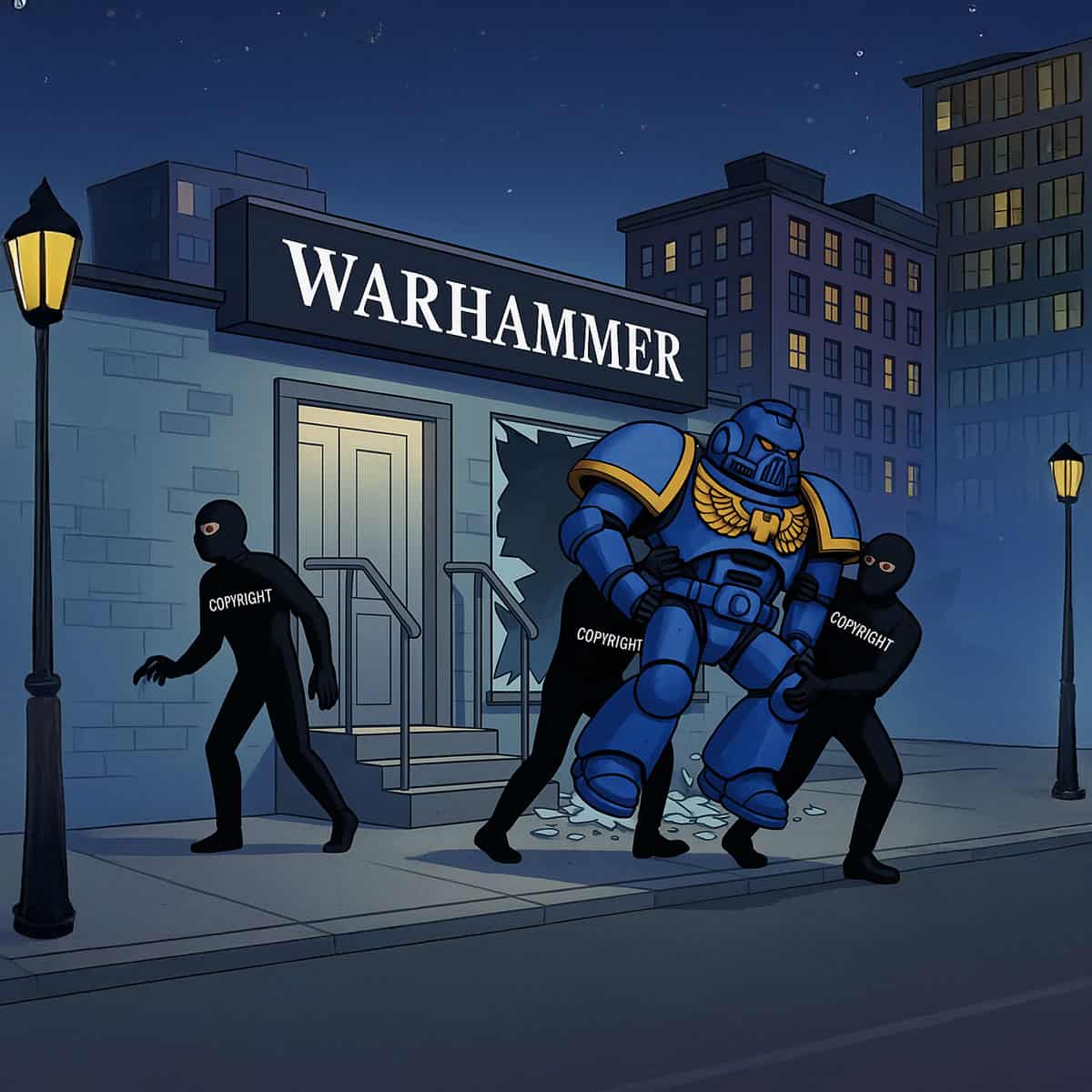
GW tried to take down our 3D-printed Huron Blackheart Warhammer 40k post with a copyright claim on Halloween, even though we weren’t trying to sell it.
That 3D-printed Huron Blackheart was in our February 2026 post for a simple reason: it was exactly what we were talking about in our article. We’ve covered plenty of GW takedowns over the years, but this is the first time one has hit our own reporting.
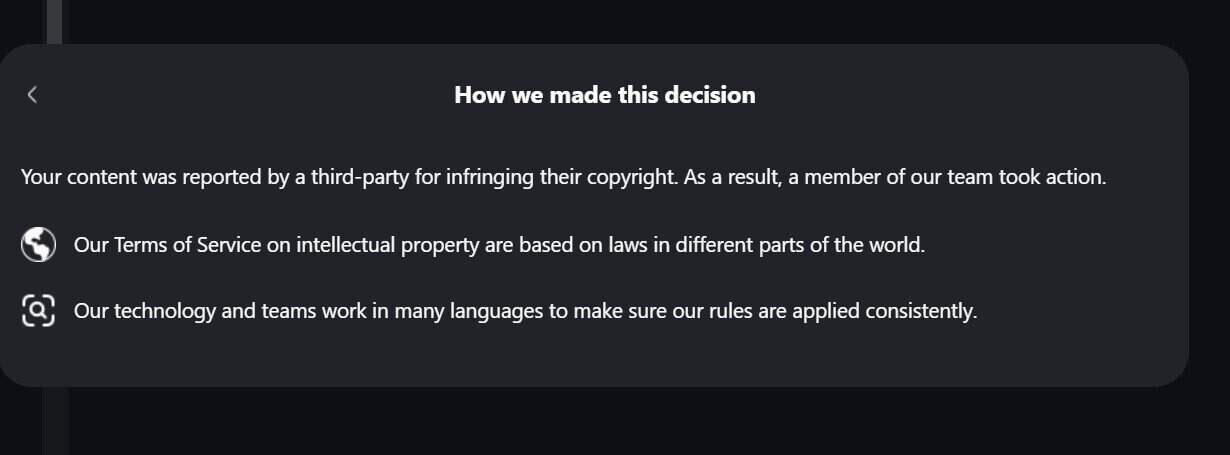
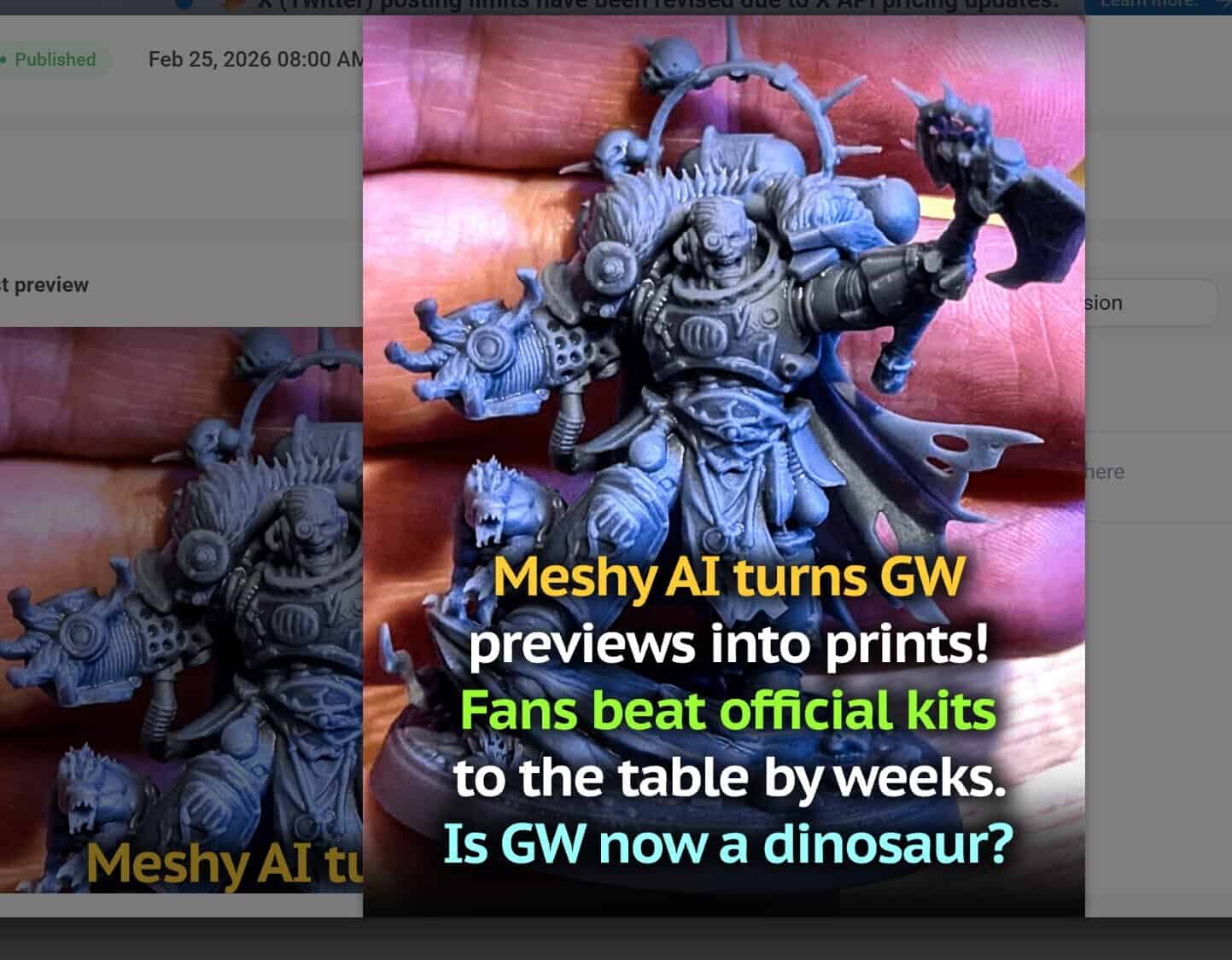
We posted our Instagram coverage on February 25, 2026, alongside our article about how GW may need to rethink their business model. Then, eight months later, on October 31. 2026, Instagram removed it after a copyright complaint naming Games Workshop Limited as the reporting party.
As we said in the original article, we’ve got no problem with GW protecting Warhammer. But treating a news post about knockoffs like a shop selling them is where we draw the line.
- What’s happening: Games Workshop filed a copyright complaint that got our February 25 Instagram post on 3D printing pulled, and we’re disputing it.
- What we have seen so far: The notice names Games Workshop Limited with a Corsearch contact, and Corsearch has already retracted other GW notices this year after admitting mistakes.
- What’s next: Games Workshop received the takedown after being contacted about the issue.
Selling a 3D-Printed Huron Blackheart and Showing One Isn’t the Same Thing
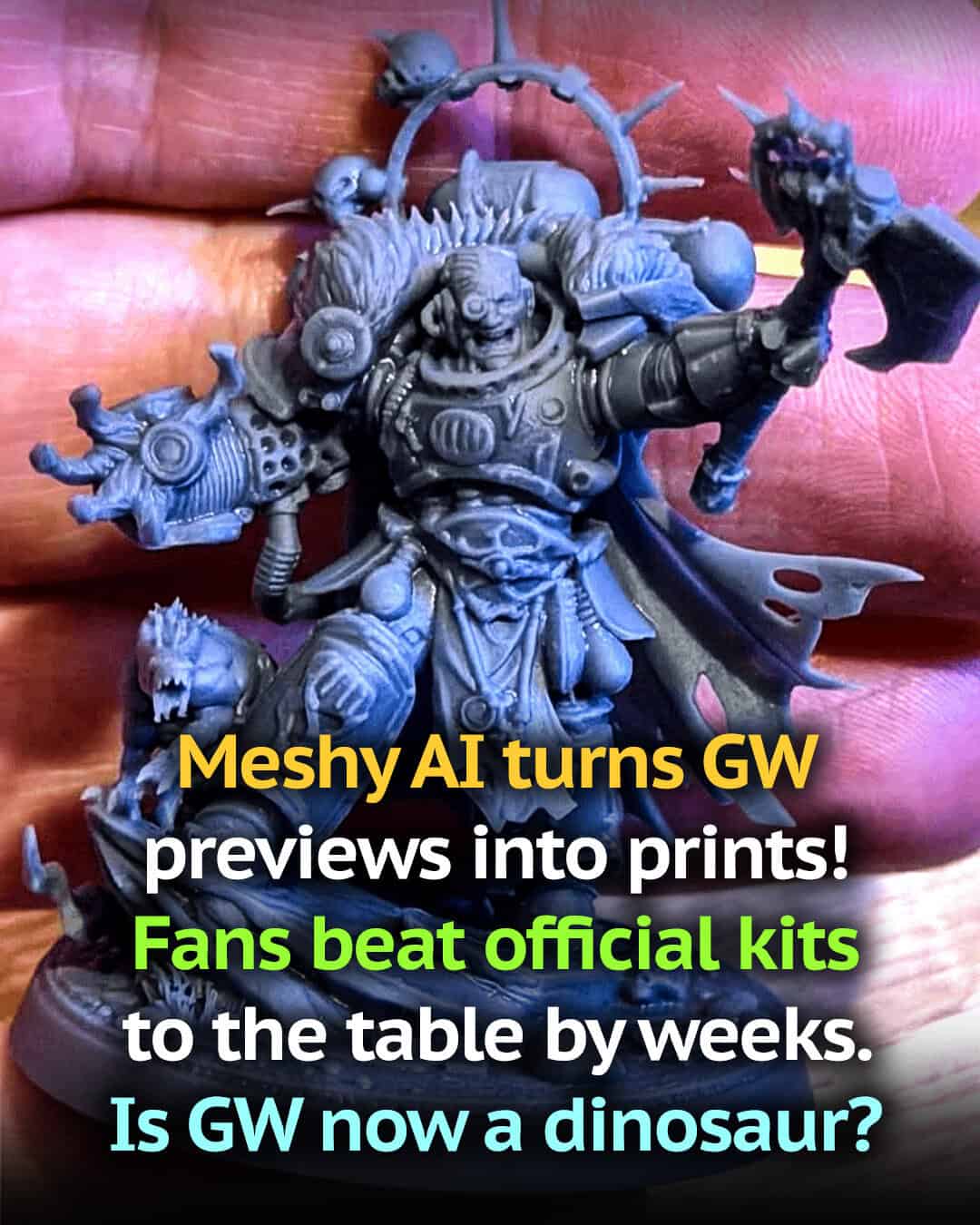
The image in our IG post showed a third-party 3D-printed version of Huron Blackheart becasue we were talking about how 3D printing and AI-assisted modeling are changing Games Workshop’s miniature business. You can now make models like this just from GW’s preview pictures, without even needing to scan an actual miniature.
And obviously, we weren’t claiming it was an official GW kit, promoting it, selling it, or sharing the files. We were showing readers what these knockoffs look like. How are we supposed to cover something like this without showing people what we’re talking about?
There’s a pretty big difference between showing a bootleg Huron in a news article and trying to sell one.
Corsearch Filed the GW Copyright Complaint
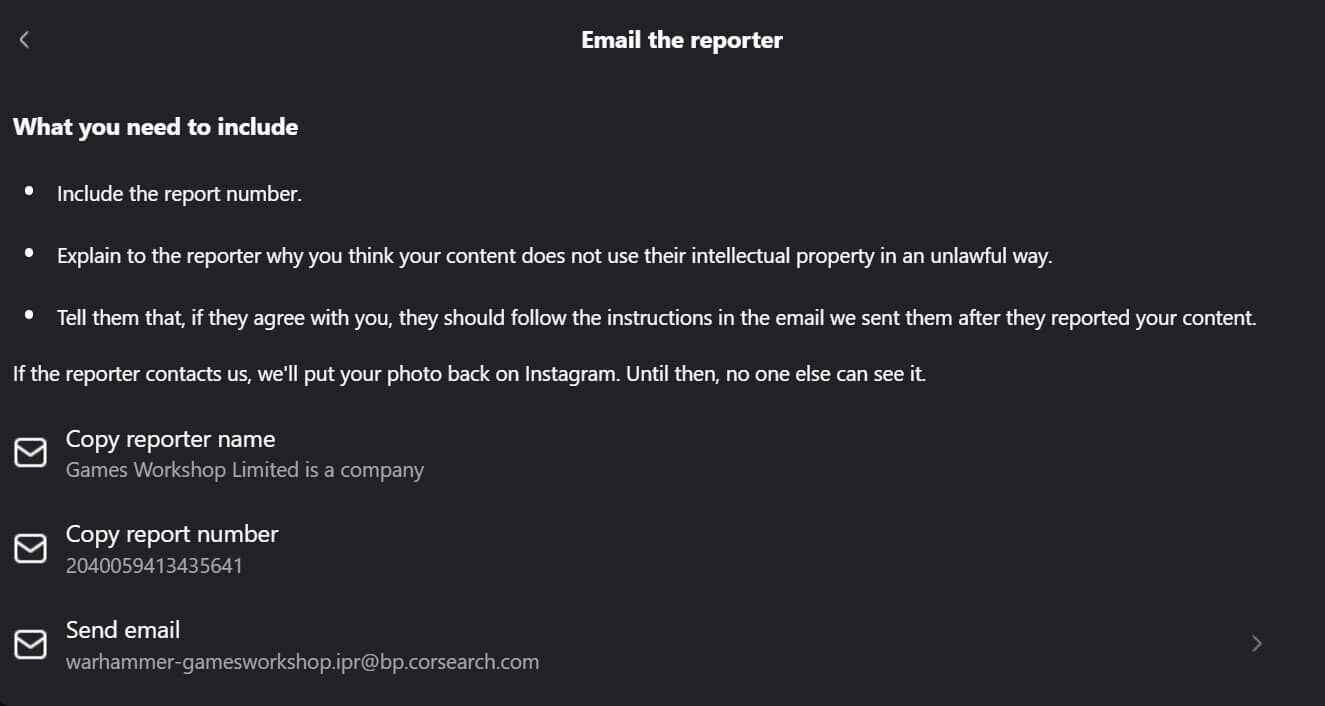 Now here’s an interesting part of this whole thing. The removal notice, copyright report number 2040059413435641, names Games Workshop Limited as the reporting party. But the contact email belongs to Corsearch.
Corsearch uses AI scanning to handle brand protection, copyright monitoring, and online infringement enforcement. Companies like that can submit reports to platforms on behalf of rights holders. And we’ve already covered outside companies hitting hobby creators with copyright strikes, so this isn’t exactly new territory.
What we don’t know is whether someone on GW’s legal team actually reviewed our post before the complaint was filed. But here’s the thing. Even when you hire somebody else to handle enforcement, somebody still needs to know the difference between a product listing and a news article.
Corsearch Has Already Walked Back GW Notices This Year
And this is why asking for another look doesn’t seem unreasonable. Corsearch has already admitted to mistakes involving GW enforcement in its public replies on the Better Business Bureau. So, we’re not just talking about frustrated sellers complaining here; Corsearch acknowledged problems itself.
On June 4, 2026, Corsearch responded to a complaint involving 3D-printed products. It admitted the original notice referenced a broader Warhammer: Old World registration rather than the specific work involved. Corsearch said GW’s legal team agreed to withdraw the report, though it maintained the design was infringing.
Then, on October 9, 2026, Corsearch acknowledged administrative mismatches involving two Etsy listings and confirmed it had submitted formal retraction notices. It stood behind eight other actions from that complaint, though, and also acknowledged using automated sweeps to flag some listings for repeat enforcement.
Does that mean every takedown somebody disputes is wrong? Of course not, and it doesn’t mean we know a bot flagged our Instagram post, either.
But Corsearch has already shown it can review seller complaints, find mistakes, and retract notices. So it seems fair to expect that same level of care when the content being removed is news coverage.
Reporting on Warhammer Knockoffs Isn’t the Same as Selling Them
Nobody’s arguing that GW doesn’t own the rights to its Warhammer designs. Of course they do. But that doesn’t mean every time someone shows a knockoff in a news article, they’re breaking the law. U.S. copyright law allows for fair use in things like news reporting, criticism, and commentary.
Now, that doesn’t mean you can just call something news and automatically claim fair use. It depends on the situation and what the complaint is actually about. Are they claiming the miniature design infringes, that the photo does, or both? Because those aren’t the same thing.
We Won Our Copyright Dispute, and GW Withdrew the Complaint
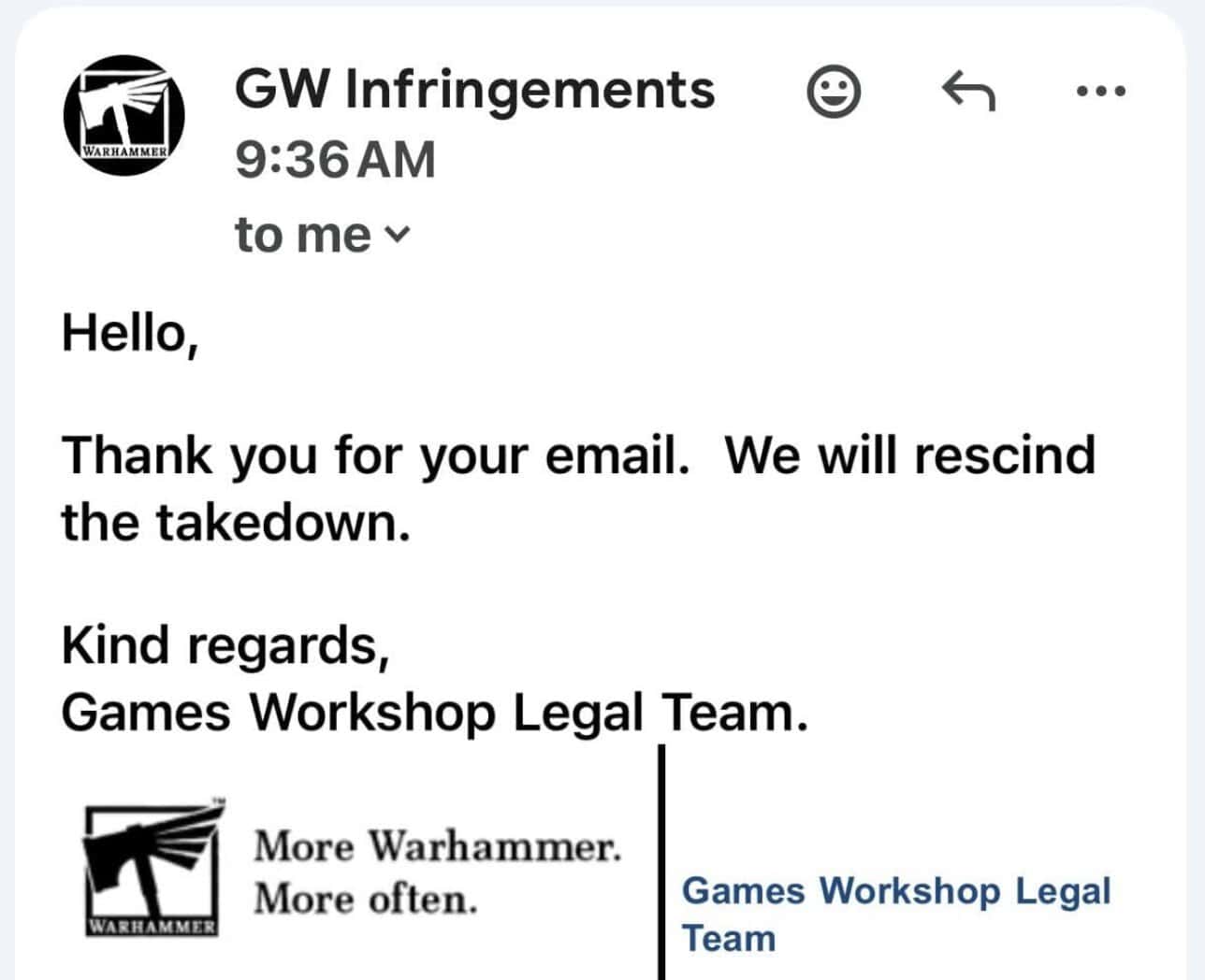
We challenged the removal of our February 25 Instagram post, and surprisingly, Games Workshop rescinded the copyright complaint within three hours of us contacting them, and we received confirmation from Corsearch a day later as well.
So instead of waiting around for an appeal to go through, GW withdrew the complaint pretty quickly once we reached out. The good news is that the original article is still live on our site, so anyone can read it and see exactly why we used that image in the first place.
Honestly, after years of covering GW copyright takedowns happening to other people, it’s pretty strange to find ourselves on the receiving end of one. At least this time, it got sorted out fast.
Final Thoughts on the Games Workshop Copyright Complaint
GW has every right to protect Warhammer, and going after bootleg reproductions being sold for profit is part of that. But showing a 3D-printed Huron Blackheart knockoff in a news article isn’t the same as making or selling one.
And with 3D printing, fan creations, aftermarket bits, and independent hobby media all being part of the Warhammer hobby, these copyright questions aren’t going away anytime soon.
We won our dispute, and Games Workshop withdrew the complaint within three hours of us contacting them. We’re glad GW acted that quickly, but hopefully this also leads to a little more care when deciding what gets flagged in the first place. There’s a big difference between going after people selling knockoffs and going after people reporting on them, and it’d be nice to see that distinction made before the next post from anyone gets pulled.
🔗 Related Reads:
- GW Must Rethink Its Entire Warhammer Business Model Now
- GW Drops Warhammer Suit Against Some Sellers, Says “Sorry”
- GW’s New Seller Takedowns Put the Warhammer Market on Edge
- GW Strikes More Warhammer 40k Creators On YouTube
- Another 40k YouTuber Gets Hit, but Not by Games Workshop
- Games Workshop Sues Ghamak Over 3D Models
What do you think about Games Workshop copyright enforcement reaching Warhammer news coverage?