Get the answer fast: what is Warhammer 40k scale? 28mm heroic (about 1:56), plus a simple breakdown of sizes and proportions.
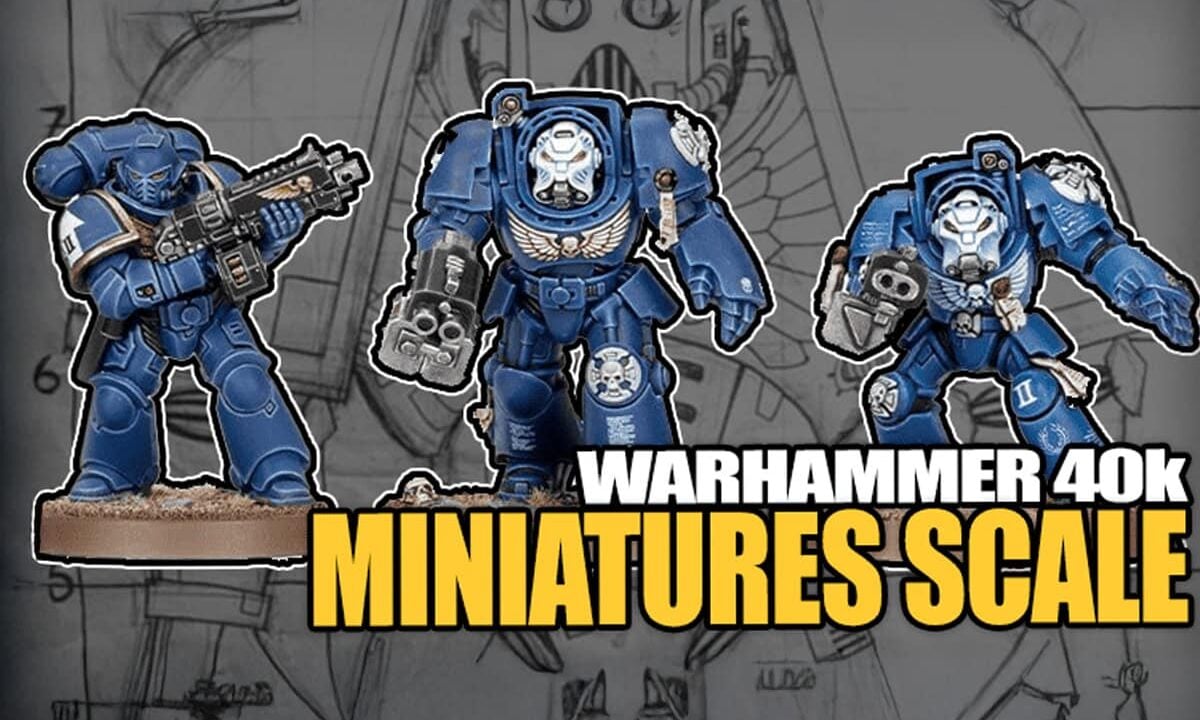
Scale trips people up in 40k because the models aren’t built to real-world proportions. They’re 28mm heroic, not true-scale, so heads and weapons run bigger than a shrunk-down human would. Line up an older Firstborn Marine next to a newer Primaris, and you’ll spot it right away on the table; the newer kits sit noticeably taller.
Honestly, the video above shows this better than words can. It’s a scale comparison, so you can watch the older Firstborn Marines sit shorter than the newer Primaris kits, the 32mm creep in the flesh.
What is the 28mm Heroic Scale?
Updated on July 29, 2026, by Rob Baer with sharper scale detail plus practical buying and terrain notes.
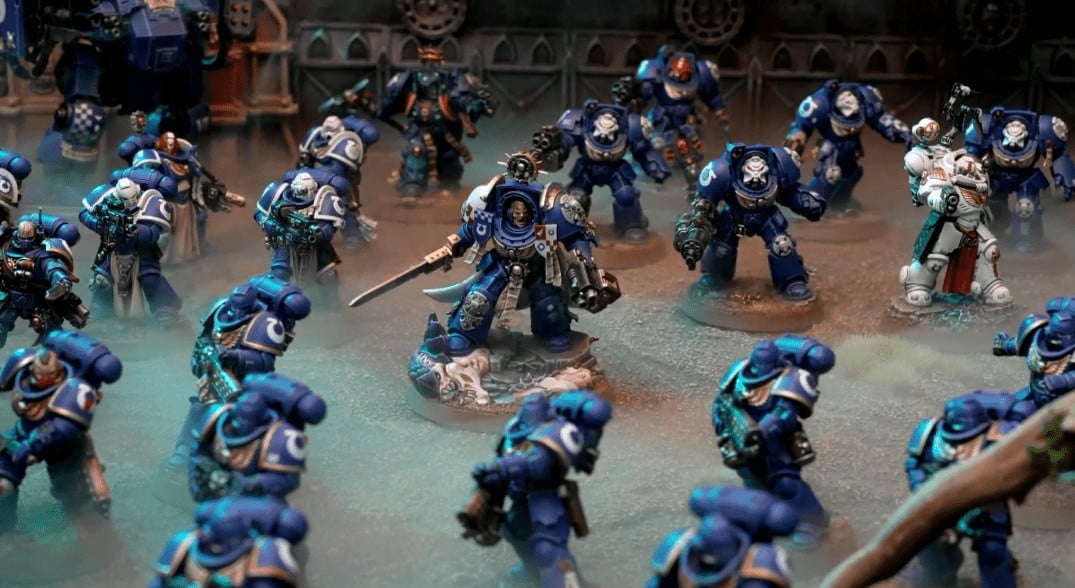
So here’s the actual answer. 40k miniatures are built at 28mm heroic scale, which works out to roughly 1:56. That 28mm is measured foot to eye, not to the top of the head, and ‘heroic’ means the proportions are pushed on purpose, bigger heads and chunkier weapons, so the models read across the table.
It isn’t true-scale, so don’t expect a realistically shrunk-down human.
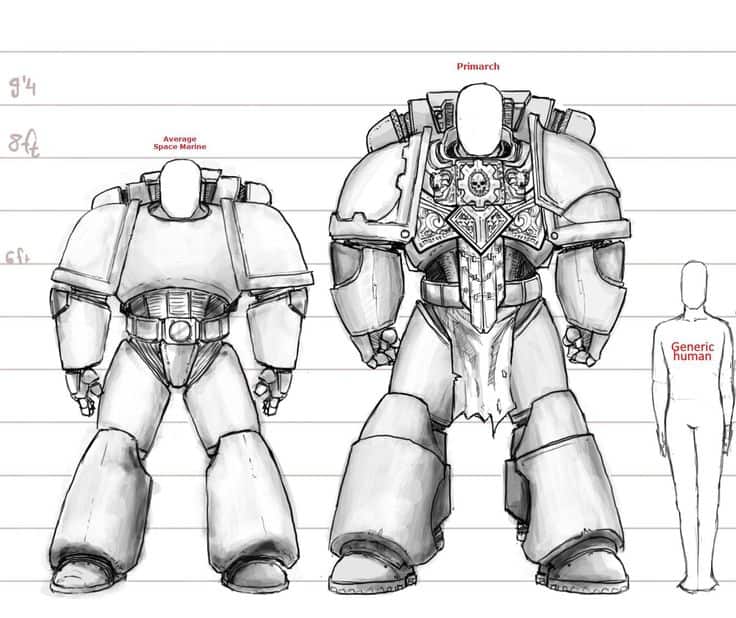
Space Marine Scale by Jes Goodwin
Not everything sticks to 28mm, though. Tanks, Dreadnoughts, Orks, and Tyranids all run bigger, and since Primaris landed, the base infantry has crept toward 32mm heroic. That change is why mixing eras looks off; park a Firstborn squad next to Primaris and the older models look small and skinny by comparison.
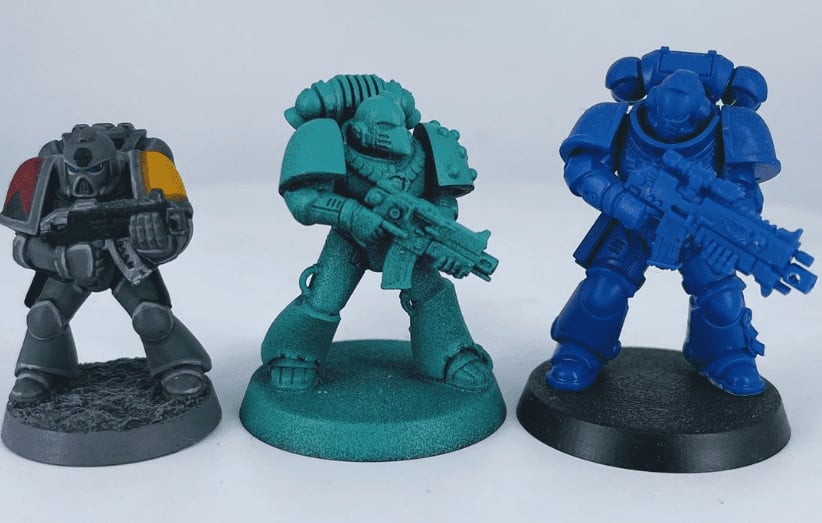
Firstborn, Horus Heresy, and Primaris Size Comparison Image Source: Fauxhammer
If you’re buying third-party bits or printing your own, this is the number to check first. True-scale STLs and generic 28mm minis won’t always line up with GW’s heroic proportions, so heads and weapons can end up looking too dainty next to the real kits. When in doubt, match to a model you already own before you commit.
Tabletop & Gaming Board Size

Board size matters here because 28mm sets the yardstick for everything else on it. Most games run on a 4’x4′ up to a 44″ x 60″ table for 2,000 points, and at heroic scale that space fills up fast. The models are tall enough that you need terrain built to match, or your army has nowhere to hide.
So think in model heights when you set up. Ruins and buildings require doors and floors tall enough for a 28-32mm mini to actually stand inside, and your line-of-sight blockers need to be taller than the models they’re meant to hide. A board of ankle-high scatter looks busy but blocks nothing, and your infantry gets shot off the table turn one.
What Kind of Terrain is Suitable for Warhammer 40k Games?
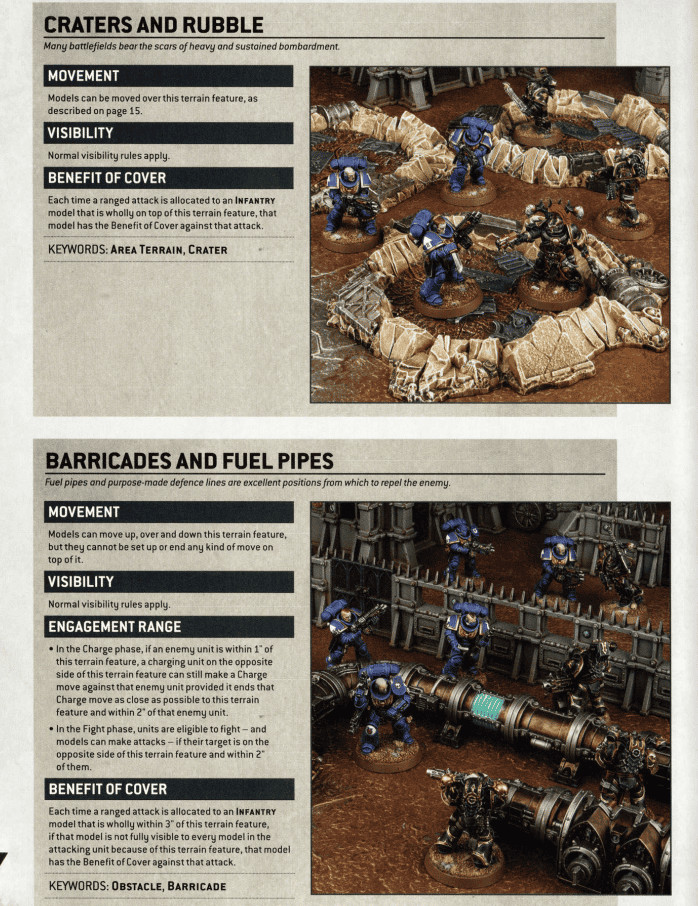
You can grab official Warhammer terrain or build your own out of foam, cardboard, and plastic; both work fine. What matters more than the material is whether the terrain actually fits the models.
Three things to check at 28-32mm: doorways and hatches wide and tall enough to move a based mini through, cover that reaches chest height on your infantry so it does something in-game, and enough clearance between pieces to fit fingers and bases without knocking everything over. Get those right, and the table plays as good as it looks. You can also browse our Warhammer 40k terrain picks here.
Intricate Detailing & Scaling of Warhammer Models
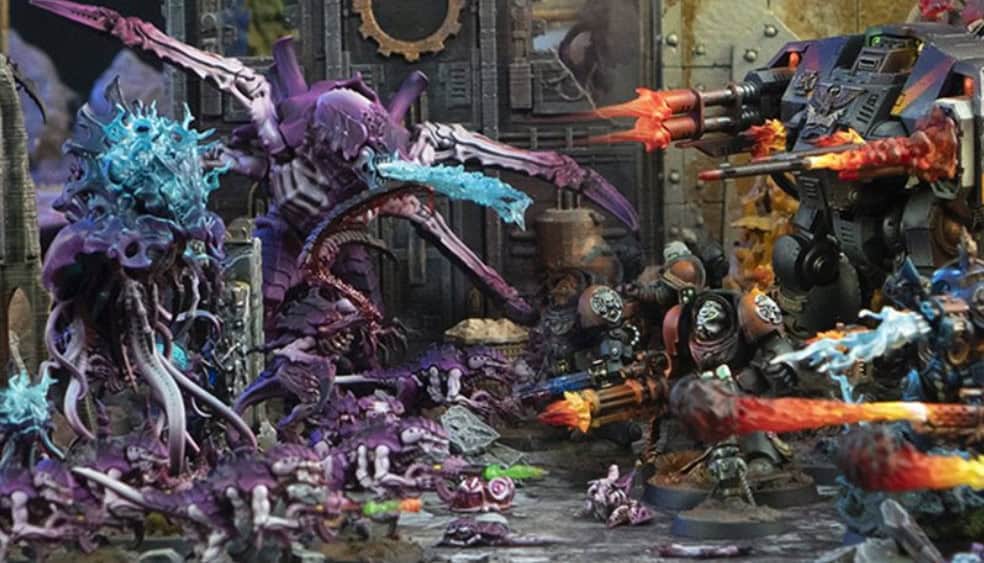
Here’s the upside of heroic scale that doesn’t get talked about enough: those pushed proportions make the models easier to paint and easier to read at arm’s length. Bigger rivets, deeper recesses, and chunkier detail mean your brush control doesn’t have to be perfect for a model to look sharp on the table. True-scale minis look great in photos, but heroic detail is a lot friendlier when you’ve got a whole army to get through.
You can lean into that detail with add-on bits too. Companies like Deadly Print Studios (a third-party we link, so you know the deal) sell weapon effect pieces that plug into the scale nicely. Want to keep it cheap? A bit of green stuff, plastic rod, and clear sprue does the same job at the paint table.
Are Warhammer 40k Miniatures Pre-Painted, or Do I Need to Paint Them?
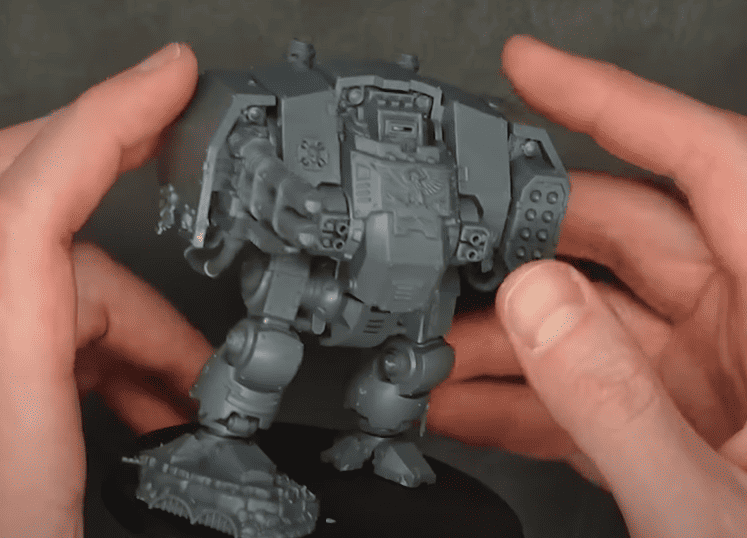
No, they don’t come pre-painted. 40k kits show up unassembled and unpainted, which is the part of the hobby a lot of us actually live for. And this is where heroic scale pays off again; those pushed proportions give you room to work, so highlights and shading land where the eye expects them without a magnifier. Best of all, we’ve got thousands of Warhammer 40k painting tutorials on our guides page.
Final Thoughts on GW’s Warhammer 40k Scale for Miniatures
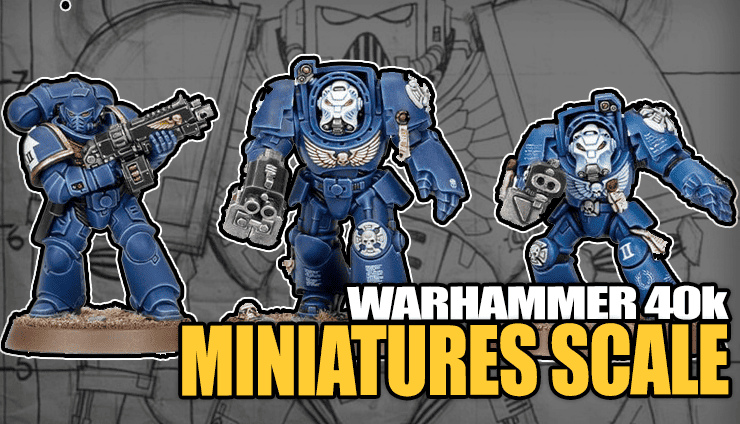
So the short version: 40k is 28mm heroic, about 1:56, with the newer Primaris kits nudging toward 32mm. Before you buy proxies, print STLs, or drop cash on terrain, hold them up against a model you already own; if the heads, weapons, and heights match your existing army, you’re good to go.
What scale surprises have you run into mixing old and new 40k kits?