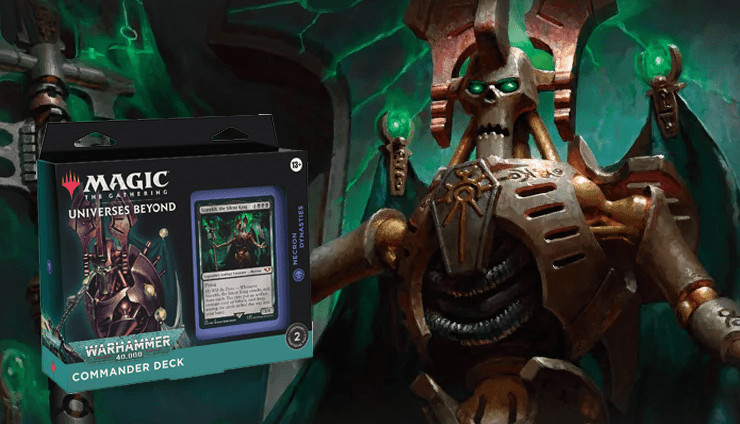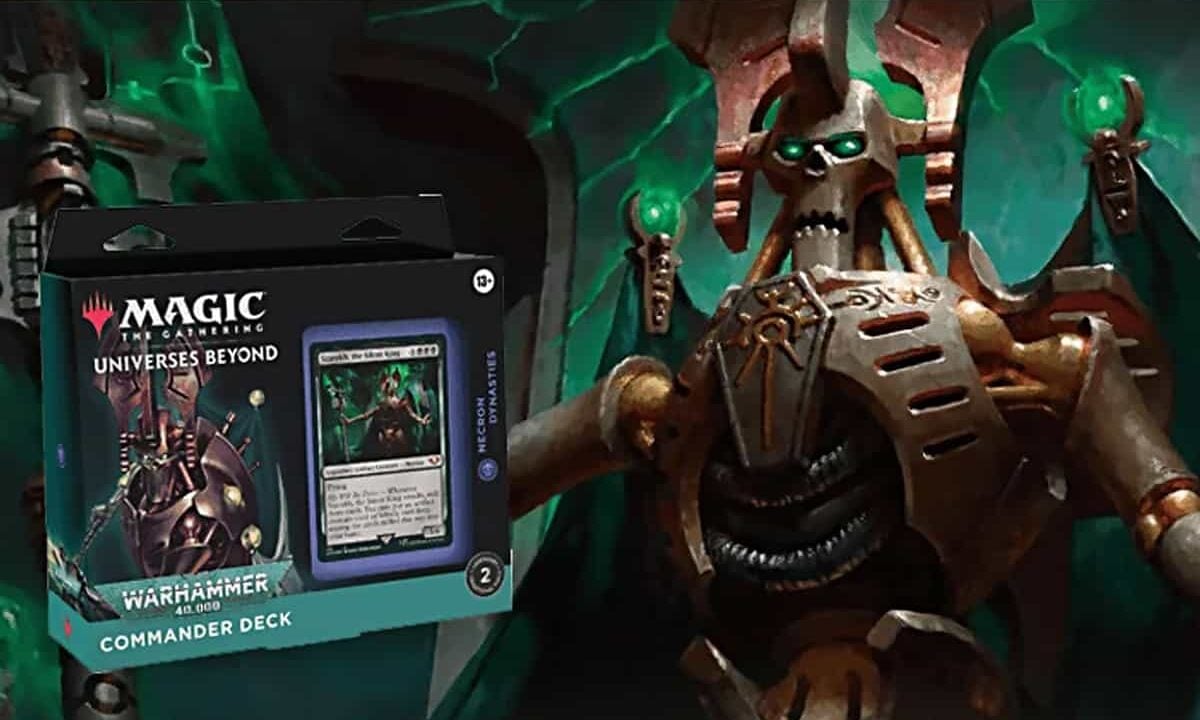
Necron Dynasties MTG Commander decklist and card list: commanders, key creatures, and how the deck plays in Commander.
Necron Dynasties Magic: The Gathering (MTG) Precon: Deck Strategy, Value, and Upgrades
Updated on July 9, 2026, by Rob Baer with the latest Necron Dynasties pricing and gameplay notes.
Introduction to the Necron Dynasties MTG Precon Deck
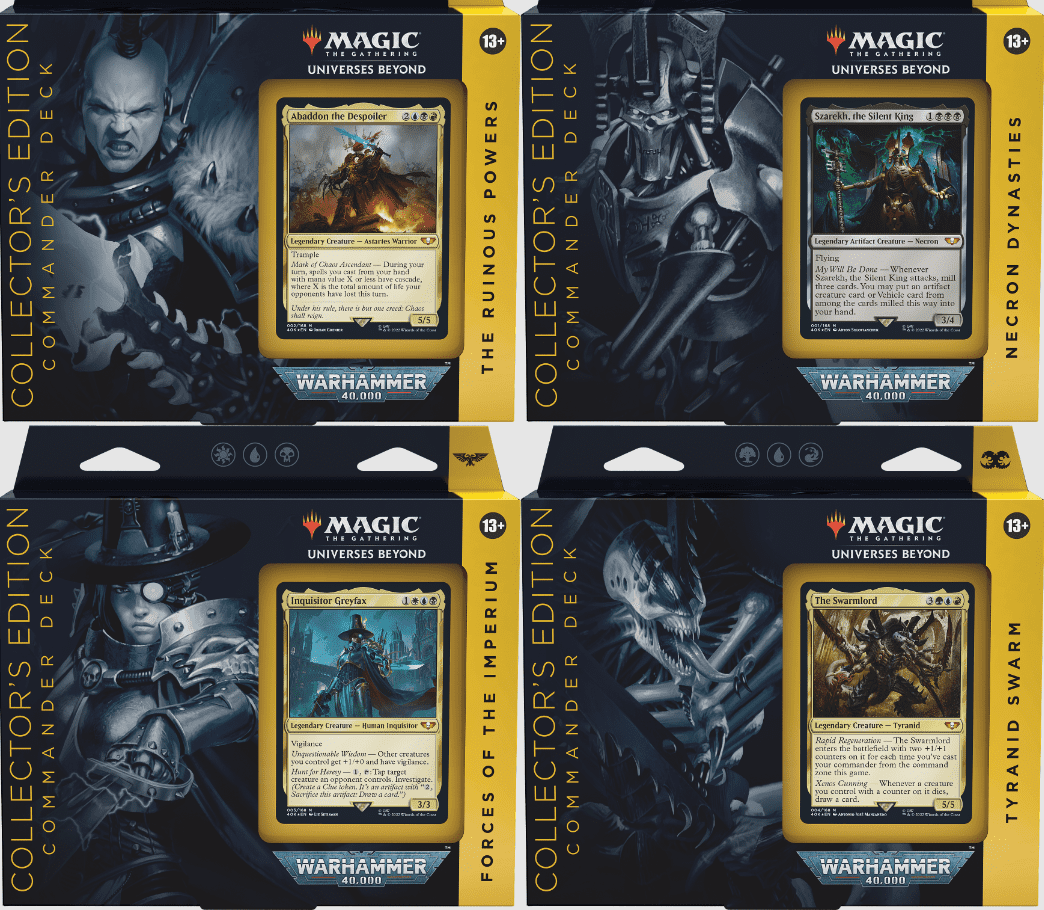
 We’ve had the Necron Dynasties precon on the table for a good stretch now, and the first thing that stands out is how little you have to do to make it work. Shuffle up, keep a hand with a swamp and a mana rock, and the deck more or less runs itself into a wall of artifact creatures that refuse to stay dead.
So this isn’t a deck you pilot so much as one you wind up. If you like grinding a game out, watching your board rebuild itself every time somebody clears it, and slowly burying the table in 2/2 robots, the Necrons are right up your alley. If you want fast combo kills out of nowhere, honestly, you’ll want to look elsewhere or plan on some upgrades.
Overview of Universes Beyond: Warhammer 40,000 & MTG
Universes Beyond is the banner Wizards uses to fold outside worlds into Magic, and the Warhammer 40,000 crossover is where the Necrons landed. What matters for this deck is the shape it took in mono-black: an artifact army built to churn the graveyard and keep coming back. We’ll get into the actual 40k lore further down, since that’s where it maps cleanly onto the mechanics.
What is the Necron MTG Precon?
 Short version: it’s a ready-to-play 100-card Commander deck, mono-black, built around artifacts and recursion. You don’t have to build anything to make it go, though tuning it is half the fun once you’ve played a few games.
Two mechanics carry the whole thing. First, artifact density, because most of your creatures are artifacts, which feeds everything else. Second, graveyard recursion through Unearth and reanimation, so the cards you lose keep marching back. Hold onto those two ideas and the rest of the deck makes sense, and we’ll show the exact lines in the synergies section.
Necron Decklist and Card Breakdown
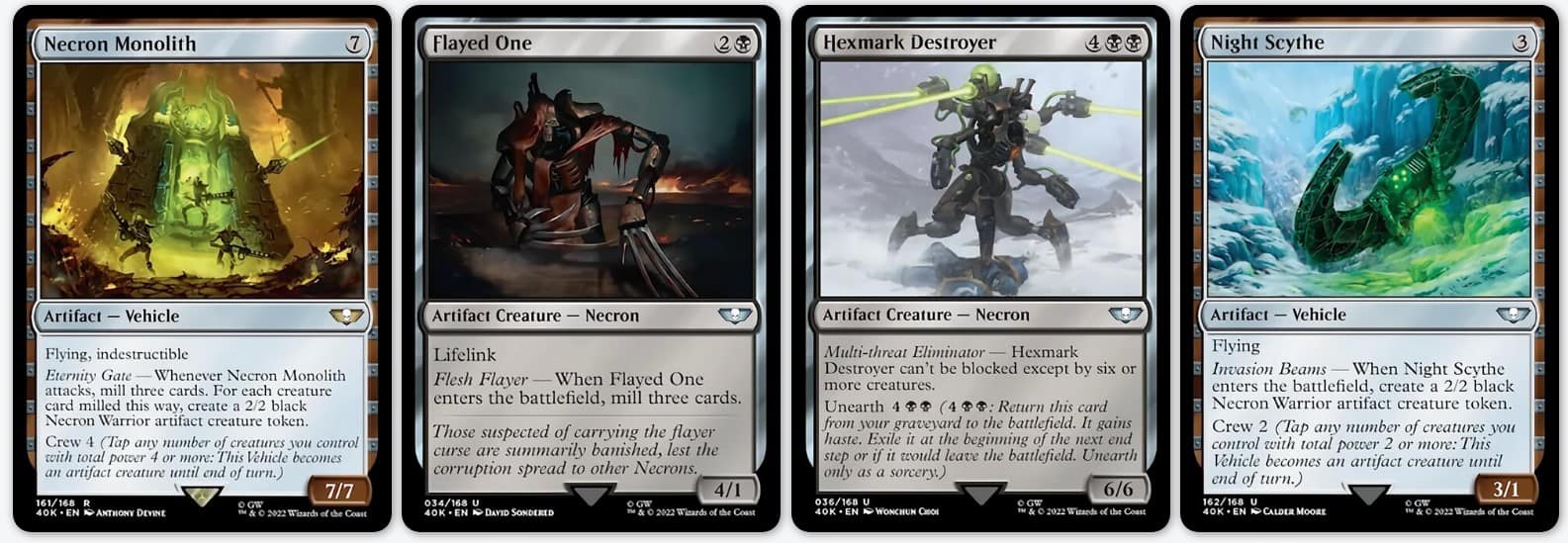 Run your eye down the list and a few things jump out. The curve is low, thanks to a stack of mana rocks. The artifact count is high, which is the engine, not a coincidence. And there’s a real reanimation package sitting in the sorceries and enchantments waiting to refill the board.
Here’s what stands out at a glance: heavy mana ramp early, a wall of artifact creatures in the middle, and graveyard recursion to close. Now let’s get into the full list and the cards doing the heavy lifting.
 Full Necron Dynasties Commander Decklist
Creatures (29)
- Szarekh, the Silent King
- Imotekh the Stormlord
- Anrakyr the Traveller
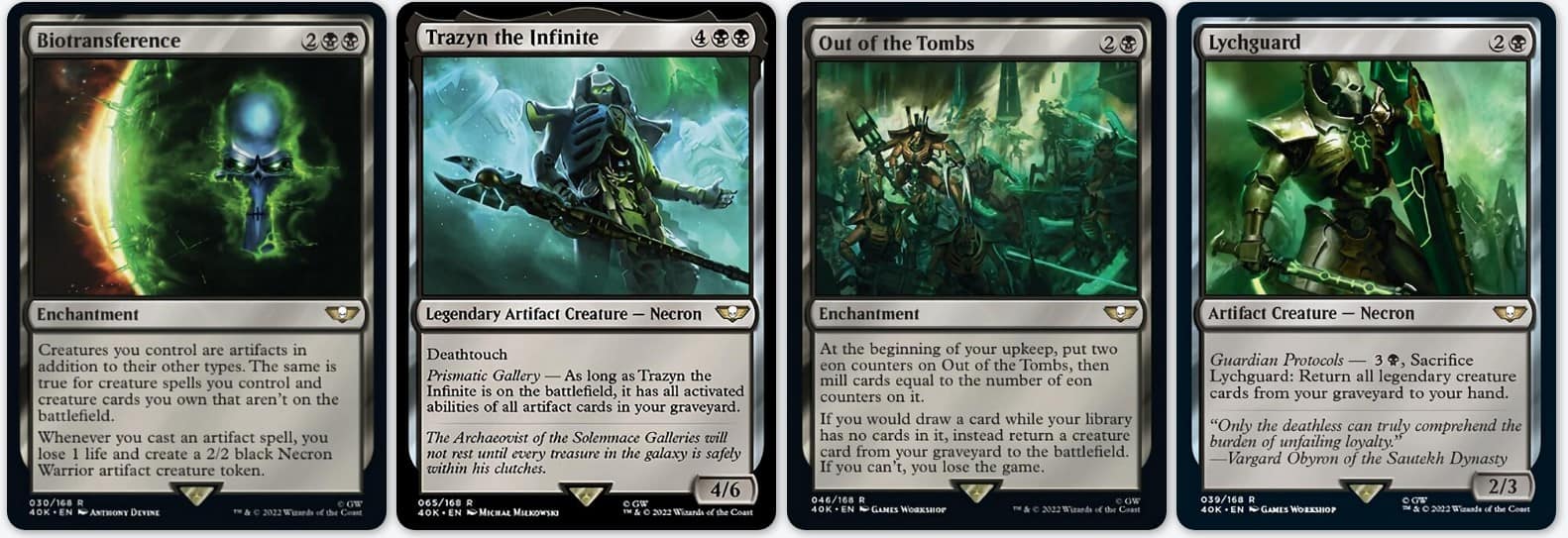
- Trazyn the Infinite
- Canoptek Scarab Swarm
- Canoptek Spyder
- Canoptek Tomb Sentinel
- Canoptek Wraith
- Chronomancer
- Cryptek
- Cryptothrall
- Flayed One
- Hexmark Destroyer
- Illuminor Szeras
- Lokhust Heavy Destroyer
- Lychguard
- Necron Deathmark
- Necron Overlord
- Plasmancer
- Psychomancer
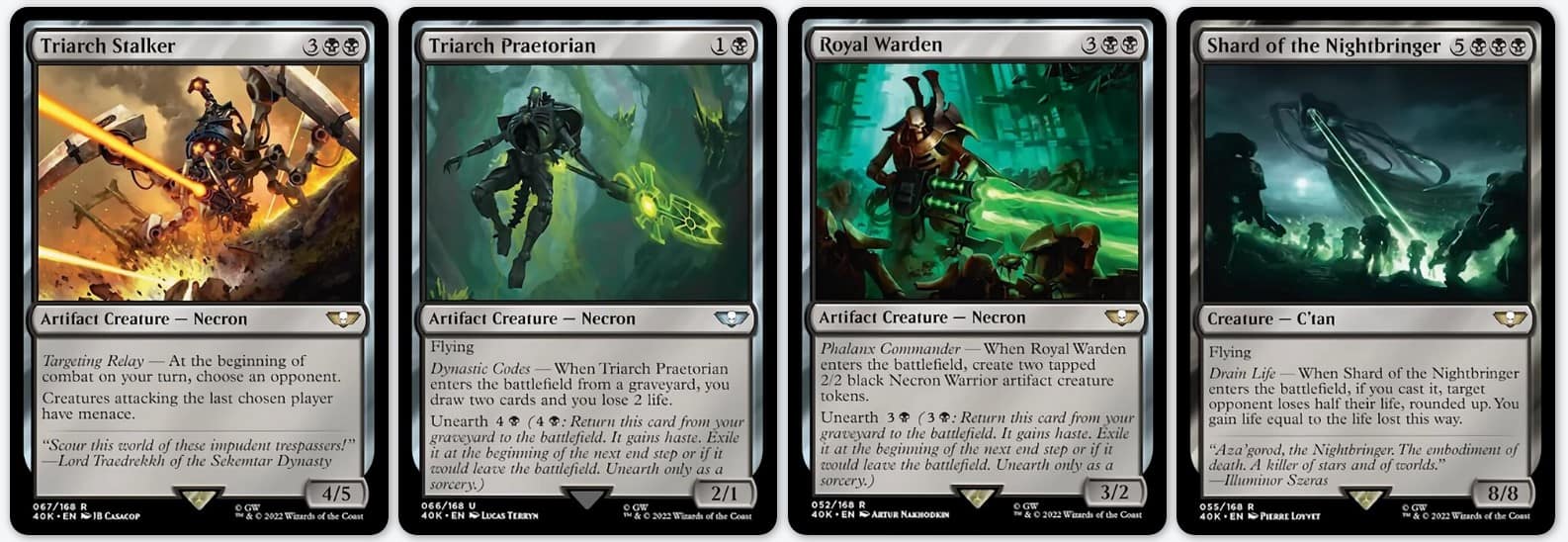
- Royal Warden
- Sautekh Immortal
- Shard of the Nightbringer
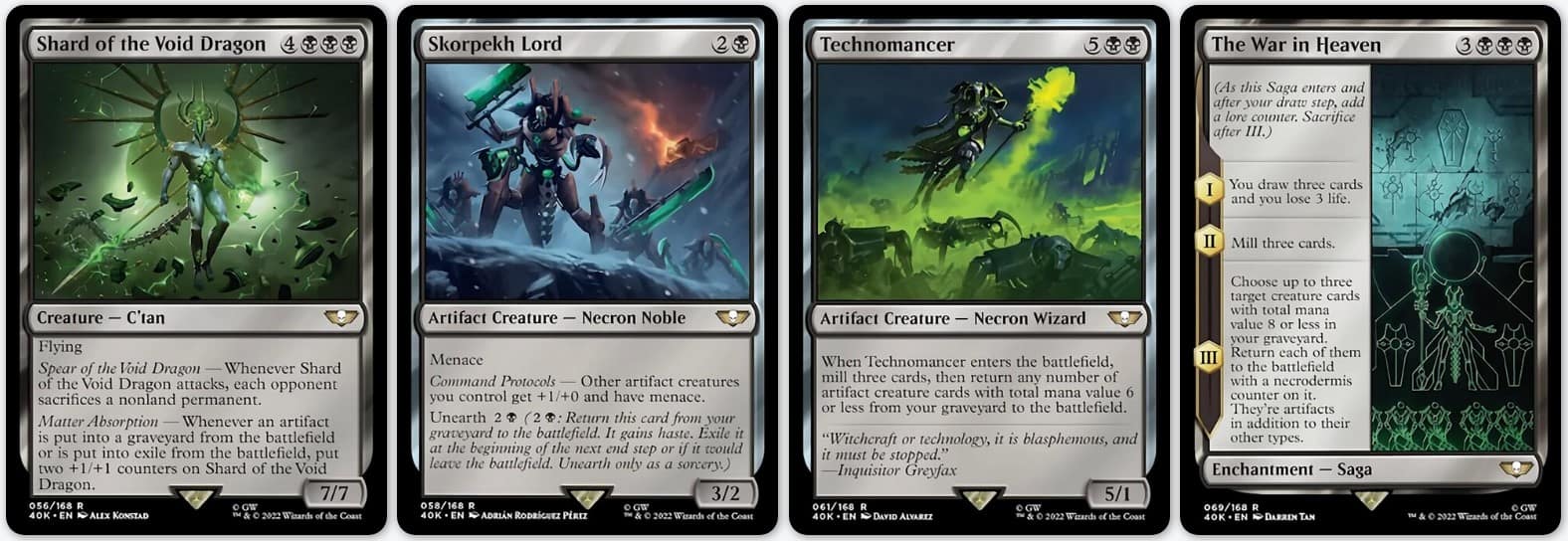
- Shard of the Void Dragon
- Skorpekh Destroyer
- Skorpekh Lord
- Technomancer
- Tomb Blade
- Triarch Praetorian
Artifacts (21)
- Arcane Signet
- Caged Sun
- Commander’s Sphere
- Convergence of Dominion
- Cranial Plating
- Endless Atlas
- Ghost Ark
- Gilded Lotus
- Hedron Archive
- Mask of Memory
- Mind Stone
- Mystic Forge
- Necron Monolith
- Night Scythe
- Resurrection Orb
- Sceptre of Eternal Glory
- Sculpting Steel
- Sol Ring
- Thought Vessel
- Unstable Obelisk
- Wayfarer’s Bauble
Instants (3)
- Darkness
- Defile
- Go for the Throat
 Sorceries (6)
- Beacon of Unrest
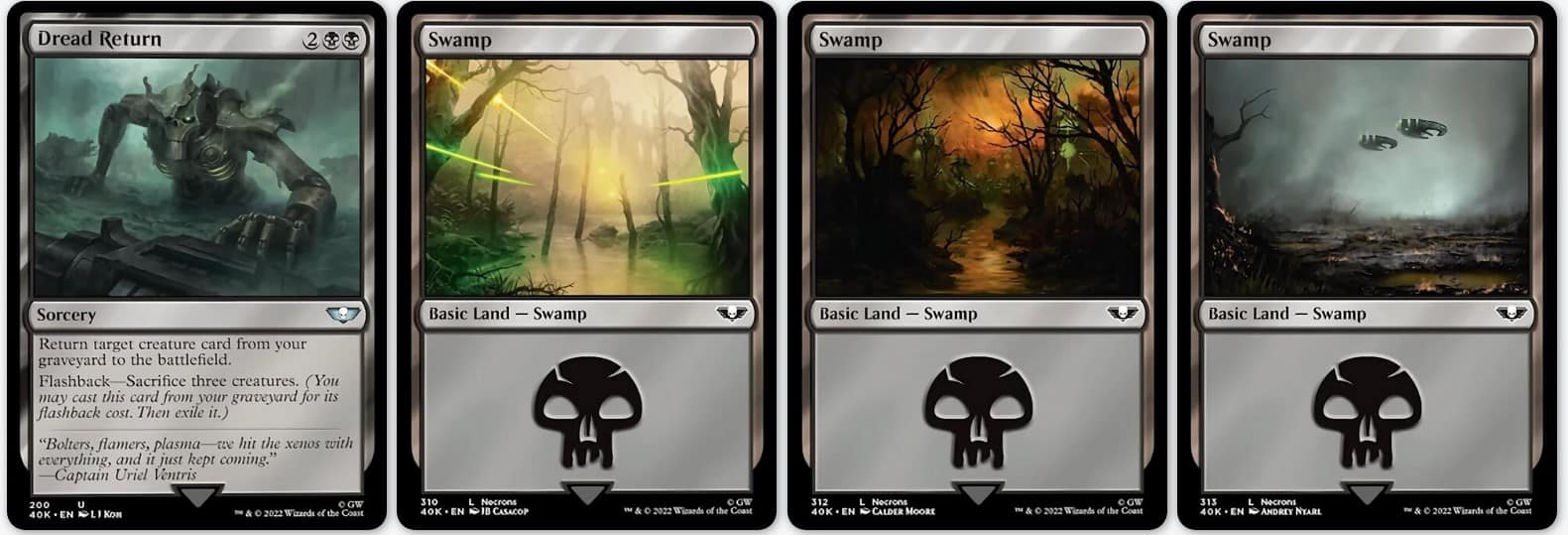
- Dread Return
- Living Death
- Mutilate
- Their Name Is Death
- Their Number Is Legion
 Enchantments (3)
- Biotransference
- Out of the Tombs
- The War in Heaven
 Lands (37)
- Barren Moor
- Desert of the Glorified
- Myriad Landscape
- Polluted Mire
- Reliquary Tower
- Tomb Fortress
- Vault of Whispers
- 30 Swamps
With an impressive mix of creatures, artifacts, and spells, this Necron decklist is ready to dominate any Commander table. Now, let’s break down the key cards that make this deck not just competitive but an absolute mechanical menace.
Key Cards in the Necron Dynasties Magic the Gathering Decklist
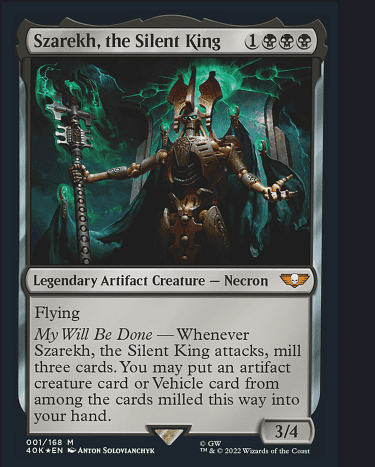 Szarekh, the Silent King (Commander)
Szarekh, the Silent King is your commander and your engine. Every time he swings, you mill three and pull an artifact creature or vehicle out of the pile into your hand, so attacking and refueling are the same action. We tend to send him in early even into open mana, because the card advantage matters more than the four points of damage.
The pitfall: he’s a 3/4 flyer, which means a single removal spell in response to his attack trigger can cost you the whole turn. Don’t overcommit blockers or tap out behind him unless you’re fine with him eating a Go for the Throat.
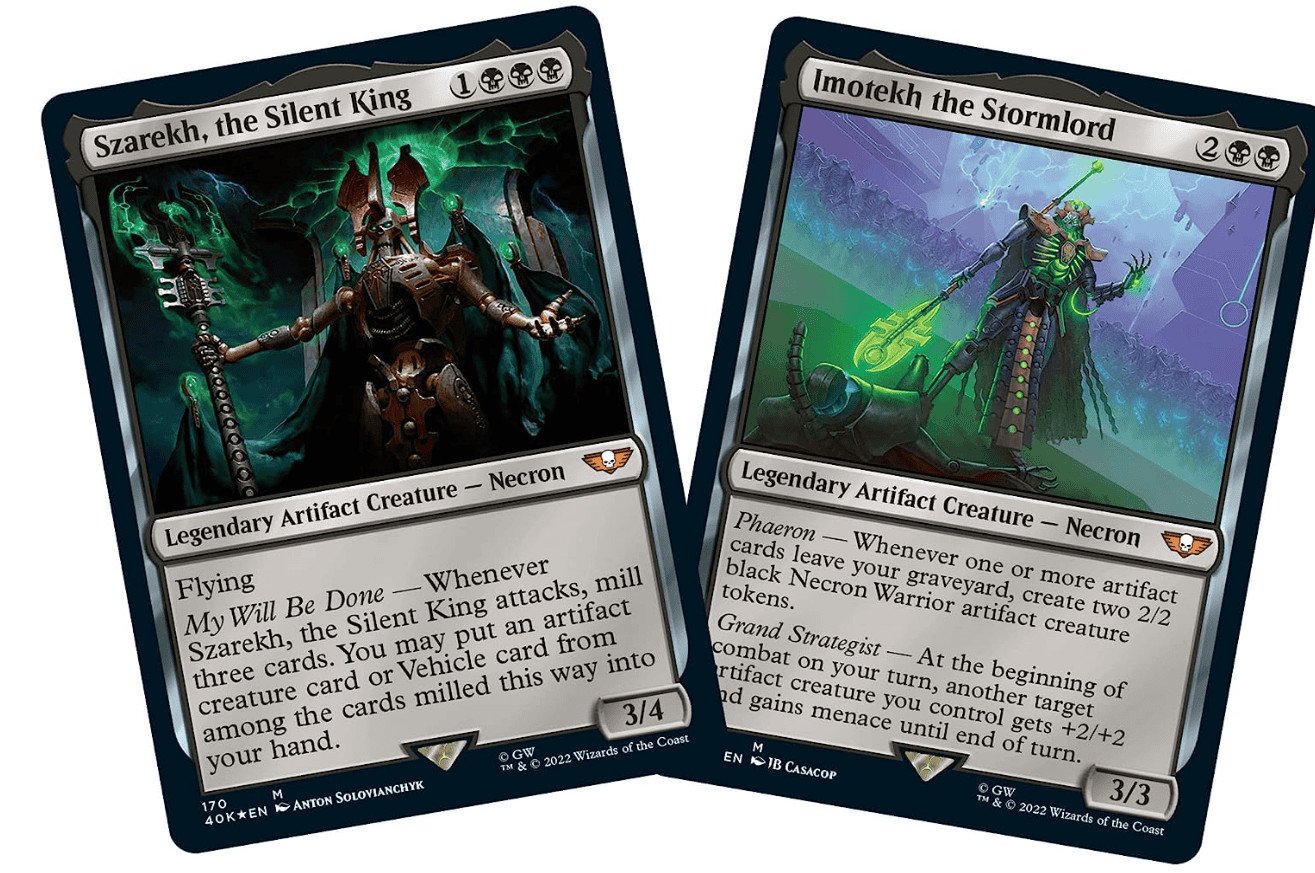 Imotekh the Stormlord (Secondary Commander)
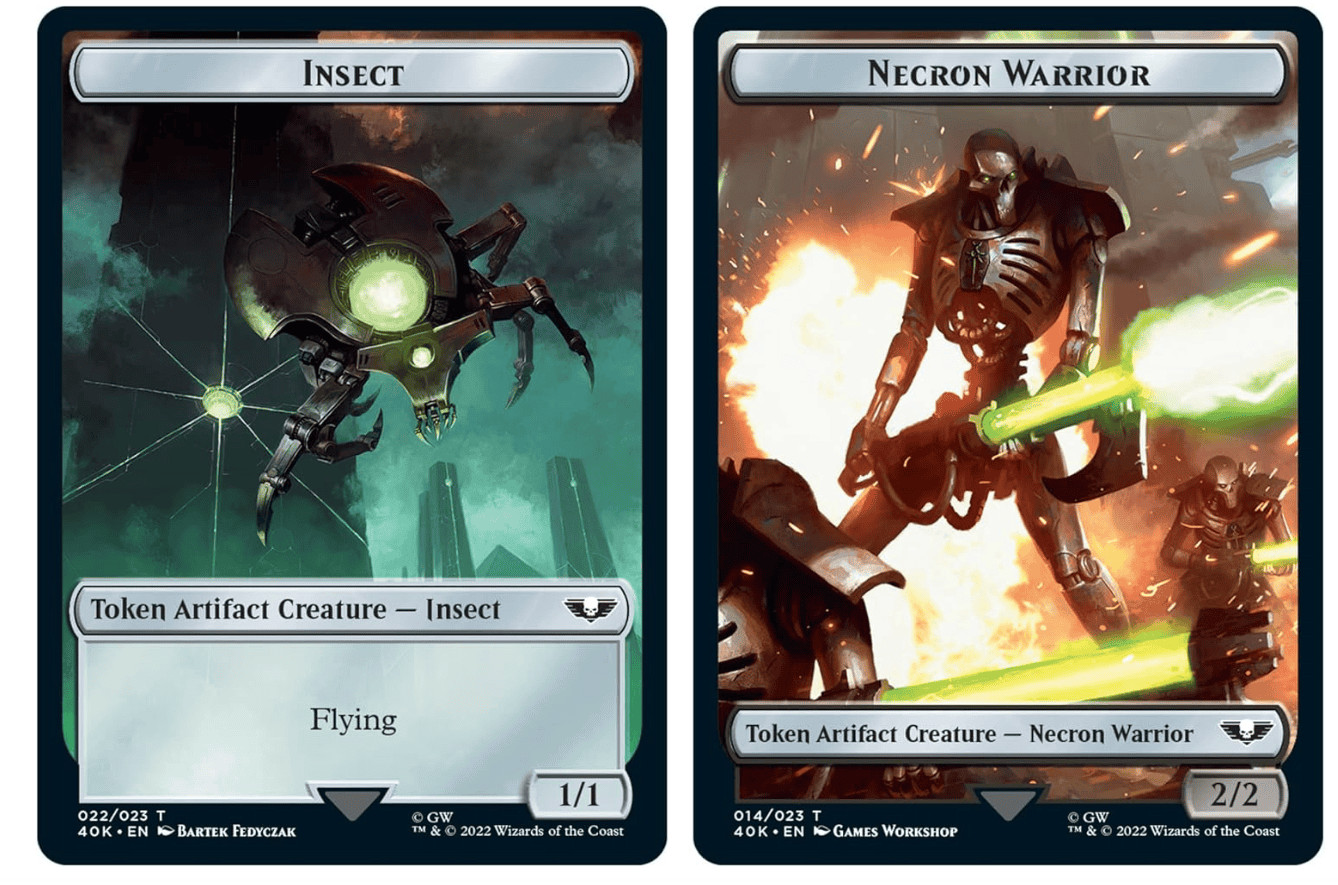
Imotekh the Stormlord is the token faucet. Whenever artifacts leave your graveyard he coughs up two 2/2 Necron Warriors, and he can hand an artifact creature +2/+2 and menace to push damage through. We usually hold him until we’ve got a recursion outlet online, so the tokens actually start flowing instead of trickling.
The trap here is playing him too early with an empty yard. No artifacts leaving the graveyard means no tokens, and he just sits there as a fragile body asking to get shot.
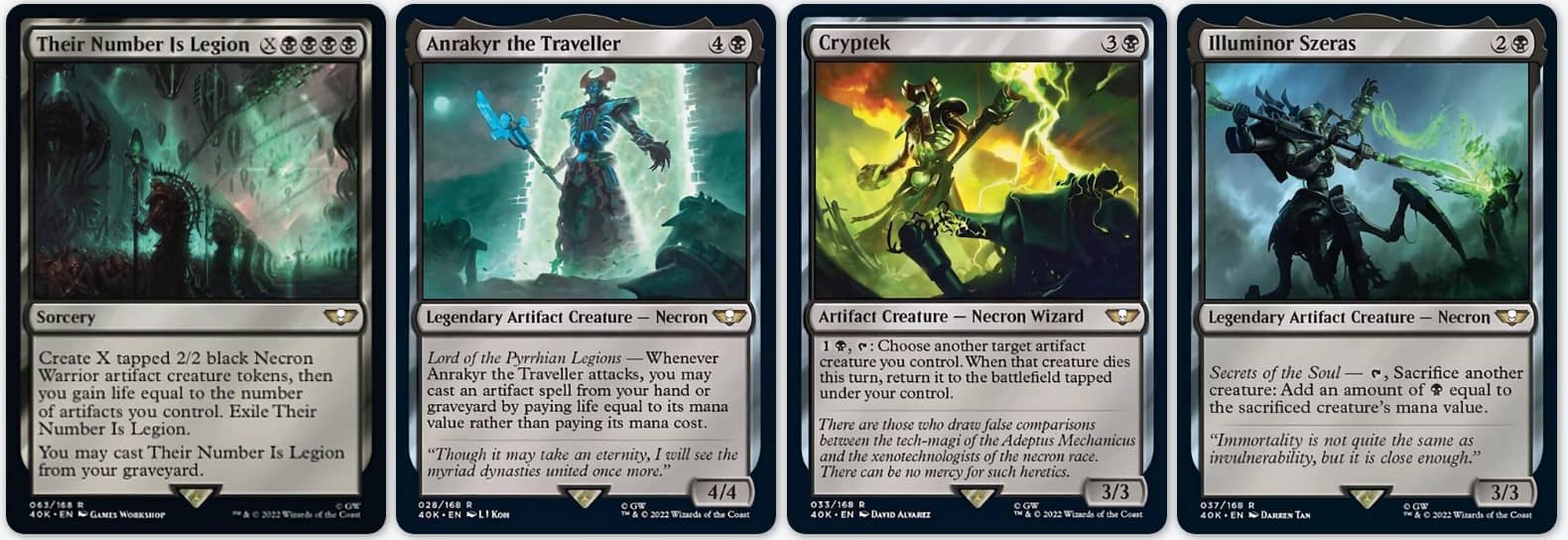 Anrakyr the Traveller
Anrakyr the Traveller lets you cast artifacts from hand or graveyard by paying life instead of mana, which is how you sneak a big rock back into play on a turn you’re already tapped out. We lean on him to rebuild after a board wipe, when life is cheaper than mana.
Watch your life total, though. In a four-player game the table notices when you’re paying chunks of life every turn, and a couple of them will happily point their damage your way to cash that in.
Trazyn the Infinite
Trazyn the Infinite borrows every activated ability off the artifacts in your graveyard, which is the piece that turns a grindy deck into a combo deck. Feed the yard first, then let him copy whatever’s useful. The full infinite line is down in the combos section.
The catch: he does nothing with an empty graveyard, and he’s a magnet for removal the second the table figures out what he’s copying. Protect him or hold him until you can go off the same turn.
Synergies and Combos in the Necron MTG Precon
 The synergies here come down to three numbers: how many artifacts you have, how fast the graveyard fills, and how many tokens you can spit out off that churn. Get those three humming together and the deck stops being fair.
Key Artifact Synergies
Imotekh plus a recursion outlet is the core loop. Say you’ve got Ghost Ark out: crew it, and every artifact creature in your yard gets unearth for the turn. Each one leaving the graveyard on the way back triggers Imotekh for two Warriors a pop, so a single crew can dump a board’s worth of bodies plus a pile of tokens. Best case, that’s a game-ending turn. Typical case, it’s still two or three creatures back and four to six tokens, which is plenty.
Resurrection Orb is the safety net. Slap it on your team and your artifact creatures gain lifelink and come back at end of turn when they die, so swinging into open blockers stops being scary. You attack, you gain life, and the thing you lost is back before your next turn.
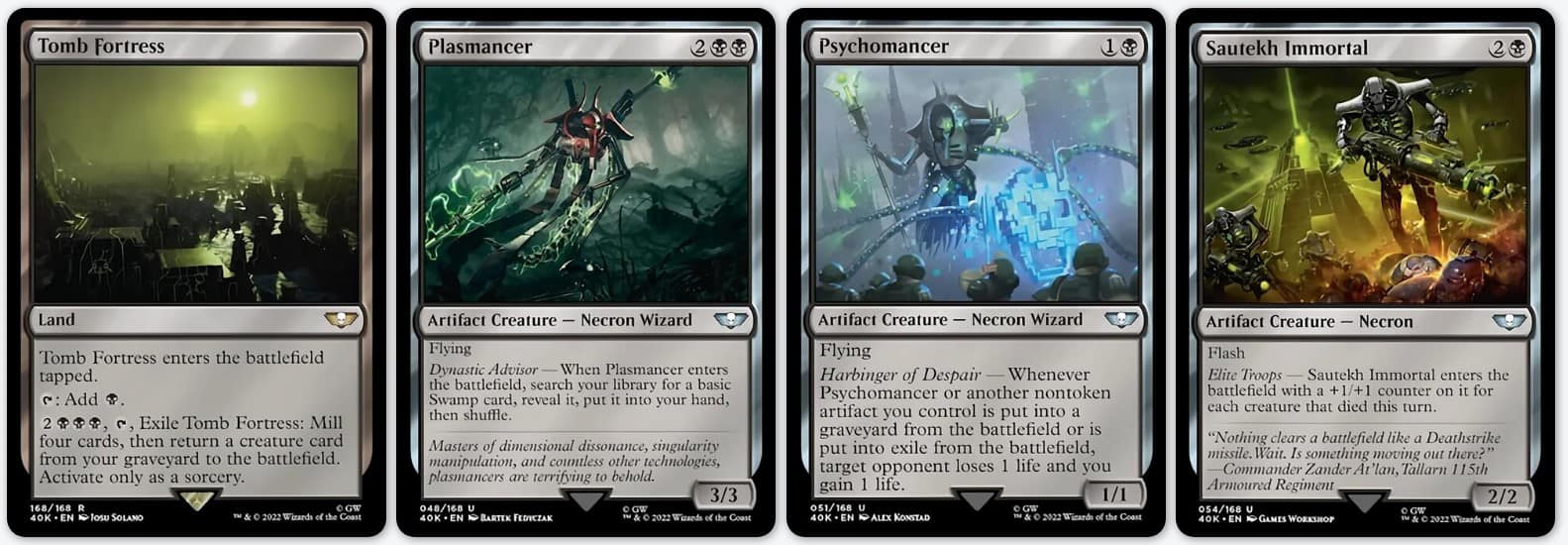
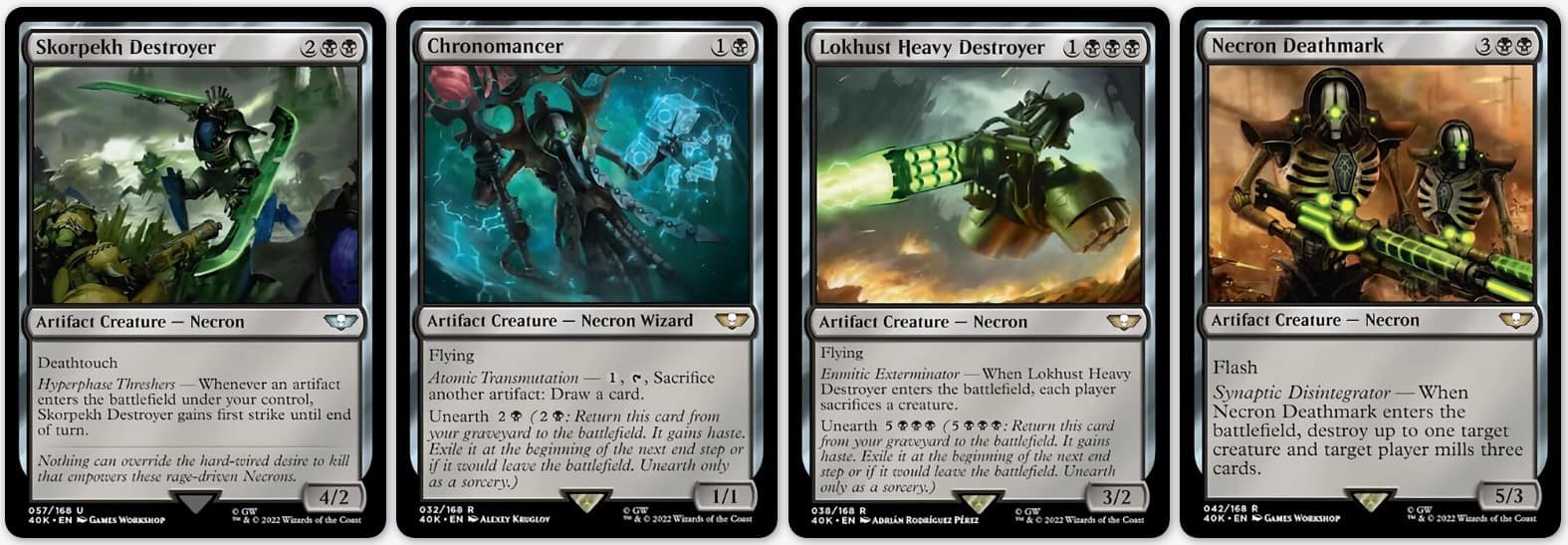
 Filling the yard is the other half. Technomancer is the workhorse: it enters, mills three, and returns any number of artifact creatures with total mana value six or less straight to the battlefield, so one card can rebuild half a board. Unearth on your smaller artifacts covers the same job for one last swing.
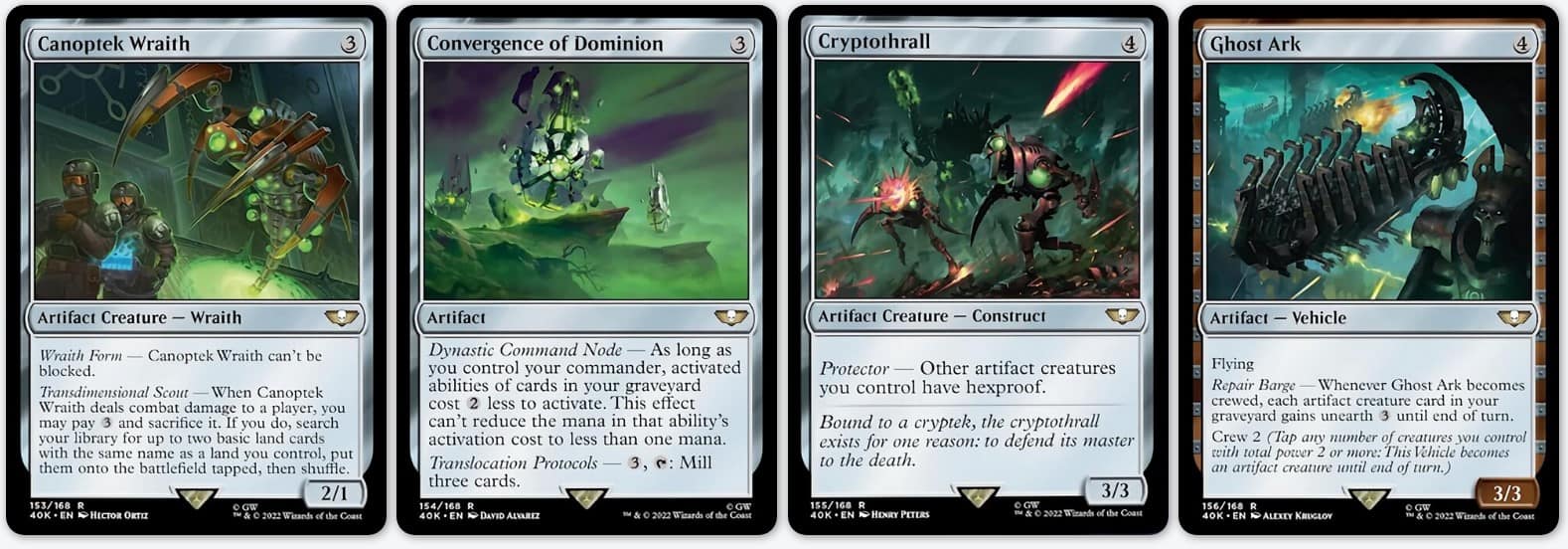
Convergence of Dominion is what makes the whole thing cheap. As long as your commander’s out, it discounts activated abilities from your graveyard, which is exactly what Ghost Ark and Trazyn want. Fill the yard, convert the yard to a board, repeat. That’s the engine, and everything else in the deck is feeding it.
Powerful Combos for Competitive Play
 Two combos matter here, and neither one shows up as often as the card descriptions make it sound. Both need setup and both fold to a single piece of interaction, so treat them as a payoff for a long game, not your plan A.
Trazyn the Infinite + Mana Rocks + Staff of Domination
The dream is Trazyn the Infinite copying a mana rock like Gilded Lotus in your graveyard, then using Staff of Domination to untap Trazyn and do it again for infinite mana, which Staff then turns into your whole deck or infinite damage. Realistically you’ll assemble this maybe once every several games, since it wants Trazyn, a rock in the yard, and Staff all online at once.
What breaks it: any instant-speed removal on Trazyn with the trigger on the stack, or graveyard hate that eats the rock you’re copying. If you don’t have Staff, Anrakyr or Convergence of Dominion can still grind value off the same pieces, just without the infinite part.
Convergence of Dominion + Ghost Ark
The more common one is Convergence of Dominion plus Ghost Ark: cheap activated abilities from the yard, plus unearth on your whole artifact army, and you’re recycling the graveyard onto the board every turn. Because Ghost Ark only needs a crew, you can trigger it again and again, and with Imotekh or Trazyn in the mix you’re banking tokens or mana each cycle.
This one’s more resilient than the Trazyn line, but it still dies to Rest in Peace or a well-timed exile effect. If Ghost Ark gets answered, Technomancer covers the same recursion job for a turn, just without the loop.
Necron Dynasties Decklist Strategy
 The game plan is simple to say and takes a few turns to set up: ramp hard early, build an artifact board in the middle, then use recursion to win the long game nobody else can grind out. Your resource priority is mana rocks first, then a recursion outlet, then a payoff like Imotekh or Shard of the Nightbringer.
Early Game Strategy
Keep hands with a swamp, a mana rock, and something to do on turn three. Wayfarer’s Bauble, Arcane Signet, Mind Stone, and Sol Ring are the cards you’re happiest to see turn one or two, because this deck does nothing exciting until the mana’s ahead of the curve.
Don’t chase the graveyard yet. Milling and recursion only pay off once you’ve got an outlet, so early self-mill without a Ghost Ark or Technomancer in sight just hands information to the table. And hold your commander if the board’s empty. Szarekh’s mill trigger is card advantage, but a turn-three attack into three open mana usually just feeds somebody a free removal spell.
Mid-Game Tactics
 By mid-game, your deck should start feeling like a fully functional Necron tomb world; creatures rising, artifacts humming, and your opponents starting to sweat a little. This is where you start amassing an army of artifact tokens and begin pressuring the table.
Imotekh the Stormlord shines during this phase. As artifacts leave your graveyard, Imotekh generates a small legion of 2/2 Necron Warrior tokens. This doesn’t just give you a body count advantage; it’s the start of a rolling wave of pressure that’s hard for your opponents to stop. And since Imotekh can give any of your artifact creatures menace and a +2/+2 buff, your attacking force becomes a lot harder to block.
Then there’s Anrakyr the Traveller, who brings a sneaky bit of power to the mid-game. He allows you to cast artifact spells from your hand or graveyard by paying life instead of mana. This ability keeps your hand loaded and your battlefield growing, especially when combined with recursion effects like Unearth or Technomancer.
The mid-game is all about sustaining pressure while building your board. Your opponents will start throwing removal at you, but that’s where the Necrons excel; destroy one, and another will soon rise to take its place.
Late Game and Win Conditions
In the late game, it’s time to assert total control. This is when your Necron MTG precon really goes into overdrive, using recursion and devastating creatures to seal the deal.
Szarekh’s Recursion and Combat Power
Your commander, Szarekh, the Silent King, is key to the late-game dominance. Every time he attacks, you mill three cards, and then you can return an artifact creature or vehicle from those milled cards straight into your hand. Szarekh ensures that your graveyard is more than just a resting place, it’s a staging ground for your army’s resurgence.
By this point, you’ll likely have a graveyard full of powerful artifact creatures ready to come back for another round. Use Szarekh’s recursion ability to pull out your biggest threats; whether it’s Trazyn the Infinite, Technomancer, or a vehicle like Necron Monolith, and swing in for lethal damage. Szarekh’s flying ability also makes him a hard-to-block commander, meaning you can rack up commander damage if needed.
Shard of the Nightbringer
When things start to get truly dire, it’s time to call upon the C’tan themselves. Shard of the Nightbringer is one of the most terrifying late-game finishers in the Necron Dynasties decklist. When this 8/8 flyer hits the battlefield, you can drain half of an opponent’s life total, rounded up, and gain that much life yourself. This isn’t just a slap in the face, it’s a full-on game-changer.
Using Shard of the Nightbringer at the right moment can swing the game in your favor, especially if you’ve been whittling down your opponents with your artifact creatures. The sudden life gain also puts you out of range of being killed by a well-timed swing from your opponents, giving you the breathing room to finish them off with your growing army.
Strengths and Weaknesses of the Necron Dynasties Deck
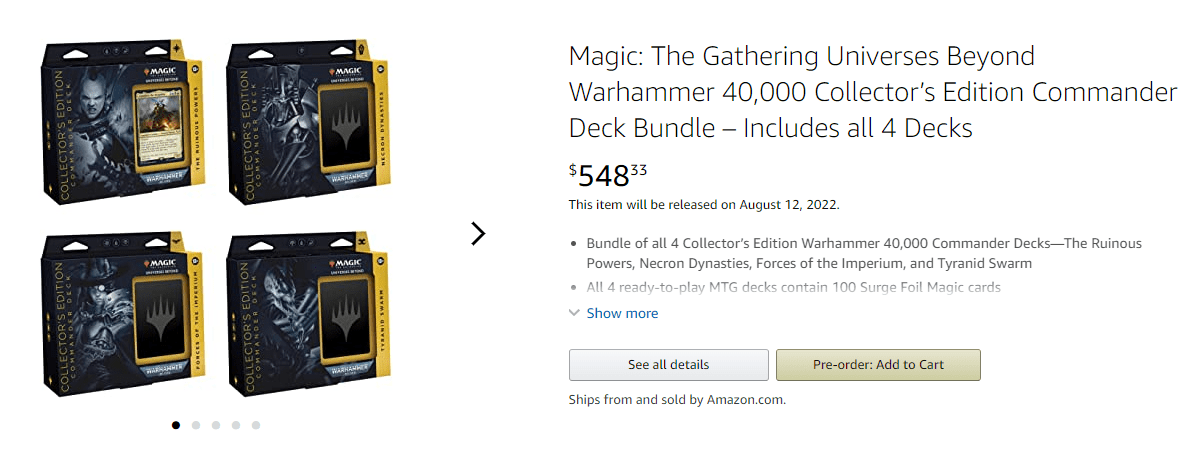 If you’re eyeing the Necron Dynasties Magic the Gathering deck, you’re probably wondering what this metallic menace brings to the table. Like any good army from beyond time and space, the Necron deck comes with both terrifying strengths and a few weaknesses that might leave you hunting for upgrades. Let’s dive into the perks and the pain points of playing with this unstoppable force of artifact synergy and graveyard recursion.
Strengths
The strengths are the engine we already walked through, so we won’t relist it. Recursion gives you a graveyard that works like a second hand, Imotekh turns that churn into a token army, and black mana backs it with removal and card draw. Where it actually matters is the matchup: against a go-wide aggro table you grind them out with blockers and lifegain, and against slower value decks you simply have more gas than they do. Where you feel the pinch is against decks faster than you, since the Necrons want the game to go long.
Weaknesses
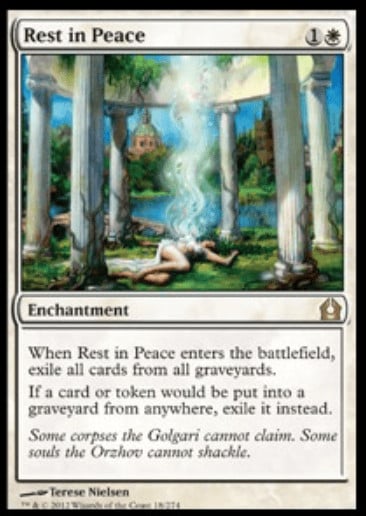 Vulnerability to Graveyard Hate
For all its strengths, the Necron Dynasties deck has a glaring weakness: graveyard hate. Cards like Rest in Peace or Leyline of the Void will shut down your entire strategy faster than you can say “Tomb World.” Since so much of your deck relies on pulling cards from your graveyard, a well-timed piece of graveyard hate can leave you scrambling for options.
Mono-Black Limits Flexibility
While black has its share of strengths, it also comes with a few limitations. Mono-black decks traditionally struggle with removing certain types of threats; particularly enchantments and artifacts. While you’ve got great creature removal, things like Leyline of the Void or Ghostly Prison can lock you out of the game if you don’t plan for them. If you face decks with heavy enchantment play, you might find yourself wishing you had a splash of green or white.
Suggested Upgrades for Competitive Play
If you’re tuning this for a stronger table, do it in order: fix the mana first, then the removal, then protect your combo pieces. Here’s what we’d swap and what comes out.
Add More Ramp
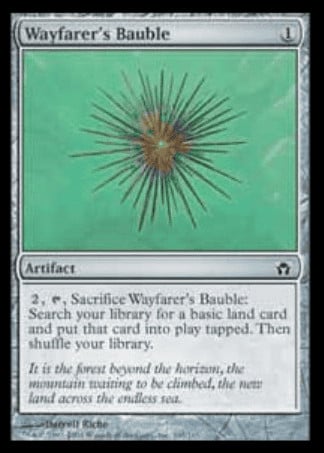 Priority one. Dark Ritual and Phyrexian Tower get your rocks and threats out a turn or two early, and the easiest cuts are the weakest lands and a filler creature or two you never miss. Budget path, add those two. Premium path, this is where a fast black tutor or an extra fetch-style land earns its slot.
More Removal
Priority two, because mono-black’s blind spot is enchantments and artifacts. Feed the Swarm handles the permanents your creature removal can’t touch, and Damnation is the reset when a go-wide deck gets ahead of you. Cut a couple of the vanilla Necron bodies that don’t do anything on their own to make room.
Combo Enablers
Priority three, once the deck’s consistent. Swiftfoot Boots and Lightning Greaves keep Szarekh and Trazyn alive through instant-speed removal, which is the difference between a combo turn and a blowout. Trim a redundant equipment or a weak artifact to fit them in.
Necron MTG Precon Lore and Warhammer 40k Connection
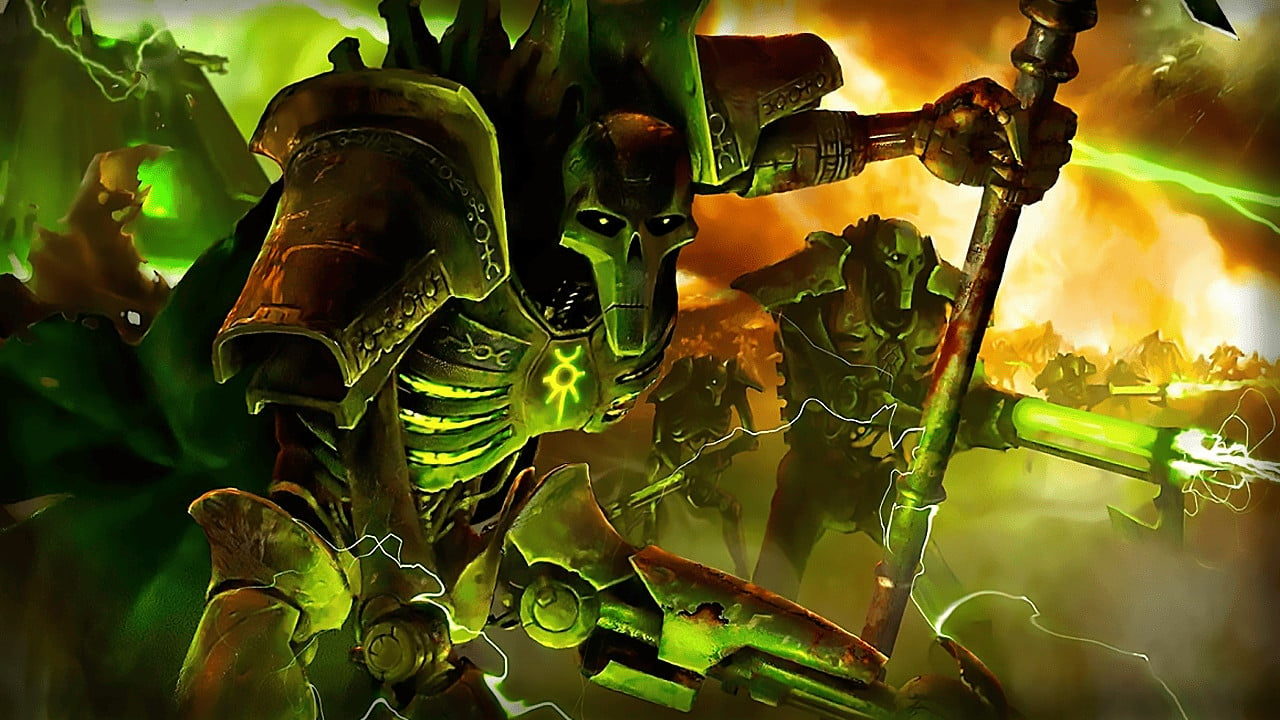 This is the one spot where the flavor and the rules line up perfectly, so it’s worth looking at.
Who Are the Necrons in Warhammer 40k?
The Necrons were the Necrontyr, a short-lived species that traded their souls to the C’tan for undying metal bodies, then slept in their tomb worlds for millions of years before waking up to reclaim the galaxy. That’s the whole pitch: they don’t die, they come back, and they’re patient.
Necron Dynasties and MTG Flavor
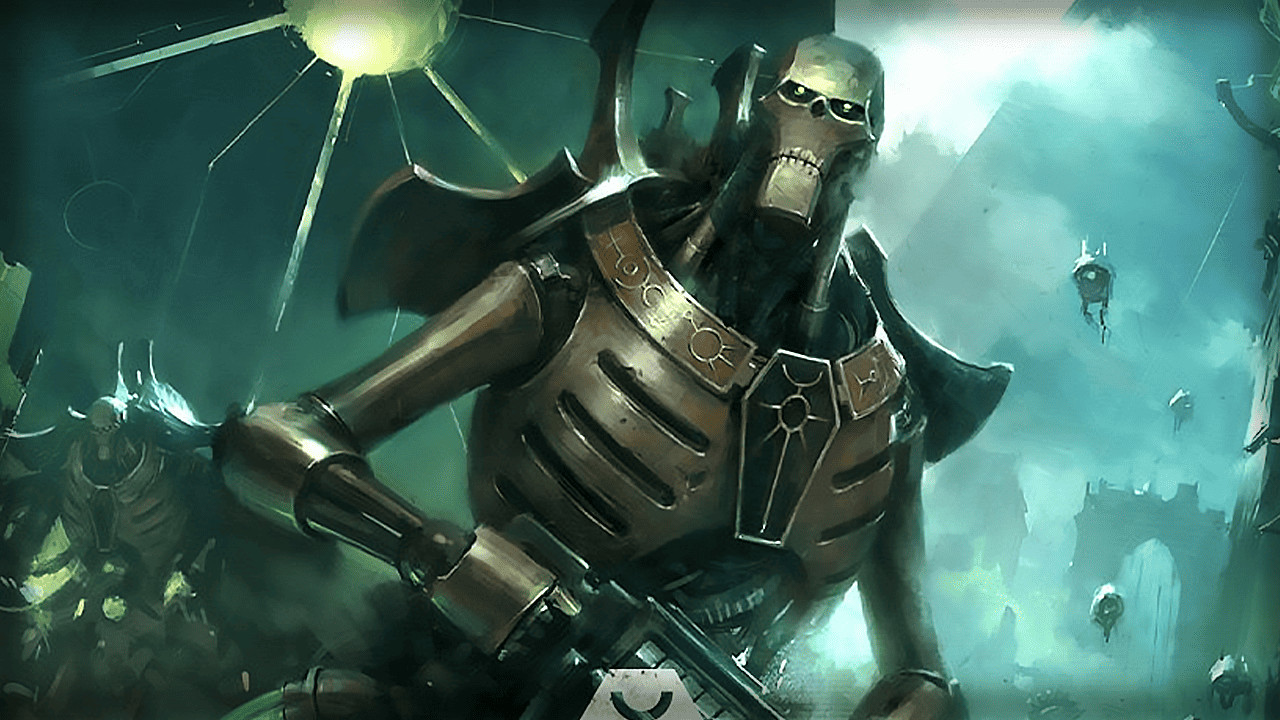 You can see all three of those ideas in the cards. The immortality is your recursion, every creature clawing back out of the graveyard. The patience is the mono-black grind, winning the long game instead of the fast one. And the awakening is Living Death, which reads like the whole army standing up at once. Biotransference doing the organic-to-machine conversion is the flavor bonus on top.
Price and Availability of the Necron Dynasties Magic: The Gathering Deck
If you want to pick one up, it’s still easy to find, and prices move around depending on where you look and whether anything’s on sale.
Current Pricing and Availability
Expect to pay somewhere in the low-to-mid three figures for a sealed copy, with online marketplaces and your local game store landing in the same rough range. Shopping around is worth it, since sales and used copies can knock the price down a fair bit. Buying from your LGS costs about the same and keeps money in your local scene, which is never a bad call.
Value of the Necron Dynasties Deck
So what’s actually worth money in the box? On the reprint side, Living Death is the headliner, a mass-reanimation spell that shows up in plenty of black Commander decks, with Caged Sun and Sceptre of Eternal Glory backing it up on the mana side and Mystic Forge keeping the artifacts flowing.
On the new-card side, Shard of the Nightbringer is the one people want, an 8/8 flyer that drains half a player’s life when it lands, with Biotransference and Their Name Is Death rounding out the flavor-meets-function picks. Put it together and the value splits cleanly: collectors get the reprints, players get a working recursion shell out of the box. Both walk away happy.
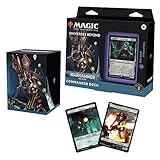
- 100-card ready-to-play Warhammer 40,000 Commander Deck— Necron Dynasties
- Black Deck—contains 2 legendary traditional foil cards plus 98 nonfoil cards
- Every card features Warhammer-themed art—including 42 cards that are new to Magic
- 1 foil-etched Display Commander
- 10 double-sided tokens, 1 life tracker, and 1 deck box
Last update on 2026-09-12 / Affiliate links / Images from Amazon Product Advertising API
Final Thoughts on the Necron Dynasties Magic the Gathering Commander Deck
 So who’s this for? If you like grindy, resilient decks that win by outlasting the table, the Necron Dynasties precon is an easy recommendation, and it’s one of the better out-of-the-box shells for artifact recursion you can buy without building anything.
Who should skip it? If your pod is fast and combo-heavy, or you just don’t enjoy playing from behind, this deck will feel slow, and one of the sibling 40k Universes Beyond Commander decks might suit you better. The most fun thing it does, honestly, is that Ghost Ark turn where your whole graveyard stands back up at once and the table realizes the board they just cleared is already back. That moment alone sells it.
Check the Current Price on the Necron Dynasties Deck
What do you think of the price and where to buy the new Magic the Gathering Warhammer 40k Necron cards, Decklist, and Precon?