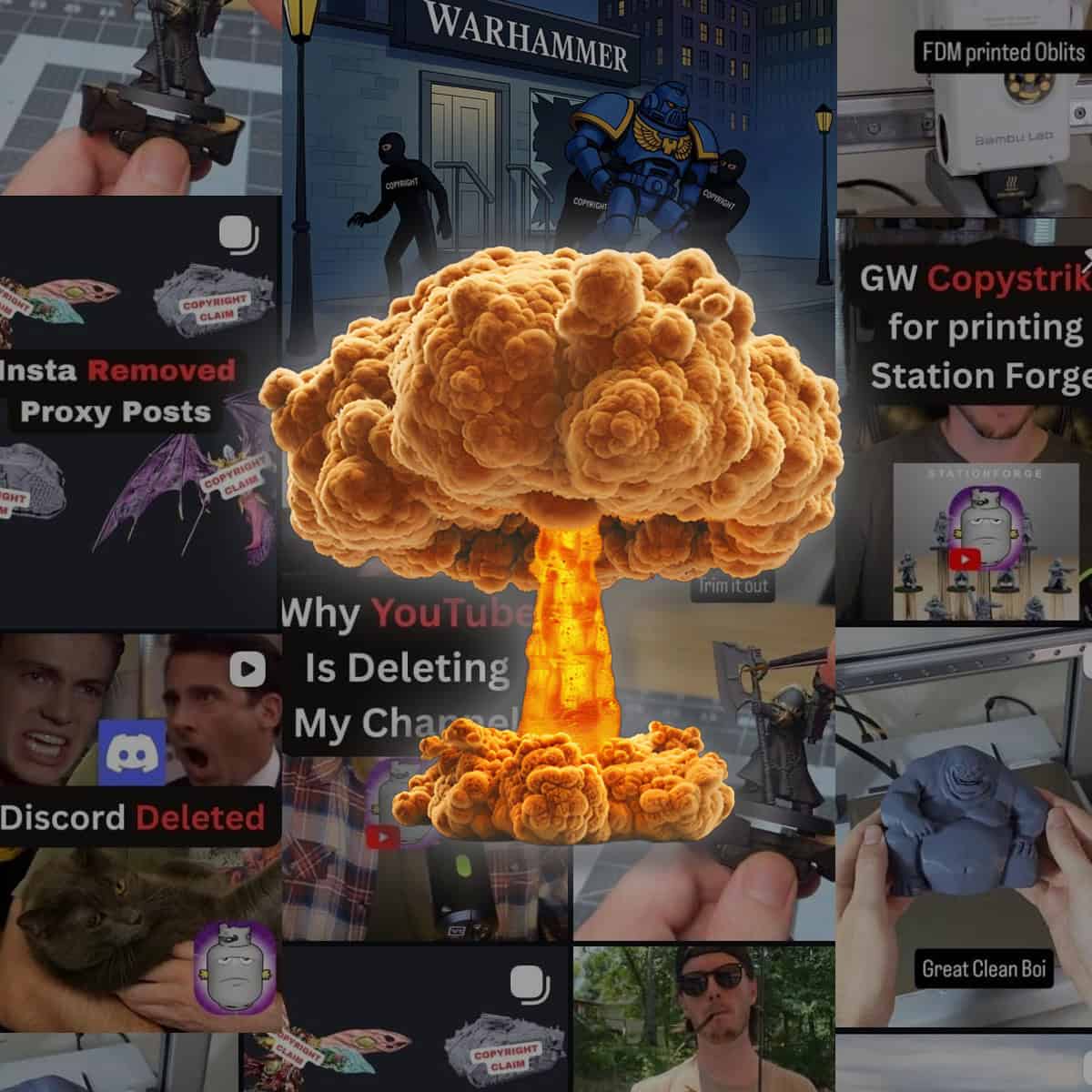
Games Workshop’s 3D printing enforcement wiped out a creator’s entire community, putting the spotlight on where fan content ends and IP infringement starts.
PropaneProd recently landed on the wrong side of that line, accusing Games Workshop’s enforcement of takedowns of his platforms and posts. As it stands right now, his whole Discord server has been removed along with his YouTube channel, and Instagram has removed some of his posts as well.
This particular case stands out because he isn’t the usual target for this type of alleged enforcement. There’s obviously a difference between posting a painted miniature and showing how to 3D-print models that even resemble Warhammer slightly. Somewhere between those two things is a line GW will nuke you for crossing, but nobody can tell creators exactly where it sits.
But anyone who’s watched GW chase 3D printing over the past few years probably wasn’t shocked. We’ve followed this mess since GW opened the war against 3D artists, even while GW 3D prints all its own miniatures it goes after other people doing the same thing to protect its IP.
View this post on Instagram
The AI Crawlers Never Saw You Buy the Real Kit
ARTICLE SUMMARY
- The take: GW’s AI copyright net is a blunt tool that catches people who are infringing, and those who also probably don’t deserve the full treatment, but going after clones of its own models is exactly what a company is expected to do.
- Latest example: PropaneProd buys, paints, and shows real GW kits, but the same channel also featured FDM-printed versions as well that are near 1:1 copies.
- What it may mean: Intent doesn’t protect you. What matters is how closely your work resembles a GW sculpt, and every creator needs to think about that before uploading.
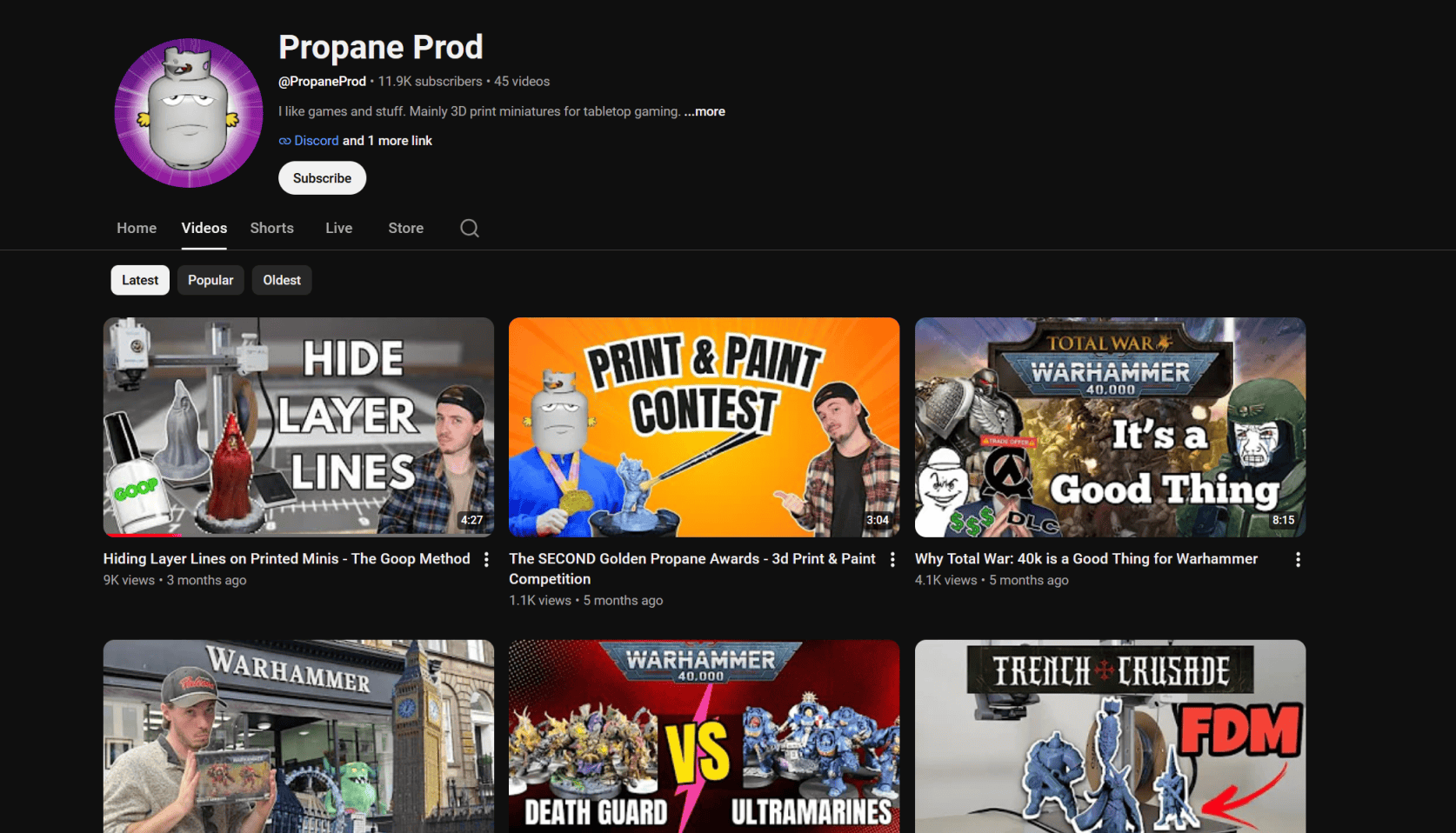
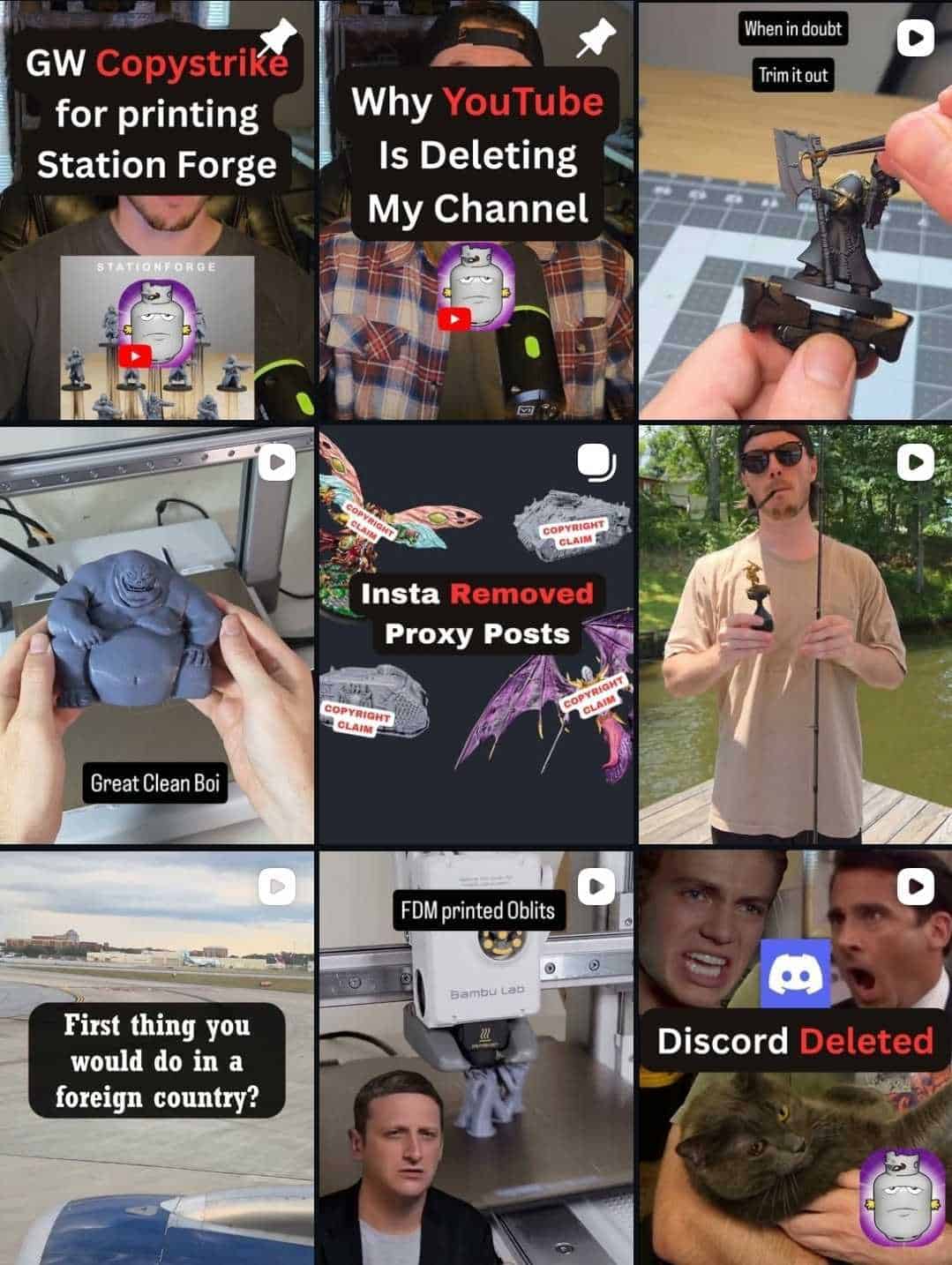 This is where the whole thing gets frustrating for PropaneProd, who isn’t an anonymous recaster hiding behind a storefront on Etsy. He buys real GW kits, posts them, and paints as well. I mean, from the looks of it, he’s actually a very talented hobbyist who isn’t afraid to share that with his community.
The problem is, the same feed currently also features FDM-printed Obliterators, what looks to be a 1:1 copy of the old Forge World Great Unclean One with some of the Nurgle IP removed, and an alternative Fulgrim model from another artist that’s technically changed but still close enough to make you look twice.
And that second look is the problem.
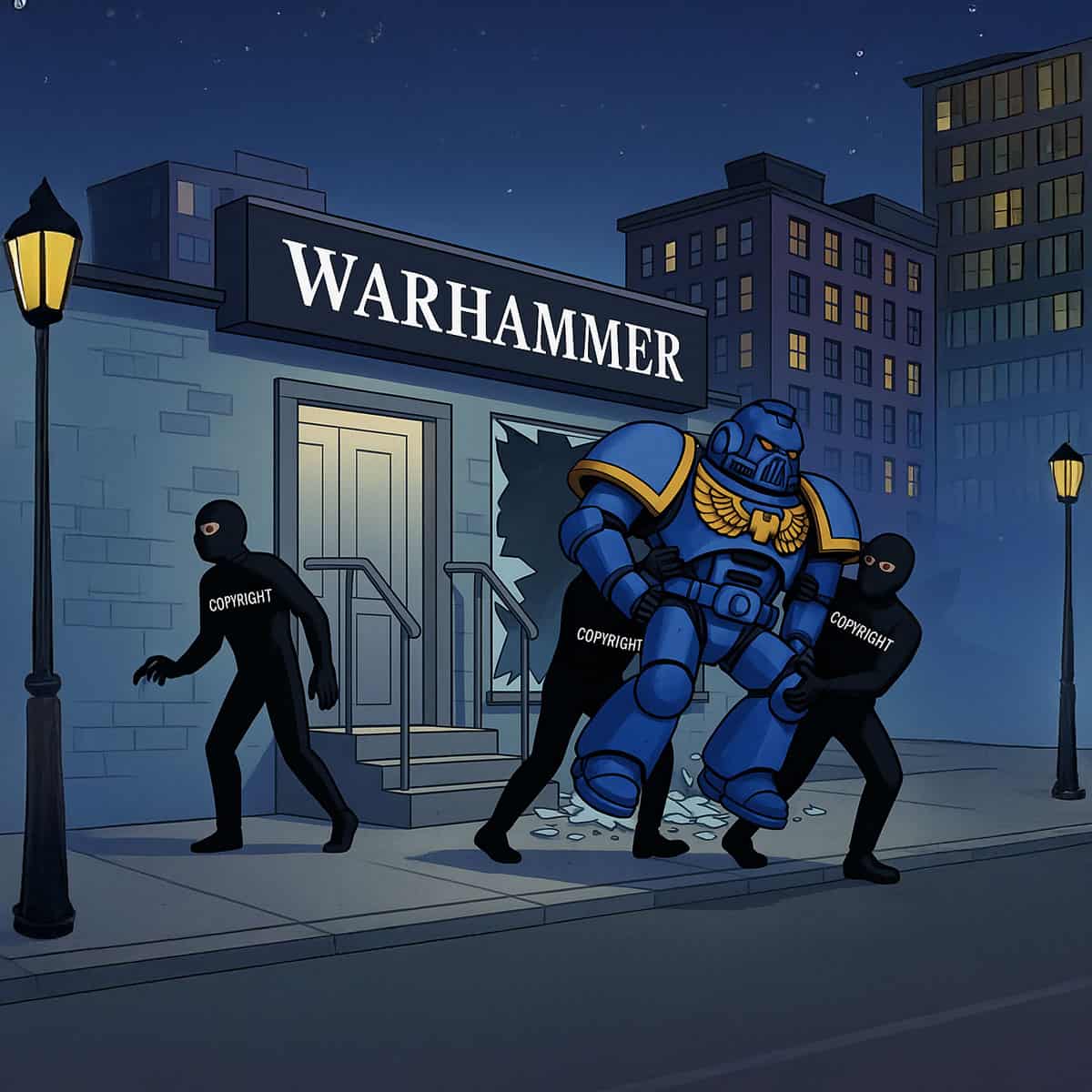
GW uses AI to find copyright issues, and its own IP guidelines don’t exactly hide that fact. The crawlers can’t tell whether somebody built a file from scratch or if it came from somewhere else. It’s the same broad sweep that pulled hundreds of designs off the Cults platform and led to hundreds of sellers worldwide getting their assets frozen as well.
These agents don’t care how much real plastic you buy; anything that looks close enough to a GW model can get flagged, regardless of intent.
GW Pretty Much Has to Swing at Stuff Like This
 The easy anti-corporate version of this story is obvious. Huge company crushes hobbyist, roll credits, right? GW has earned that reputation plenty of times, but this case has less to do with GW being uniquely awful and more to do with how intellectual property works.
We saw the same problem when GW went to court over copyrights with Chapterhouse too.
In North America especially, companies are expected to actively defend their IP. Let recognizable copies circulate without challenging them, and those protections can start getting weaker.
Once GW sees a channel distributing or promoting obvious copies of its designs, doing nothing isn’t really a neutral option. GW also doesn’t even have to be the one behind every claim, as one 40k YouTuber learned when another third party came knocking.
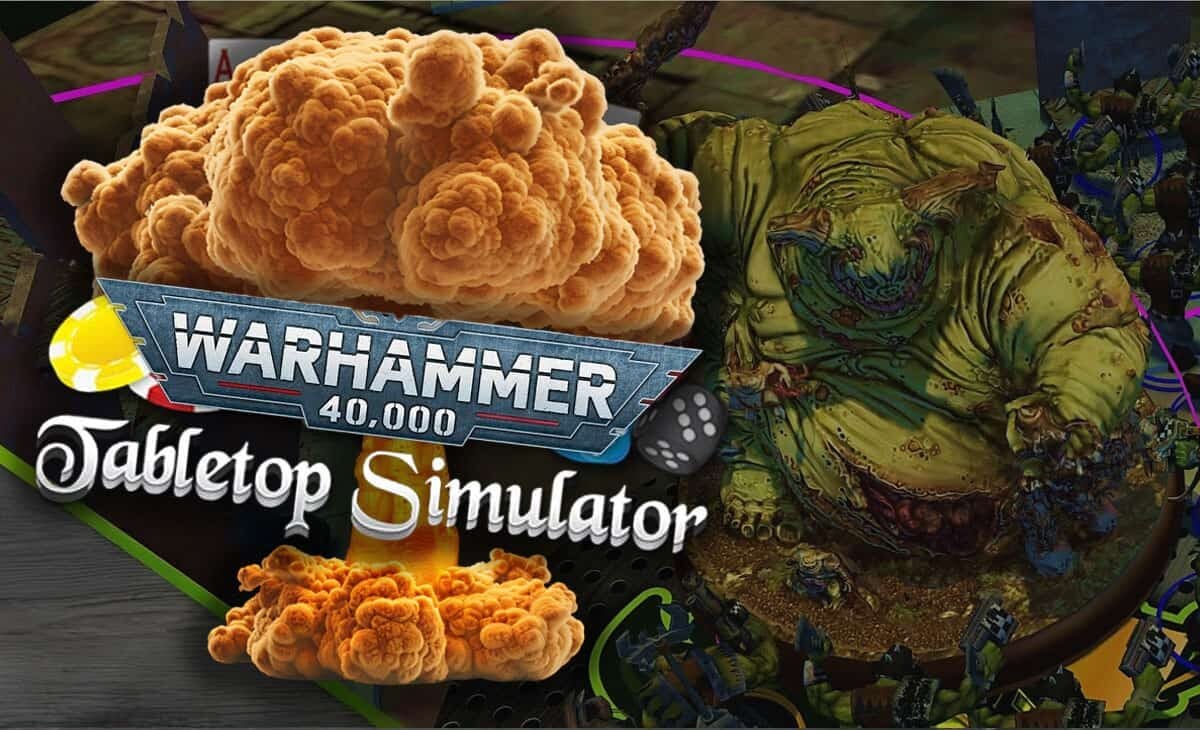
Tabletop Simulator another good example too. It can host a fan-made Warhammer 40k game packed with copied rules, armies, and models. Anyone who understands IP enforcement knew GW would eventually move against it in the way they did. Now, on paper, they look like they took action, even though you can still find those files pretty easily and it hasn’t really impacted things that much.
The channels catching strikes usually aren’t chosen at random, either. Follow most of these cases, and you’ll find people posting models, files, or branding that clearly lean on GW’s designs. It’s usually not a painter getting wiped out for showing how to paint a Space Marine Ultramarines blue.
The Sky Isn’t Actually Falling Though
 Every takedown seems to start the same doom spiral: “The hobby is dead,” “Print everything now,” “GW hates its customers,” etc.
Look closer, though, and a lot of these cases lead back to channels and stores using very recognizable Warhammer-adjacent models, files, or branding. That’s even the same pattern behind GW striking more 40k creators on YouTube and even cracking down on cosplayers and LARPers.
But that’s still a long way from GW coming after your paint desk in your own home.
There’s also a bigger argument that usually gets ignored here too. If every miniature became free to print and copy overnight, we probably wouldn’t get much more new products and support for the games we currently play.
Buying a kit, building it, and painting it doesn’t feel the same as pulling another clone off a print bed and moving on to the next file either. And that attachment is a big part of what keeps people invested in the Warhammer hobby, and honestly a lot of what defines it.
Warhammer (or any miniatures game) was never “easy”.
So Where’s the Line on Games Workshop 3D Printing?
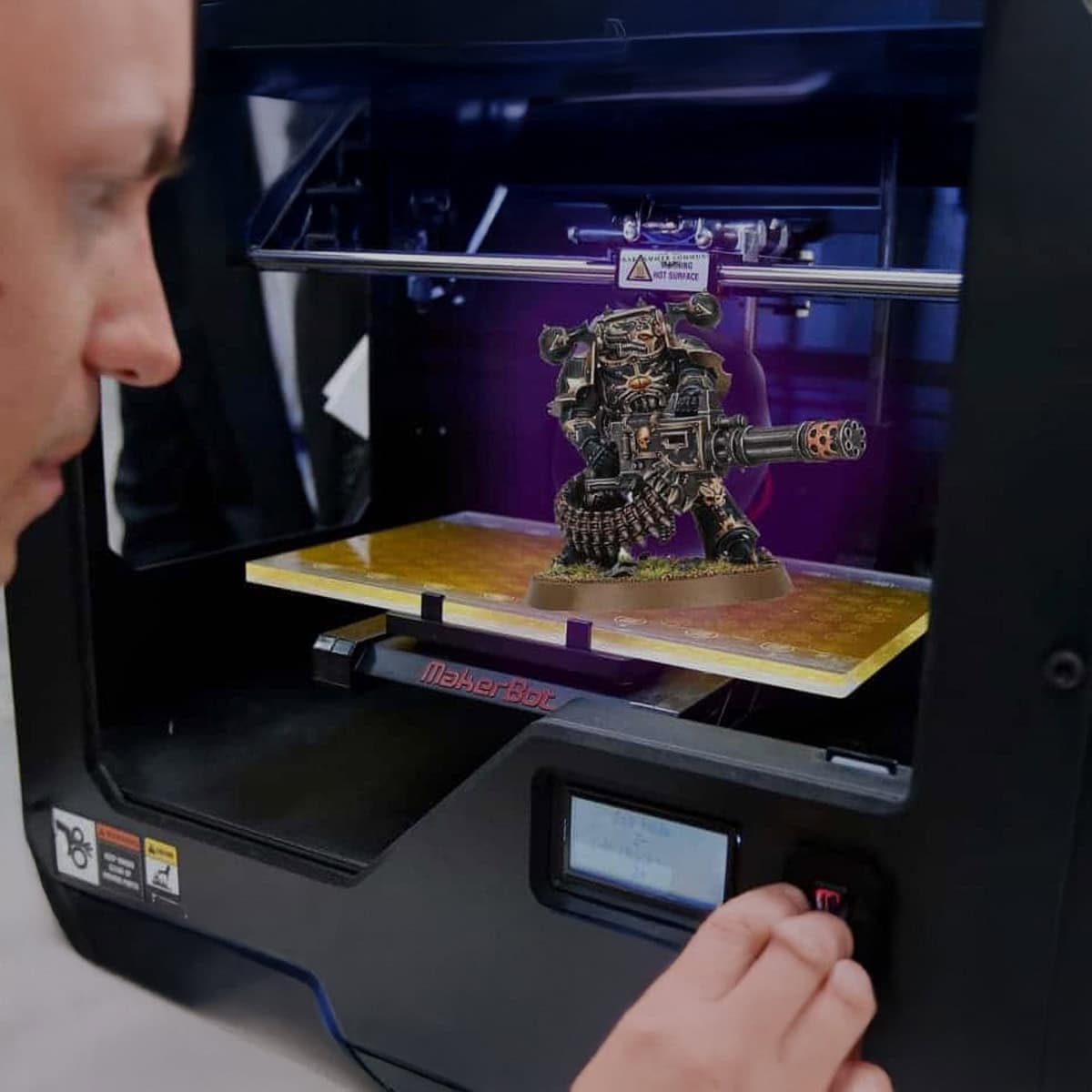 The honest answer is that nobody outside GW’s legal department can draw that line for you. Film yourself painting a printed proxy, and you might be fine for years. Upload content about a proxy Fulgrim, and you’re rolling the dice that you may lose more than you bargained for.
Final Thoughts on Games Workshop 3D Printing
GW’s AI enforcement dragnet is blunt. It can wipe out people who probably didn’t deserve the full punishment, but it will also get a lot of the targets right too, and that’s a real problem worth calling out. Plus, they’re not the only ones scanning online platforms for potentially infringing content either; the platforms themselves also employ similar enforcements.
A company protecting its miniatures from 1:1 copies, however, may not be the scandal some creators want it to be, and pretending otherwise won’t help anyone who wants to build a channel or even a community that survives.
For now, though, the 3d printing Warhammer line will stay blurry because GW hasn’t published a real set of guidelines (and they may never). Until that changes, creators are stuck with the same basic warning: the more your work looks like a GW or Warhammer model, and it isn’t, the more you’re betting your entire community on nobody noticing.
🔗 Related Reads:
- Games Workshop Opens the War Against 3D Artists
- Yes, Games Workshop 3D Prints All Their Warhammer Minis
- GW Cancels Hundreds of 3d Designs On Cults Platform
- GW Strikes More Warhammer 40k Creators On YouTube
- GW Updated Their Intellectual Property IP Guidelines
- Another 40k YouTuber Gets Hit, But Not By GW
Where do you think the line sits between showing off your 3D printing and crossing into IP infringement?