Miniature paint ranges keep getting bigger, but are hobbyists getting better options or just more bottles competing for shelf space?
Mini painters have more paint choices than ever, and that sounds awesome, right? Well, until you’re a new hobbyist staring at a wall of bottles, trying to figure out why one person online swears a paint is amazing while someone else says it’s basically melted sidewalk chalk.
And that’s where all these new paint ranges start becoming a problem. Competition is fine, and there’s nothing wrong with another paint range showing up. But miniature painting is a pretty specific corner of the hobby. Not every company jumping in seems to get what makes paint work on tiny plastic, resin, and metal models. And when the marketing gets ahead of the actual product, especially with influencers pushing it, new painters are usually the ones dealing with the headaches.
Do We Really Need More Miniature Paint Brands?
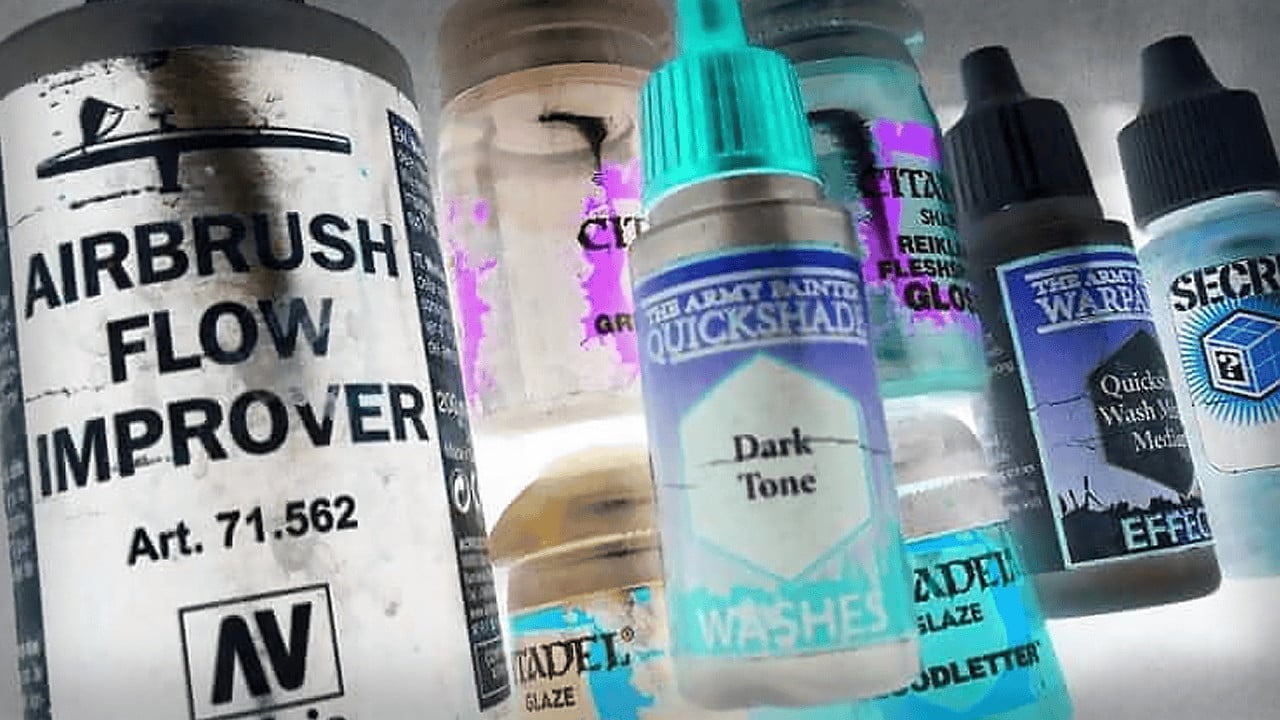
 Even if you take Games Workshop out of the equation, there are already a ton of miniature paint brands fighting for space on store shelves and painting desks. You’ve got Vallejo, Army Painter, Two Thin Coats, Monument’s Pro Acryl, Scale75, AK Interactive, P3, Squidmar, and plenty more. And they all have their fans. Some are great for smooth basecoats, others work better through an airbrush, and some have the metallics, washes, inks, speed paints, or specialty effects people really like.
Now think about that from a game store owner’s side of the counter. There’s only so much room for paint racks, and every new range needs a place to go. That’s space that could be holding paints people already buy, hobby tools, primers, basing supplies, or actual miniatures. And it’s not as simple as squeezing in a few more bottles. The shop has to sell them, keep them stocked, and make enough money to justify giving them shelf space.
And that’s just the store side of things. What about someone who’s just starting out?
You know how it goes. Someone grabs their first starter box, combat patrol, character model, or D&D mini. Then they walk over to the paint rack and get buried in options. Primers, base paints, contrast-style paints, washes, layers, technicals, mediums, varnishes, and whatever “must-have” color showed up in the latest tutorial. They haven’t even picked up a brush yet, and suddenly painting feels like studying for a test.
Throwing another brand into that mix doesn’t necessarily make things easier, especially if the company doesn’t really understand miniature painting.
Games Workshop Is Adding 150 More Paints to the Mix
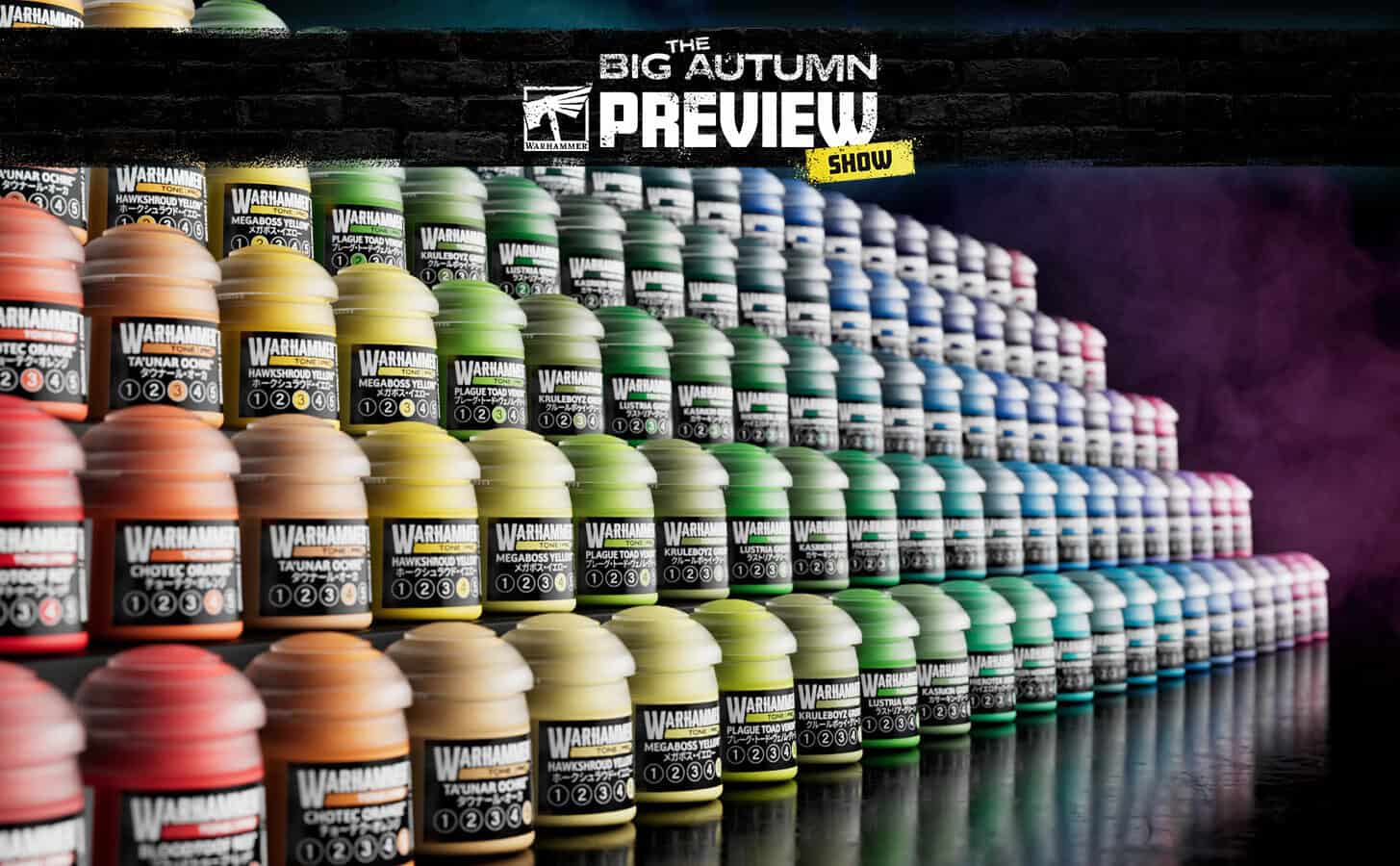
Apparently, Games Workshop took one look at all those paint racks and figured hobbyists could use another 150 paints. Because, sure, why not?
The new Warhammer Tone Pro paint range has 30 colors, with five numbered tones for each one, going from dark shadows up to bright highlights. They’re also adding two mediums for shading and blending, along with four new drybrushes. GW says the formula gives you better coverage, stronger colors, and smoother finishes, even with tricky colors like white and yellow.
And look, there’s actually a pretty good idea here. Having five tones that already go together could make highlighting and shading much less confusing. That’s especially useful when you’re new and don’t know which three oddly named paints are supposed to work together. If Tone Pro really delivers on coverage and self-leveling, it could make painting Warhammer minis a lot easier.
Of course, there’s still that whole issue of finding room for 150 more pots.
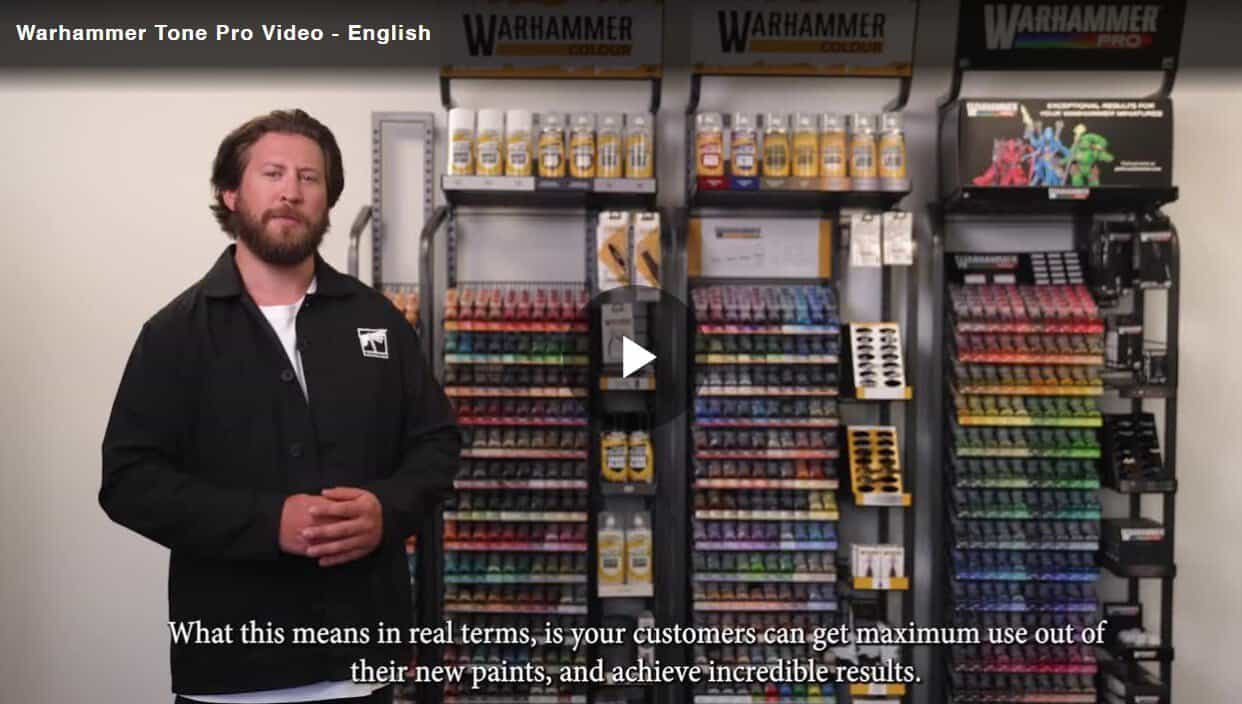
GW already sells a massive number of paints. Now independent stores have to figure out whether Tone Pro deserves another chunk of shelf space when they’re already carrying Citadel and all those competing brands. That’s a pretty big inventory commitment for a market that isn’t exactly short on colors.
And if you’ve already got a desk covered in paints that work just fine, do you really need to buy into another system? Or are you just paying for an excuse to rearrange your paint rack again?
More colors are cool, but that doesn’t automatically make them a better deal. And nobody needs to buy 150 new paints just because Games Workshop released them.
Squidmar Color Joins the Party With 72 More Paints
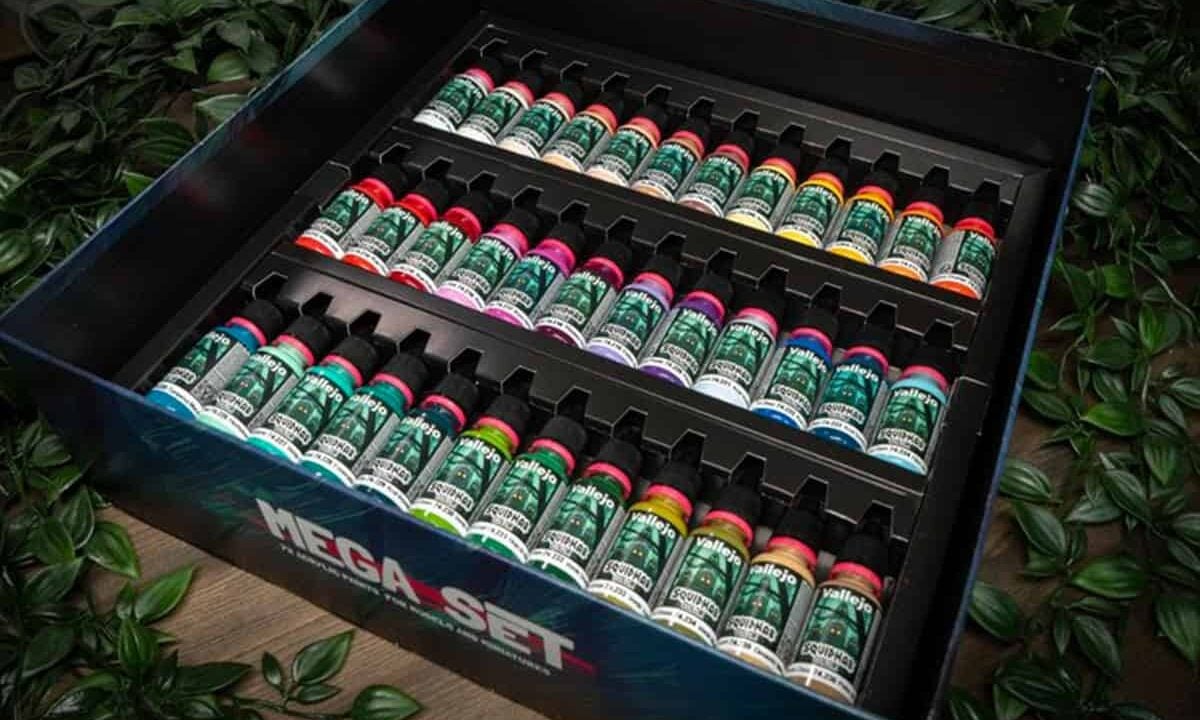
And speaking of finding room for more paint, Squidmar Miniatures is getting in on the action too. Their new Squidmar Color range brings another 72 paints to the hobby, developed alongside Vallejo.
You’ve got 48 acrylic colors, seven metallics, five fluorescents, and 12 inks. There’s a smaller 30-paint Essentials set, plus the full 72-paint Mega Set for anyone who somehow still has an empty spot on their painting desk.
To be fair, Squidmar isn’t exactly new to painting miniatures. Emil and Lukas have been painting professionally for years and have built a big following with their tutorials. And they’re working with Vallejo, which already has plenty of experience making miniature paints.
That’s a much better place to start than putting a popular creator’s name on a bottle and hoping everyone buys it.
But there’s something worth talking about here. Squidmar has already teamed up with Vallejo on curated paint sets. Now they’ve got a complete range based around the colors, techniques, and painting style they prefer. The idea is that painters can do more with a thoughtfully chosen palette instead of buying hundreds of random colors.
Which is a little funny when you’re making that argument by releasing another 72 paints.
Still, the smaller Essentials set and the painting tutorials could be genuinely useful for beginners. If they help someone buy only the colors they need, great. But that’s also where the bigger question comes in. What does this range offer that painters can’t already get from Vallejo, Pro Acryl, Army Painter, or the other established brands?
Squidmar Color could be fantastic. But having a popular YouTube channel and a respected paint manufacturer involved doesn’t automatically give painters a reason to replace bottles that already do the job.
Acrylic Paint Isn’t Automatically Miniature Paint
 Painting a miniature isn’t the same as painting a canvas. We all know that, right? But some companies coming into the hobby seem to miss that part.
Acrylic paint might look amazing on paper, canvas, terrain, or craft projects and still be an absolute pain to use on a 32mm miniature. We’re talking about tiny armor trim, rivets, clothing folds, faces, weapons, and all those little details. Just looking good on a color swatch isn’t enough. The viscosity, opacity, pigment density, flow, finish, and how the paint behaves on the model all matter.
A good miniature paint should thin the way you expect it to. It should cover the model without filling in details, stick to primer, and not suddenly turn chalky, gummy, overly glossy, or weirdly transparent after three coats. Nobody wants to finish a basecoat and realize they’ve filled in a face, buried a panel line, or made their edge highlights look like little lumps.
If you’ve been painting for years, you can probably make a mediocre paint behave. Maybe you add some medium, glaze it, swap brushes, try the airbrush, or just decide that bottle is getting used on terrain from now on. But a beginner doesn’t know all those tricks. They watched a tutorial, followed along, and now they’re wondering why every new layer seems to make the model worse.
When Paint Hype Becomes Bad Advice for Beginners
 And this is where influencers can make things worse.
Think about someone just getting into Warhammer 40k, Age of Sigmar, Star Wars: Legion, Dungeons & Dragons minis, or another tabletop game. They find a creator they like, watch their painting videos, and naturally start looking for the same paints. Makes sense, right? YouTube, TikTok, Instagram, and Discord are where a lot of people learn now, instead of sitting around at paint night in their local game store.
The trouble starts when a brand without much miniature painting experience gets its products in front of those beginners through creator marketing. Suddenly, seeing that paint in a trusted tutorial makes it feel like a recommendation, whether the product has really earned it or not.
And if the paint streaks, fills details, needs some strange thinning method, dries rough, or barely covers the model, who do you think the beginner blames? Usually themselves. They don’t know the paint might be the problem. They just figure they’re terrible at painting because the person in the video made it look so easy.
That’s a pretty lousy introduction to the hobby.
Bad Paint Can Turn Beginners Off the Hobby
 Honestly, painting miniatures should be one of the fun parts of tabletop gaming. It’s where that pile of grey plastic finally becomes your army, warband, favorite character, or ridiculously dramatic squad of tiny murderers. And for a lot of us, it’s a big part of getting attached to our models before they ever hit the table.
But think about a new player whose first few painting sessions are nothing but frustration. The paint won’t cooperate, the model looks messy, and they’re not having fun. It’s pretty easy to see how someone could decide painting just isn’t their thing.
And it doesn’t stop with that one painter, either. Painted armies make events look better, and putting time into your models helps you feel more invested in them. Escalation leagues, hobby nights, army showcases, store campaigns, and tournament tables are all better when people actually want to paint and don’t feel like they’re fighting their supplies.
A lousy first experience can mean more than wasting money on a few bottles. It might be enough to make someone put down their brush for years.
Which is a shame, because learning to paint minis already involves a lot. You’re figuring out brush control, thinning, priming, shading, highlighting, basing, and color choices, sometimes all at once. The last thing you need is paint that makes those early attempts harder because a company decided miniature painters looked like a good new market to penetrate.
Final Thoughts From Us: Miniature Painters Need Better Recipes, Not More Hype

Look, there’s nothing wrong with another company making miniature paints. There’s absolutely room for brands that make good products and understand what miniature painters need. But they have to prove that first, especially if they want beginners to spend money on their paints.
Creators have a part to play here too. If you’re showing off a paint, tell people what it does well and where it struggles. Is it something you’d hand to a first-time painter, or is it better suited to someone who’s been painting for years and likes experimenting with unusual stuff? That kind of advice is a lot more useful than just telling everyone they need another bottle.
More paint choices aren’t a bad thing. The problem is when marketing hype gets treated like good hobby advice. If a new paint makes painting easier, great. If it just makes somebody’s first mini look like it got dunked in house paint, then what’s the point?
🔗 Related Reads:
- Warhammer Tone Pro paint costs twice as much as its biggest rivals
- Games Workshop axes Contrast paints with Tone Pro on the horizon
- Warhammer Tone Pro paint price, release date, and all 30 colors
- New Mini Colour paint line from Cult of Paint and Artist Opus
- Pro Acryl 1-Step is Monument Hobbies’ answer to Contrast paints
- The Army Painter’s D&D paints level up your minis
- Best miniature painting supplies, accessories, and hobby tools
Do you think the paint market is getting overcrowded with brands that don’t actually understand miniature painting?