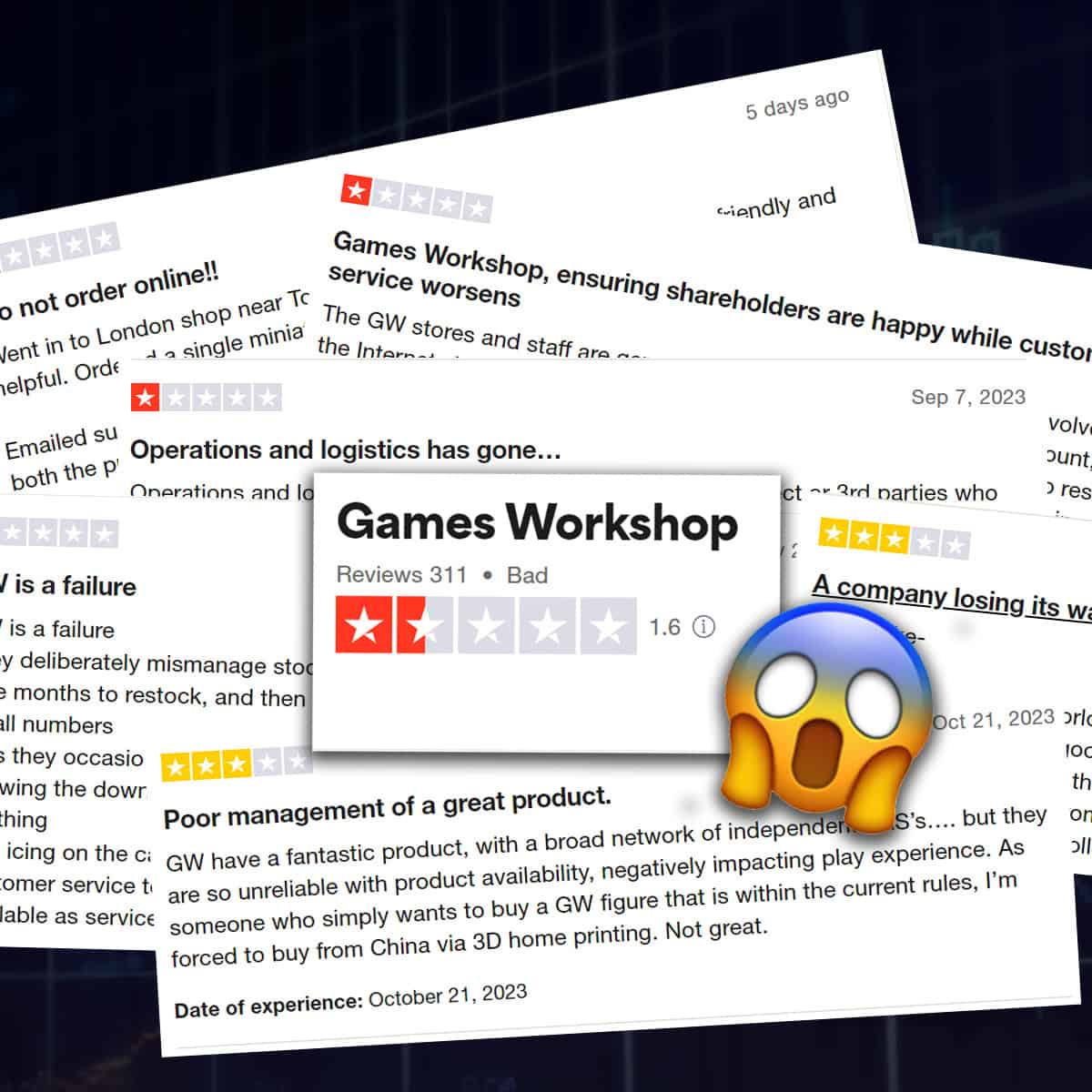
The Games Workshop controversy gets messy after Warhammer fans questioned their decisions, communication, releases, and long-term support.
Recently, GW put out the Space Marine Legends list, and the problem is that Dreadnoughts showed up later, like they’d been there the whole time. GW didn’t even put in an update notice or correction on their article to address it. Basically, they did nothing to tell someone who read the original version to go back and check it again.
That’s almost worse than the retirement list itself that some hobbyists are still fuming over. Once hobbyists figure out that what Warhammer Community says on Tuesday might quietly say something different by Friday. So literally everything Games Workshop says (especially something like Legends) starts feeling less concrete, and more like a first draft.
We’ve lived through plenty of changes, like edition resets, codex creep, price hikes that arrive like clockwork, discontinued kits, and balance swings that can turn an army from hot to shelf decoration and back again. Change isn’t really the problem. It’s the feeling that GW can change the deal after the fact and never bother to tell anybody.
When you add the Space Marine Legends cuts to the lore arguments, muddy AI answers, launch boxes stores can’t get enough of, and years of manufactured urgency, they stop looking like five unrelated complaints.
They all come back to the same question: do hobbyists trust what GW is telling them, especially while 40k keeps reaching much bigger audiences?
- The Issue Now: GW’s biggest problem right now isn’t pricing, Legends, FOMO, or thin stock as separate fights. It’s what happens to community trust when all of them pile up together.
- Latest Example: the Space Marine Legends article apparently gained extra Dreadnought entries after publication without clearly telling readers the page had changed.
- What May Start To Happen: veteran hobbyists start treating every GW announcement as something they need to double-check later, while having more alternatives for their hobby money than ever.
GW Added Dreadnoughts to a List It Had Already Published
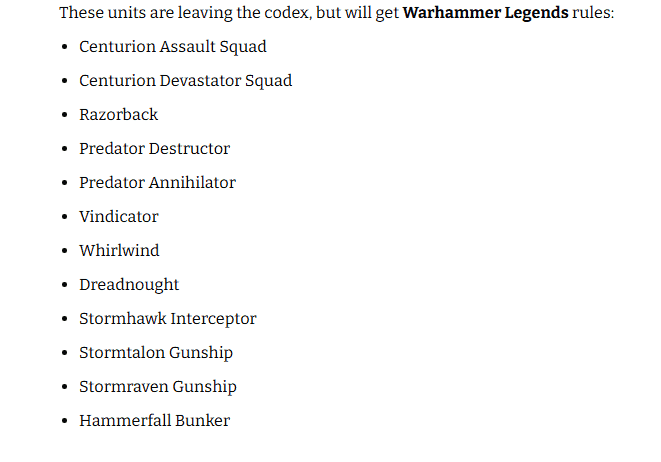 By now you’ve probably heard: GW published the Space Marine Legends announcement, players read it, and the community, of course, did what it always does. People argued about it, made videos, wrote articles, and started figuring out which parts of their collections had just been benched.
Then the article was updated afterward with the additional Dreadnought unit, without anything on the page telling readers the list had changed. So, the only way you found out was through other sources, not GW themselves.
So somebody who read it on day one reasonably thought they knew what was being retired, but it turns out they needed to check again.

Games Workshop reassured its audience on social media in 2017.
There may be a completely innocent explanation for how that happened, but the communication problem is the same either way. If GW materially changes something this consequential after publication, it needs the boring stuff companies use for exactly this reason: timestamps, dated corrections, or a simple changelog sitting next to the current Legends rules and datasheets.
Even worse, they still haven’t officially announced their September 21st Price Increase to Local Game stores or even the public through Warhammer Community. We discovered it through a random page on their retailer resource page, which gets hardly any traffic. But it definitely seems like they didn’t want to draw much attention to it this year.
People spent real money and years of hobby time on these armies. They shouldn’t have to reread articles days later to figure out whether another unit disappeared, or jump through hoops to find out prices are going up on over 1600 items.
Legends Stopped Looking Like Housekeeping

Legends used to feel like somewhere GW parked models it genuinely couldn’t justify supporting forever, which is totally fair. Nobody expected every ancient metal character to keep a tournament datasheet until the end of time.
The problem now is how much is getting moved over there. Entire chunks of working collections are dropping out of mainstream play, and Marines have been hit especially hard because a lot of these aren’t weird little side units somebody bought once in 1998. They’re models people have owned, painted, converted, and played for 10, 20, sometimes 30 years.
Replacing an old sculpt is one thing. Telling somebody that the miniature they spent dozens of hours building no longer belongs in the game is hard enough, but it’s even worse when it’s a mainstay of not only the game, but the lore, art, and total feel of the Warhammer universe.
Obviously, they are turning some of these into proxies. Old Tactical Marines can become Intercessors around a friendly table. Plasma guns, heavy weapons, specialist squads, characters, and wargear aren’t always that simple. At some point you’re not proxying anymore; you’re rebuilding a squad you already finished.
The Female Custodes Fight Was About the Explanation, Not the Models
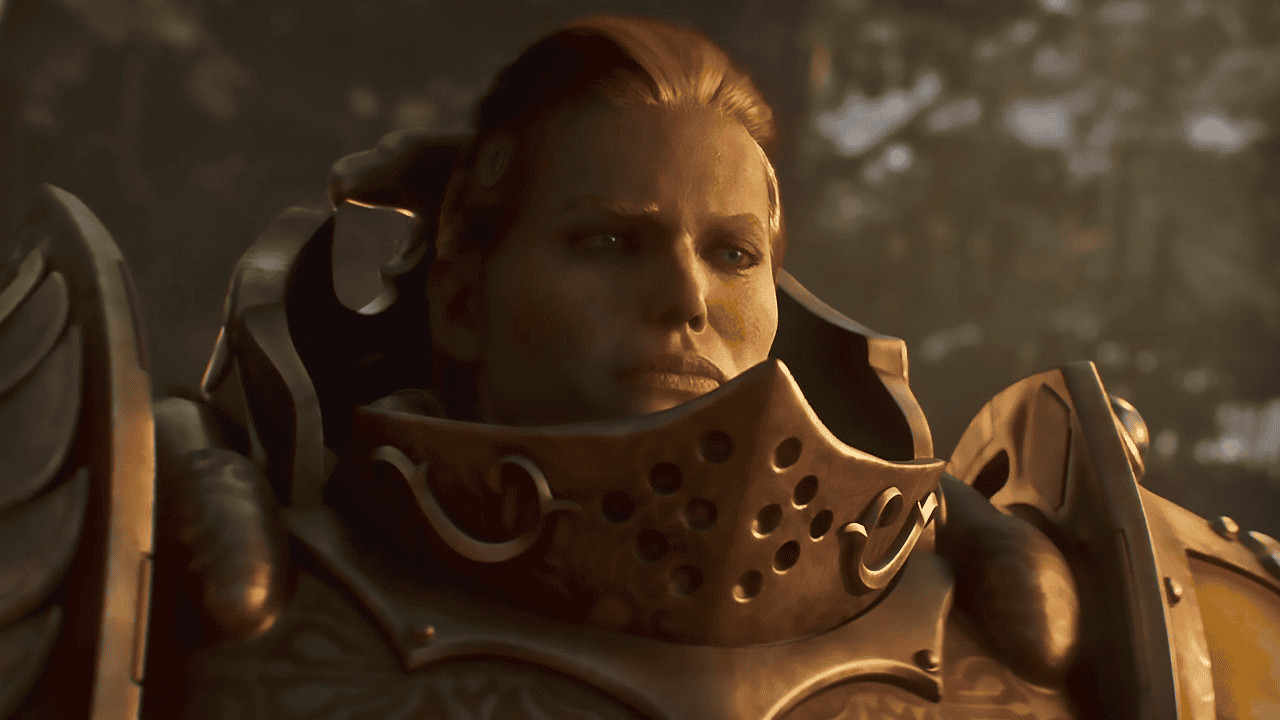 This one gets flattened into the wrong argument constantly, we think. The trust problem around female Custodes wasn’t simply that GW added them.
It was how the change was presented. GW’s position was effectively that female Custodes had always existed, while longtime readers were looking at decades of published Custodes material where that hadn’t meaningfully been established. Then GW made it worse with their social media responses, and instead of feeling like the setting was being expanded, plenty of people felt like they were being told they’d remembered the books wrong.
This should’ve been easy. Write the lore and come out with a couple of Black Library books. Explain how, when, or why female Custodes became part of the setting and move on. Warhammer rewrites its own canon constantly, and hobbyists have been arguing over retcons forever. What rubbed people the wrong way was pretending the canon hadn’t changed at all.
“We’re expanding this part of the lore” is completely different from “this was always true.”
GW’s AI Answer is Still What Scares Us The Most
 AI is another issue where a few plain sentences could clear up most of the argument, yet hobbyists and investors are still trying to figure out exactly what the quietly updated policy language means. Nobody outside GW actually knows where generative AI does or doesn’t touch artwork, writing, design, marketing, or internal production.
You don’t even need to have a strong position on AI to see why that’s a problem. Artists and writers want to know what they’re working alongside. Customers want to know what they’re buying. Shareholders want to know what the company is doing.
GW could clear up most of this pretty quickly. If it intends to keep Warhammer art and writing human-made, say so clearly. And if they’re using AI for limited internal applications, name them, because the gap between the public stance and the practice is already what people are arguing about.
If the policy isn’t finished, then just say so and tell people when to expect it.
Your Local Store is Taking the Blame for GW’s Bad Allocation Math
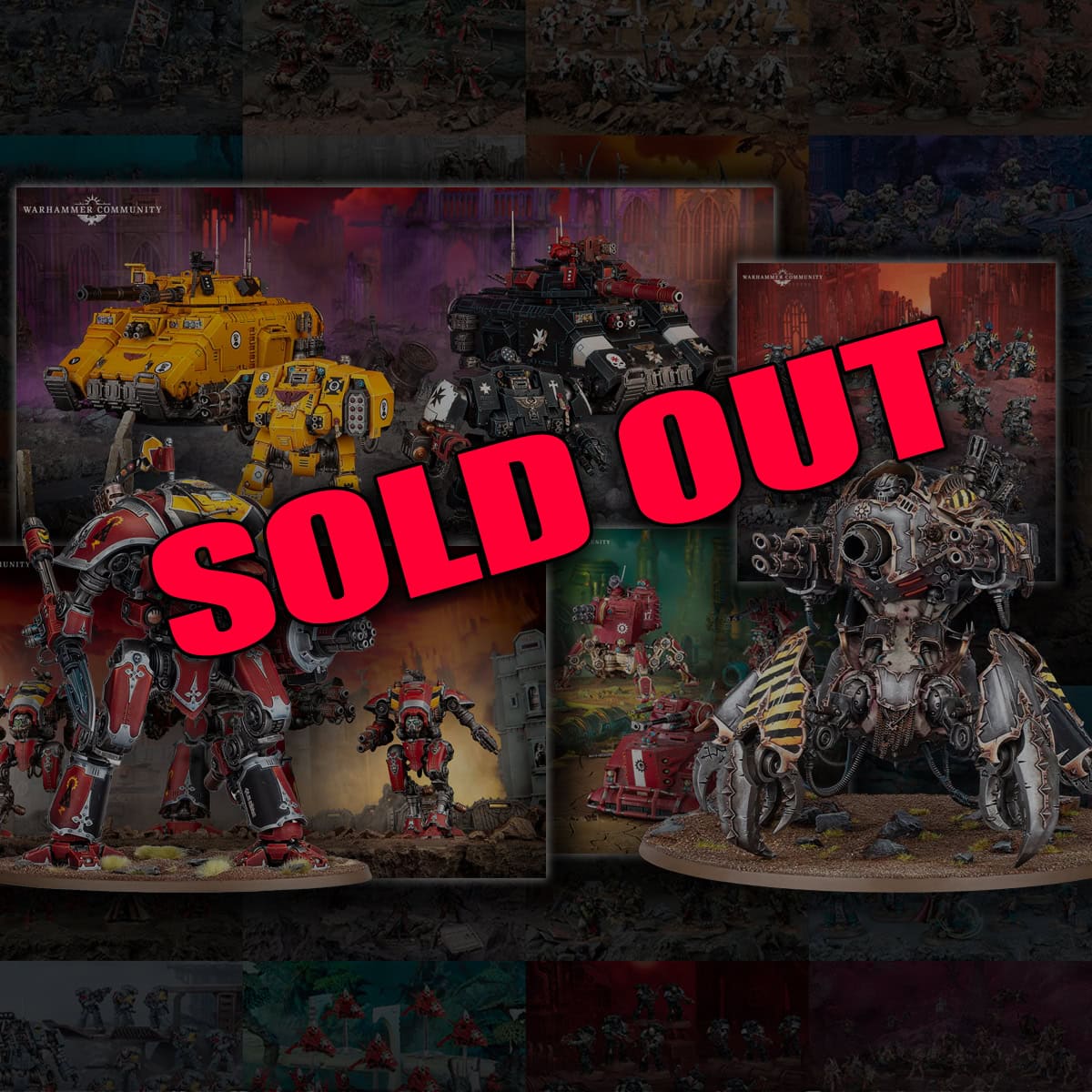 Players aren’t the only ones stuck dealing with this stuff. Local game stores depend on big Warhammer releases to bring people through the door, yet some of the hottest launches keep showing up with allocations nowhere near demand (or, worse, when GW knows a release won’t sell well, let stores order too much).
From behind the counter, that’s brutal. A store advertises the release, takes names, talks it up for weeks, and then finds out it’s getting a fraction of what customers asked for. Guess who gets to explain that on Saturday morning? Not GW, that’s for sure.
The store takes the heat for inventory it never had any control over.
Do that often enough and it gets harder for a retailer to justify tying up shelf space, cash, and promotional effort in releases where the actual allocation feels unpredictable. Other companies are sitting right there asking for the same money and floor space.
Shortages don’t erase demand either; they just send it somewhere else. A player who can’t buy the launch box can wait, then hit the secondary market, buy another game, or even, in some cases, start looking at a resin printer.
GW wanting to protect its IP and miniature business makes perfect sense, but every customer standing there ready to spend $200 with nothing available to buy gets nudged toward another game or company.
FOMO Only Works While Hobbyists Still Believe the Threat
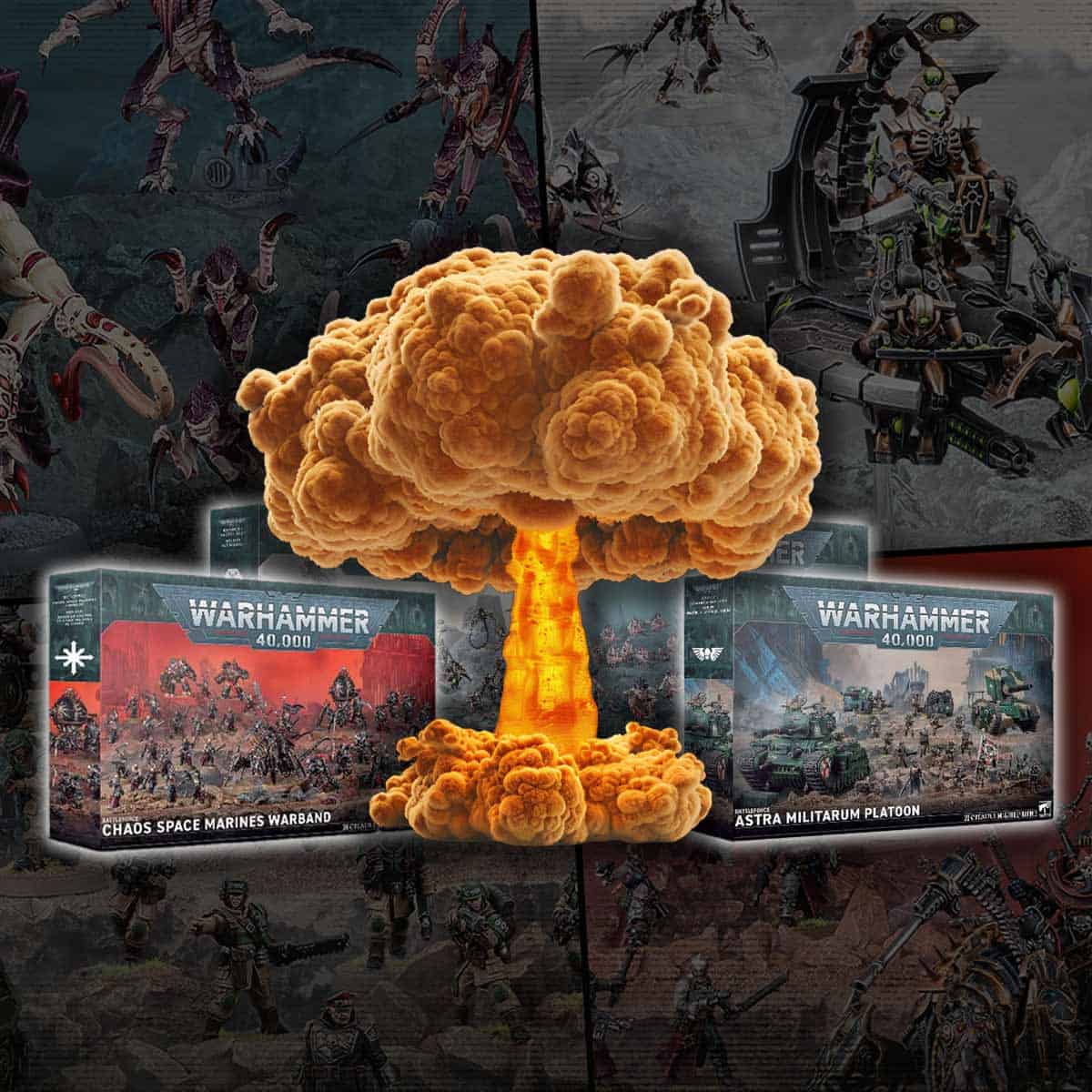 GW spent years teaching hobbyists that waiting on a preorder could mean missing it completely, and it worked. Launch mornings became a scramble, and selling out fast was framed as the plan instead of something going wrong.
Hobbyists learn both ways, though. When supposedly urgent army boxes and bundles are still available weeks or months later, people stop feeling the need to buy immediately.
Several large boxed releases have been hanging around this year, and at least some customers are clearly getting more comfortable waiting, checking reviews, comparing prices, and deciding whether they actually want the thing once launch-day noise has died down.
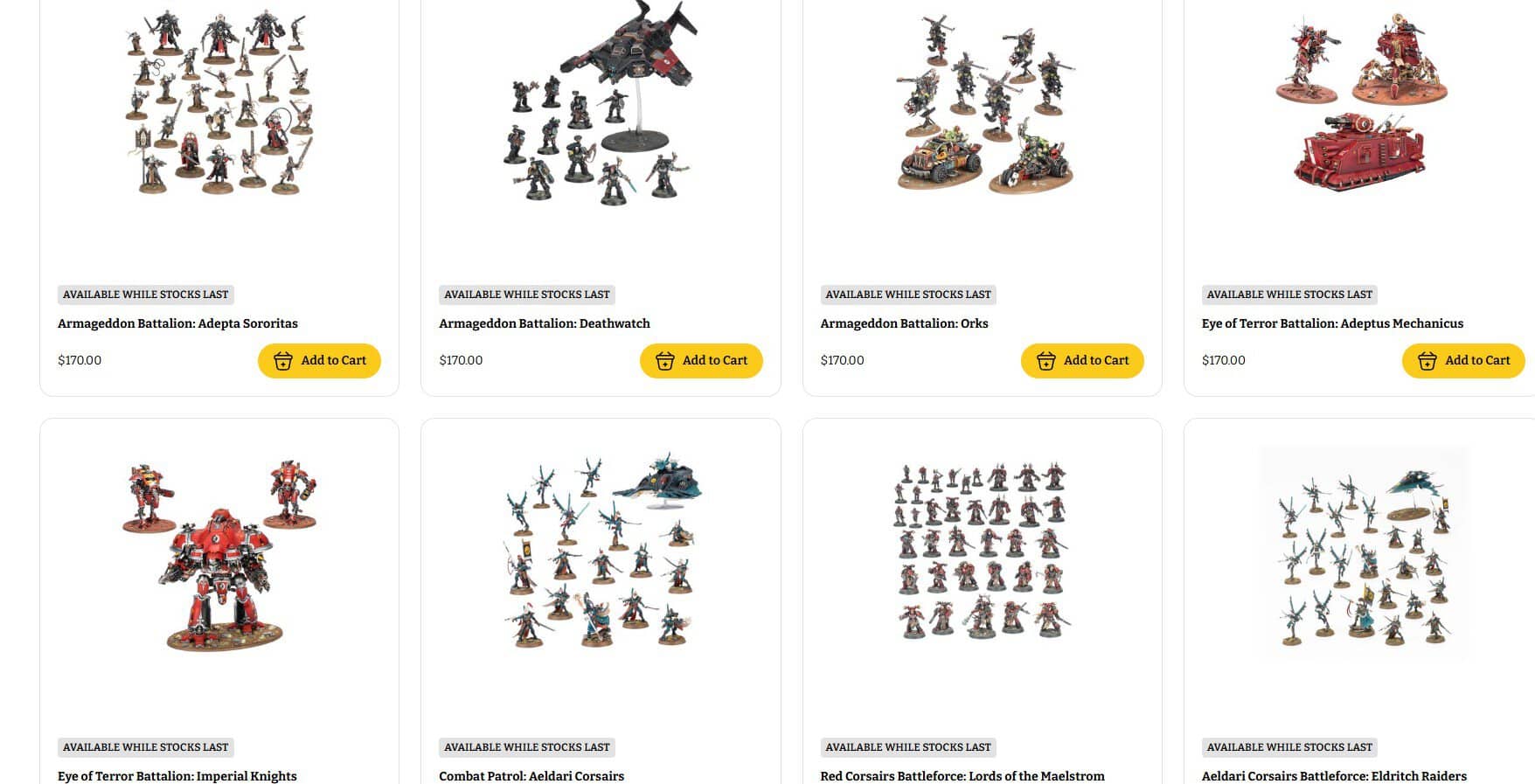
Games Workshop’s FOMO strategy is failing.
Sure, GW can obviously still sell limited products. The problem is that scarcity only works as pressure when people believe the clock is real.
Replacing Veterans is Not the Same Thing as “Growing”
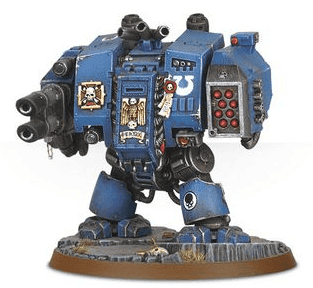 This goes well beyond what happens to a few old Dreadnoughts. Warhammer has picked up enormous exposure outside tabletop gaming, with Space Marine 2 putting 40k in front of millions of video game players and Amazon’s Secret Level putting the setting in front of another mainstream audience.
Plus, the expanding Amazon relationship could bring in even more people.
That gives GW a huge stream of potential new customers, even while some longtime hobbyists quietly spend less or leave. Financially, that can work for a while, sure, because if two new customers arrive while one veteran stops buying, the numbers can still look great.
What those numbers don’t tell you is whether Warhammer is growing because existing hobbyists want more Warhammer, or because new arrivals are replacing people drifting out.
And leaving 40k doesn’t mean leaving miniatures anymore. One Page Rules, Battletech, Infinity, Marvel Crisis Protocol, historicals, indie skirmish games, and a pile of miniature-agnostic alternatives are sitting there waiting for somebody who already owns paints, terrain, tools, a gaming table, and years of modeling experience.
Add in 3D printing, and there’s even less tying an experienced hobbyist to whatever one manufacturer currently supports game-wise.
GW’s real risk was never anybody rage-quitting the hobby. The problem is losing somebody who used to spend $500 a month on Warhammer and spending that $500 somewhere else.
Investors aren’t going to lose sleep over whether one old Dreadnought has tournament rules. They’re going to care whether the customer who bought that Dreadnought still expects to be buying Warhammer five or 10 years from now.
And we dont think that is realistic anymore, given GW’s new focus on the six-month Army cycle, which we covered in our Why Warhammer is So Expensive article.
Final Thoughts on the Games Workshop Controversy
GW has more people discovering Warhammer than ever, which gives it a pretty big window to decide what kind of relationship it wants with the hobbyists that are already here.
A few years from now, nobody’s going to care about one badly handled Warhammer Community edit by itself. What they’ll remember is whether this stretch led to better communication, if stores could actually plan around major releases, and if buying a new expensive kit still felt like something you could safely sink 30 hours into.
GW has a ton of new attention coming in that it can turn that into a much bigger long-term hobbyist base, but that only works if the people already spending money don’t slowly decide they’re better off somewhere else.
Sure, new players can replace lost sales on a spreadsheet, but replacing 20 years of trust is a much harder job these days.
🔗 Related Reads:
- New Warhammer 40k Legends in 11th Edition: Rules & Datasheets
- GW Pulls The Plug on More Space Marines, Sends 17 Units To Legends
- Games Workshop Quietly Updates WarCom’s AI Policy
- Games Workshop’s Biggest Customers Are Being Treated the Worst
- New 2026 Warhammer Price Increases: Complete List Breakdown
- 50 Best Warhammer 40k Alternative Miniatures & STLs (2026)
What do you think Games Workshop should fix first to earn back community trust?