Competitive 40k keeps chasing esports, but Warhammer tournaments may be sacrificing the hobby that made the game worth playing.
40k armies take months to build and paint, but the rules and rankings seem to change every few weeks. Since Warhammer 40k 11th Edition launched in June, we’ve already seen seven versions of the meta through late October, with the tier list constantly getting reshuffled. So obviously it’s getting pretty hard to keep up, and even if you’re not chasing tournament wins, just playing the game with the correct rules is a job on its own.
We’re not against tournaments, and plenty of us play in them. But patching a game this big like it’s a video game? That’s where things are starting to get weird, because the people getting dragged along for the ride aren’t necessarily the ones showing up at GTs.
- What’s happening: GW now runs organized play and keeps patching 11th Edition like a live-service game.
- What we have seen so far: monthly balance passes in July, August, and September, an October update GW admitted it fumbled, and a quarterly update set for the week of December 7.
- What’s next: more patches are coming either way, and our guess (speculation, not a scoop) is that hobbyists who just want to build and play will keep getting pulled along by tournament rules unless they push back at their own tables.
A Game Made of Plastic and Dice Can’t Be Patched Like Software
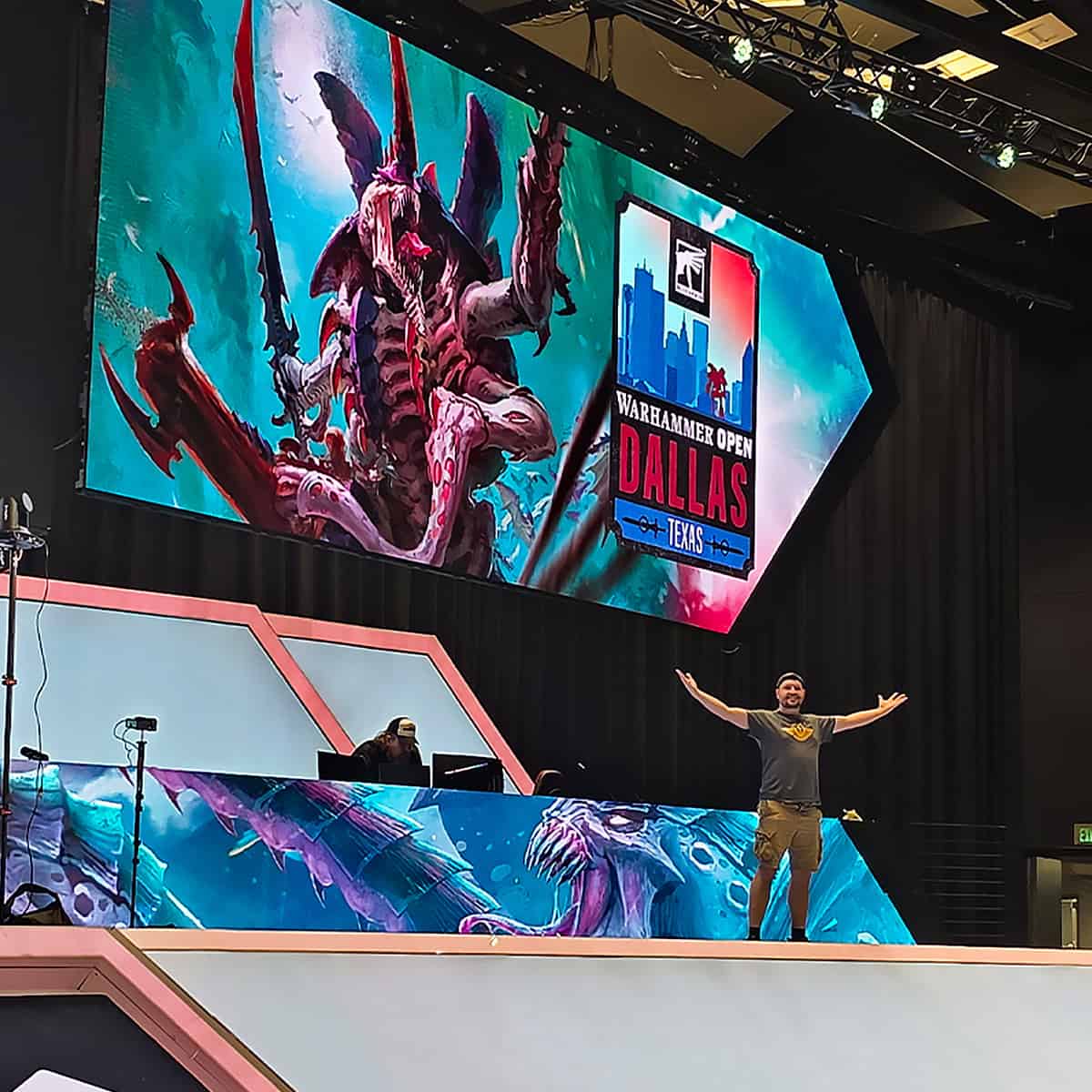
Think about how an esport works. Everybody gets the same gear, the same map, and the same patch downloaded overnight, but compare that to 40k. You’ve got hundreds of units, thousands of rules interactions, actual terrain, dice, and armies people spend months building and painting, not to mention a whole lot of money.
Trying to balance all that around tournament results is a massive job, and making the core rules simpler doesn’t magically fix it. You’re just moving the mold lines somewhere else.
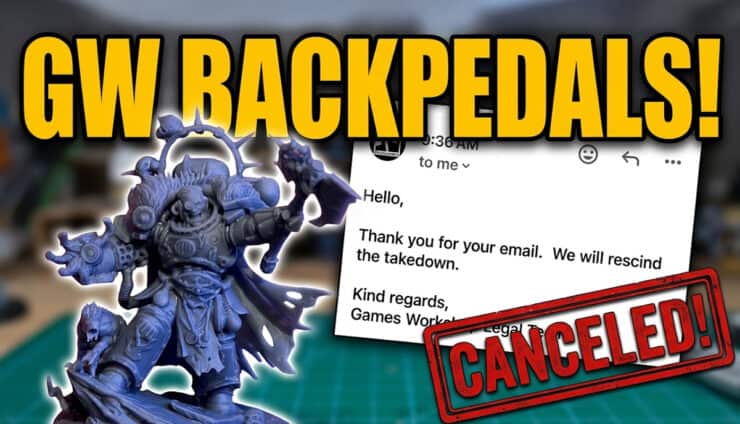
And that’s where the business side gets interesting. GW partnered with the ITC back in January 2022, then took over managing it in January 2024 from Frontline Gaming, which had been running it independently for years. We covered the whole thing when Games Workshop officially absorbed the ITC, and now the circuit is being rebranded as the Warhammer Global Rankings.
Was the old ITC perfect? Of course not, but at least the company selling you the models and writing the rules wasn’t also running the circuit.
Now throw standardized missions, terrain layouts, and event formats into the mix. Before long, one particular way of playing 40k starts looking like the way everybody’s supposed to play. Making tournaments easier to run? Great, but that doesn’t automatically make the hobby better for everyone.
Four Months into 11th Edition, GW is Still Writing Patch Notes
Remember when GW said it wanted 11th Edition “as balanced as possible right out of the gate,”? To be fair, they also said some problems don’t show up until millions of games have been played. That’s reasonable enough. The plan was three months of monthly fixes, then back to quarterly updates.
Well, they definitely needed those three months.
The July update shut down the Necron revive trick, got rid of stackable debuffs, capped extra CP, and changed mission maps. Then August rolled around, and points went up for Chaos Daemons, Emperor’s Children, and Custodes, while Astra Militarum, Death Guard, and Aeldari got cuts. Battlefield layouts and detachment restrictions got moved around too.
By September, we were looking at the last of the monthly balance changes, which gave most Marines +1 Toughness and Strength 5 boltguns. That’s a pretty big change for something that’s supposed to be a balance adjustment.
Then came October, and things got a little messy. GW actually admitted that the update came out in pieces over several days, saying “This is our bad.” They also promised a Rules Update Log in the app and confirmed the next quarterly update for the week beginning December 7.
If you’re trying to keep track, we’ve got the Balance Dataslate and points update breakdowns, with the actual points in the Munitorum Field Manual. Either way, there’s a lot to keep up with at this point.
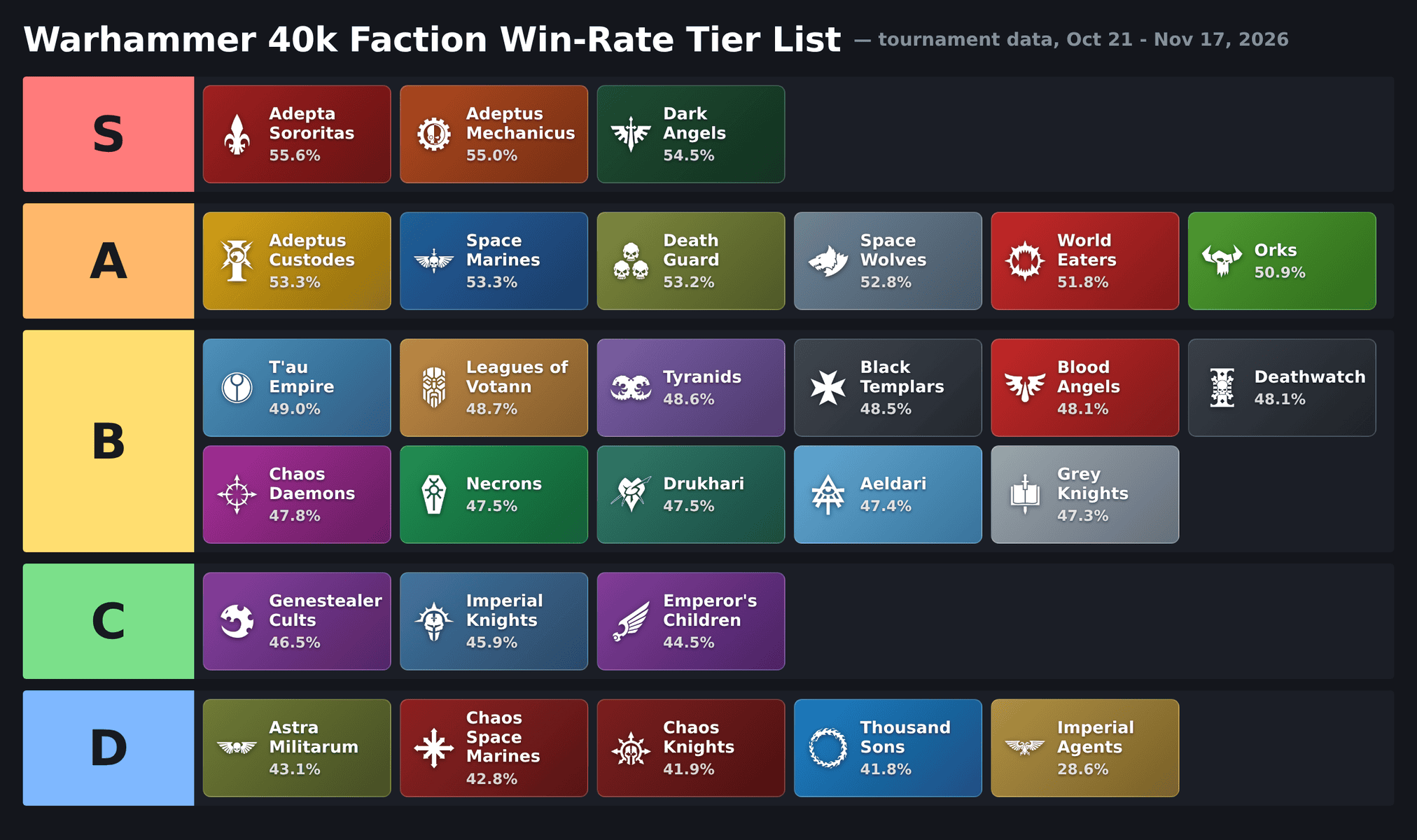
And just look at how quickly the results change. WAR FRONT had Necrons sitting on top at 55.8% through September 27, with Custodes and Orks right behind them. Jump ahead to our November tier list, and Necrons were down to 47.5%. Now Adepta Sororitas (55.6%), Adeptus Mechanicus (55.0%), and Dark Angels (54.5%) were leading across 81 events and 3,432 players.
Meanwhile, Tactical Reroll had Mechanicus in S tier by November 2, while Lexmechanic’s GT data showed Space Marines and Orks making up the biggest share of winning lists.
Sure, these trackers aren’t all doing the math the same way. But when you’ve got three different armies on top over roughly seven weeks, you can see just how quickly things are changing.
Does GW need a bigger playtesting team? Maybe, but nobody outside the studio knows how big that team actually is, and we’re not going to pretend otherwise. What we can see is how many corrections keep coming after each release.
Now think about what that means for someone who just wants to collect an army and play some games. A tournament regular can change their list the night an update drops. But what about the hobbyist who just spent three months painting Death Guard? If their best units get nerfed, they’re either buying, building, and painting replacements or playing with a weaker army.
And sure, you can still have fun playing whatever you want; nobody’s arguing that. But let’s be real, nobody wants to lose every game either. When your favorite units get nerfed because of tournament results, and you can’t just go out and replace them, that doesn’t feel great for a casual player.
When GW Has to Explain How to Survive its New Rules, Something’s Wrong…
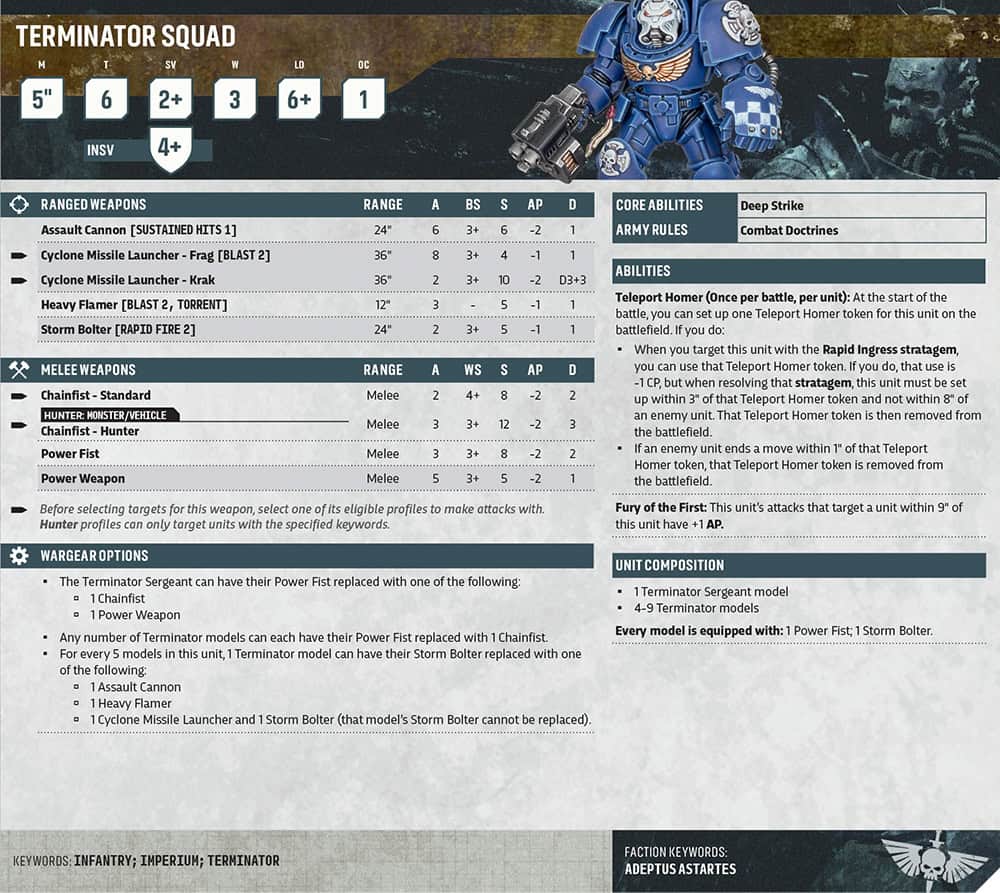
Here’s the part that shows GW knows how out of hand it’s getting. The day after that Marine update, Warhammer Community put out an entire article about how to deal with the tougher Marines.
They called Marines “faster, tougher, and more deadly,” then walked everyone else through defensive detachments, invulnerable saves, and screening units to handle them. GW buffs Space Marines, then has to explain to everybody else how to survive against them. Come on, that’s a little ridiculous.
And the tournament results aren’t exactly making that look better. Dark Angels jumped into S tier, and Space Marines were leading event wins on our November tier list. That’s after the seven Space Marine Faction Packs that already landed back in June.
Tournament Lists Have No Soul
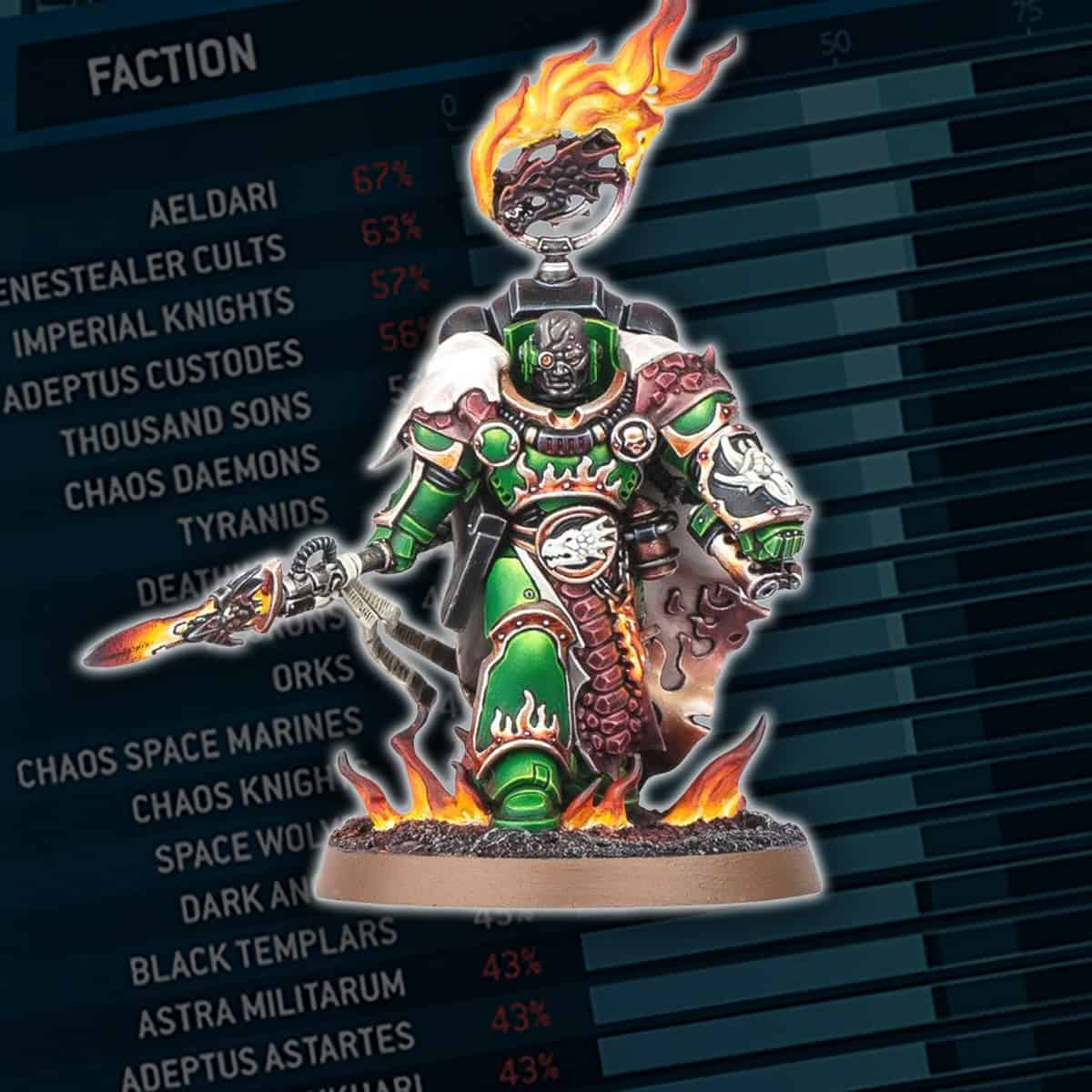
Remember what made 40k fun in the first place? For a lot of us, it wasn’t trying to go 5-0 at a GT. It was showing up with an army nobody else had, some ridiculous kitbashed character with a backstory, or an Apocalypse-style game that took over somebody’s garage for the entire weekend.
You had homebrew campaigns, strange army combinations, and people trying things just because they sounded fun. Nobody needed to copy last weekend’s winning list to enjoy themselves.
Tournament players usually focus on building the strongest lists they can, using the best units and detachments available, and there’s nothing wrong with that. But when winning army lists get shared every week, it’s easy for casual players to start thinking they need to use those same units to keep up. And yeah, we’re part of that too, with the Meta Monday and our weekly army list posts.
The real problem is when those tournament rules start becoming the standard for casual games, too. Just look at Legends units. GW says they’re legal for matched, narrative, and open play, but because they don’t get points updates, most tournaments won’t allow them.
But not everybody wants the same thing out of 40k. Some people are perfectly happy painting their favorite units, getting together with friends, and rolling dice. They don’t want to memorize rules that keep changing, watch win rates, or rebuild their lists every time GW adjusts something.
Now, narrative play hasn’t disappeared. GW still supports Crusade, and the Grand Narrative literally has “no winner.” That’s great, but does having those options mean competitive thinking isn’t shaping regular games at the local shop? Not necessarily.
Final Thoughts on Competitive 40k

So are casual players getting burned out? Are they moving toward narrative games, older editions, Horus Heresy, or even other games entirely?
We don’t know, and without actual player surveys, nobody else can really say either.
Plus, nobody’s saying GW should get rid of tournaments; we’d be pretty annoyed if that happened. Competitive play absolutely has a place in 40k. But should competitive balance be the thing deciding how everybody else collects, paints, converts, and plays? We don’t think so.
When that December 7 update arrives, take a look at who it’s really aimed at. If it’s another round of adjustments for the top tournament tables while everyone else has to work around the changes, well, that tells you something about where 11th Edition is headed.
40k doesn’t need to be the best tabletop esport around. Sometimes you just want to build the army you like, put it on the table, and play a game without worrying about rankings or the next GT.
🔗 Related Reads:
- Warhammer 40k Tier List 2026: Best & Worst Factions Ranked
- Warhammer 40k Balance Dataslate: October 2026 11th Ed. Changes
- Warhammer 40k Points Update: Munitorum Field Manual Changes
- Games Workshop Officially Absorbs the ITC
- 40k Flyers Going to Legends Next in 11th Edition
- 3 Keys To a Competitive 40k Army List, Without Being “Competitive”
- 2026 Warhammer Tournaments & Events Calendar Guide
What do you think, has competitive 40k taken over how your group plays, or is your table still doing its own thing?