A Primaris Space Marine carries 22 gene-seed organs instead of 19. Here is what the three extra ones do, who built them, and what changed in 2026.
So your buddy just slapped some giant power-armored lads on the table and said, “These are Primaris now,” and you’re wondering what happened to the classic Space Marines. Fair question. Primaris Marines hit Warhammer 40k like a bolt from the sky, and it’s left a lot of people asking if the old-school battle-brothers are being phased out.
In this article, we’re cutting through the noise to answer two things: what exactly a Primaris Marine is, and whether they replace regular Space Marines. Spoiler: Brother Steve might still have a place, but it’s complicated.
What Is a Primaris Space Marine?
Updated on August 27, 2026, by Rob Baer with the Primaris organ and Rubicon Primaris details, plus GW’s confirmed Warhammer Legends changes.

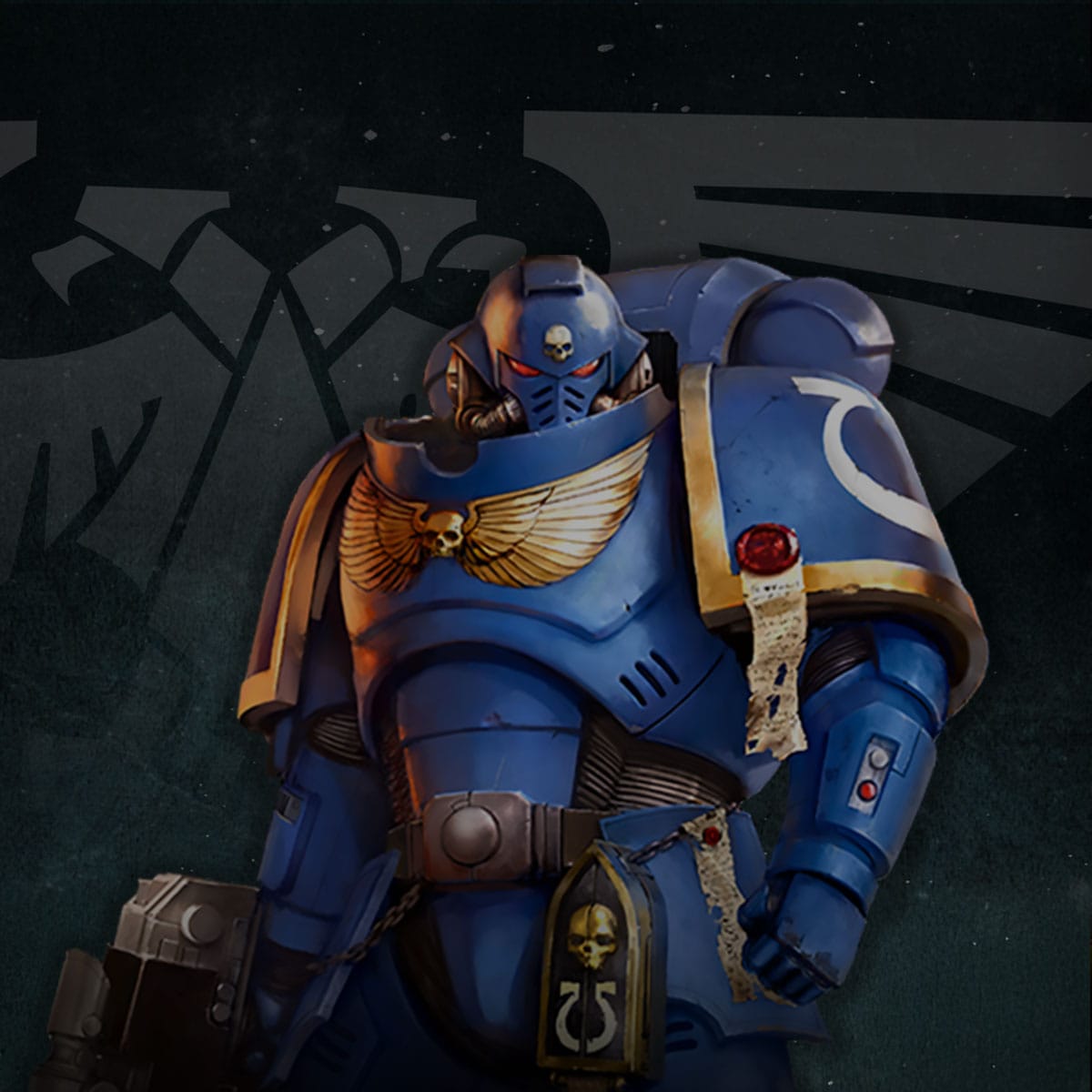
Here’s the short version: a Primaris Marine is a Space Marine carrying 22 gene-seed organs instead of the traditional 19. Three extra implants do the work. The Sinew Coils are durametallic cables that reinforce the tendons, the Magnificat is a brain lobe that drives growth and cranks up every other organ, and the Belisarian Furnace sits dormant until extreme trauma floods the body with synthesized chemicals.
Belisarius Cawl built them on Mars, on Roboute Guilliman’s orders, in the wreckage left behind by the Horus Heresy. Then he sat on the project for ten thousand years before the first ones walked out in the late 41st Millennium. They wear Mark X Tacticus plate, and the Marines built to the older pattern picked up a new name out of it: Firstborn.
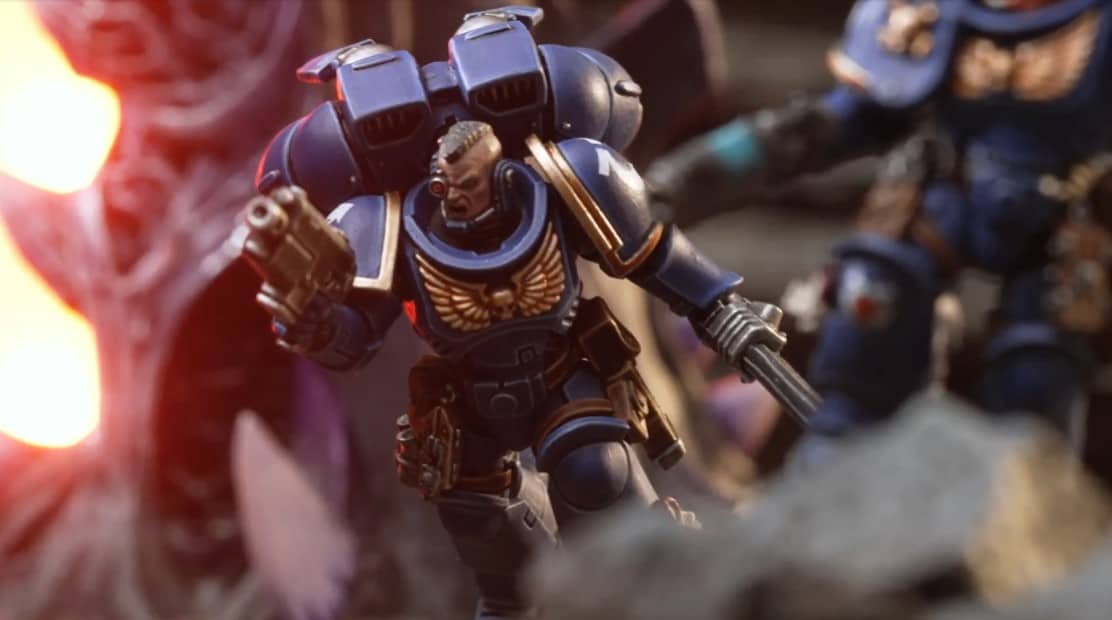 Primaris Marines are cool new marine models that are bigger and beefier than their stumpier Space Marines cousins, but they aren’t actually better or more necessary than the other guys. Belisarius Cawl created these new guys, with plenty of bolt rifles and sinew coils! If you get them in a starter box, you can use them, but they aren’t automatically superior in every way.
The phasing out, though, isn’t a rumor anymore: on August 24, 2026, Games Workshop moved 12 Firstborn-era units to Warhammer Legends and turned five more into “Legendary Proxies,” so the older marines really are on their way out of the main book.
Here’s the truth about Primaris Marines.
- They suffer from generalism (maybe due to them having the Belisarian Furnace). Most primaris units have limited or no weapon options (but have been expanded lately with things like the Desolation Squads), and they are hard-locked into being played a certain way. Most of their units are cool-looking, but not superior to their tiny marine alternatives; some, in certain cases, may actually be inferior. Don’t lose sleep over it. Use what you’re given when you’re new, but don’t worry about whether one will make the other obsolete.
- Transport options have moved on since this was written, so check the current faction rules before you plan a list.
- More wounds is not always better. There are plenty of weapons in the game that will knock him down just as easily as any one-wound marine.
- What Primaris Marine units are recommended? The Hellblaster plasma primaris marines are universally accepted as the most powerful primaris marine unit and are legitimately pretty great. If you want to play a shooty marine army, they’re a good deal. The Redemptor dreadnought is also just pretty dang cool, and you can get a cheaper snapfit version of him that has the minigun arm, which, in my personal opinion, is a cooler and more effective weapon option.
Primaris vs Regular Space Marines: The Actual Differences
Strip out the arguing and there are four real differences. Primaris Marines carry three gene-seed organs a regular Space Marine doesn’t have. They’re built at a bigger scale, which is why the models don’t line up next to your older kits. They wear Mark X armour instead of the older marks. And their squads are built around one job each, where a classic Tactical Squad crammed a special weapon and a heavy weapon into the same ten men.
Honestly, what isn’t different is the more useful half. Both are Adeptus Astartes, both serve the same Chapters, and GW has never written Primaris as a separate faction.
What Is the Rubicon Primaris?
The Rubicon Primaris is the surgery that turns an existing Firstborn Marine into a Primaris one, implanting those three extra organs after the fact. It takes several days, it hurts the whole way through, and the early attempts failed more often than they worked. Marneus Calgar was the first to come out the other side, which is why it turns up in so much of the recent fiction.
A Word on Elite Space Marine Armies (Grey Knights, Deathwatch, Custodes)
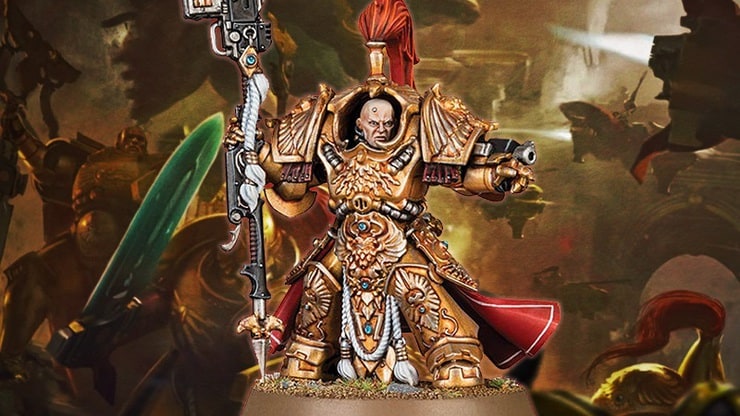 Shiny marines are super elite, super cool, and super “Specialized” marine armies that are very popular with new players. What are the shiny marine armies?
GREY KNIGHTS
DEATHWATCH (They’re actually black, not shiny)
ADEPTUS CUSTODES (They’re not actually marines, but they are a shiny marine army.)
What do new players like about shiny Space Marines?
- Low model count- shiny marine armies are so elite, they’re often low model count, making them less intimidating to collect a whole army.
- Easy to paint– 90% of the painting done on shiny marine armies is accomplished with a can of gold, silver, or black spray paint.
- Affordable- Because of the low model count, new players often mistake them for being cheaper because they need fewer models.

The Truth About Shiny Marines…
- Low model count- Actually makes the army completely unforgiving and difficult to play. The more expensive the model is, the more it hurts when you roll 1’s.
- *Super elite- Shiny armies are billed as super-specialized elite marines. They aren’t actually super specialized at all; they’re more like supreme generalists. Because they are so few in number, every unit in a shiny army has to do every job for you to succeed, because there’s no one else to do it. This makes them very hard to win with.
- Affordable- This is a lie. What they don’t require in dudes, they require in support. Every shiny army needs expensive transports for its infantrymen to get to the front line safely. For shiny armies to be competitive, they often have to pick up more efficient cheap crappy dudes as allies to fill in the holes. Yeah, you read that correctly- The cheap hordes you were trying to avoid by playing shiny dudes are the ones you have to buy to make shiny dudes win.
- Shiny marines are a trap for noobs. They look cheap to collect, cool to paint, and super boss, but in the hands of an inexperienced general, they are an absolute nightmare to learn the game with and an uphill battle. As an experienced 40k player, there’s nothing worse in the hobby than walking into a shop and seeing a new player slopping paint on some grey knights or custodians, and just standing back and biting your lip, knowing he’s not going to win a game for the first 6 months of his hobby life because he’s chosen such an unforgiving army to start with.
The Rulebook is Actually Kind of Awful
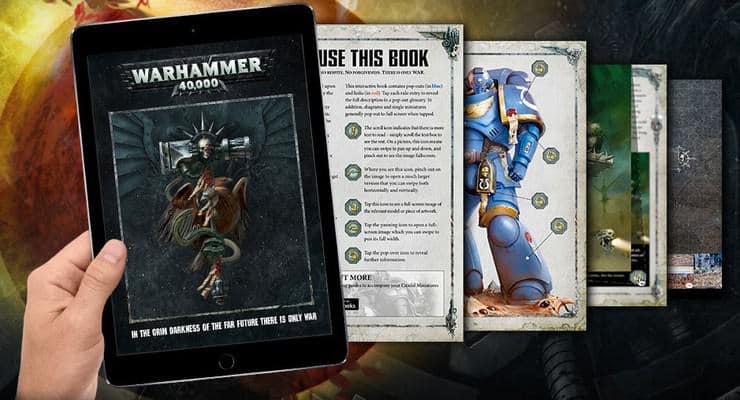
With a quick Google search (or, of course, go to the great resource that Wahapedia is), you can find quick play rules online directly from GW. Also, you can buy a complete rulebook.
In a PDF version of the rules, you can at least use the search function to find the sentence you are looking for and dig up the rule.
Spend your money on your CODEX. Buy a hard copy of that to read and hold in your hands; it’s worth it.
Frequently Asked Questions
Are all Space Marines primaris now?
Not all of them, but the range is clearly heading that way. GW has stopped using Primaris as a separate label, and on August 24, 2026, it moved 12 Firstborn-era units to Warhammer Legends and turned five more into Legendary Proxies that count as Primaris-era datasheets instead. Firstborn models still exist. It’s the main book they’re vanishing from.
What’s the difference between primaris and Astartes?
There isn’t one, not in kind. Adeptus Astartes is the proper name for every Space Marine, Firstborn and Primaris alike. Primaris is just the newer pattern of Astartes, carrying three extra gene-seed organs and built at a larger scale. Calling something Astartes says what it is. Calling it Primaris says which generation it belongs to.
Can a Space Marine become a Primaris Marine?
Yes, through the Rubicon Primaris. It’s major surgery that implants the three additional organs into an existing Firstborn Marine; it takes several days, and early attempts failed more often than they worked. Marneus Calgar was the first to come through it, and a good number of named characters have followed him since.
Are Ultramarines and primaris the same?
No. Ultramarines are a Chapter, a specific army with its own colors, history, and Primarch. Primaris describes a generation of Space Marines that exists across almost every Chapter. An Ultramarine can be Primaris or Firstborn, and so can a Blood Angel, a Dark Angel, or a Black Templar.
Final Thoughts on The Difference Vs Primaris & Firstborn
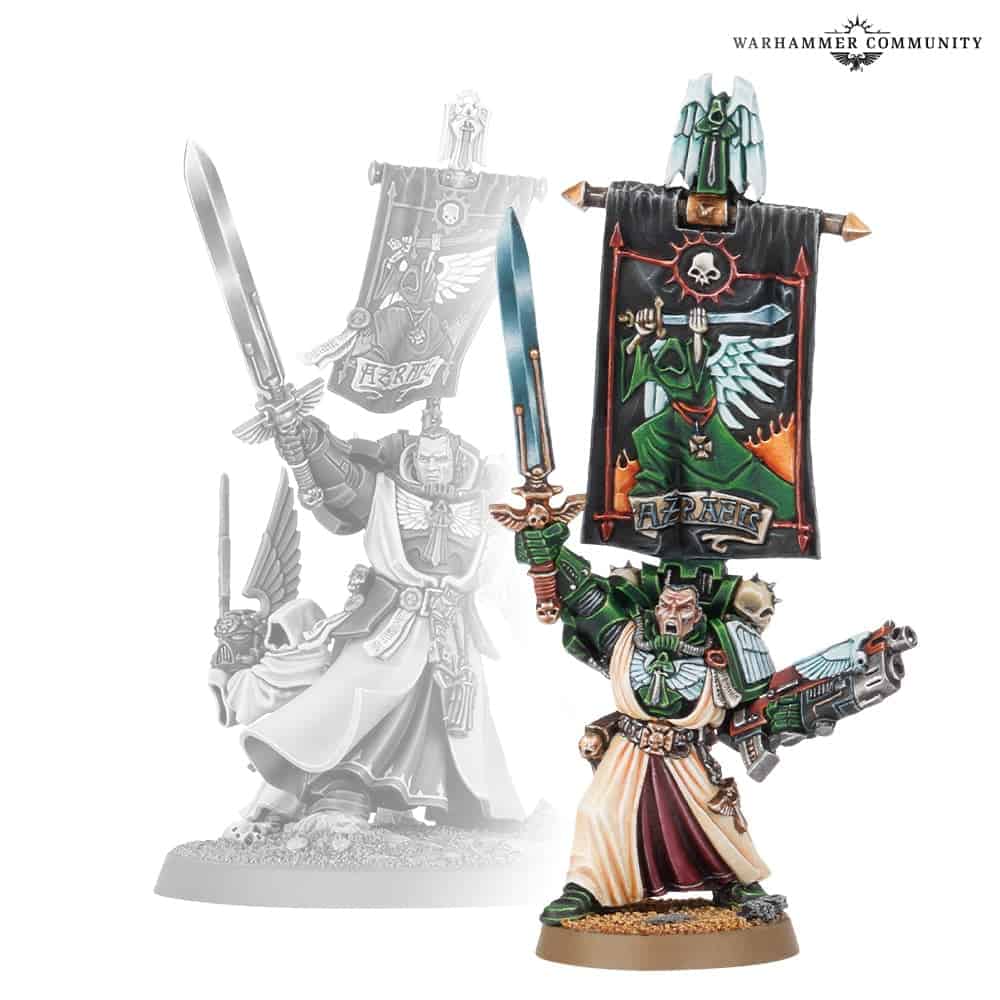 Plenty of marines have crossed the Rubicon Primaris.
Primaris Marines aren’t replacements; they’re just the new kids with a different set of issues. But the label itself is fading fast, which is why so many players now ask are Primaris dead in Warhammer 40k.
Bigger, flashier, and more restricted, they don’t outclass classic Space Marines so much as sit beside them awkwardly at the family dinner. Shiny armies look cool on the shelf, but they’re not beginner-friendly.
Don’t fall for the low-model-count trap. Play what you like, learn what works, and build an army that hits the table swinging.
The most important thing is having fun. You’re definitely not going to have fun if you put your heart and soul into your hobby and then constantly lose because nobody told you the facts about your army. You can still have fun when you lose as long as you make the other guy really bleed for it.