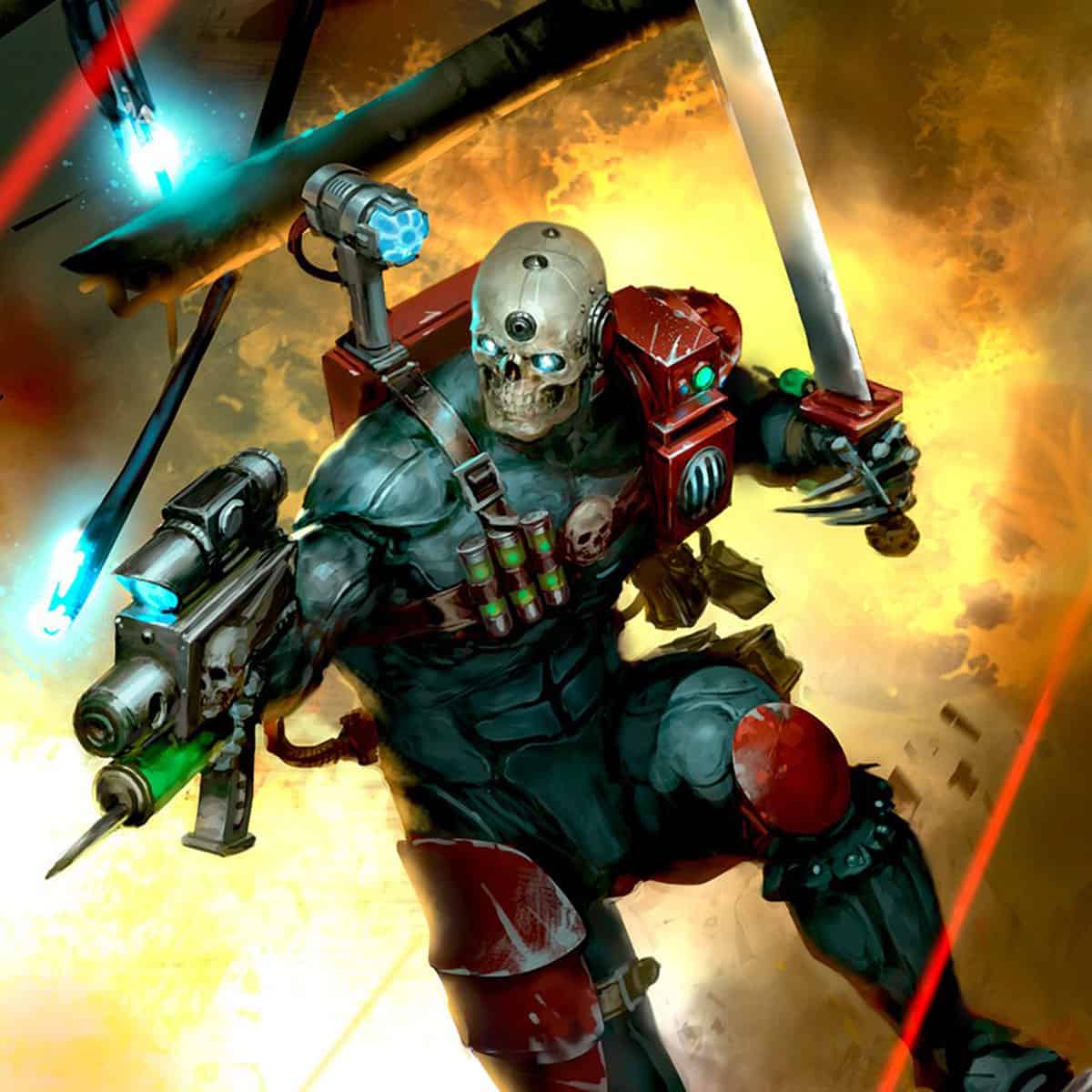
Eversor Assassin in Warhammer 40k explained; Eversor Temple lore, rules overview, and how it plays on the tabletop, plus tactics, weapons, and model tips.
The Warhammer 40k Eversor Assassin is what the Officio Assassinorum sends when being quiet isn’t the plan. He’s a chem-loaded killing machine kept frozen in stasis until the Imperium wants enemy leaders dead and the rest of their army freaking out.
In the lore, he doesn’t stop until his body gives out. On the tabletop, he’s plenty fast, but screens and positioning can still keep him from reaching the target you actually want dead.
- Best at: disruption, trading up, clearing screens
- Weak at: durability, being screened out
- Plays like: a missile unit that turns into a blender
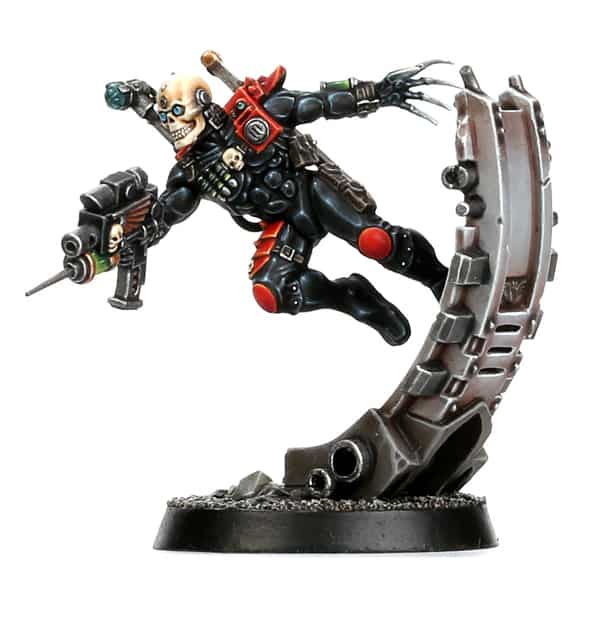
Current Plastic Miniature
Eversor Assassin Lore in Warhammer 40k
Updated on November 4, 2026, by Rob Baer with the latest information and links to relevant content. Originally published in October 2023.
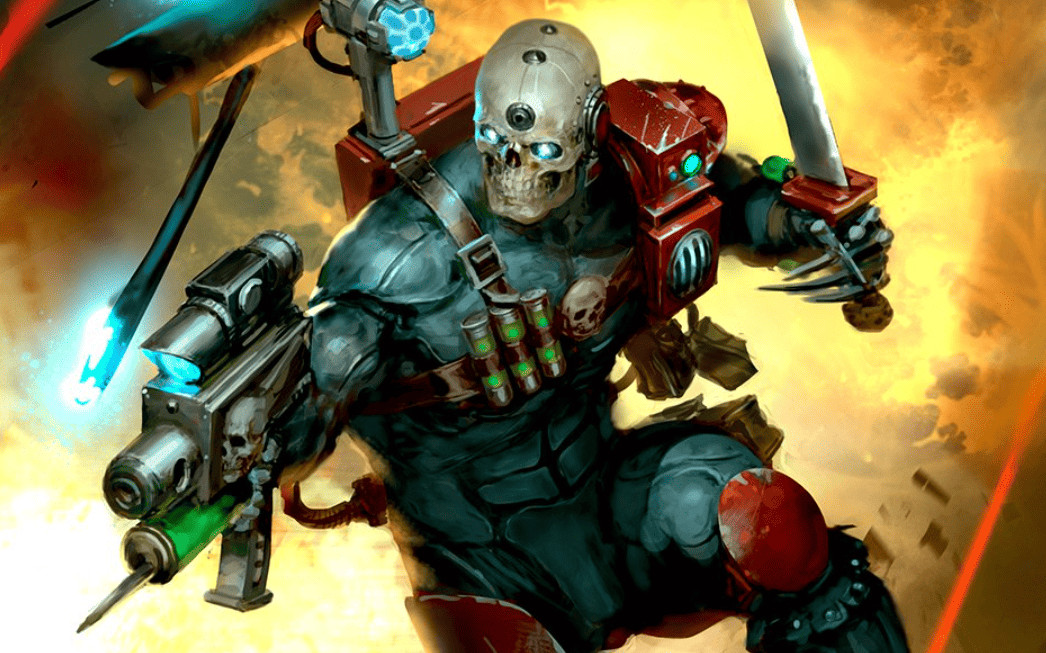
Lore snapshot
The Eversor Assassin lore is simple: these are terror weapons, not precision tools. They get kept on ice in stasis until the Imperium decides subtlety is a waste of time, then they get dropped in to butcher a command chain and light the whole situation on fire. Even their deaths are part of the plan, because an Eversor’s body chemistry is designed to go critical and take nearby enemies with it.
If you want a clean lore reference outside the usual fandom rabbit holes, Lexicanum’s Eversor Temple entry is a solid baseline.
They are bred, rebuilt, and chemically ruined on purpose to serve as living weapons of fear. The lore paints them as hyper-violent operatives born from a grim mix of bio-engineering, experimental surgery, and chemical dependency. Their biology is wired to weaponize emotions; a flicker of annoyance can escalate into a murderous frenzy.
Now, the fun part: Eversor lore fantasy is “unstoppable rage missile,” while tabletop reality is “very fast disruption piece that still has to deal with screening, positioning, and getting traded out.” You don’t always get to touch the juicy target, but you can almost always force your opponent to spend resources keeping you away from it.
And that’s really the trick with running one. Every model your opponent uses to screen him out of the backfield is one that’s not scoring or shooting. So even if your Eversor never gets that big kill, he can still earn his points back.
How the Warhammer 40k Eversor Assassin Is Created (Training, Chem-Enhancement, and Stasis)
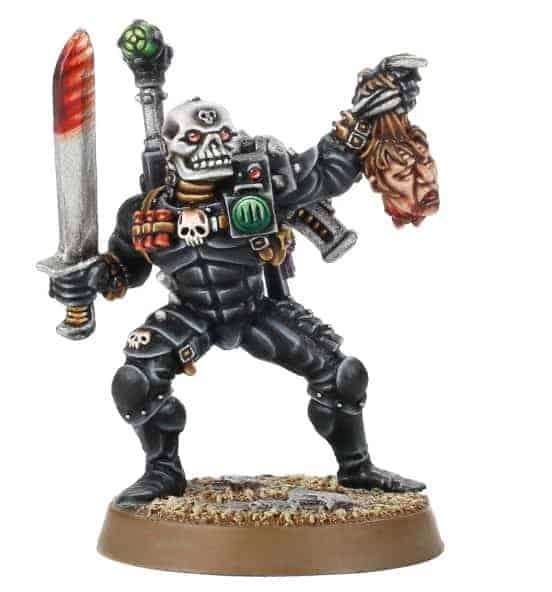
Old Pewter Games Workshop Model
Selection and conditioning: turning a loyal subject of the Imperium into an Eversor is not “recruitment,” it is manufacturing. The candidate gets stripped down to the raw material, then rebuilt into something that can be pointed at a problem and trusted to keep moving until the job is done.
Combat drugs and augmentation: first comes the surgery: extra organs and reinforcement designed to push the human body beyond its natural limits. Then comes the chemical stack that makes them stronger, faster, and far more aggressive than any normal soldier could hope to be. The instability is not a bug, it is the whole point. You are not building a long-career officer here; you are building a short, violent event.
Stasis storage and activation: when not actively deployed, they are locked away in cryo-suspension across the Imperium, frozen until someone at the top decides it’s time to unleash them. For the assassin, centuries can pass in an instant before he wakes up mid-descent, pumped full of stimulants and aimed directly at the target with no warm-up and no escape.
When the Imperium Deploys an Eversor Assassin (Targets and Mission Profiles)
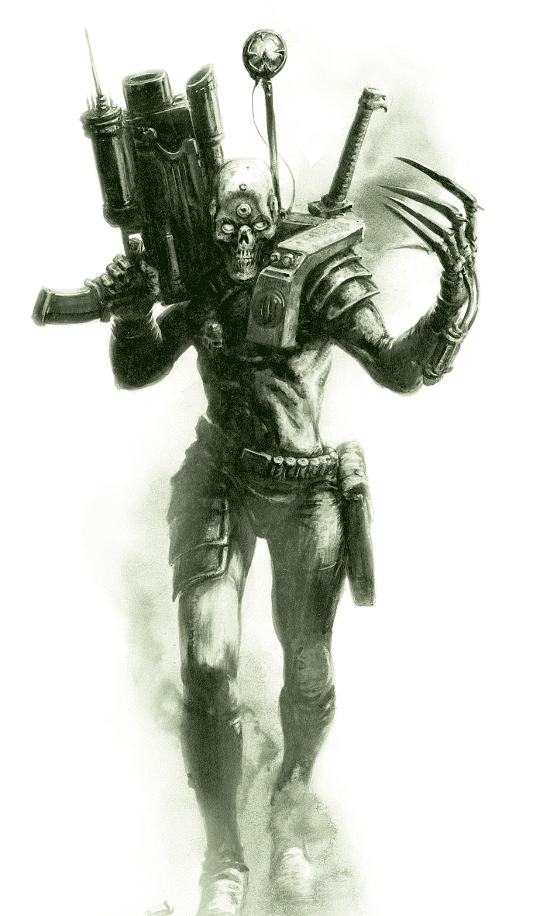
Not every job calls for an Eversor Assassin. If you need one heretic quietly silenced, you send a Vindicare. If infiltration is required, the Callidus steps in. But when the Imperium wants a message written in blood and panic, the Eversor gets the call.
- Command decapitation: take out the leader and watch the rest fall apart. Even the threat of that happening can make your opponent waste models screening their leaders.
- Disrupt comms and logistics: go after whatever keeps the army working together. On the table, that means putting pressure on backfield units your opponent thought were safe.
- Remove a key specialist: psyker, artiller, buff piece, or mission-critical minis. If your opponent leaves even a small gap in the screen, that’s the weak link he goes after.
- Break the stalemate: hit hard enough to force your opponent to move and make mistakes. That’s exactly what you need when neither player wants to make the first move.
You’re not buying an Eversor to stand on a home objective and feel responsible. You’re buying him to force reactions, crack screens, and punish weak links.
Both the Ordo Malleus and Ordo Hereticus call on the Eversor Temple when situations spiral out of control. If Chaos corruption infects the ruling class or heresy spreads unchecked, subtlety is wasted effort. The assassin eversor arrives like a scalpel made of explosives, and nobody walks away untouched.

The Eversor Assassin Temple is built around shock tactics, terror warfare, and overwhelming violence. Eversors are selected for speed and spectacle, then aimed at leadership so the whole enemy plan collapses in real time.
Warhammer 40k Eversor Assassin vs Other Imperial Assassins (Quick Comparison)
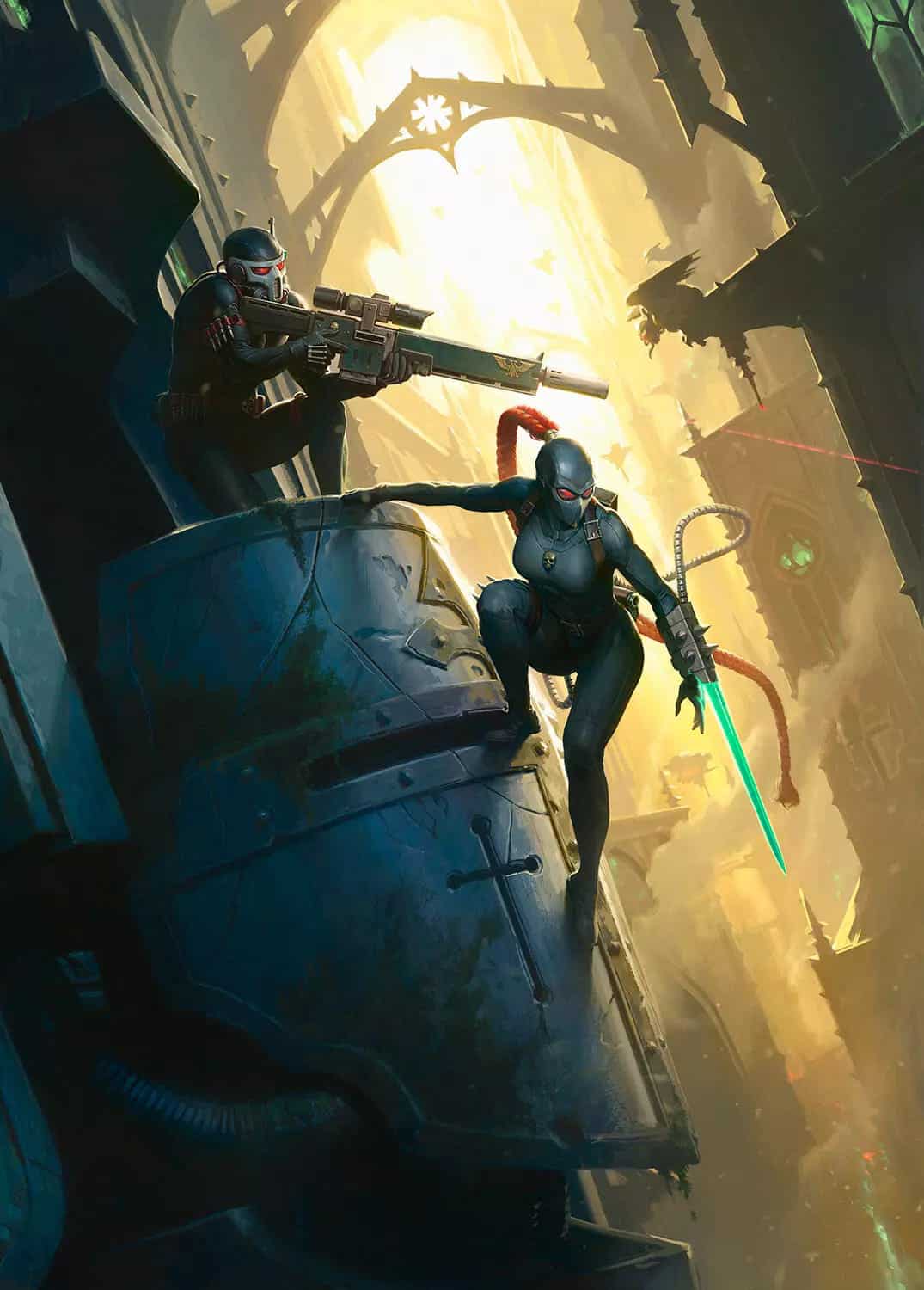
Rules and points change, so treat this as role-based guidance, not a promise about next month’s meta. Still, the jobs stay pretty consistent.
- Eversor: Role: shock melee disruption Strength: speed and carnage When you pick it: you need a missile that trades into something important
- Vindicare: Role: precision removal Strength: long-range threat When you pick it: you want a key model sweating behind cover
- Callidus: Role: deception and disruption Strength: positioning tricks When you pick it: you want to mess with plans, not just bodies
- Culexus: Role: anti-psyker horror Strength: punishes psychic plans When you pick it: your opponent is leaning hard on psykers
Compared to other Imperial assassins, the Warhammer 40k Eversor Assassin stands apart by design. He trades precision for speed, control for carnage, and silence for terror. If the Imperium wants fear as a weapon, this is their first choice.
Eversor Assassin FAQ: Rules, Weapons, Models, and Hobby Tips

Rules overview (no full rules text)
The Eversor Assassin typically shows up as an Imperial Agent–style add-on, meaning he is there to fill a specific role rather than become the core of your army. So what does that mean on the table? Even one cheap infantry screen can keep him away from the backfield target you’re after. You’ll need to find a way around it or clear it out first, because being fast doesn’t automatically get him where you want him.
For current wording, points, and updates, always check the latest official sources or your current rules hub.
How do you paint an Eversor Assassin? (Fast Recipe + Blood Effects)
- Fast recipe (three steps): paint the bodyglove dark and clean, block in armor plates with sharp edge highlights, then punch up lenses and vials with bright glow colors so it reads at tabletop distance.
- Optional effects (two steps): add controlled blood spatter where it tells a story, then use a little gloss on gore and vials so it looks wet and toxic.
Reference photos help a ton here. Keep the contrast high so the miniature doesn’t turn into a black blob from three feet away.
What weapons does the Warhammer 40k Eversor Assassin use? (Iconic Loadout)
He’s got two main pieces of kit, and both are nasty. The executioner pistol combines a bolt pistol and a needle pistol, letting him switch between explosive shells and toxic darts during a fight. Up close, he’s got a power sword and a neuro-gauntlet. That’s basically a hyper-alloy glove loaded with injectors that pump lethal neurotoxin into anyone he grabs.
On the current datasheet, both weapons have Anti-Infantry 3+, Precision, and Sustained Hits 3. That’s why he’s so good at tearing through characters hiding in squads, but big vehicles? Not so much. Just check the latest official datasheet for the exact profiles, since GW changes those numbers between dataslates.
Final Thoughts on the Warhammer 40k Eversor Assassin (Who Should Use One)
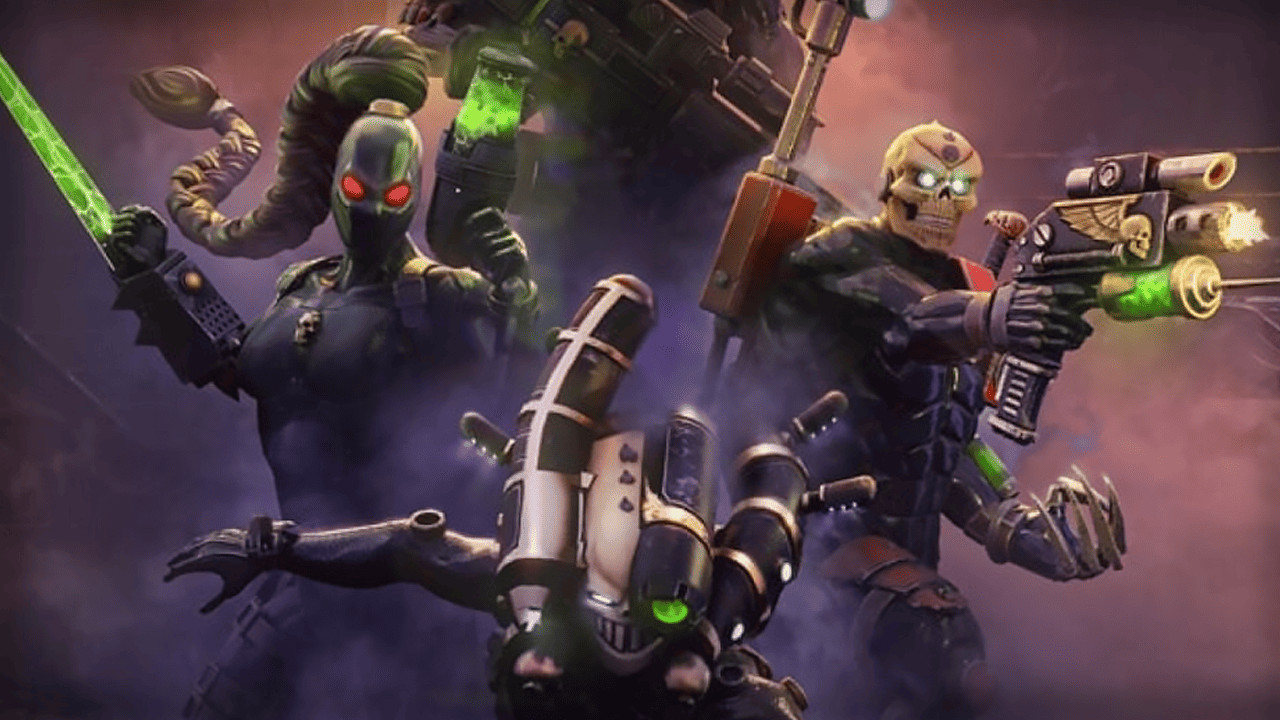
So, should you run one? If your list needs something fast to disrupt your opponent and you’ve got a way through their screens, an Eversor makes sense. Clear out the chaff first or catch someone who messed up their spacing. But if you need a unit that’ll stick around, or everyone in your local meta keeps their backfield wrapped in screens, maybe skip him. A fragile assassin who can’t reach anything isn’t earning his points back.