
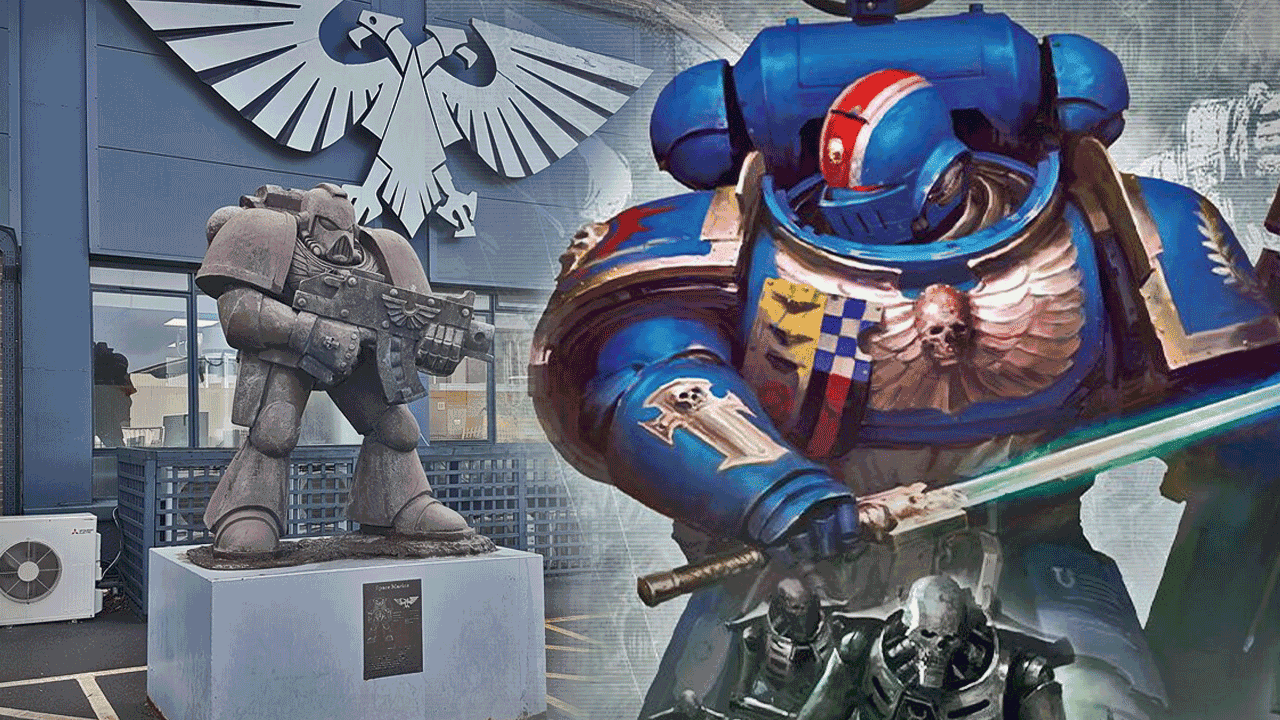
GW’s tight allocations and sold-out kits are pushing Warhammer 40k players toward 3D printing to get new minis without the retail battle.
If you’ve been paying attention to the new Warhammer releases, you’ve probably noticed a pattern. New models drop, and stores get barely enough to fill the shelf, much less a pre-order queue, and within minutes, they’re gone.
Not hours. Minutes. And if you miss that tiny window, your options boil down to paying scalper prices, waiting months, or firing up a resin printer.
It’s becoming a recurring frustration, and it’s making a lot of players ask the same question: Is Games Workshop unintentionally nudging people toward 3D printing Warhammer models? Are they that tone deaf?
Let’s take a closer look…
2026 Update: GW’s Forecasting is Still Leaving Stores Stuck in the Middle of the 3D Printing War
Updated on August 7th, 2026, by Rob Baer with the latest from the past year.
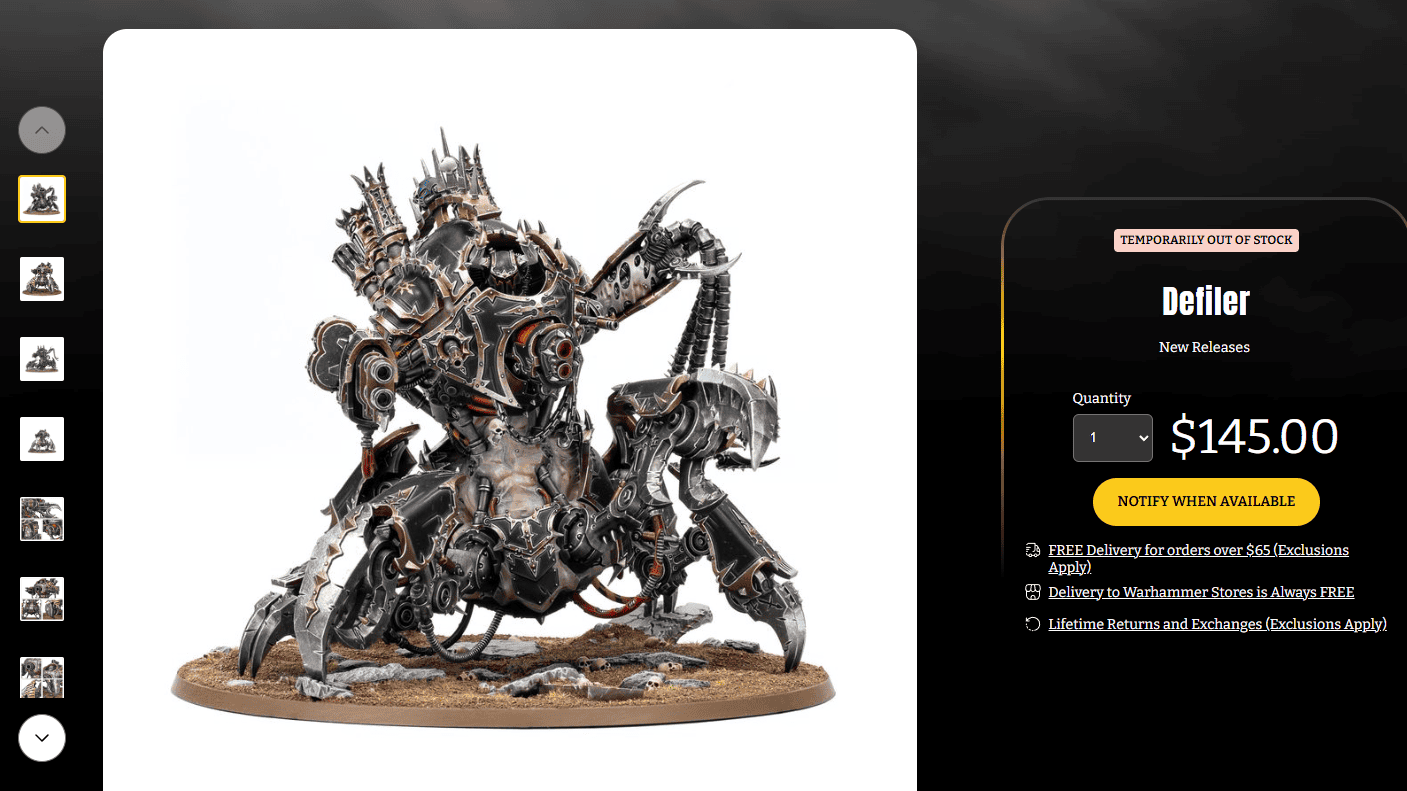 In 2026, the allocations versus forecasting issues were a lot easier to see. The biggest example is the Defiler that GW limited stores to around six kits each, which was just enough stock to avoid the usual instant-sellout headline but nowhere near enough to meet demand.
We broke down those numbers back in April, and months later, the Defiler still hasn’t received a proper restock. It’s a Chaos centerpiece people clearly want, and it runs multiples in nearly every army, yet it’s still sitting in limbo because no one at GW seems willing to green-light a full restock run (or they can’t becasue of capacity issues).
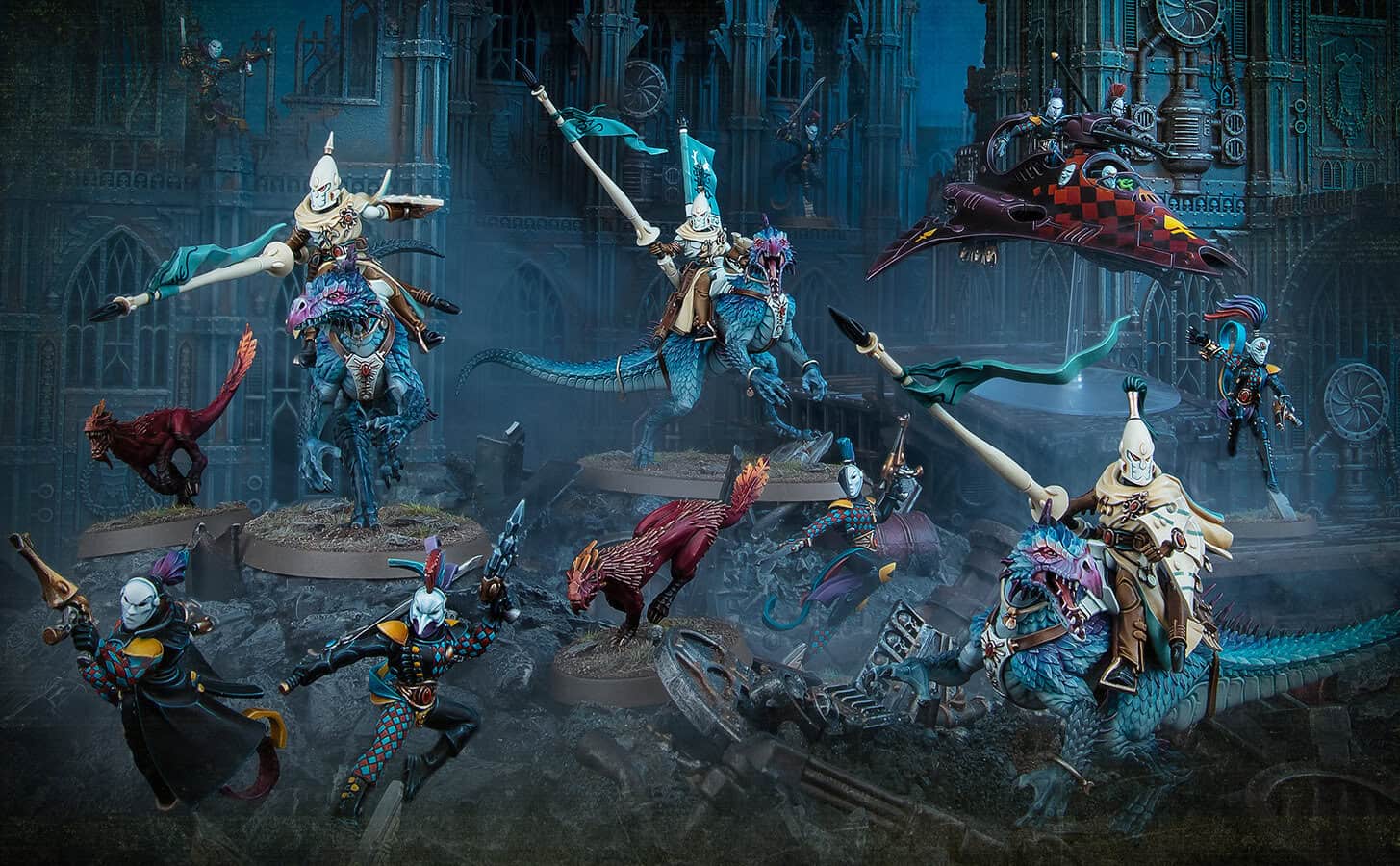 Next, the Exodites showed the other side of the same problem. Allocations gutted stores before release day, and the handful of boxes that did arrive were already spoken for. That might look great for GW, that their products sold out in minutes, but it doesn’t do much for the hobbyist who drove to the FLGS expecting there might actually be a box on the shelf.
At the same time, GW’s big-box FOMO is quietly disappearing, as the company released an unprecedented number of battleforces and battalions during the first half of 2026, and eventually the whole scarcity routine has stopped working (at least for now)
The reason is that when every other box is supposedly limited, none of them feel all that special. The FOMO that used to clear shelves for Christmas Battleforces just isn’t hitting the same way anymore.
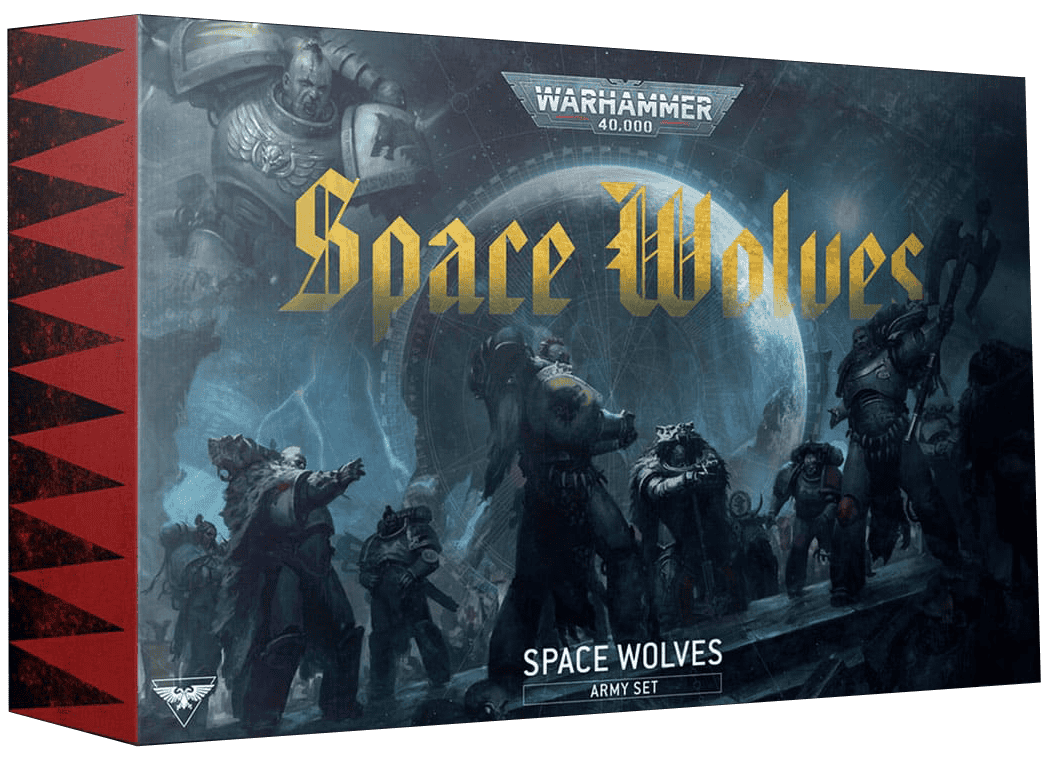 What really gets us is GW’s own annual report. The CEO spends plenty of time talking up the products that sold well. The Space Wolves Army Set set a new launch-sales record, while City of Ash became the best-selling Age of Sigmar box outside an edition launch. Those are two huge wins, but when you look into it, you’ll find out that both products were barely allocated to stores. The boxes they’re bragging about are the ones they actually allowed people to buy.
That’s the whole problem. When GW has the demand and gives stores enough stock, it breaks sales records. When it squeezes supply to chase another sold-out screenshot, it leaves millions on the table and gives players another reason to look at 3D-printed alternatives.
The demand has been there the entire time. The forecasting hasn’t. Local stores, which are carrying the bulk of GW’s revenue, are left dealing with the mess either way.
The Allocation Problem: Five Years and Counting
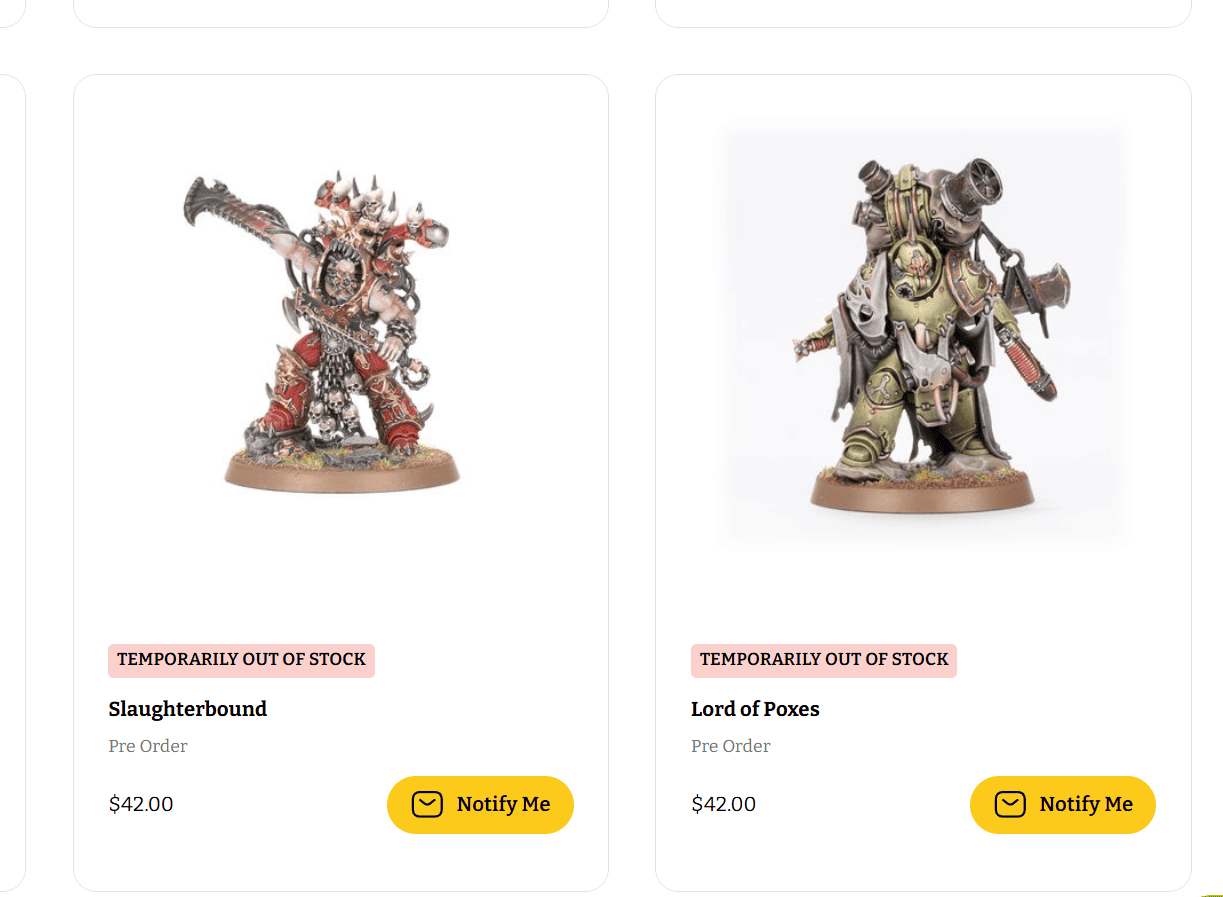 Allocations aren’t new, but they’re not slowing down either. For nearly five years now, GW has been rationing product to stores like it’s the last loaf of bread in a siege. The recent Death Guard Lord of Poxes and World Eaters Slaughterbound are just the latest examples, both capped at three per store, both gone from the GW webstore almost instantly.
And these aren’t just random sculpts. For each faction, these were the only new minis in their line this season. So if you wanted them, your odds weren’t great unless you were refreshing web pages at launch or in the right shop at the right moment.
Somehow the Scalpers Keep Scalping Us All


While local game stores are getting scraps with tiny allocations, eBay sellers like Rogue Empire seem to have no trouble stacking boxes to the ceiling. Limited releases? Not so limited if you’re scrolling through listings with twenty units in hand at a nice little markup. It’s like watching a scalping speedrun in real time.
The frustrating part isn’t just the prices, which often jump way past retail before the product even hits shelves. It’s the fact that legitimate stores are getting shorted hard. These are the same shops that host events, run painting nights, and keep the community going.
Meanwhile, some online flipper somehow has more stock than GW’s own partners on launch day.
At best, it’s a logistics mess. At worst, it’s starting to look like certain sellers are playing the system better than GW can manage it. Either way, someone’s making money, and it’s not your local shop.
Battleforces: The Bait and Switch
 Even when these new characters show up in bigger boxes, the situation isn’t much better. The Death Guard and World Eaters battleforces were prime examples: one shiny new model each, surrounded by older kits we’ve all seen before.
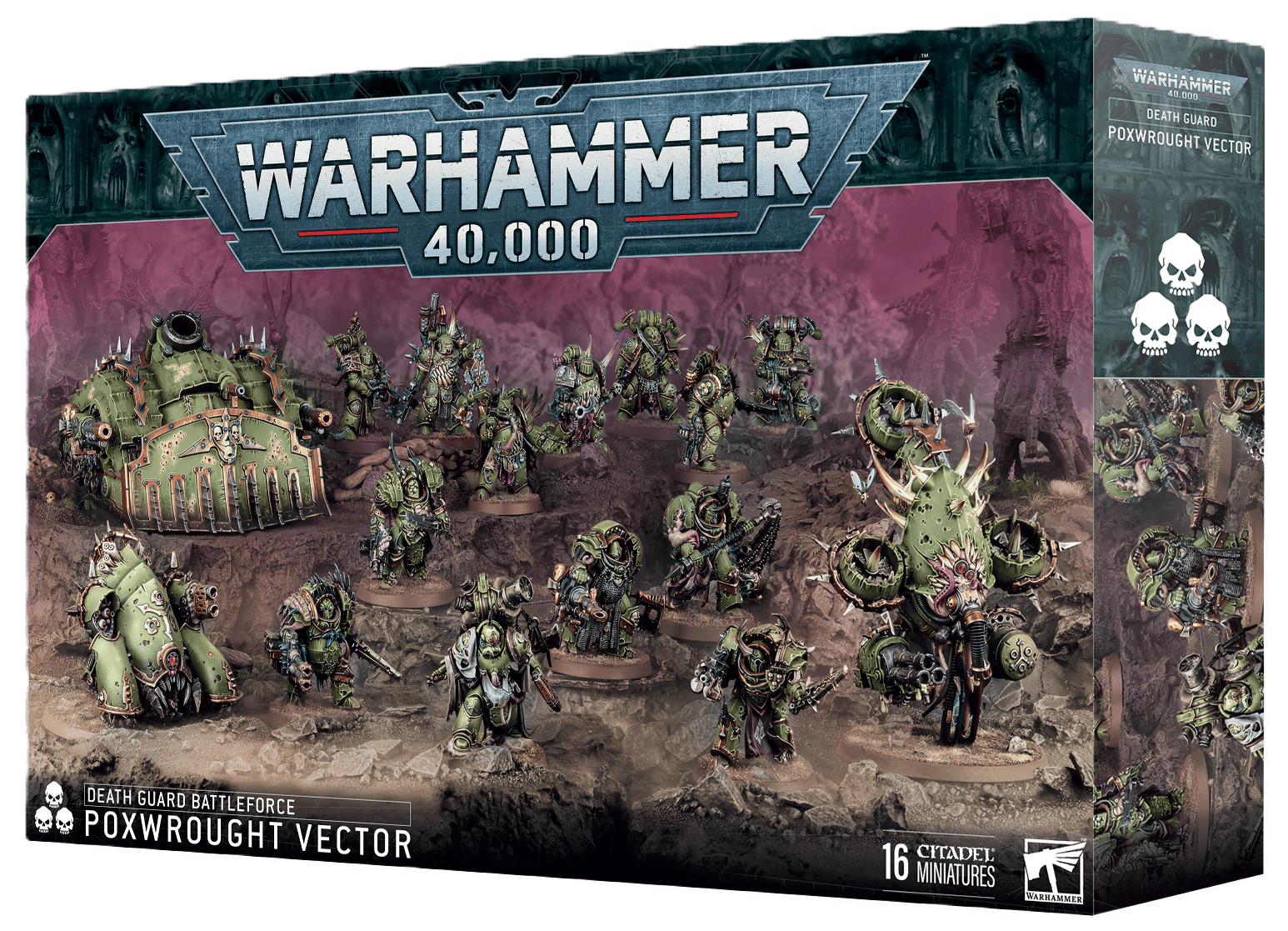 Value-wise, they didn’t feel as meaty as past battleforces, but it didn’t matter, both boxes were heavily allocated and vanished almost immediately. If you missed them, you were back to square one: hunting down singles on the aftermarket or rolling the dice on restocks that take forever.
Chaos Players Have It Rough
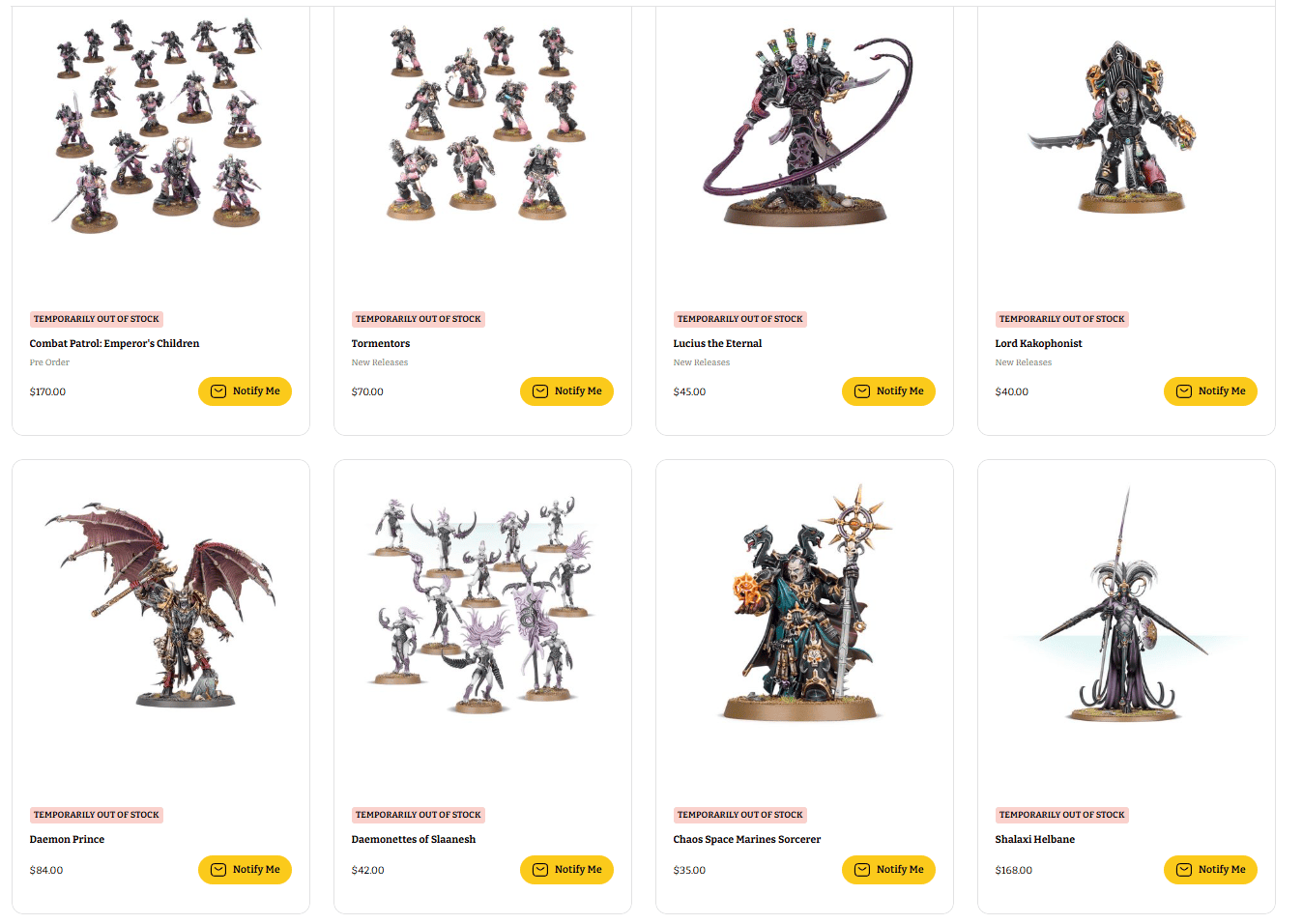 If this were just a one-off, it might be easier to swallow. But Chaos players have been dealing with this all year, ironically, during what GW called “the year of Chaos.”
Remember the Emperor’s Children army set? Allocated. Gone in minutes. The Chaos Knights battleforce? Same story. Now, the latest characters? Heavily rationed and instantly gone.
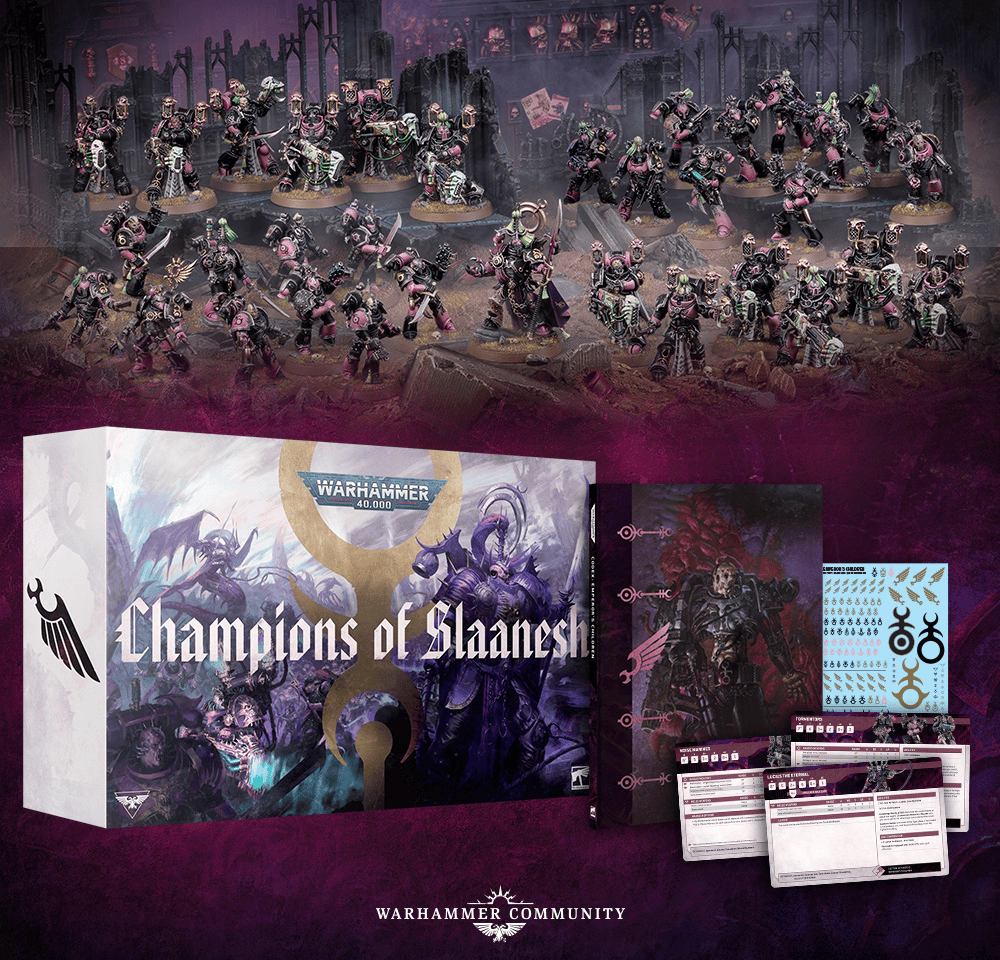 It’s hard not to feel like getting your hands on new Chaos kits is less about enjoying the hobby and more about winning a retail lottery.
Why Players Are Turning to 3D Printing
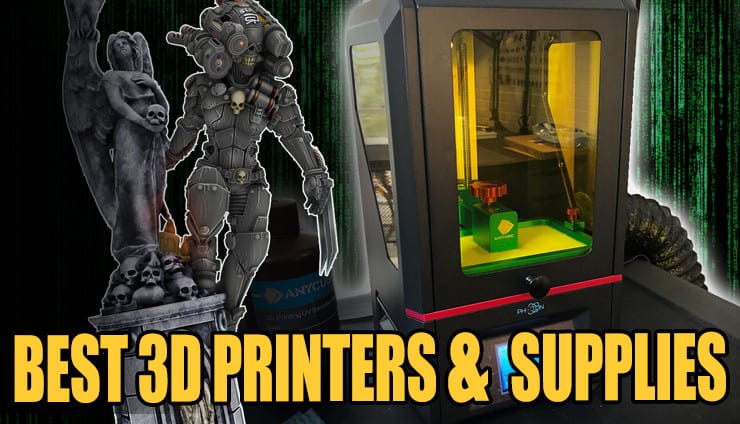 When the only way to get the latest sculpt is to fight scalpers, stalk restock notifications, or hope your local store takes pity on you, it’s no wonder more players are turning to Warhammer 3d printing.
With a printer, you can get a close-enough proxy, paint it to match your army, and actually play the game, instead of waiting months for a model that may not show up until next edition.
Conversions and third-party alternatives are another option, but 3D printing’s convenience is hard to beat. You skip the scarcity game entirely with Warhammer 3d printed models, and keep your army up to date without paying inflated secondhand prices.
What This Means for the Hobby
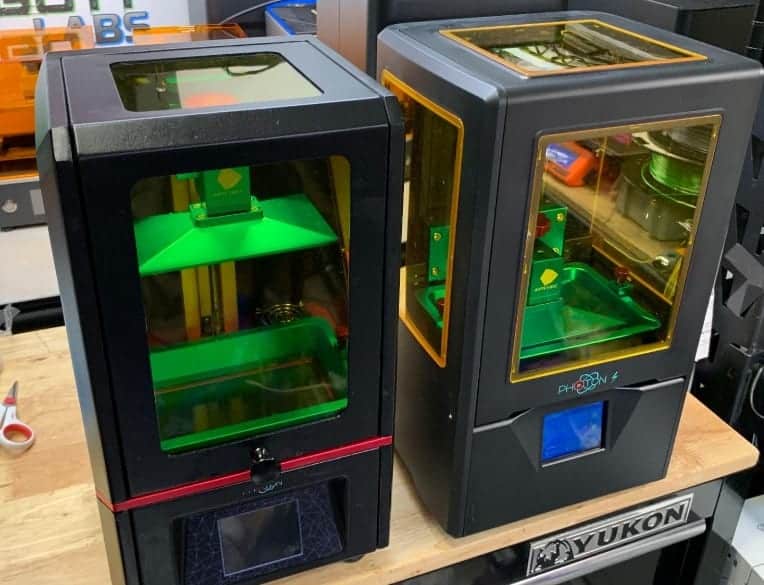 From an official standpoint, GW has been clear; the CEO himself has said they expect to sell out of almost every release. And that’s great for their bottom line.
But for players? It creates a gap between hype and actual access. When excitement turns to frustration, it’s only natural that people will look for workarounds.
And in 2025, that workaround is often a resin printer in someone’s garage.
Frequently Asked Questions
Does sold out mean it won’t come back?
Well, it depends. On warhammer.com, a “Sold Out Online” banner means that item won’t return to the webstore, while a plain out-of-stock label can restock later. Limited-run boxes and battleforces marked “while stocks last” usually do not come back once they are gone.
Is there a cheaper version of Warhammer?
Yes, home 3D printing and third-party sculpts cost a fraction of retail. For the full rundown, see our guide to the best Warhammer 40k alternative miniatures, or print your own with files from the Spikey Bits 3D printing hub.
Final Thoughts From Us: 3D Printing Warhammer Models
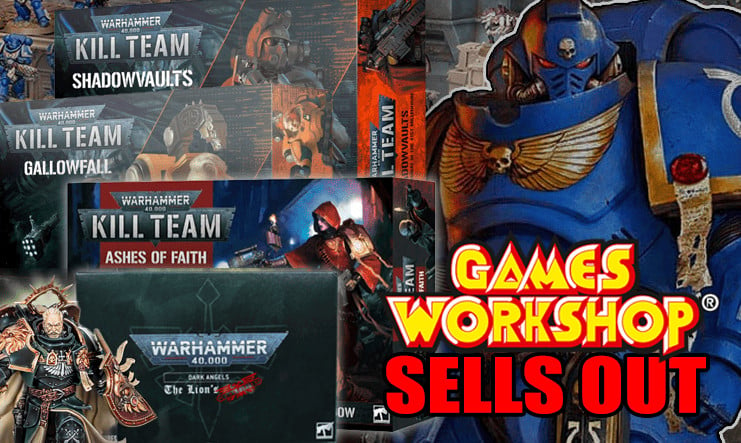
Whether GW intends it or not, their release strategy is making official minis harder to get. Until allocations loosen or restocks become more reliable, players will keep finding their own ways to field the models they want, and for many, that means 3D printing.
If you want to avoid scalper pricing and endless refresh cycles, it might be time to dust off your conversion skills or make friends with someone who’s got a printer. In the end, the goal’s the same: more cool minis on the table and fewer headaches trying to get them there.
3D-Printed Miniatures Perfect for Warhammer 40k
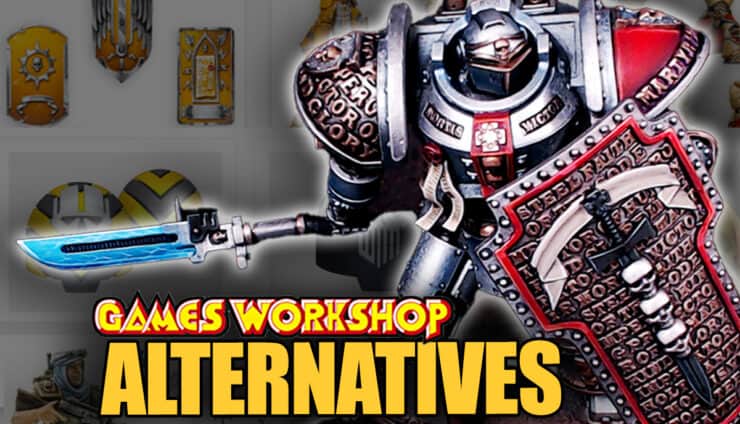
I bought a 3d printer last year specifically to print Warhammer minis. Mostly as a response to their pricing.
I say that 3D printing is the way to go. I have A Lot of left over arms, weapons and heads from my Space Marines so I 3D printing bodies, power packs and bases. From two Crusader Squad boxes I’m able to get an extra squad doing it this way. So as long as people still buy official GW stuff and mix in some 3D printed stuff is fine with me.