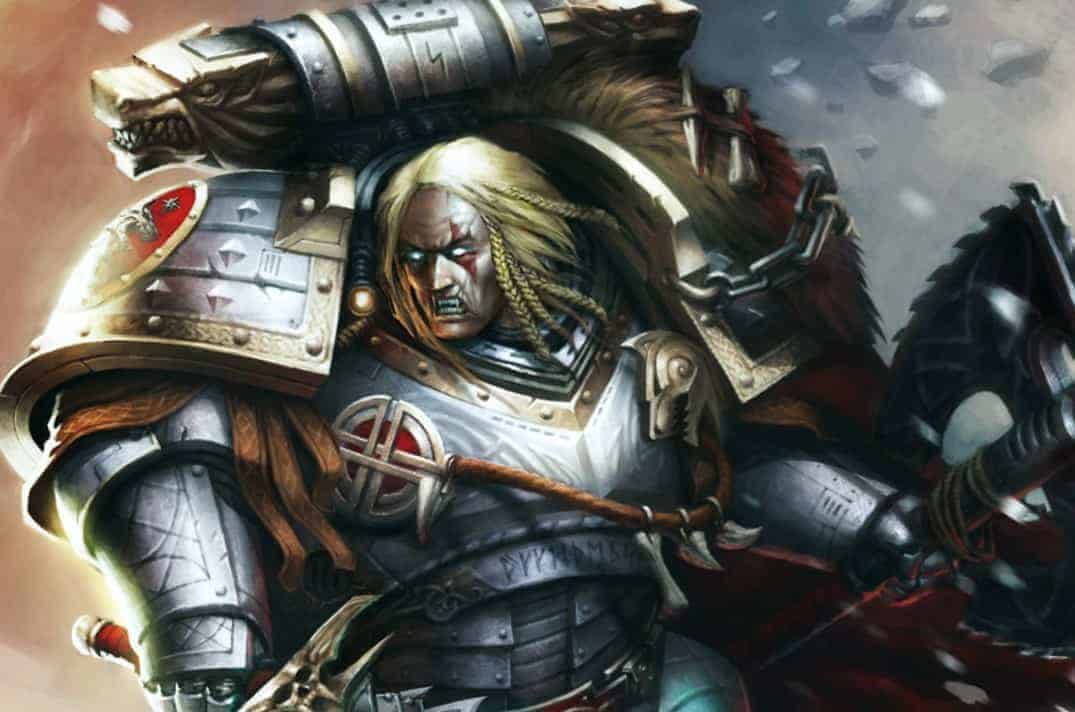
Where did Leman Russ go, plus all the Wolf King lore, Horus Heresy conflicts, the Wolftime mystery, and timelines of what happened and what’s next in 40k
If you clicked this for Leman Russ, you are probably after one (or both) of these Warhammer 40k lore arcs:
Looking for Leman Russ, the Primarch (Space Wolves)? Skip to Origins, Horus Heresy, or Wolftime.
Looking for the Leman Russ tank (Astra Militarum)? Go to Battle Tank, Variants, or Strategies.
Either way, we’re breaking down what Russ did, what his disappearance (the “Wolftime”) sets up, and why his legacy still shows up in games, minis, and the way Space Wolves think about war.
Titles: Wolf King, Great Wolf, “Executioner” vibes
Legion/Chapter: Space Wolves
Homeworld: Fenris
Era: Great Crusade, Horus Heresy
Status: Missing (Wolftime prophecy hook)
Not to be confused with: Leman Russ Battle Tank (Astra Militarum)
The Wolftime: Where Did Leman Russ Go?
Updated March 11th, 2026, by Rob Baer with new information and links to relevant content about the disappearance of Leman Russ, why there is a tank named after him, and his possible return to 40k.
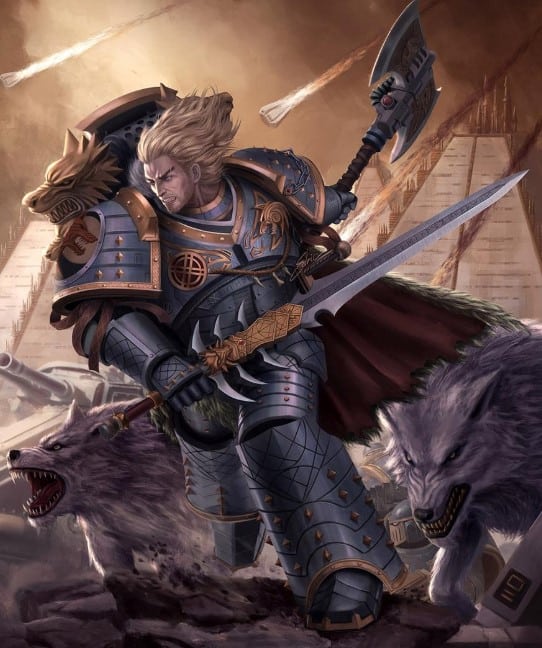
Russ’s exit is still one of the cleanest mic-drop moves in Warhammer 40k lore. After all the Horus Heresy chaos, he gathered his inner circle, the Wolf Guard, and headed straight toward the Eye of Terror.
That is the part everyone agrees on. The “why” is where everyone starts sharpening axes.
- The “save the Imperium” quest: Russ goes in looking for a way to protect the Imperium, possibly by confronting the ruinous powers of Chaos head-on.
Why fans like it: it turns him into a mythic, galaxy-scale problem-solver instead of “Primarch who retired.” - The Wolftime prophecy play: Space Wolves tradition says he is waiting for the “Wolftime,” the moment he comes back, when things are at their worst.
Why fans like it: it is a built-in return button that feels very Space Wolves, very dramatic, very “kicked in the door with a tankard.” - The grim one: he got trapped, lost, or otherwise stuck where time and reality do not cooperate, which is pretty much the Eye’s whole business.
Why fans like it: it keeps the mystery alive without requiring a neat, tidy answer.
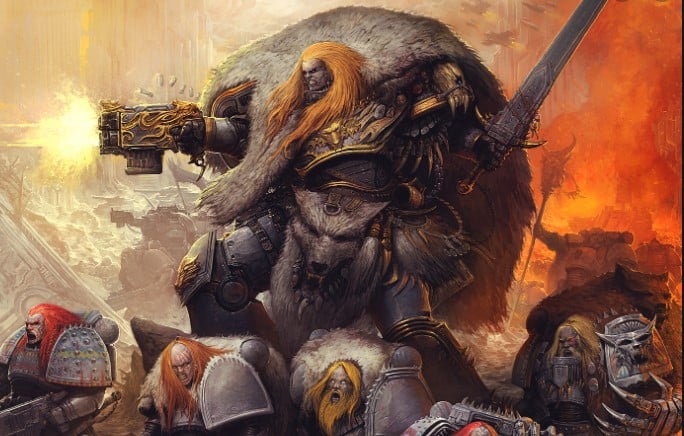
Most versions agree on the key beats: a vision or omen, a departure with his chosen warriors, and a promise the Wolves treat like a return timer, not a eulogy.
TL;DR: Russ vanished after the Heresy, heading into the Eye of Terror, and the Space Wolves treat it like a delayed return, not a funeral. If he is alive (and the Wolves absolutely think he is), the “Wolftime” is the narrative fuse that lets him come roaring back when the setting needs a big, loud hero moment.
And yes, while we are here: if Russ does return, it won’t be subtle. Nobody vanishes into nightmare space and strolls back like it was a weekend retreat.
The Origins of Leman Russ: The Space Wolves’ Legendary Leader

Russ’s backstory matters because it explains almost everything he does later: why he leads like a warlord, why he trusts instincts over ceremony, and why his loyalty looks “unfriendly” compared to some of his brothers. He is not trying to be liked. He is trying to be useful, especially when the Imperium needs someone to do the job nobody wants.
Leman Russ’ Sagas in 60 Seconds:
- Fenris: he grows up on a world that rewards survival, not manners.
- The Emperor arrives: Russ chooses loyalty through challenge, not ceremony.
- Great Crusade: the Wolves become the Imperium’s blunt instrument when “talking” is over.
- Horus Heresy: Prospero becomes the flashpoint that defines his reputation forever.
- Aftermath: he walks into the Eye of Terror and leaves the Wolves with a promise called the Wolftime.
Russ’s Birth and Early Life
Russ’s origin story reads like Fenris itself: cold, violent, and totally uninterested in your comfort. Found as a child on the icy death-world of Fenris, raised by wolves, and thrown into a world where “survive” is the only rule that matters. It’s the origin of the Space Wolves’ saga culture, too of deeds, bonds, and survival first.
What this sets up is his leadership style. Russ does not lead like a polished statesman; he leads like a pack leader. That means brutal honesty, hard choices, and a preference for action over debate. Later, when the galaxy is on fire, and everyone is arguing about whose rules matter most, Russ is already wired to pick a direction and start moving.
His unmatched strength and intelligence made him a warrior that even the harshest predators of Fenris respected or feared. That is the kind of “resume” that stands out, even in a universe full of monsters and demigods (and yes, even in the Warhammer universe where everybody thinks they are the main character).
The Emperor’s Discovery of Russ
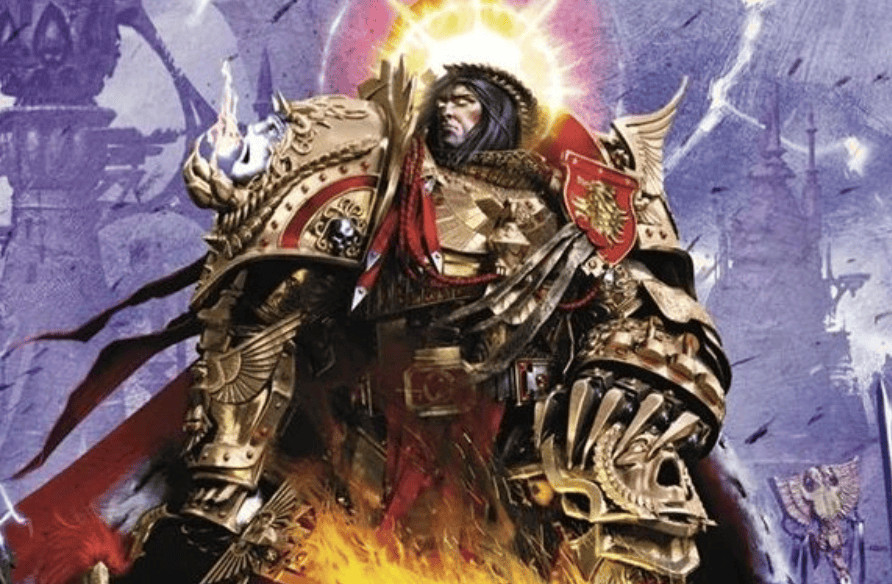
The Emperor, as usual, had an eye for talent and wasn’t about to let this wolf-man stay off the radar. When he arrived on Fenris, the meeting between Emperor and Primarch was anything but cordial. Russ, never one to bow to anyone, demanded a challenge.
After losing a series of tests of strength, wit, and sheer drinking capacity (classic Russ), he acknowledged the Emperor as his leader. That moment matters because it is not a “kneel and swear” scene. It is Russ choosing a bond, on his terms, which is basically how he handles everything.
From here, you can see the thread: Russ is loyal, but not meek. Which is exactly why his next big chapter in the story hits the way it does, because when Russ is pointed at a target, he doesn’t half-step it.
The Role of Leman Russ in the Horus Heresy

A lot of Primarch writeups boil down to “big warrior, big feelings, big battles.” Leman Russ’s Heresy role is different. He is the Imperium’s blunt enforcement tool, the guy you send when you want the argument to stop and the outcome to be final.
His most infamous mission comes when he’s tasked with bringing the Thousand Sons and their Primarch, Magnus the Red, to heel.
The clash on Prospero is the stuff of legends and bitter debates. Whether you see it as tragedy or necessity, the point is this: Russ commits. When he is convinced a line has been crossed, he does not half-step the response.
Russ Relationships (Heresy edition):
- The Emperor: Russ isn’t the pretty banner. He’s the “problem ends today” button, and he leans into it.
- Magnus: Prospero is the flashpoint because it is part warning, part punishment, and part irreversible mistake, depending on who’s telling the story.
- Other loyalists: even when his style is rough, Russ is still fighting for the same side, which is why the tension lands harder than simple “good vs evil.”
Key Battles and Conflicts
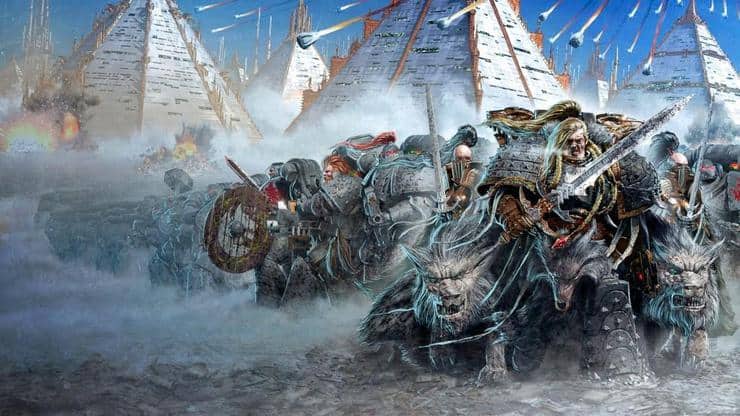
- Prospero as a turning point: it is not just a battle, it is the moment Russ becomes “the Emperor’s judgment” in the eyes of the wider story. This is also why the “anti-sorcery” reputation sticks to him forever.
- Pressure-tested command: Russ is not only a berserker king, he adapts fast when war gets messy, which is why the Wolves can hit hard and still function when plans fall apart.
- Living in the aftermath: the Wolves carry scars from these choices, and that tension fuels a lot of their identity even when they are fighting the forces of Chaos later on.
Influence on the Adeptus Astartes
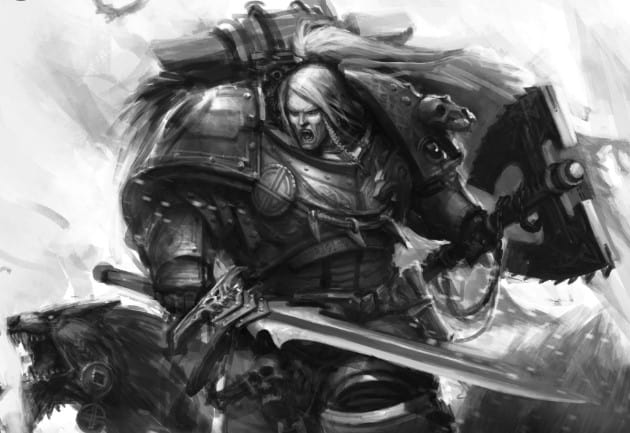
Russ’s influence is easiest to understand when you make it concrete. Here are the big areas where his “pack mentality” shows up in the chapter’s DNA:
- Doctrine: relentless offense and aggressive problem-solving, especially when the enemy expects a cautious, by-the-book response.
- Culture: loyalty built on bonds and deeds, not just slogans. You earn your place, you keep your place.
- Identity: independence without disloyalty, which is a tricky line to walk, but it is the Space Wolves’ whole thing.
If you’re building Wolves in 40k, this is why their playstyle keeps circling back to aggression and counterpunching, abd not to polite formation drills. Start with out Space Wolves lore hub and work outward.
Leman Russ: A Force in Warhammer 40k Gaming
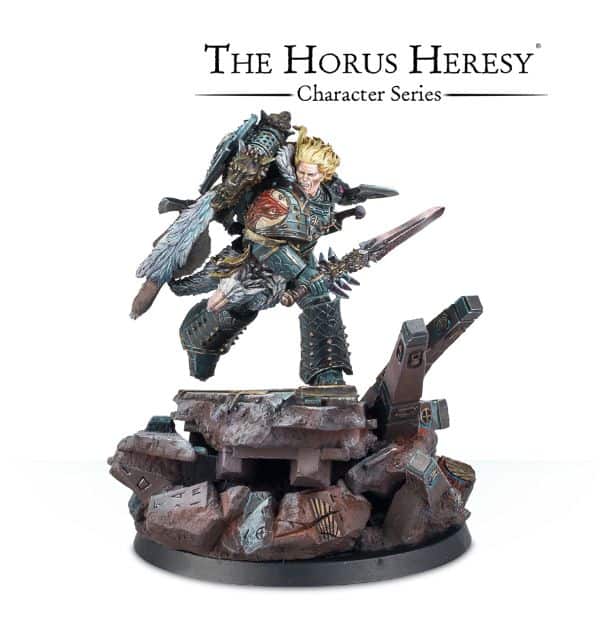
Russ isn’t just a lore-only flex. His shadow shows up on the tabletop in a couple of really practical ways, especially once you separate “Primarch rules” from “tank rules.” Quick note: Russ the Primarch is mainly a Horus Heresy tabletop thing; in 40k, you’re usually feeling his legacy through Space Wolves themes (and the Astra Militaum tank name).
- Heresy players: if you want a centerpiece character with real narrative weight, his Horus Heresy model is the cleanest way to put “Wolf King energy” on the table.
- Guard players: if you want dependable armor that still feels iconic, the Leman Russ chassis is the obvious starting point for a serious Astra Militarum force.
- Narrative hobbyists: Russ is a built-in story engine. Your opponents understand the vibe immediately, even if they cannot name every detail of his timeline.
Popularity of Leman Russ Miniatures

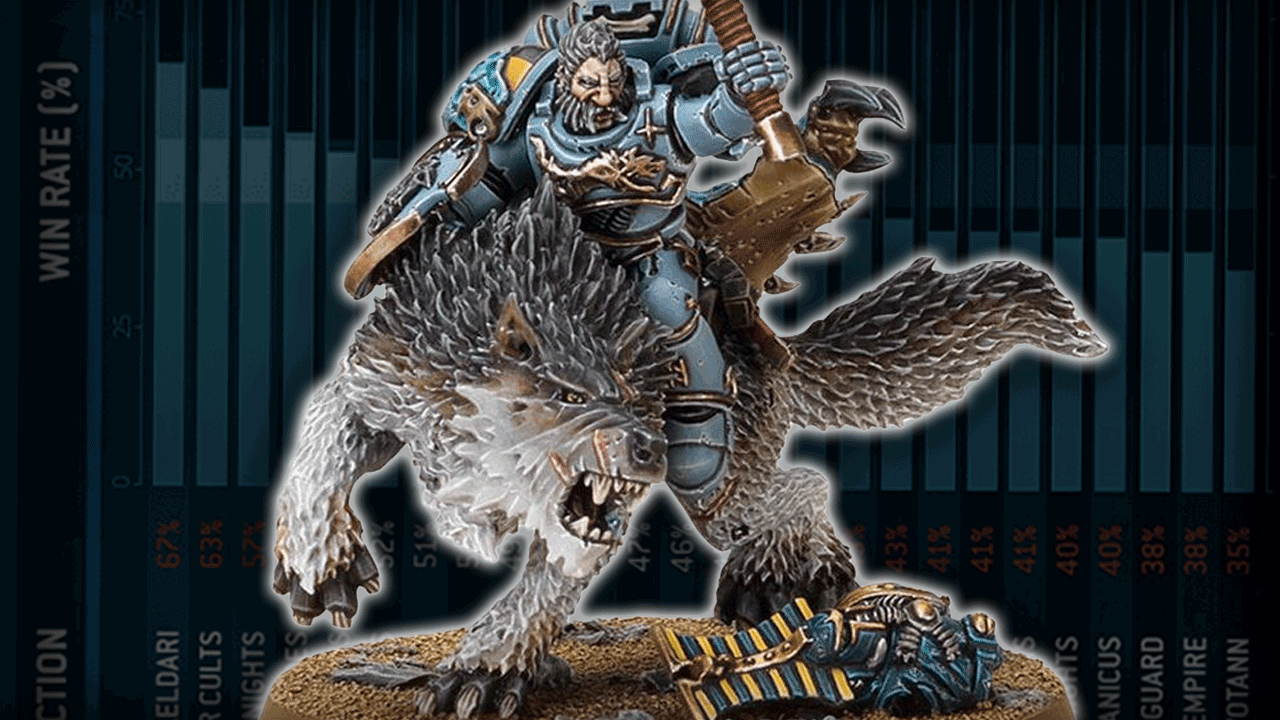
Image Credit Hellfire Hobbies Leman Russ Dueling Magnus Forge World Diorama
There’s a reason Leman Russ keeps popping up in collections and commissions. The Primarch side scratches the “display piece” itch, and the tank side scratches the “I need this to actually do work on the table” itch.
Hobby-wise, here is the honest bit: big centerpiece models are where painters either go all-in or get stuck. Russ’s Forge World-style projects are a perfect example of that “one more detail” spiral. If you enjoy weathering, fur textures, and dramatic contrast, you can lose a whole weekend in a good way.
And if you want the official version, his Horus Heresy model is a legit spectacle of violence. Meanwhile, the Astra Militarum tank kits are a classic “build one, immediately want another” situation because the variants actually feel different in both look and role.
Tabletop Corner: The Leman Russ Battle Tank (Astra Militarum)

Few vehicles are as recognizable or as universally feared as the Leman Russ Warhammer 40k battle tank. Named after the Space Wolves Primarch, this Imperial workhorse has become synonymous with raw firepower and unrelenting durability.
This is the Guard tank pattern named in honor of the Primarch, so yes, different unit, different faction, same iconic name.
Whether rumbling into battle for the Astra Militarum (40k Imperial Guard) or forming the backbone of countless tabletop strategies, the Leman Russ tank lives up to its namesake’s reputation for strength and resilience.
- Role on the table: anchor, pressure piece, and a very honest trading tool when you keep it on task.
- Why it’s popular: it does “reliable” well, and the loadouts let you tune for opponents instead of gambling on one trick.
- Where it can stumble: bad angles, dense terrain, or building every Russ to do the same job and then wondering why your list feels one-note.
Variants and Features of the Leman Russ Tank
- You want a durable anchor: it is the kind of chassis that can take heat while the rest of your army does the actual mission work.
- You want flexibility without overthinking it: the turret options let you point the tank at a problem and pick the flavor of “stop existing.”
- You want hobby payoff: big flat panels, weathering opportunities, and enough kit personality to make each Russ feel like its own character.Demolisher, Exterminator, Vanquisher: Pick Your Weapon

The Leman Russ Demolisher is the hammer of the tank lineup. Equipped with a massive Demolisher Cannon, it specializes in taking out fortified positions and heavily armored units. Short on subtlety, it’s all about high-risk, high-reward devastation.
For those who prefer relentless firepower, the Exterminator delivers. Its twin-linked autocannons make it a fantastic option for shredding lighter vehicles and infantry, giving it the edge in battles where sustained output is key.
And then there’s the Vanquisher, a sniper in tank form. Armed with a Vanquisher Cannon, it excels at punching through the heaviest armor from long range. Perfect for those moments when you want to remind your opponent that even the toughest units can’t hide.
If you’re running multiple Russes, mix roles. One goes hunting armor, one bullies infantry, and suddenly, target priority becomes your opponent’s problem.
Effective Strategies for Leman Russ in Tabletop Wargaming

If you are wondering, “Is the Leman Russ a good tank?” Yes, and the reason is simple: it is a reliable workhorse that can be tuned for the matchup instead of praying your one gimmick lands.
On the battlefield, the WH40k Leman Russ tank is more than just a pretty model. It’s a workhorse. With its impressive toughness and high firepower (and a few heavy stubbers for fun), it’s a reliable choice for holding the line or spearheading an attack.
- Into heavy armor: build at least one Russ with the job of cracking tough targets, then keep it alive long enough to do that job. Treat it like a problem-solver, not a hero, and give it clear lanes to shoot.
- Into hordes: lean into volume and board control. Your goal is not “delete everything,” it is “thin the threat and keep scoring pieces breathing.”
- Into mixed lists: split roles. One Russ for heavy targets, one for infantry pressure, and suddenly your opponent has to choose what to answer first while you keep trading up.
A popular tactic is using multiple Leman Russ tanks in a coordinated assault, leveraging their durability to soak up enemy fire while dishing out punishment. The variety of loadouts allows you to specialize each tank for different roles, creating a versatile and resilient core for your army.
Warhammer 40k Leman Russ FAQs
What is Leman Russ’ Power Level?
Russ’s “power” is not just “he hits hard.” It is a mix of a few very Russ-specific facets that keep showing up in every version of his story:
- Primarch-level brutality: when Russ commits to a fight, he is built to end it.
- Fenrisian instincts: he reads a situation like a hunter, not a bureaucrat, and he moves fast when he smells weakness.
- Command presence: his biggest advantage is making the people around him more dangerous, because they buy into the pack and follow through.
- Reputation power: half his “power level” is fear factor. People treat him like the Emperor’s problem-solver, and that changes the room before the first punch lands.
Where did Leman Russ go?
After the Horus Heresy, he left Fenris with his chosen warriors and headed into the Eye of Terror. That part is the shared spine of the story, even when the details get a little shrouded in myth.
Is Leman Russ coming back in 40k?
Nobody has a clean, official “yes” stamped on the date, but the Space Wolves treat the Wolftime like a return clause. In 40k terms, it is the perfect narrative hook: he is missing, not dead, and that matters.
What is the Wolftime?
It’s the Space Wolves’ big prophecy moment: the time when things are at their worst, and the Wolf King returns. Think “end-of-days saga chapter,” not “scheduled appointment.”
Why is the tank named Leman Russ?
In-universe, it’s an honor-name: an Astra Militarum battle tank pattern carrying the Primarch’s reputation by association. Out-of-universe, it’s classic 40k branding: iconic name, iconic kit, and everyone remembers it.
Was Leman Russ a loyalist or a traitor?
Loyalist. Complicated loyalist, loud loyalist, sometimes-makes-it-worse loyalist, but still fighting for the Imperium during the Heresy.
Final Thoughts on Leman Russ 40k: A Warrior and a Tank
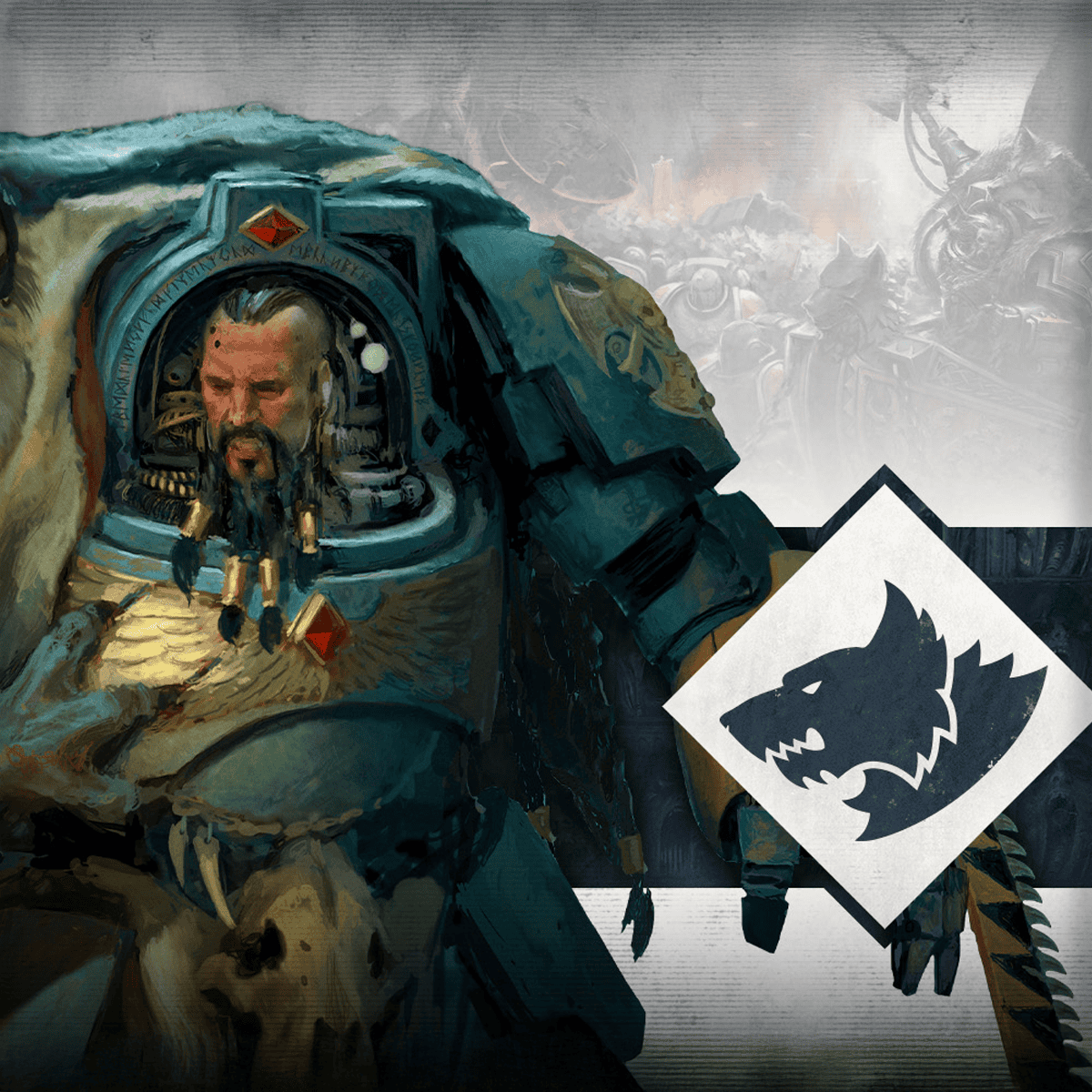
Even beyond the Astra Militarum, Leman Russ’s feral legacy leaks into how Space Wolves players think about aggression, adaptability, and chasing the win with a grin and a grudge.
Russ’s legacy hits that perfect 40k sweet spot. It’s half legend, half threat, and the rest is a big slab of Astra Militarum armor plating with a cannon bolted on.
- Leman Russ 40k Lore takeaway: Russ is the Imperium’s feral enforcer, the kind of Primarch who chooses loyalty through action, not speeches, which is why his choices still spark arguments.
- Tabletop takeaway: whether you are here for the Adeptus Astartes legacy or the Leman Russ tank, his name is attached to models that people actually build armies around.
- Mystery takeaway: the “Wolftime” is the perfect return hook, because it keeps the Space Wolves waiting, keeps the community theorizing, and keeps Russ’s story feeling unfinished on purpose.
If the Wolftime ever finally kicks off for real, one thing’s guaranteed: the Wolf King won’t stroll back in queitly.
Related Reads:
- All The New 40k Space Wolves Minis
- 40k’s Primarch Power List
- Latest Space Wolves 40k Rules Balance Dataslate Updates
- How to Play Space Wolves Guide
- New Space Wolves Army Set Review
- Space Wolves 40k Faction Lore & More