
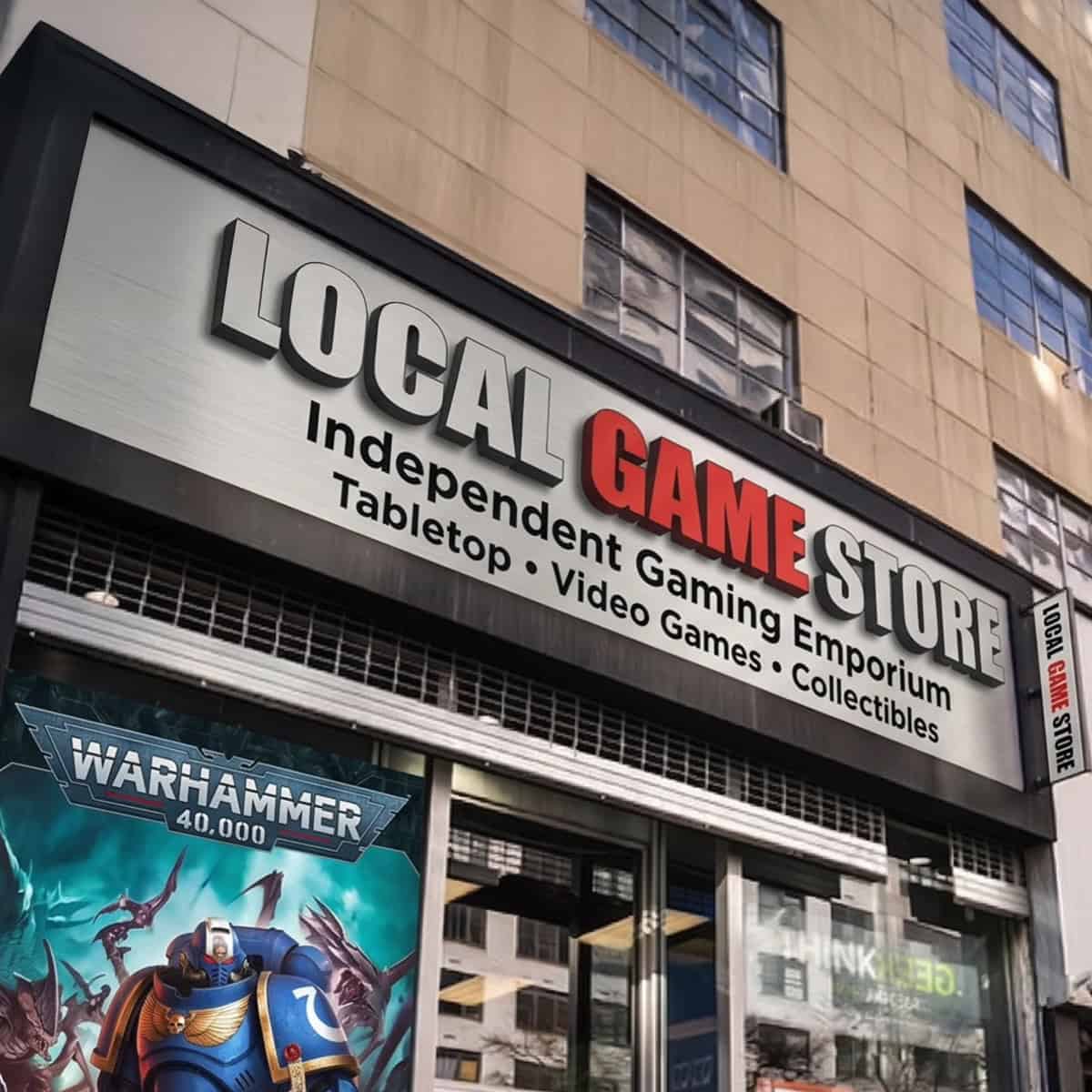
Games Workshop’s own report says local game stores now account for 65% of core revenue, so why does its biggest sales channel still get allocated down to nothing?
Games Workshop just told shareholders that local game stores bring in 65% of its core revenue; the problem is, those are still the same stores getting their launch-day orders slashed.
Trade accounts, GW’s name for independent retailers, now make up nearly two-thirds of the business. At the same time, the same report shows them writing down more obsolete stock they couldn’t sell.
So, stores aren’t getting enough of the products customers want, while GW is left holding products they don’t. That seems like a pretty wild forecasting problem, and not just a simple shortage.
Local Games Stores are 65% of GW’s Revenue Now: Why Treat Them So Bad?
Updated on August 5th 2026, by Rob Baer with the latest updates
- What’s happening: Local game stores are GW’s biggest sales channel, but allocations still leave them short of popular releases.
- The facts behind the story: Trade reached 65% of core revenue at £405.3m, while obsolete-stock provisions climbed to 12% of inventory.
- What it may mean if we’re right: Stores carrying most of GW’s business have more reason to prioritize cards, board games, and other products they can reliably stock.
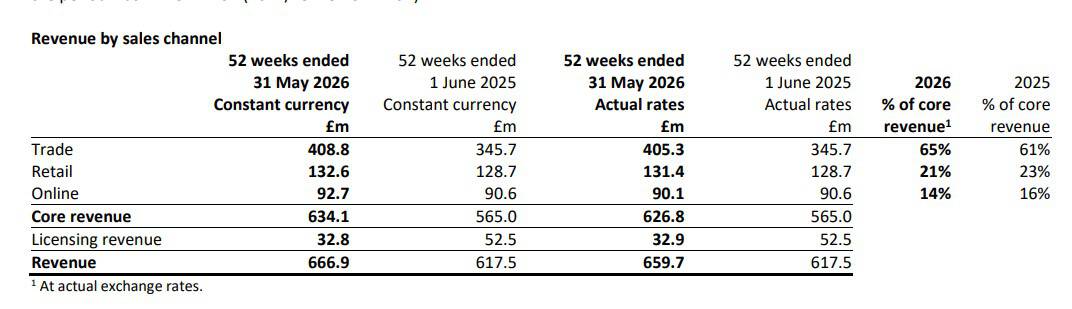 According to Games Workshop, trade accounts reached 65% of GW’s core revenue this year, up from 61%. That came to £405.3m, an increase of 17.2%, across roughly 9,100 independent accounts in 71 countries. GW’s own stores accounted for 21%, while their online sales (at Warhammer.com and Black Library) made up 14%.
So, most of GW’s record year came through stores it doesn’t own, and trade also grew faster than either channel GW controls directly.
Which is important because it’s the same independent shops that keep dealing with shortages and allocations, and it supports what we’ve said about GW turning its back on the stores carrying its products, particularly smaller retailers and Canadian stores.
GW Talks About Its Biggest Channel Like It’s Someone Else’s Problem
 GW says success with independent retailers “is not completely in our control.” It also says store viability depends entirely on the owner and notes that many shops need collectible cards, board games, and other product lines to survive.
Sure, no manufacturer controls every store’s success, but GW does control supply, allocations, release quantities, and restocks.
That’s where the report’s wording feels off to us. GW depends on independent stores for most of its revenue while treating their supply problems as something store owners simply have to manage.
It’s the same issue we’ve seen with the problems GW still hasn’t fixed. The company creates demand it can’t reliably meet, then leaves retailers to explain the empty shelves.
You Can’t Call Stores 65% of the Business and Not Give Them Stock
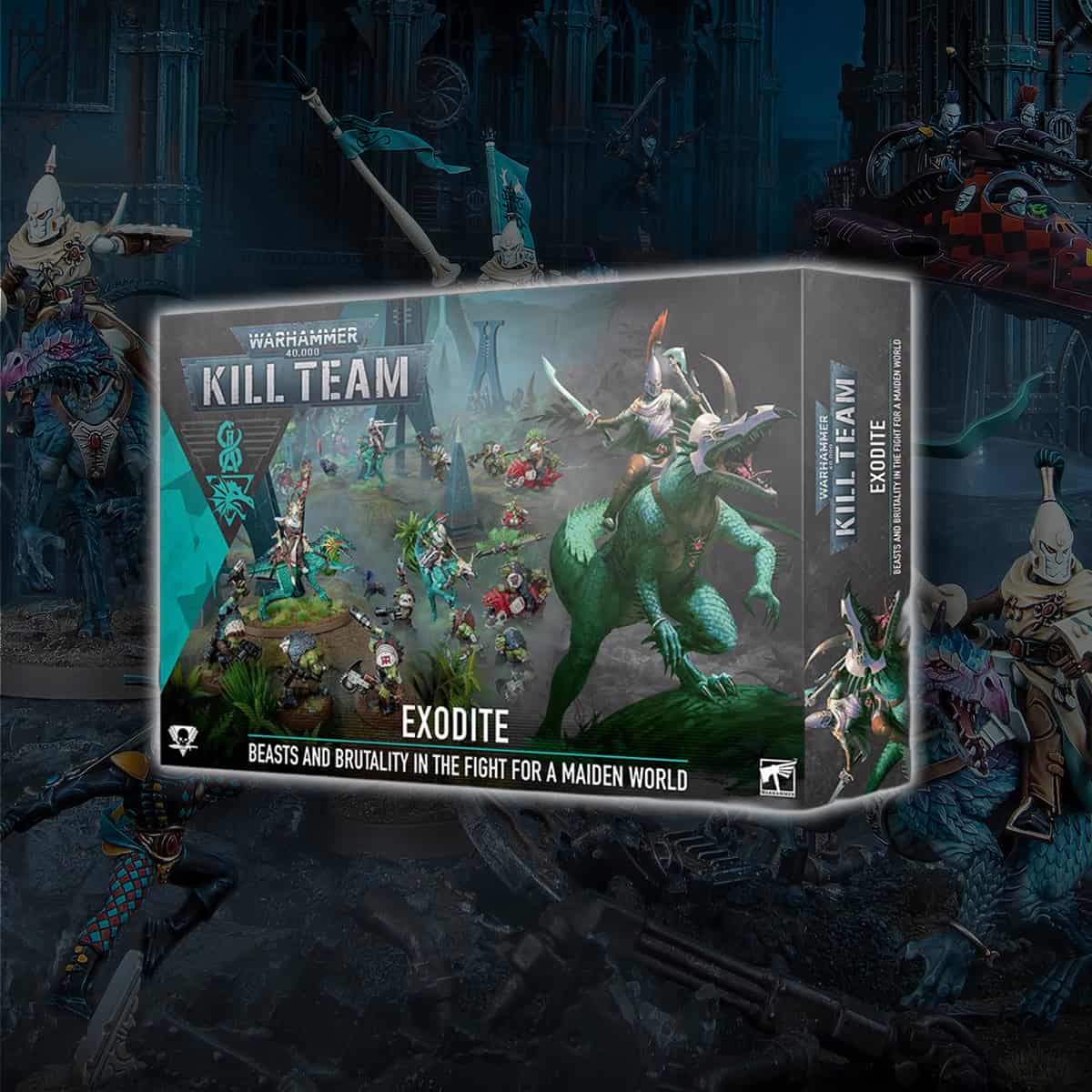
Stores regularly see their launch orders heavily reduced, restocks cut off, and even experience temporary ordering bans in North America.
GW’s CEO has said products will continue selling out, so at least some scarcity is intentional. That may work for GW, but it leaves stores unable to fill preorders or plan release events in a lot of cases. A retailer can’t build a launch weekend around the possibility of receiving four boxes.
The heavily allocated Christmas Battleforces were another example. GW relies on local stores for most of its revenue, then limits their access to the releases most likely to bring customers through the door.
They Say Sell What We Make, Then Write Down the Stuff Nobody Wanted

GW says it aims to sell what it makes and avoid unnecessary overproduction. Even so, inventory provisions reached 12% of gross stock this year, up from 10.6%, after the late disposal of obsolete stock.
In other words, some products sell out immediately; others sit around until they’re written down and “disposed of.”
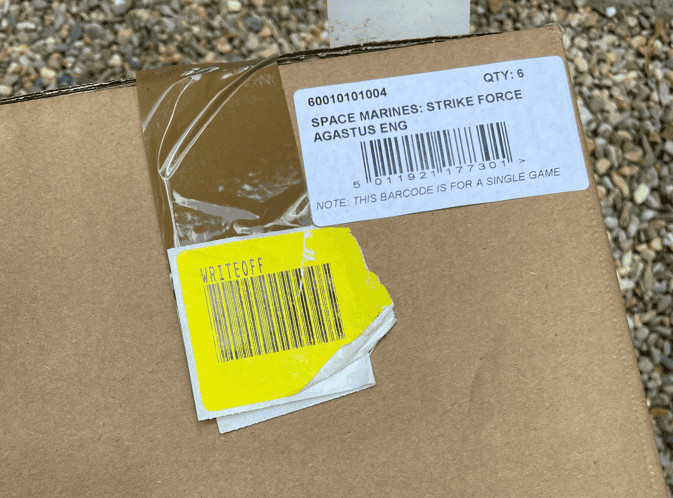
The report admits forecasting still has “room for improvement.” The CEO also says international sales teams can be overly cautious with restocks, forcing GW to use expensive air freight when it needs to catch up.
So in other words, GW sometimes forecasts too low, runs short, then spends more money fixing the problem.
The scarcity strategy also isn’t covering those mistakes as well as it once did. GW missed its month-on-month growth target twice this year, while its stores declined by 1.5% in the US, 0.5% in the UK, and 6.1% in Australia and New Zealand.
 Trade still grew 17.2%, and GW reported more than 98% on-time dispatch performance from its Memphis and EMG hubs, so the warehouses don’t appear to be the main problem.
Scarcity can protect margins and reduce the risk of huge write-downs, sure. The issue is execution. Cutting preorders for products that sell instantly while writing off unwanted stock points to pretty bad forecasting.
Final Thoughts on the Local Game Store Squeeze
GW posted a record £275.7m profit, paid the CEO 100% of the maximum bonus, and gave staff a profit share. Meanwhile, the stores generating 65% of core revenue still can’t rely on getting enough stock, and the CEO even said they shouldn’t lol.
Independent retailers aren’t a minor channel. They’re GW’s main sales channel, and each heavily allocated release gives them another reason to focus on collectible cards, board games, and other products they can actually stock and make a reliable living off of.
Either way, GW’s report says local game stores are essential, but its allocations keep telling them otherwise.
🔗 Related Reads:
- Games Workshop Doesn’t Care About Your Local Game Store
- GW’s Exodite Allocations Gut Stores Before Release Day
- Heads Up: GW Is Cutting Off Restock Orders
- GW Can’t Meet Demand: Inside 40k’s Supply Crunch
- GW’s Failing FOMO Strategy: Warhammer Isn’t Selling Like Before
- GW CEO Confirms More Product Sell-Outs in Future
- GW’s Biggest Profit Yet Comes With Serious Business Warnings
What do you think Games Workshop should change first to support the local game stores driving 65% of its revenue?

Does GW have a buyback program for dead/old stock for FLGS or Distributors? Maybe this is why FLGS are shy to fully stock model lines, hobby items, Magazines, paint, etc.
All FLGS should unite and demand buyback, like the big box retailers do, walmart/target/etc. do not own items in the store, and some vendors even stock their own products shelves in those big box stores. Hmmmmmmm…