Henry Cavill’s AI game raises some uncomfortable questions about Warhammer 40k, GW, and the future of tabletop gaming.
Henry Cavill making a 16-bit game with Google’s AI tools sounds like a fun little story. Except he’s also the guy a lot of hobbyists are counting on to keep Hollywood from messing up Warhammer.
Google revealed Mustache Protocol on November 4th, built with Google Books tools, including the AI-powered Antigravity, which turns plain-English prompts into playable game mechanics. And yes, the whole game is about stopping CGI artists from ruining mustaches; you really can’t make this stuff up.
Sure, it’s a Google promo, not a Warhammer project, but the timing is interesting with Cavill’s Amazon Warhammer project still being the most anticipated thing in Warhammer for a long time.
GW keeps saying it’s protecting human creativity, Amazon is spending big on generative AI, and now Cavill is promoting AI-assisted game development. Each company has its own reasons, sure. But put all three together, and those AI rules start looking pretty flexible when money gets involved.
And before anyone gets carried away, there’s zero verified evidence that Amazon’s Warhammer show is using generative AI, but that doesn’t make the differences in how these companies approach AI any less interesting.
Cavill Never Actually Promised to Keep AI Out of Warhammer
- What’s happening: Henry Cavill helped Google launch Mustache Protocol, an AI-assisted 16-bit game, while his Amazon Warhammer 40k show keeps moving forward.
- What we have seen so far: GW’s AI ban only covers product design and its IP, Amazon is funding AI production tools, and Saber already promised no generative AI in Space Marine 3.
- What’s next: Nobody has publicly said what AI rules apply to the show, so we’d expect hobbyists to keep asking until someone does (that part’s our guess).
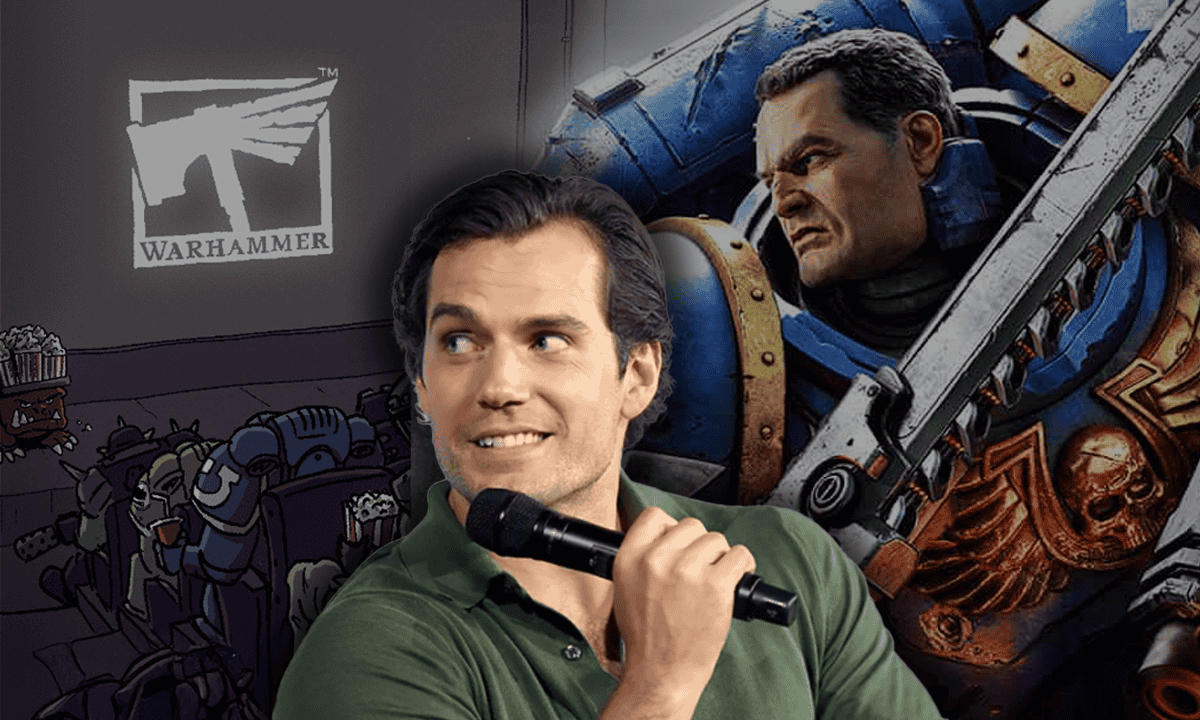
For years, the big reassurance about this show has been pretty simple. Cavill is a real hobbyist, he’s an executive producer, and surely he won’t let Hollywood turn 40k into some generic sci-fi series. A lot of fans have been hanging their hopes on that. But being a fan doesn’t automatically give you final say over everything, especially what technology a studio uses behind the scenes.
So does Mustache Protocol tell us anything about what Cavill wants for Warhammer? Not really. He hasn’t said he wants AI involved in the show. What it does show is that being a serious Warhammer fan doesn’t automatically mean you’re against AI. Plenty of us just assumed that was where he stood without him ever actually saying it.
And come on, making a little promotional game isn’t the same as producing a show millions of people might watch. Maybe Cavill genuinely loves the tech, maybe it’s a business arrangement, or maybe it’s both. We don’t know, and he’s free to be interested in new tools, just like fans are free to question what they expected from the guy they saw as Warhammer’s safety net.
There’s also another reason he might be doing it: Google is also donating $11 per play to men’s health causes through November, up to $500,000. That’s a good thing, no argument there. But supporting a good cause doesn’t change the fact that this is also an AI promotion.
GW’s No-AI Line Has Some Fine Print
We’ve already talked about how GW quietly updated its AI policy, and its 2026 annual report follows the same basic approach. GW says it doesn’t use AI to design products or create its IP. Fair enough, but that’s not the same as banning AI across the entire company. The report even acknowledges that AI is showing up in more third-party software, making it pretty hard to avoid completely outside the Warhammer studio.
And that’s where things get a little weird… If AI can’t be used to design a miniature, what about advertising, promotional images, or visual effects? Is GW drawing that line to protect artists, protect its IP, avoid legal problems, or some combination of all three?
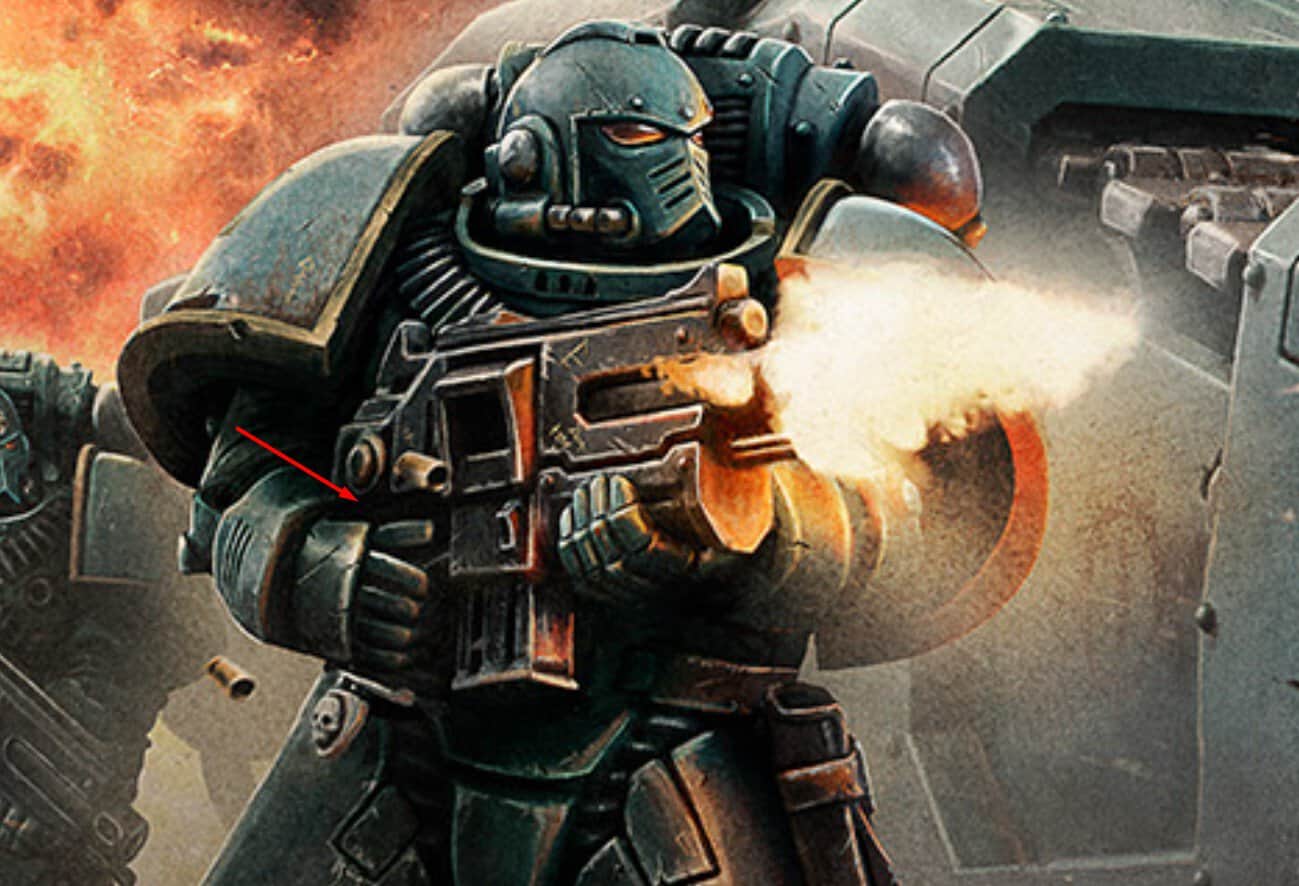
The report also acknowledges mistakes in product-marketing images, which GW says it investigated to check whether AI was involved. We’ve seen plenty of questions about this stuff already. Remember the Red Gobbo wearing two sets of goggles? Or the six-fingered Space Marine that GW said was human error? Then there’s the Golden Demon AI ban, which arrived while people were still questioning GW’s own promotional artwork.
Does any of that prove GW used generative AI? Nope, but those incidents happened and are concerning.
Amazon Is Spending Real Money on Generative AI

Amazon MGM Studios launched its GenAI Creators’ Fund in 2026 to support projects using AI production tools. It’s also developed AI-assisted production infrastructure for animation, live action, and visual effects. Amazon says the idea is to help human creators, not replace them. Okay, but this isn’t some technology the studio is merely thinking about. It’s actively putting money into it.
Now think about what a Warhammer 40k show could need. Massive armies, alien planets, and enough visual effects to make your head spin. If Amazon sees AI as part of filmmaking’s future, why would anyone automatically assume Warhammer is off-limits? Again, that’s a fair question, not proof of anything. And saving some production money wouldn’t look nearly as clever if it cost Amazon the goodwill that made Warhammer such an attractive license in the first place.
Here’s another wrinkle. GW and Amazon agreed on creative guidelines back in December 2024, but nobody outside the deal knows the actual terms. GW has also acknowledged in its reporting that it doesn’t have complete control over licensed productions. Keeping the lore accurate is one thing, but deciding how the studio makes the show is another. Whether those guidelines address both is still unknown.
And there’s more than one project to think about now. GW’s latest reporting confirmed Mike Flanagan is working on the live-action project alongside Cavill, Vertigo, and United Artists. Amazon also has a Deathwatch animated series in development, with Cavill as executive producer. So we’re looking at two productions that might not even follow the same AI rules. Either way, we don’t know what either one is doing with AI, but both projects are moving forward.
Saber Already Showed What a No-AI Promise Looks Like

And here’s where the comparison gets interesting. Back in October, Saber Interactive said generative AI wouldn’t be used in Space Marine 3, even though the company isn’t against using the technology elsewhere.
Same Warhammer IP, but from a different outside company, and Saber was willing to say exactly where it stood.
So if a game developer making enormous futuristic battles can make that commitment, why couldn’t Amazon? Does GW have different requirements for video games and television, or does every licensing partner work out its own arrangement? We haven’t gotten an answer, and leaving everyone guessing isn’t exactly inspiring confidence in this project.
AI Is Already Messing With Cavill’s Show Before Anyone Even Films It

The funny thing is, AI is already causing headaches for Cavill’s Warhammer project without being anywhere near the actual production. We’ve covered plenty of fake Cavill rumors and AI slop, including generated pictures and completely made-up insider updates. And with fans desperate for actual news about the show, that stuff spreads quickly.
Now imagine Amazon starts using AI-generated promotional material. How much harder would it be to tell official Warhammer content from all the fan-made AI junk floating around? There’s a certain irony in AI misinformation surrounding the biggest Warhammer adaptation while its star is helping promote AI tools.
Of course, we hobbyists aren’t completely consistent about this stuff either. Plenty of people who can’t stand AI art still use AI-powered search, rules tools, or army list builders. And those aren’t all the same thing. Obviously using a rules assistant is different from generating Space Marine artwork, which is different again from having AI write a TV script. Treating all of that as one big issue doesn’t really help.
Final Thoughts on the Henry Cavill AI Game and Warhammer 40k

Cavill helping Google promote an AI game isn’t automatically a problem. And nobody’s saying every company involved with Warhammer needs to avoid every bit of technology that might make its work easier. What hobbyists want to know is whether the rules are consistent.
GW talks about protecting human creativity, Amazon is investing in AI-assisted entertainment, and Cavill is promoting AI game development. Meanwhile, fans are expected to trust that everyone involved will make the right calls when Warhammer reaches television. Maybe they’ve already worked all that out behind the scenes. Maybe Amazon won’t use generative AI on Warhammer at all.
But GW already has strict AI rules for miniature painters. Is it really too much to ask the companies making a potentially massive 40k adaptation to explain what their own rules are for the project? Until somebody gives fans a straight answer, we’re probably going to keep asking.
🔗 Related Reads:
- Henry Cavill Is Bringing Warhammer to TV, Here’s What to Expect
- GW Steps on a Landmine Doubling Down on Their No-AI Art Stance
- Despite Banning AI, Games Workshop Uses It
- GW Just Got Caught Using AI Art Red-Handed
- Golden Demon Winner Admits to Using AI, Calls Out Critics
- Love It or Hate It, AI Is Here for Warhammer (Ep 497)
Does Henry Cavill promoting AI change how much you trust his Warhammer 40k show?