Step into the darkness of Konrad Curze’s life, and see how the Night Lords Primarch’s haunting visions and fear of destiny drove him to tragedy, chaos, and terror in Warhammer 40k.
Updated September 24th, 2025, by Rob Baer with new information, his fate in 40k, and links to relevant content.
Konrad Curze, the Night Haunter, wasn’t your typical Primarch (Chaos or Loyal) in 40k. Haunted by visions of doom and an unshakable fear of what lay ahead, his story is one of tragedy, terror, and a relentless struggle against fate. Whether it was his brutal sense of justice or the eerie prophecies that followed him, Curze’s life was anything but ordinary.
His rise and fall weren’t just written in blood; they were etched in the chilling whispers of inevitability. So what really pushed him down such a dark path? Let’s take a closer look at how fear and prophecy shaped the fate of one of Warhammer 40k’s most enigmatic figures.
Introduction: The Night Haunter
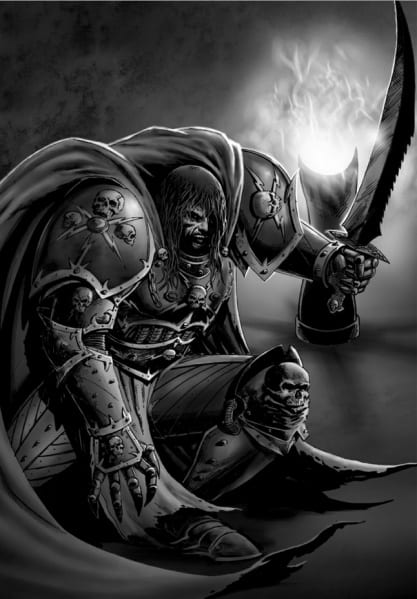 Konrad Curze wasn’t exactly the kind of guy you’d invite over for dinner (even in the grimdark of 40k). Known as the Night Haunter, his life was a chaotic mess of fear, destiny, and enough grimdark to make even the toughest Chaos Primarchs look twice.
Whether you’ve come across him through a Warhammer 40k book or stumbled upon some chilling Konrad Curze artwork, one thing is clear: his story is a brutal one. His fear of destiny wasn’t just paranoia; it was practically a prophecy written in blood.
Overview of Konrad Curze
 Born in the dark and crime-ridden world of Nostramo, Curze grew up surrounded by corruption and violence. Instead of rising above it, he embraced it, well, in his own terrifying way.
He decided that fear was the best tool to bring order, and let’s just say his methods weren’t exactly gentle. As the Primarch of the Night Lords, his legion followed his example, becoming infamous across the galaxy for their brutal tactics and a preference for making an example out of anyone who crossed them.
Curze’s nightmares weren’t just the kind that kept him up at night; they were visions of a future filled with doom, destruction, and his own inevitable demise. He believed fate had already sealed his destiny, which made him a little… intense.
His paranoia and sense of justice eventually drove him to the brink, leading to some rather tense relationships with other Primarchs, especially with Corvus Corax, his complete opposite. Fans still talk about Corvus Corax vs Konrad Curze 40k as one of the most iconic rivalries in lore.
Early Life of Konrad Curze on Nostramo
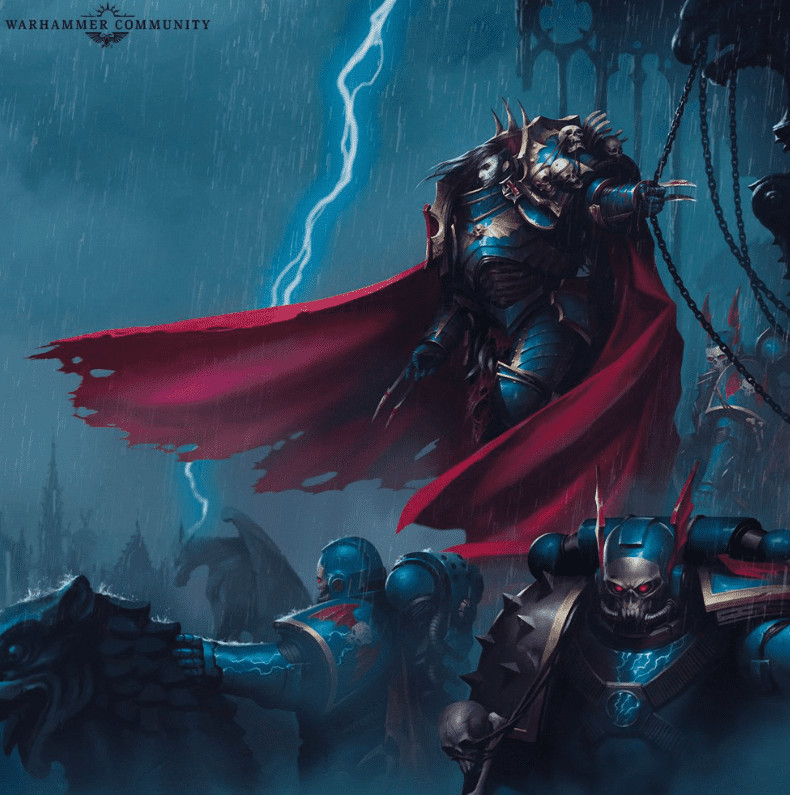 Konrad Curze’s story kicks off on Nostramo, a planet so corrupt and crime-ridden it made the underhives of Necromunda look like a tourist trap. The sun barely shone, gangs ruled the streets, and justice was more myth than reality. Into this mess crashed a Primarch pod carrying a child who would become anything but well-adjusted.
Curze didn’t rise above the darkness; he became it. As a kid, he survived by hunting criminals and turning the planet’s fear back on itself. No courts, no laws, just brutal “justice” dished out in alleys and public squares. By the time he was a grown man, Nostramo had traded its chaos for a police state of sheer terror, with Curze as judge, jury, and executioner.
It was this reign of fear that earned him the name Night Haunter. When the Emperor finally showed up to collect his lost son, he didn’t find a noble warrior or a beacon of hope; he found a predator who had already perfected fear as a weapon. Nostramo bowed to Curze not because they loved him, but because they were terrified of what would happen if they didn’t.
Fear as Leadership: The Night Lords Primarch
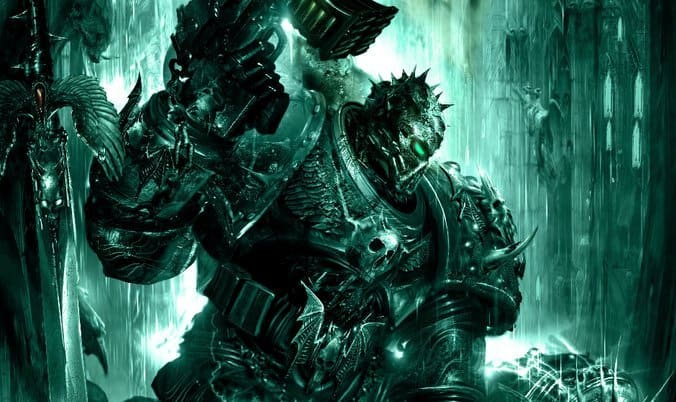 When Curze took command of the Night Lords, he didn’t suddenly switch gears into inspirational speeches or shining examples of brotherhood. His entire playbook was fear, and his legion loved it. Where other Primarchs waved banners and inspired loyalty, the Night Lords left flayed corpses and cities too terrified to resist. Victory wasn’t about honor; it was about control, and terror got the job done faster than any pep talk ever could.
During the Great Crusade, this approach made them infamous. Entire worlds surrendered at the rumor that Curze’s sons were en route. They didn’t need to fight glorious campaigns; half the time, their enemies laid down arms before the first bolt pistol was drawn. The Night Lords weren’t the Emperor’s poster boys, but they were undeniably effective at bringing reluctant planets into line.
Of course, making terror your brand doesn’t win you friends. Other Primarchs looked at Konrad Kurze like the guy who brought a chainsaw to a family dinner: effective, sure, but maybe a little much. Still, the Night Lords thrived in that role, carving out a reputation as the Imperium’s nightmare fuel, even before the Heresy turned everything upside down.
Konrad Curze 40k and the Great Crusade
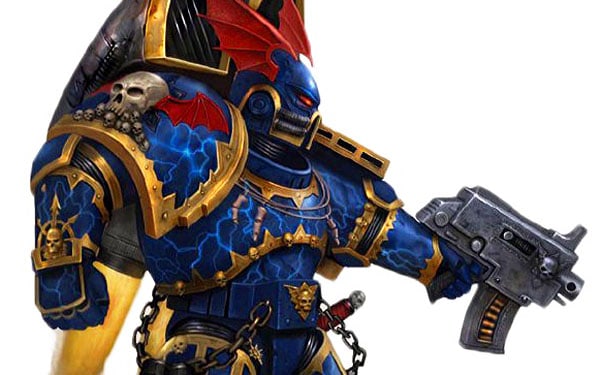
Konrad Curze and the Night Lords were never shining examples of loyalty in the Imperium. By the time the Horus Heresy erupted, things had already been falling apart for a while. Curze’s grim predictions of the Imperium’s downfall didn’t exactly make him the most optimistic of the Primarchs, and his brutal approach to enforcing order wasn’t winning him any friends.
When the civil war finally kicked off, it wasn’t much of a surprise that Curze and his legion found themselves siding with the traitors, though for reasons that were uniquely their own. Unlike some of the other Chaos Primarchs, Curze didn’t align with Horus out of ambition or a thirst for power.
His choice to turn against the Emperor was more of an “I told you so” moment. He believed the Imperium was doomed to corruption and tyranny, and the Heresy just proved him right. That said, he didn’t exactly join the rebellion with the same enthusiasm as others. Instead, it felt more like a resignation to fate, something he had seen coming long before anyone else.
Role of the Night Lords
 The Konrad Curze legion had never been about honor or battlefield glory. Their specialty was fear, pure, relentless, soul-crushing fear. During the Horus Heresy, they took their terror tactics to the next level, striking at Imperial forces with precision and brutality.
Entire worlds surrendered at the mention of their name, and for good reason. They didn’t just conquer; they crushed spirits, leaving behind nothing but fear and destruction.
While other traitor legions sought the favor of Chaos, the Night Lords remained more pragmatic. Curze didn’t worship the Chaos Gods, and his legion followed suit. They were outcasts in every sense, despised by their enemies and not entirely trusted by their so-called allies. The Night Lords operated in their own way, spreading panic and disorder across the galaxy while staying true to Curze’s grim vision of justice.

Betrayal and the Shift to Heretic Astartes
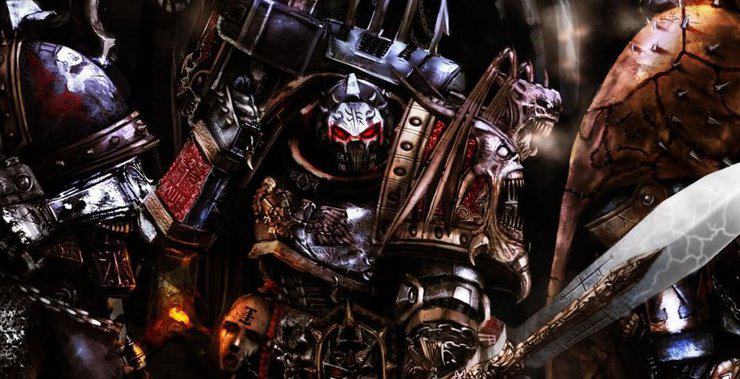 Curze always saw betrayal coming; it was practically his thing. His nightmares and visions constantly reminded him that his fate was sealed. Despite that, his eventual shift to becoming one of the Heretic Astartes wasn’t about ambition or greed; it was about inevitability.
He didn’t fight for Chaos, nor did he see himself as a servant of Horus. In his mind, he was simply proving that everything he had predicted was coming true.
As the Heresy dragged on, the Night Lord’s Primarch’s methods became even more unhinged. The line between justice and cruelty blurred beyond recognition. Tales of his atrocities spread far and wide, and even among the traitor forces, there was unease about the extent of his ruthlessness.
Rivalries of Konrad Curze: Corax and Beyond
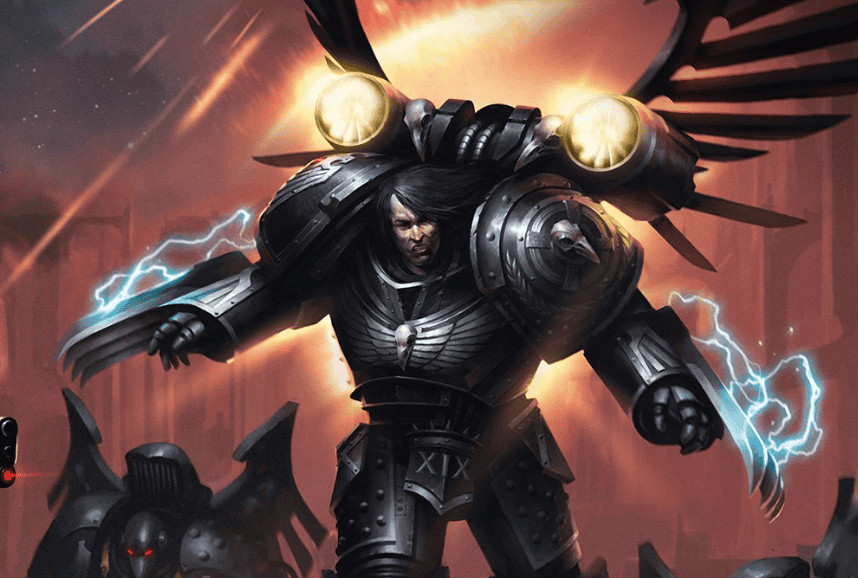 Konrad Curze had a habit of leaving an impression, though usually not the kind that anyone enjoyed. His time in the galaxy was filled with some unforgettable moments that cemented his place in Warhammer history.
Among the many clashes he was part of, his ongoing conflict with certain Primarchs stood out. While others sought glory and conquest, Curze thrived on fear and punishment, which didn’t always sit well with his more noble-minded brothers. This constant tension created some of the most intense moments in the history of the Night Lords, pushing them further down their path of terror and destruction.
Battle with Corvus Corax
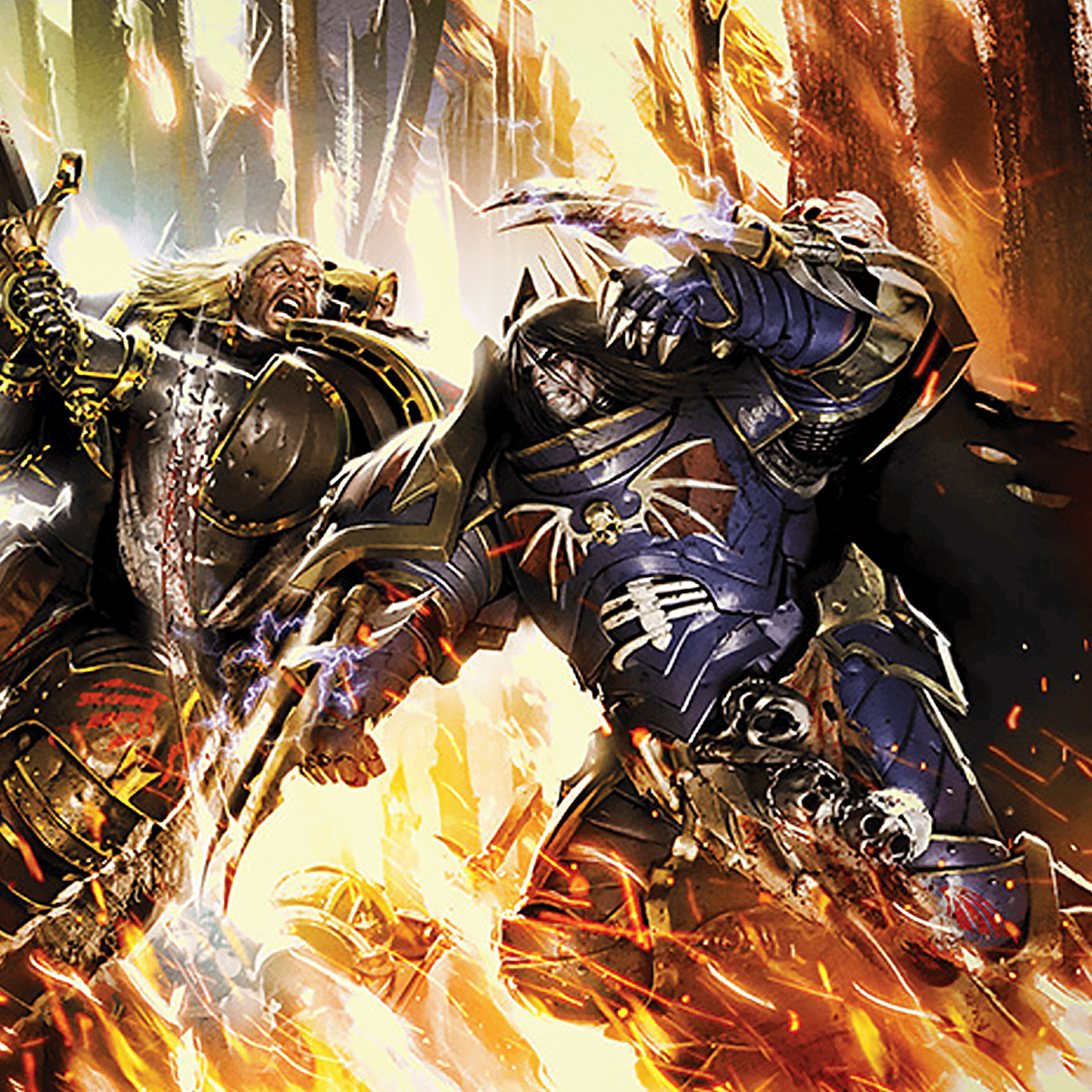
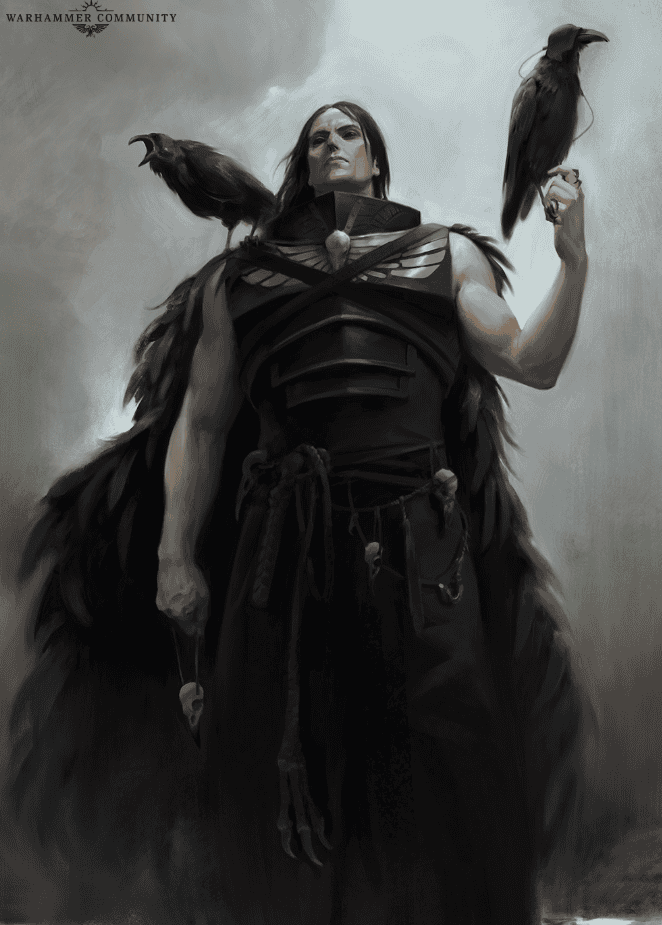 Few rivalries in Warhammer are as personal and relentless as Corvus Corax vs Konrad Curze. These two were destined to clash, each embodying a completely different vision of justice and leadership.
Corax, the Primarch of the Raven Guard, believed in precision strikes and liberation, while Curze was all about ruling through fear and brutality. It was a classic case of idealism meeting harsh reality, and the results were anything but pretty.
Their most famous encounter during the Horus Heresy became the stuff of legend. The battle itself was less of a fight and more of a twisted game of cat and mouse, with Curze using his signature tactics to wear Corax down mentally as much as physically. The Night Haunter’s penchant for psychological torment was in full swing, with his forces striking from the shadows and leaving terrifying reminders of their presence.
Despite Curze’s unrelenting attacks, Corax wasn’t easily broken. His resilience and tactical mind kept him in the fight, even as the Night Lords spread their reign of terror across the battlefield. This ongoing duel between two opposing ideologies helped define the grimdark nature of Warhammer 40k, highlighting just how far each Primarch was willing to go for their version of justice.
The Death of Konrad Curze and His Dark Legacy
Curze wasn’t just another Primarch; he was a force of nature in the Warhammer universe. His defining moments go beyond his battles and into the legacy he left behind. The infamous Konrad Curze’s death was one of the most chilling events in the lore.
Unlike other Chaos Primarchs who met their end in battle, Curze welcomed his fate, believing it was all part of the grand design he had foreseen. Fans still speculate about who killed Konrad Curze, but one thing is certain: his death only added to his legend.
The Night Lords Primarch in Art, Models, and Lore
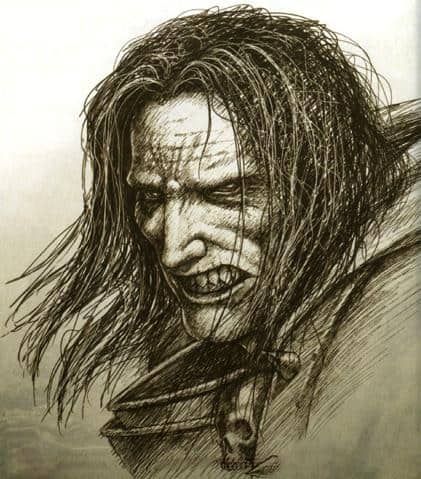
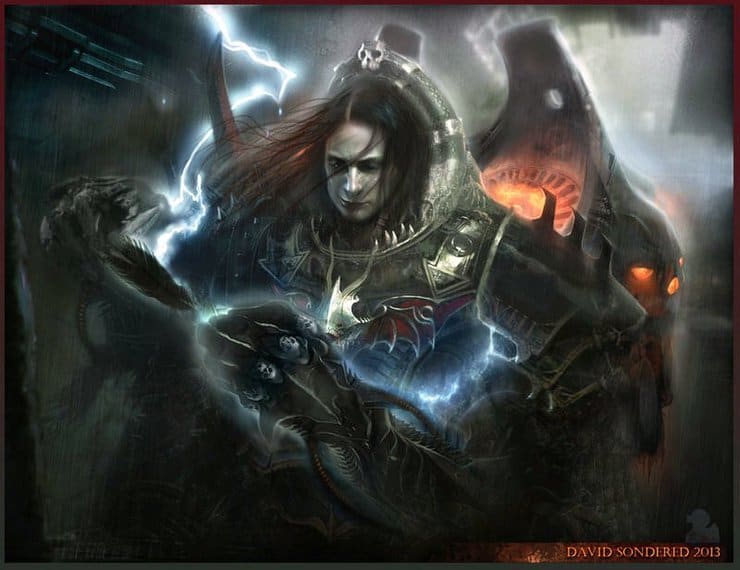
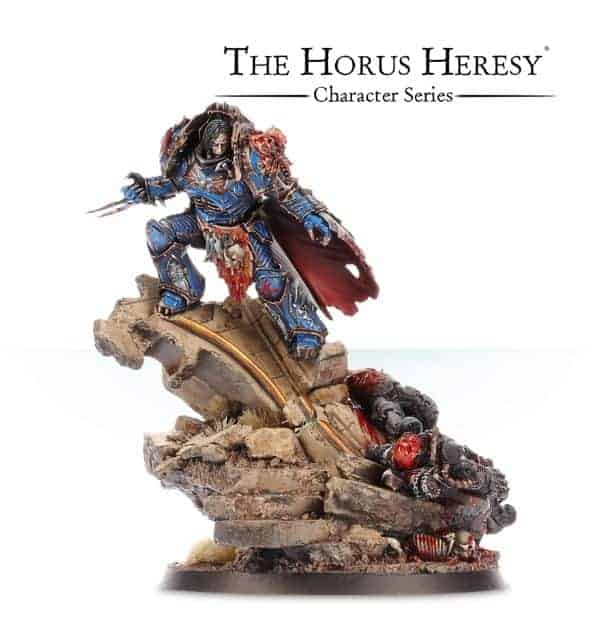 Konrad Curze has always been a favorite subject for Warhammer 40k artwork. Artists lean hard into his gaunt, predatory look and skeletal armor details, capturing a Primarch who looks more like a horror movie villain than a galactic general. Every illustration of the Night Haunter drips with menace, reinforcing the idea that fear wasn’t just his weapon, it was his identity.
On the tabletop, the Konrad Curze model stands out as one of the most unsettling Primarch sculpts Forge World has ever produced. From the jagged edges of his armor to the way his pose screams “predator in the dark,” it’s a centerpiece that oozes character.
Hobbyists either love painting him for the challenge or keep him on the shelf as the ultimate conversation starter: “Oh yeah, that’s the guy who ruled with fear and nightmares.”
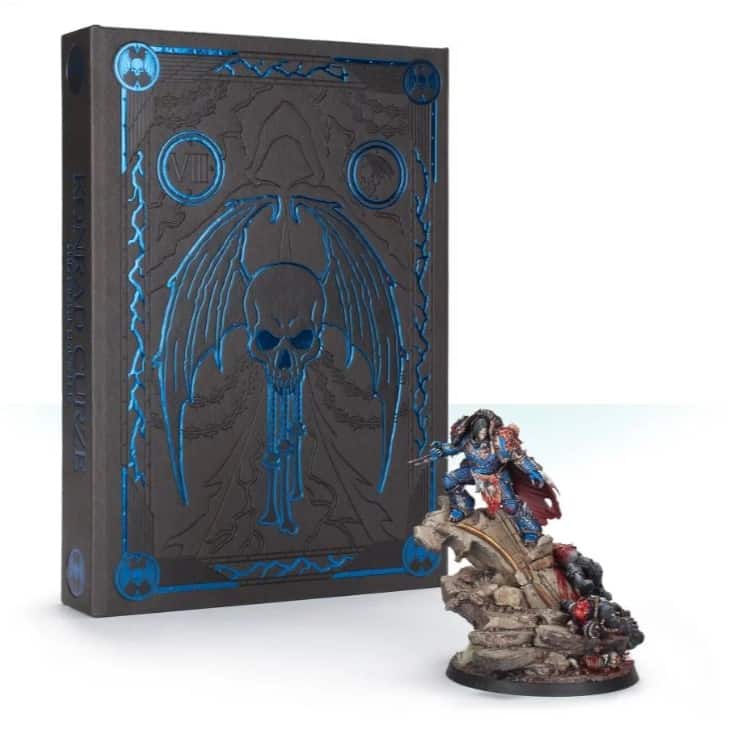 And if you’re more into reading than building, there’s no shortage of a Konrad Curze book or two to get lost in. Black Library has leaned into his tortured psyche, telling stories that show both the victim of his visions and the monster he became.
Between the chilling pages, the striking artwork, and the unforgettable model, Curze’s legacy reaches far beyond the Horus Heresy, cementing him as one of the most haunting figures in Warhammer lore.
FAQs About Konrad Curze 40k and the Night Lords
 Is Konrad Curze alive?
Konrad Curze met his end in the way he always expected, by assassination. His prophetic visions had shown him his fate long before it happened, and instead of fighting it, he accepted it as an inevitability.
He allowed himself to be killed, believing it was the only conclusion to his story that made sense. His death remains one of the most infamous moments in Warhammer history, adding to the mystery and terror surrounding him.
How did Konrad Curze die?
Konrad Curze is one of the few Primarchs who met their end through assassination (either chaos or loyalist). His grim acceptance of his fate set him apart from others who fought against their end.
What did Sanguinius do to Curze?
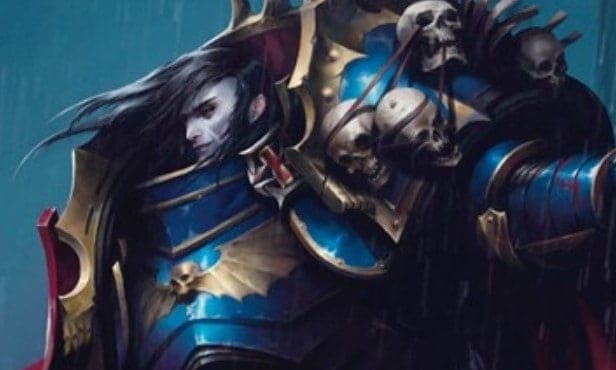
Sanguinius, the angelic Primarch of the Blood Angels, had several confrontations with Curze. Their interactions were filled with tension, as they represented opposite ideals. Sanguinius was a beacon of hope, while Curze embodied fear and despair.
Sanguinius once captured Curze and attempted to rehabilitate him, believing there was still some good buried deep within. Of course, trying to change someone as far gone as Curze was never going to end well.
Who killed Konrad Curze?
While he clashed with his brothers multiple times, his real defeat came from within. His mind, plagued by relentless visions and self-loathing, was his greatest enemy. In the end, it was the assassin M’Shen who delivered the final blow. But it was Curze himself who orchestrated the moment, allowing it to happen without resistance.
Final Thoughts From Us On Konrad Curze
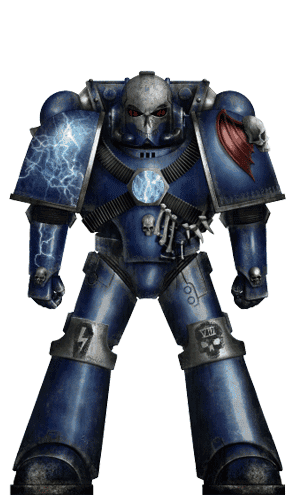 Konrad Curze left a mark on the Warhammer 40k universe that still lingers in the shadows. From his brutal leadership of the Night Lords to his obsession with fear and prophecy, his story is one of tragedy, darkness, and a relentless pursuit of his own twisted sense of justice.
His vision of the Imperium’s downfall was a prophecy he could never escape, and his actions shaped the future of his legion long after his demise. His legacy continues to influence the narrative of the Chaos Primarchs, and his impact can still be felt across Warhammer lore.
40k Factions Explained: A Complete Guide to Every Army