11th Edition 40k’s Assault Phase has updated new rules for charges and combat, making melee and engagement ranges far more forgiving now. Here’s everything that has changed and how it impacts your army.
Melee in 40k has always had a nasty habit of turning the biggest moment on the table into a tape-measure debate. Half the drama came from the charge roll, and the other half came from somebody checking whether a model was 1.01″ away through a ruin wall while everyone else waited for the verdict.
From what Games Workshop’s showing so far, Warhammer 40k 11th Edition looks like it wants a lot less of that nonsense.
That may not look massive at first glance, but on actual tables, this could clean up a lot of the issues that make melee feel more like a measuring exercise than a fight.
If you play World Eaters, Orks, Tyranids, Blood Angels, or anything else that wants to get stuck in, this looks like one of the bigger early wins for 11th Edition.
Warhammer 40k 11th Edition Charge Moves Are More Forgiving
- Engagement range is now 2″: so look for fewer 1.01″ arguments, more models actually count as “in” once the fight starts.
- Movement got less traffic-jammy: you can move through an enemy unit’s engagement range in the Movement phase (you just still can’t end a normal move inside it unless you charged).
- Charges got a big quality-of-life glow-up: roll first, then pick targets. If one enemy is within 12″, you can declare, see the distance, and commit to what’s actually reachable.
- Fight phase sequencing looks cleaner: Pile Ins happen up front (active player, then opponent), and the turn player picks the first unit to fight, even when both sides have Fights First.
- Overrun fights keep units from whiffing the phase: if you were eligible but your contact target died before you swing, you can Pile In again and hit something nearby instead of shadowboxing.
- Little rules feed the same melee story: Deep Strike/Ingress setups are 8″ away (bigger landing zones), and units can bail from transports in combat, but they get Battleshocked and can take losses doing it.
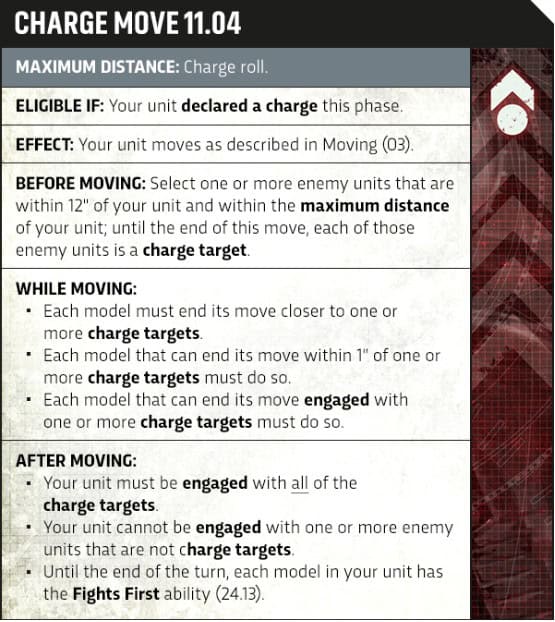 The biggest change to the combat phase is that the engagement range is now 2″ instead of 1″. So if you’re within 2″ of an enemy unit, you are now engaged with it. Which also means you still can’t finish a normal move inside that engagement range unless you charged.
The twist is that you can now move through an enemy model’s engagement range during the Movement phase.
On its own, that is a pretty big shake-up. In current 40k, engagement range acts like this weird invisible bubble that creates traffic jams, awkward movement puzzles, and the usual round of debates over tiny gaps and bad angles. Bumping it to 2″ and loosening how movement works around it looks like GW wants the board to play cleaner and with a lot less inch or not measuring.
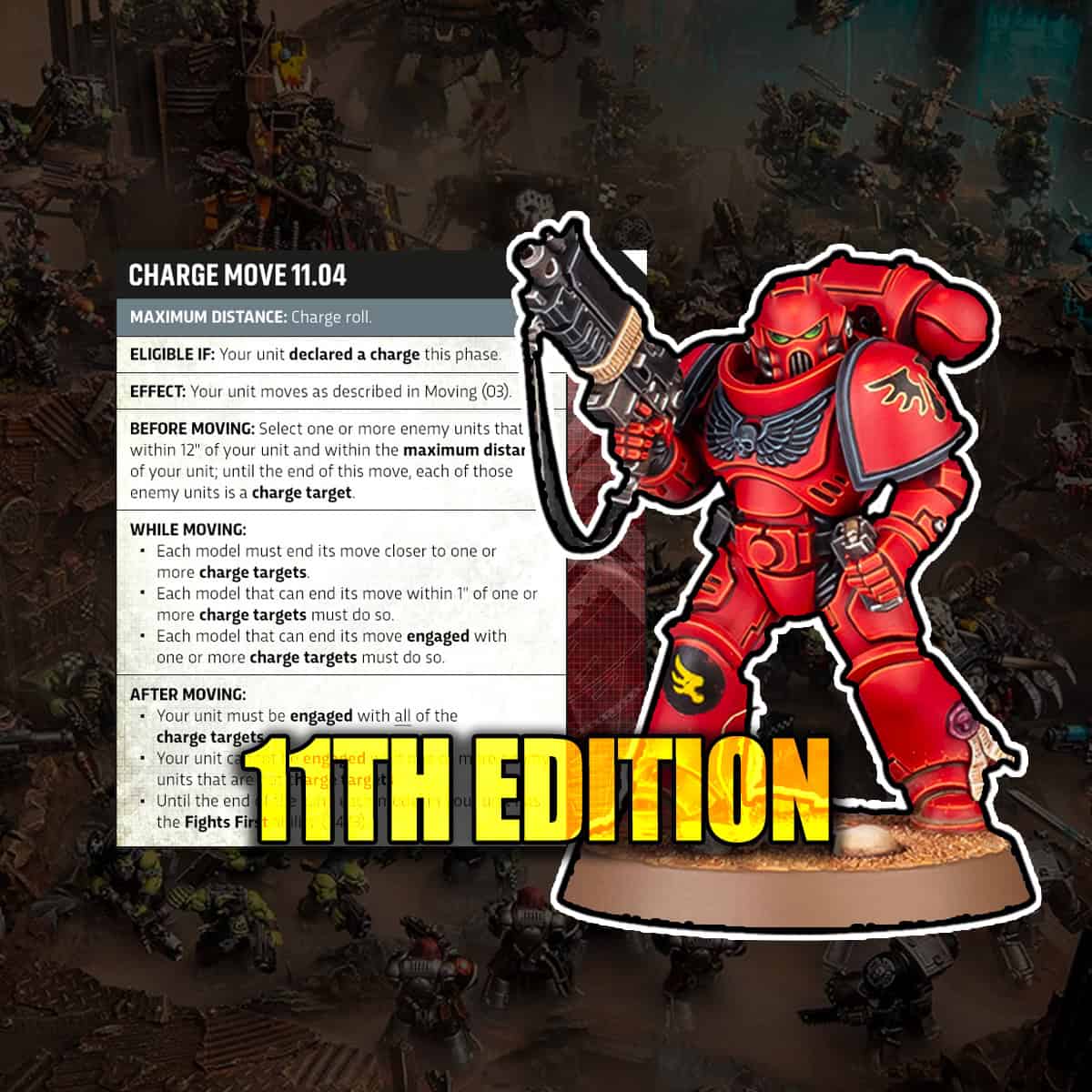
Charging also got a real upgrade here. Instead of calling every target up front and then watching the whole play fall apart because the angle was off by a hair, you roll first and pick your targets after.
So, as long as one enemy unit is within 12″, you can declare the charge, see the distance, and then decide which are actually in reach. Which should cut down hard on those miserable moments where a key melee unit ends up stranded in the open because the charge math betrayed you!
Assault Armies May Be The Biggest Winners Here
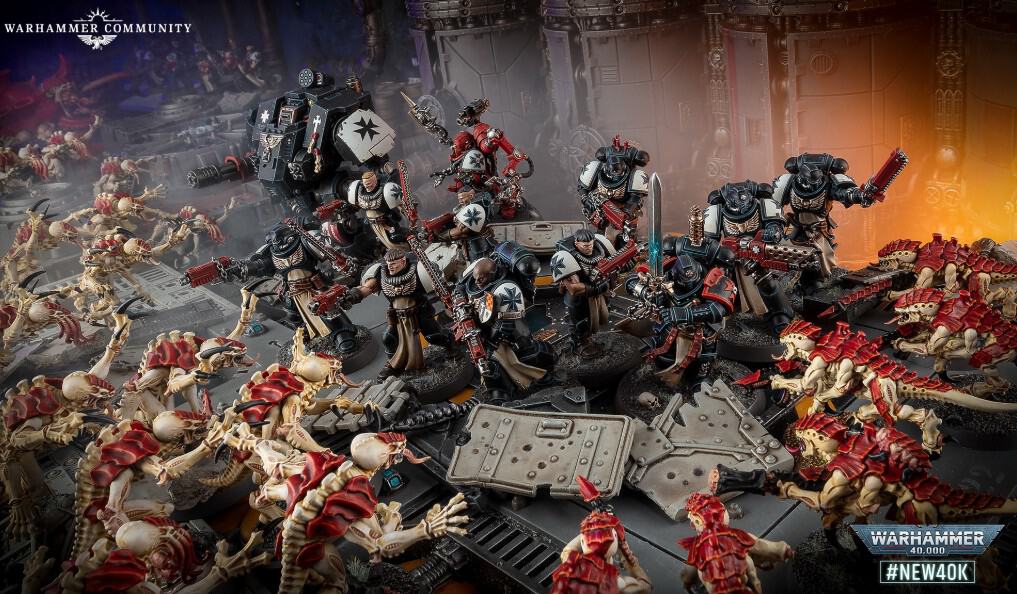 Now you can choose your targets after the charge roll; players can set up charges with multiple possible outcomes instead of betting everything on one declared lane.
This is where the new Fight Phase rules stop looking like simple cleanup and start looking like a real buff for armies that want to hit combat early and keep the pressure on.
Smart positioning still very much matters, though, because now it rewards planning instead of punishing you for not being a mind reader. Because if you line up several viable targets, you get actual decisions after the dice hit the table.
This is great for armies that live and die on the “pressure turns.” Now with these new rules, getting into or around terrain looks a lot more forgiving because if a model cannot get within 1″, it can still complete the charge by getting within the new 2″ engagement range.
However, GW says you must make and measure the charge roll from base to base; you aren’t just gaining an extra inch of charge distance, and since engagement range is 2″ now, melee units have a lot more room to actually make it in.
So it looks like one of the oldest flavors of 40k nonsense is finally getting clipped. If you can fight anything within 2″, there’s a lot less room for the classic trick of hiding just far enough behind a wall to make a charge miserable without really being safe.
Terrain, screening, and movement are still important, sure, but this sounds a lot more like playing with actual battlefield positioning and a lot less like winning a geometry contest with a tape measure.
The Fight Phase Looks Cleaner Without Losing Its Teeth
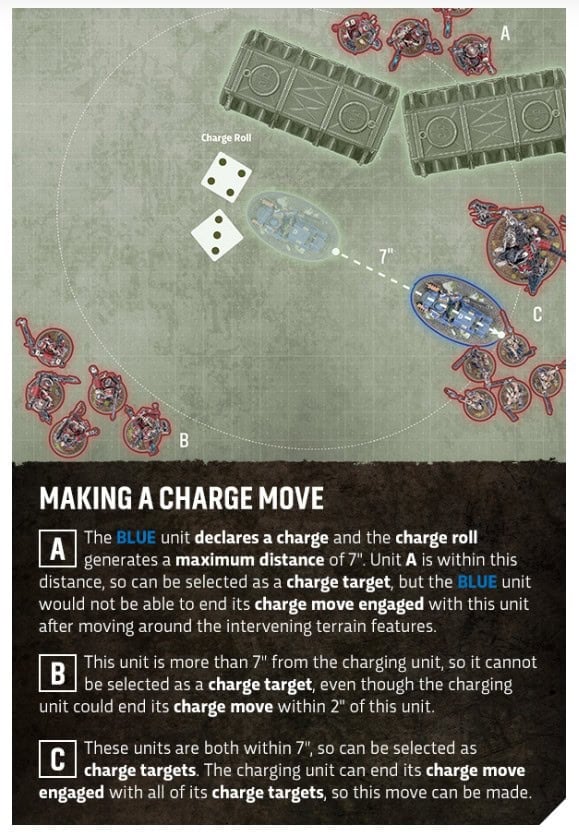 Once units actually make it into the Fight or Combat Phase, 11th Edition seems to be trying to speed up combat without stripping out the parts that still reward smart play.
Pile In moves now happen before the actual fighting starts, not separately every time a unit is selected to fight. The active player resolves all of their Pile Ins first, moving units up to 3″ to get as many models into engagement range as possible, and then the opposing player does theirs.
It may look like a small sequencing tweak, but experienced 40k players know this is where games can get grindy in a hurry. Pile Ins and Consolidates are where units steal objectives, trap opponents, stretch onto markers, and create the kind of headaches that somehow take longer than the attacks themselves.
Changing that order could have a big impact, both on casual tables and in competitive play.
The activation order is changing, too. Most importantly, the player whose turn it is now gets to pick the first unit to fight, including when both sides have Fights First. That’s a big shift, because it means one of your charging units can actually swing before an enemy Fights First unit instead of running straight into another sequencing trap.
For really aggressive armies, that is the kind of tweak that changes how confidently you commit to a key combat. For defensive armies, though, some of the old safety nets may not look nearly as safe.
Overrun Fights Could Stop Combat From Falling Flat
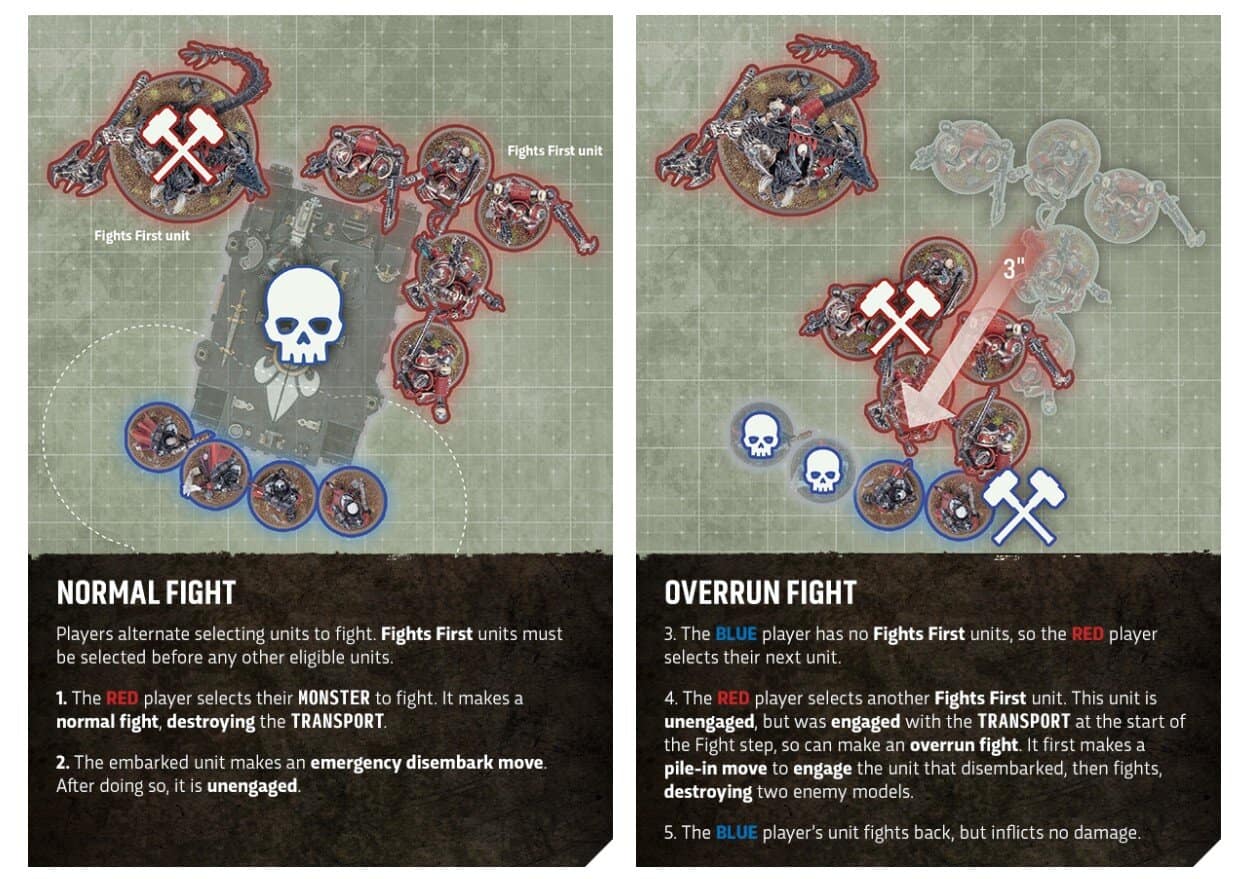
One of the smarter-looking changes in the preview is the new overrun fight.
Anyone who’s played enough 40k has seen this before. A unit starts the Fight phase in combat, waits its turn, and by the time it finally gets picked, the enemy models it was touching are already dead. That can leave a unit that should feel involved in the brawl doing nothing because the order of operations got weird.
Now, if a unit is eligible to fight but is no longer engaged by the time its turn comes up, it can make an overrun fight. That gives it another Pile In move before it attacks, letting it crash into a fresh nearby target.
Overrun fights look like they are built to stop exactly that kind of flat ending.
Consolidation & Objective Plays Still Look Sneakily Important
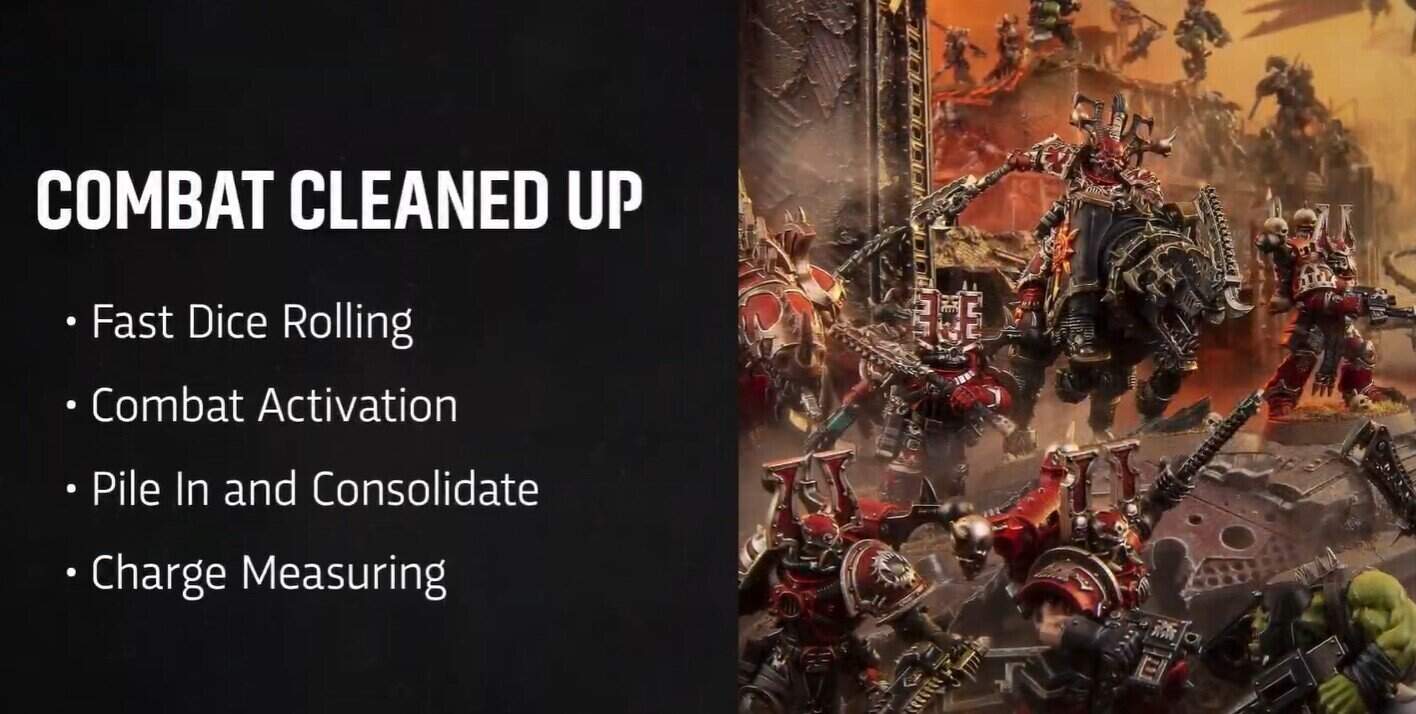 After everyone is done fighting, Consolidate moves are now made all at once in a similar way to Pile Ins. Units can use that move to press deeper into combat, tag an enemy within 3″, or move onto a nearby objective.
There’s still risk baked in, too, though. If you consolidate into a new enemy unit that has not fought yet in that phase, it can still swing later (like it can do now). So, it’s another spot where good players are going to separate themselves by knowing when to push and when to leave it alone.
Deep Strike & Transports Quietly Feed Into The Same Combat Story
 There are a couple of side rules here that deserve more than just a glance, too.
First, Ingress moves, including Deep Strike and similar reserve arrivals, now let you set up more than 8″ away from enemy models instead of 9″. You still need a nine on the charge roll to get in, but your landing zones get wider, and model placement gets less cramped. Anyone who has tried to squeeze a full unit onto a crowded event table without clipping terrain or screening bubbles knows that extra inch of setup freedom is anything but small.
Then there is the new rule that allows units to disembark from transports even while those vehicles are in combat. That is a pretty wild change, and it does come with a cost. The disembarking unit becomes Battleshocked, and models can die during the escape.
But that keeps it from feeling like a free reset button and makes it more like a desperation option, which is probably the right call. Rhino rush fans will notice it right away, but so will anyone who has had a key unit trapped in a bus because some leftover enemy model tagged it at exactly the wrong time.
It adds just enough nuance without turning transports into nonsense escape pods.
Final Thoughts: These 11th Edition 40k Assault Rules Will Change How Melee Feels
 The bigger picture is pretty obvious. GW looks like it’s trying to make melee in 11th Edition more reliable, less fiddly, and way less dependent on angle abuse, sequencing traps, and the worst kinds of rules-lawyering.
That doesn’t mean combat is getting dumbed down. If anything, it sounds like the parts that players actually like are still there. Positioning, Multi-charge setups, and Objective plays still matter. The difference is that more of the skill should come from making smart calls on the table, not from abusing tiny gaps and wall-hugging nonsense.
For assault armies, that’s a very good sign. But more importantly for players who are tired of watching a big charge phase turn into a tape-measure clinic, it may be even better news. And for most 40k players, especially the ones getting games in on messy local tables instead of perfect studio terrain, this could end up being one of the most noticeable upgrades in the whole edition.
It looks like 11th edition 40k’s melee will still be messy, violent, and dramatic. It just has a much better shot at being the fun kind of messy instead of the eye-roll kind.
🔗 Related Reads:
- See All the Latest 11th Edition Rules Changes Here
- 40k 11th Edition Starter Set Details
- New 11th Edition Terrain Rules
- 40k Release Schedule Roadmap