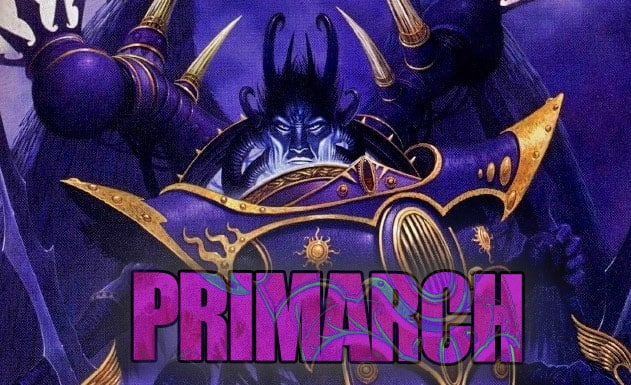
 Your guide to why the Emperor’s Children Primarch Fulgrim is celebrated in the Horus Heresy and reviled in equal measure, from his pursuit of perfection to his betrayal in Warhammer 40k.
Updated on April 12th, 2025, by Rob Baer with new information and links to relevant content.
Fulgrim. The name alone stirs a cocktail of awe and outrage in the hearts of Warhammer 40k fans. He’s the glittering icon of ambition, the embodiment of beauty twisted into nightmare fuel. Loved by some and loathed by others, the Primarch of the Emperor’s Children is anything but boring in 40k.
From his obsessive chase for perfection to his infamous backstab that shook the Imperium, Fulgrim’s legacy reads like an epic tale penned by chaos itself. Let’s break down what makes him such a magnetic figure in the grimdark galaxy—equal parts masterpiece and cautionary tale.
The Enigmatic Figure of Fulgrim
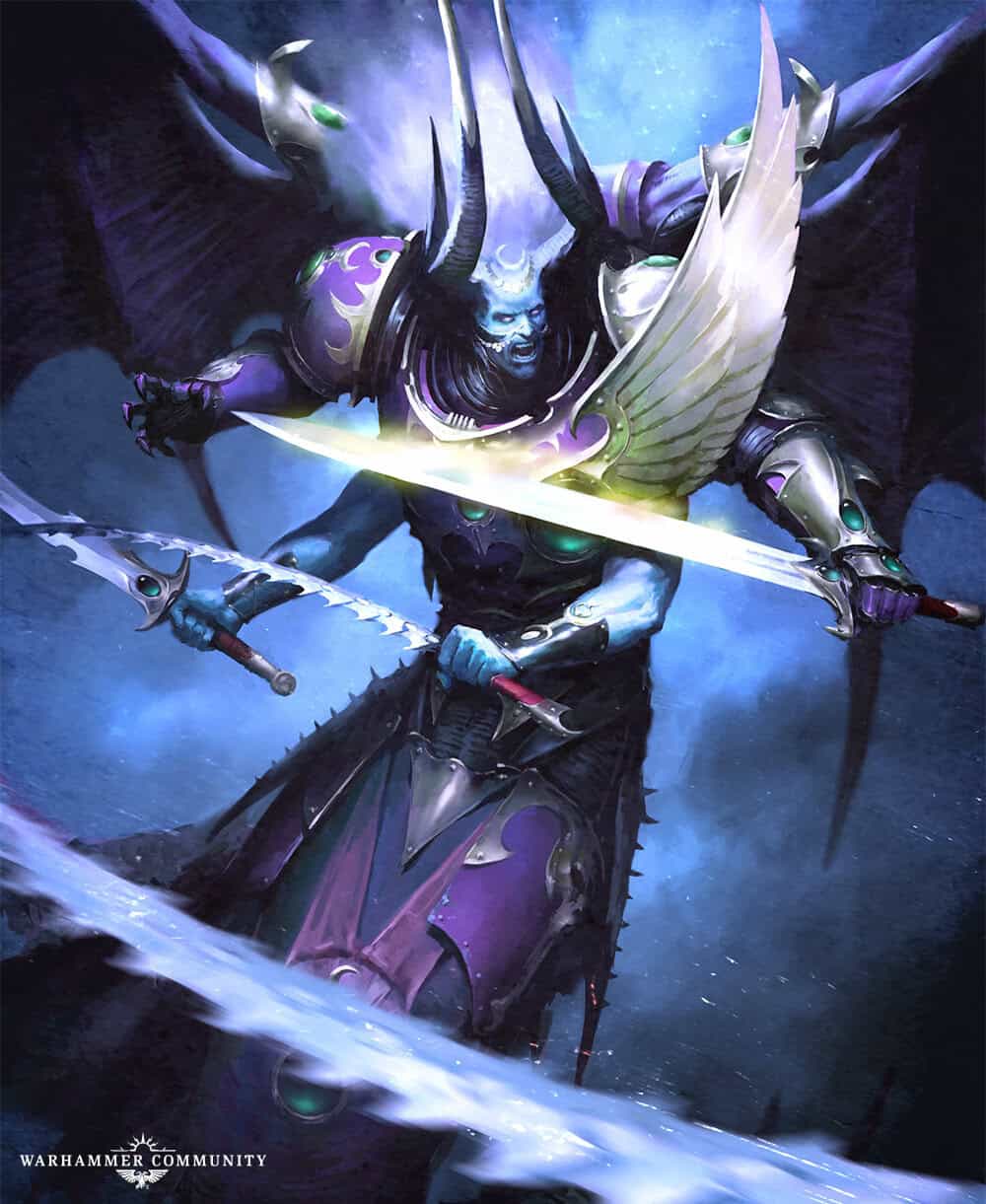 Fulgrim, the Primarch of the Emperor’s Children, is one of Warhammer 40k’s most complex and magnetic figures. He stands as a shimmering paradox: the embodiment of unparalleled perfection and the avatar of catastrophic fall. His tale is not just one of triumph or failure—it’s an odyssey of ambition, vanity, and tragedy that makes him both celebrated and reviled.
At his core, Fulgrim represents the ideal taken to extremes. He was created to be the perfect warrior and leader, yet his pursuit of flawlessness led him to devastating choices. From the moment he arrived on Chemos, a dying world on the brink of collapse, Fulgrim displayed an almost superhuman ability to adapt, inspire, and restore.
His leadership rejuvenated the planet and transformed his followers into a disciplined and elite force. But as we know, in the Warhammer universe, the brightest flames often cast the darkest shadows.
The Allure of Fulgrim’s Perfection
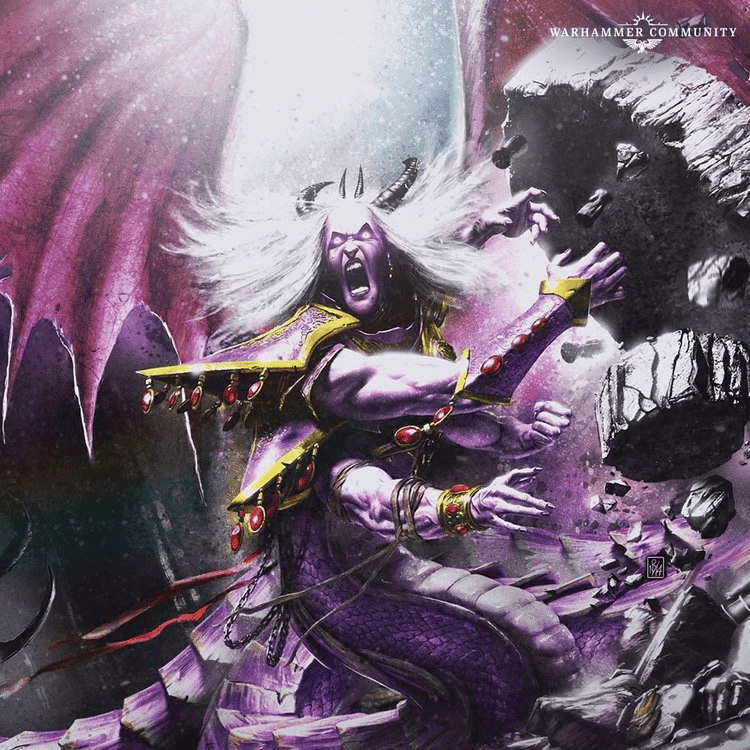 What sets Fulgrim apart from the other Primarchs is his obsession with beauty and excellence. While other Primarchs sought conquest, strategy, or unity, Fulgrim yearned for artistry in all things—be it battle, diplomacy, or the cultural renaissance of his Legion.
The Emperor’s Children, under his guidance, became a living tapestry of martial skill and refinement in 40k. Their motto, “The pursuit of perfection,” encapsulated everything Fulgrim stood for.
But perfection, as Fulgrim teaches us, is a double-edged sword. His unrelenting standards began to alienate those around him. The Emperor’s Children weren’t just striving for greatness; they were driven to the brink by their Primarch’s insatiable demands in 40k.
This obsession made Fulgrim vulnerable to darker influences, particularly the temptations of Chaos. The whispers of Slaanesh, the Chaos God of excess and desire, began to seep into his psyche, feeding his hunger for perfection while eroding his sense of loyalty and morality.
Betrayal and the Horus Heresy
Fulgrim’s descent into infamy reached its zenith during the Horus Heresy. Once a paragon of the Emperor’s vision, he became one of its most dangerous betrayers. His corruption wasn’t instant; it was a slow, seductive process that makes his story all the more haunting.
The pivotal moment in his fall was his confrontation with the Laer, an alien race whose twisted hedonism mirrored the future Fulgrim would embrace. The Laer blade—an artifact infused with Chaos—became the literal and figurative weapon that sealed his fate.
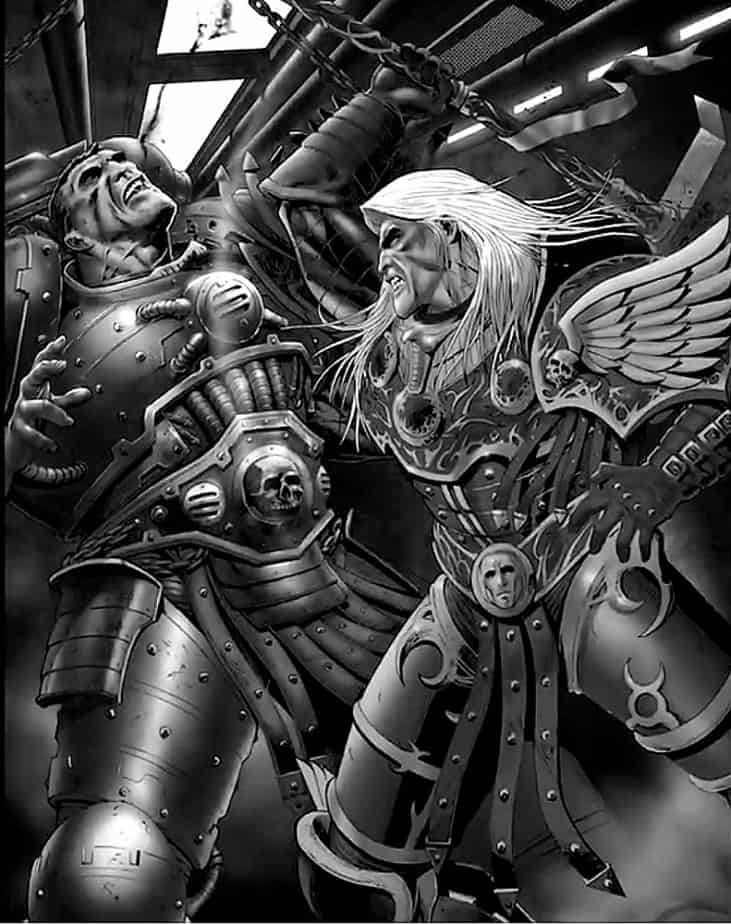
The betrayal wasn’t just ideological; it was personal. Fulgrim’s clash with Ferrus Manus, Primarch of the Iron Hands and one of his closest allies, culminated in tragedy. Fulgrim’s murder of Ferrus Manus during the Drop Site Massacre stands as one of the most shocking moments in Warhammer 40k lore. It marked his irrevocable commitment to Chaos and solidified his transformation from noble leader to corrupted Daemon Prince.
Why Fulgrim Captures the Imagination
 Fulgrim’s story resonates because it is both grand and painfully human. Who hasn’t felt the urge to chase perfection, only to realize that the pursuit comes with its own pitfalls? Fulgrim magnifies this universal struggle to operatic proportions, making him an endlessly fascinating character in Warhammer 40k lore.
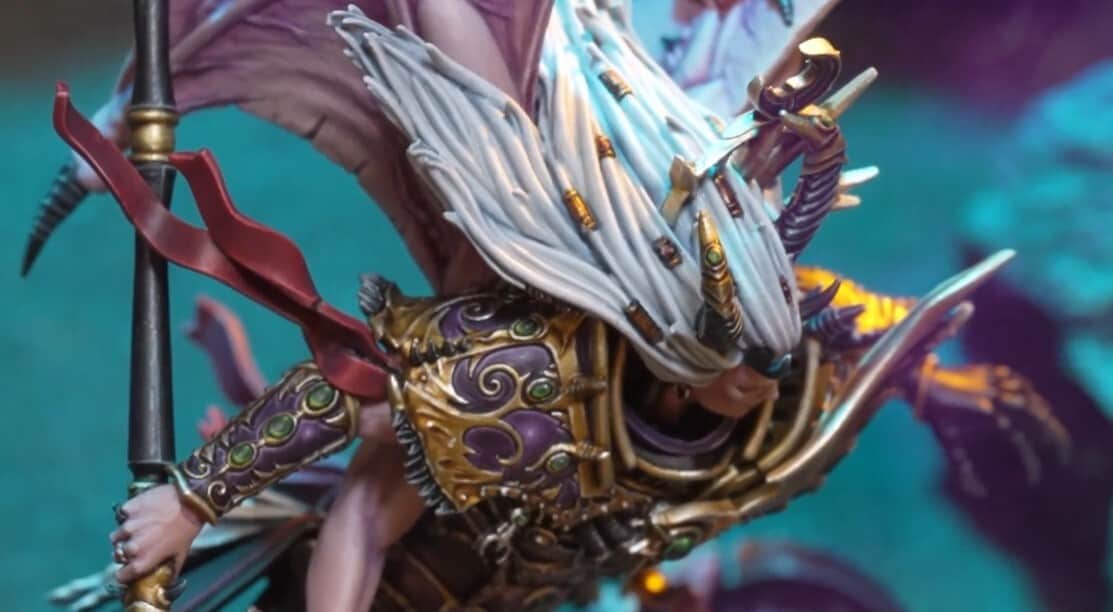
The art of Fulgrim, both in his physical depiction and narrative design, reflects his duality. As a Primarch, he is depicted as a figure of awe-inspiring beauty, clad in ornate armor that highlights his obsession with aesthetics. As a Daemon Prince, his appearance becomes a grotesque mockery of his former self—a reminder that excess and ambition, unchecked, can warp even the brightest of souls.
It’s no wonder fans debate his fate endlessly. Is Fulgrim dead? Well, technically, no—he’s alive as a Daemon Prince. Can Fulgrim be redeemed? That’s a thornier question. His choices were deliberate, yet the tragedy of his character lies in the pathos of what he could have been. His transformation is less about physical change and more about the corrosive power of unchecked ambition.
Origins of Fulgrim
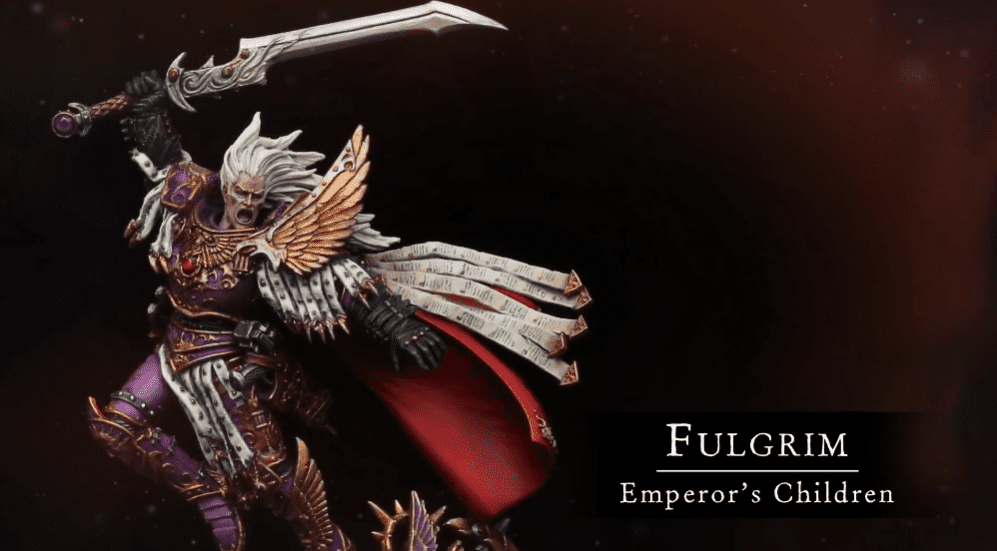 Fulgrim, the Primarch of the 40k Emperor’s Children, is one of the most captivating figures in the grimdark tapestry of Warhammer 40k lore. He was designed by the Emperor to embody perfection—a vision of human potential in its most glorious form. When his gestation pod crash-landed on Chemos, a resource-starved and crumbling world, Fulgrim’s charisma and intellect quickly transformed a desperate society into a flourishing one.
On Chemos, Fulgrim proved his capacity to inspire and lead, but his relentless pursuit of improvement became evident even then. Everything he touched had to be refined, efficient, and flawless. This obsession would define not only his rise but also his tragic downfall.
From Primarch to Emperor’s Children 40k Leader
When Fulgrim was reunited with the Emperor, he was given command of the Emperor’s Children, a Legion whose motto—“The pursuit of perfection”—was a natural extension of his ideals. Under his leadership, the Legion became an elite force, their achievements as dazzling as their polished armor. Fulgrim instilled an ethos of excellence in his warriors, pushing them to be the very best, both in combat and in the cultural expressions of humanity’s greatness.
The Emperor’s Children were more than warriors in 40k; they were the vanguard of a new Renaissance for mankind. Their art, music, and philosophy were as highly regarded as their battlefield prowess. Fulgrim’s presence elevated the Legion’s reputation to legendary status, making them the embodiment of the Emperor’s vision for humanity’s future.
But ambition is a double-edged sword, and Fulgrim’s hunger for flawlessness made him vulnerable to darker forces.
Fulgrim’s Role in the Great Crusade
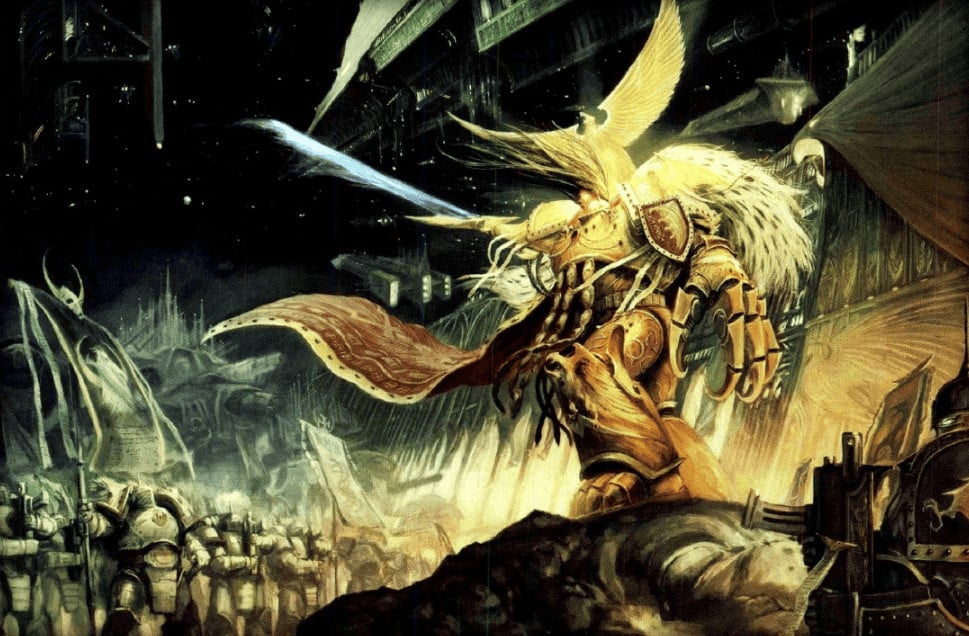 During the Great Crusade, Fulgrim stood as a shining example of what the Emperor’s Primarchs were meant to achieve. His Legion’s victories were celebrated across the galaxy, and his speeches inspired awe among the ranks of the Imperial armies. Yet, Fulgrim’s desire to surpass even the Emperor’s expectations began to take on dangerous dimensions.
Fulgrim’s attention to detail became an obsession. His armor was adorned with intricate designs; his battle strategies bordered on theatrical displays. While other Primarchs focused on pragmatism and efficiency, Fulgrim pursued grandeur and beauty. This quest for perfection set him apart but also isolated him. His brothers respected him, but many saw his vanity as a weakness.
It was during the conquest of the Laer—a hedonistic alien race—that cracks in Fulgrim’s shining armor became evident. The Laer blade, a Chaos-infused weapon, played a pivotal role in his eventual corruption. As Fulgrim wielded the blade, its whispers fed his deepest desires for perfection and power, planting the seeds of betrayal.
Fulgrim’s Fall
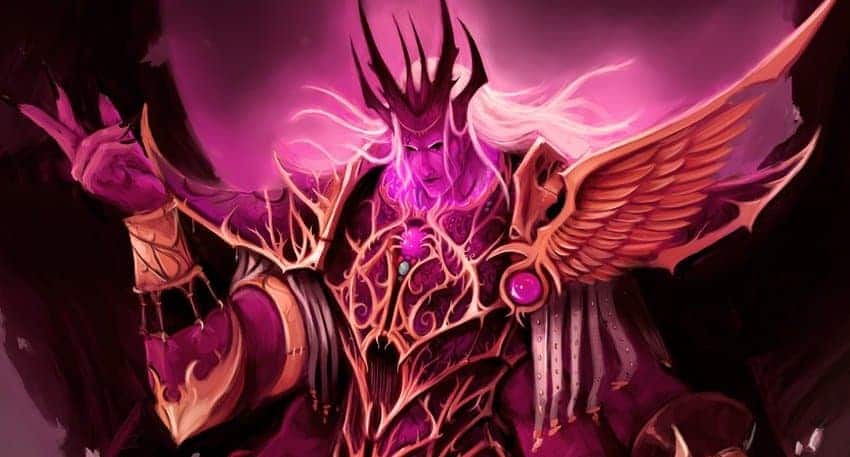 When it comes to the grand soap opera of betrayal and tragedy in Warhammer 40k, few characters are as infamous as Fulgrim (which would make him perfect for the Cavill Amazon series). Once the shimmering jewel of the Emperor’s vision, the Primarch of the Emperor’s Children in 40k embodied everything magnificent and terrifying about the pursuit of perfection.
His fall wasn’t a sudden plummet but a steady, inevitable descent, driven by ambition and a hunger for something unattainable. Fulgrim 40k isn’t just a story about Chaos corruption—it’s a cautionary tale about how even the brightest lights can be consumed by their own brilliance.
Fulgrim’s obsession with excellence was both his greatest strength and his fatal flaw. As he sought to elevate his Legion to unprecedented heights of glory, cracks began to form in his psyche. His belief that perfection was not only possible but mandatory set the stage for his eventual betrayal.
His encounters with the Laer—a decadent alien species—and the infamous Laer blade were the catalysts for a transformation that no one, not even Fulgrim himself, could reverse.
Corruption and Alliance with Chaos
 The Laer blade was more than just a weapon—it was a harbinger of doom for Fulgrim and his Legion. Infused with the influence of Slaanesh, the Chaos God of excess, the blade whispered to Fulgrim, feeding his insecurities and stoking his ambition. What began as an innocent pursuit of perfection turned into an insidious addiction. Fulgrim’s every thought became consumed by the need to refine himself and his Legion, regardless of the cost.
His alliance with Chaos wasn’t an overnight conversion but a slow, seductive journey. Fulgrim believed he could control the power of the blade and the whispers of Slaanesh. Instead, they controlled him. By the time he realized the truth, it was too late. The Chaos God had its hooks deep in him, and Fulgrim’s mind and soul were no longer his own.
This corruption wasn’t just personal—it spread like wildfire through the Emperor’s Children in 40k. The Legion, once a symbol of humanity’s potential, devolved into a grotesque parody of its former self. Excess, hedonism, and unrestrained ambition became their new ethos, reflecting Fulgrim’s internal transformation.
Transformation into a Daemon Prince
If Fulgrim’s fall was gradual, his transformation into a Daemon Prince was nothing short of grotesque. The Fulgrim 40k model, both in its artistic and narrative depictions, captures this horrifying metamorphosis. His once-beautiful form, the embodiment of physical and aesthetic perfection, was twisted into something monstrous—a fitting punishment for a soul consumed by vanity.
As a Daemon Prince, Fulgrim became a living embodiment of Slaanesh’s excesses. His every action was a theatrical display of indulgence, cruelty, and perverse artistry. Yet, there was a tragic irony in his transformation.
The very perfection Fulgrim sought was warped into an eternal reminder of his failure. Fans often wonder, “Can Fulgrim be redeemed?” but the nature of his transformation suggests otherwise. He isn’t just a villain—he’s a tragic figure locked in an eternal cycle of excess and regret.
Consequences for the Emperor’s Children
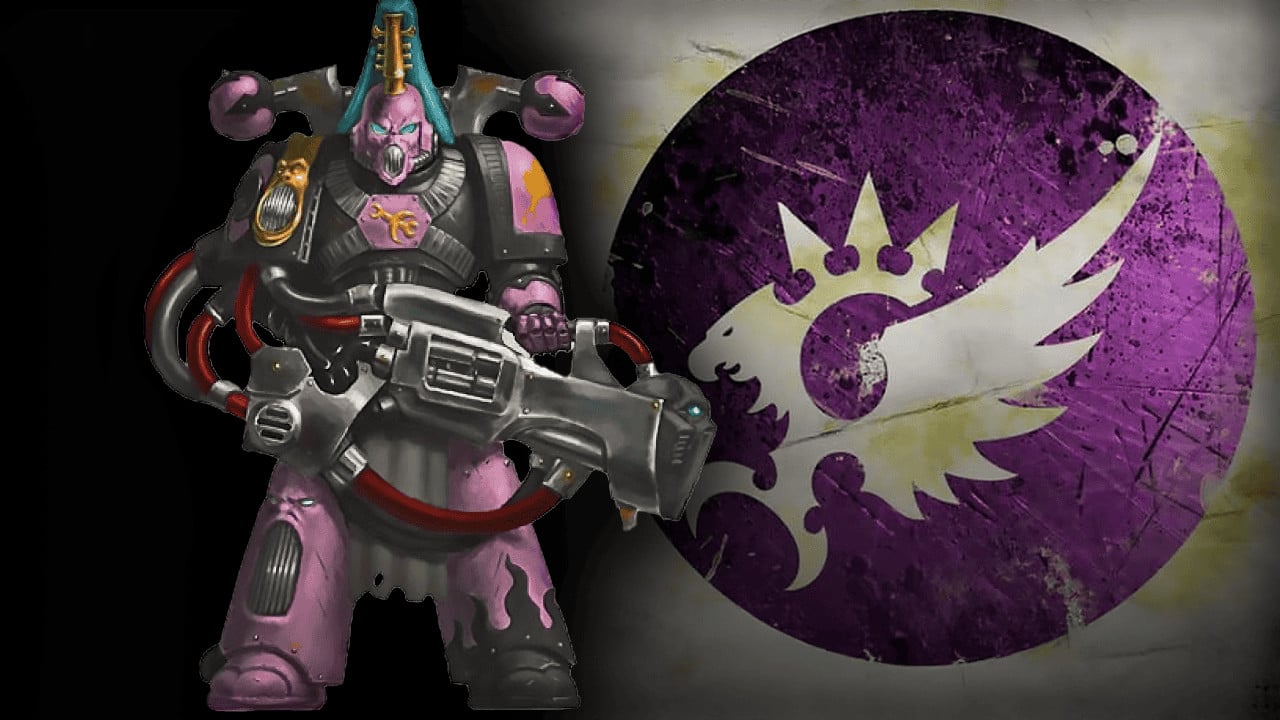 Fulgrim’s fall didn’t just mark the end of his humanity—it marked the downfall of the Emperor’s Children as a cohesive and noble force in 40k. Once heralded as paragons of martial skill and cultural refinement, the Legion became a chaotic, hedonistic nightmare. Their pursuit of perfection was replaced by an insatiable hunger for sensation and excess, turning them into a cautionary tale for the other Space Marine Legions.
The impact of Fulgrim’s choices rippled across the galaxy. His betrayal during the Horus Heresy and the transformation of his Legion into servants of Slaanesh had devastating consequences for the Imperium. The Emperor’s Children became one of the most feared and reviled Chaos Legions in 40k, their depravity a stark contrast to the nobility they once embodied.
Questions like “Is Fulgrim dead?” and “Did Fulgrim die?” linger in the minds of fans, but the truth is far more complex. As a Daemon Prince, Fulgrim exists in a state of eternal life—or eternal torment, depending on your perspective. What’s clear is that his fall and its aftermath have left an indelible mark on the Warhammer 40k universe, ensuring that his name will be spoken with equal parts awe and dread for millennia to come.
Fulgrim in Warhammer 40K Lore
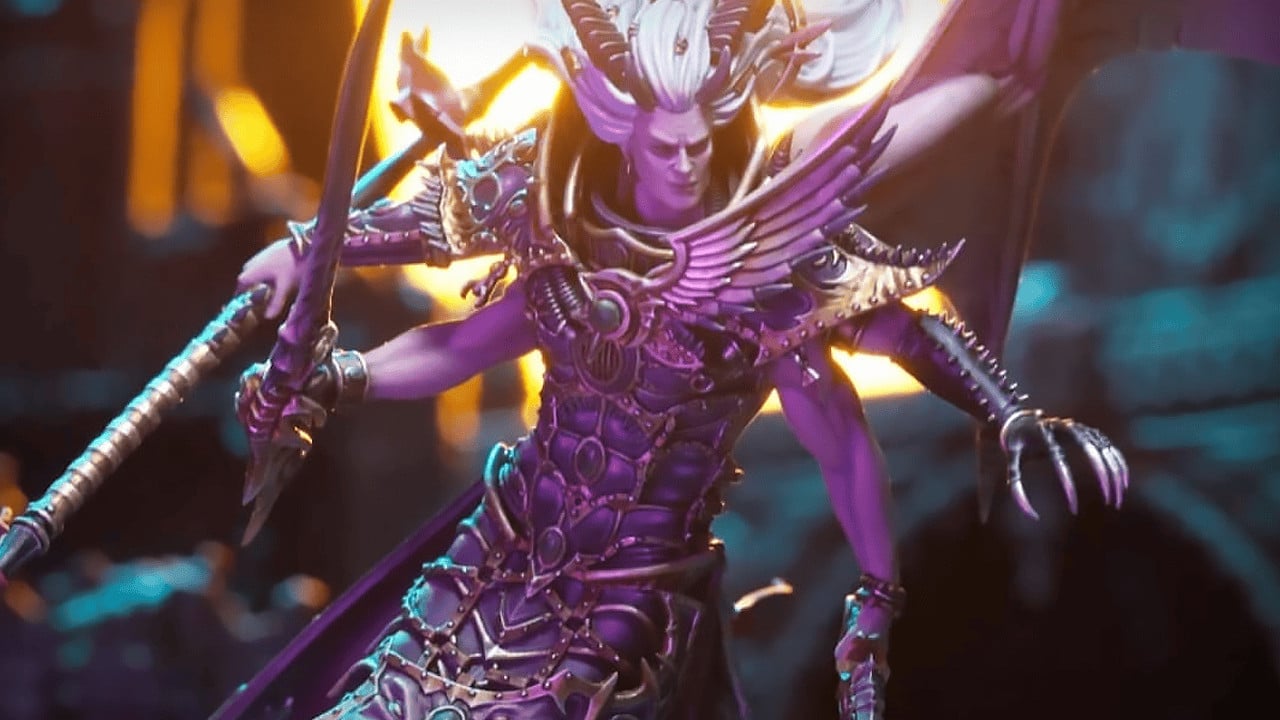 Fulgrim, the Primarch of the Emperor’s Children, is one of the most captivating characters in Warhammer 40k. Known for his beauty, charisma, and relentless pursuit of perfection, Fulgrim’s journey from hero to villain is a tale that encapsulates the grandeur and tragedy of the 40k universe. As one of the Emperor’s genetically engineered sons, Fulgrim was designed to embody the pinnacle of humanity’s potential. And for a time, he did just that.
Fulgrim was a beacon of excellence, not just in battle but in culture and artistry. He envisioned the Emperor’s Children as more than warriors—they were to be paragons of human achievement. Their motto, “The pursuit of perfection,” wasn’t just a battle cry; it was a philosophy. Yet, this very obsession with perfection became Fulgrim’s undoing, making him vulnerable to the seductive whispers of Chaos.
Fulgrim’s fall began during the Great Crusade, when he sought out glory on behalf of the Emperor. His encounter with the Laer, a hedonistic alien race, was the turning point. The Chaos-tainted Laer blade slowly corrupted his mind, twisting his noble ideals into a spiraling descent into excess and depravity.
By the time the Horus Heresy erupted, Fulgrim had become a tragic figure: a leader whose obsession with greatness led him to betray everything he once stood for.
The Legacy of Horus Heresy Fulgrim
 During the Horus Heresy, Fulgrim’s role as a traitor Primarch cemented his place in Warhammer 40k lore. Initially, he aligned with Horus under the belief that the rebellion against the Emperor was justified. However, it soon became clear that Fulgrim’s actions were driven more by pride and ambition than any genuine conviction. The whispers of Slaanesh, the Chaos God of excess, only deepened his descent.
One of the most shocking moments in Fulgrim’s story is his confrontation with Ferrus Manus, the Primarch of the Iron Hands. Once allies and friends, the two clashed during the Drop Site Massacre. Fulgrim’s murder of Ferrus Manus is a moment that resonates deeply in the Warhammer 40k narrative, showcasing how far he had fallen from his original ideals. His act wasn’t just betrayal—it was the ultimate symbol of his transformation into a pawn of Chaos.
As the Horus Heresy progressed, Fulgrim’s fall reached its peak. He ascended to daemonhood, becoming a Daemon Prince of Slaanesh. His once-perfect form was twisted into a grotesque reflection of his vanity and excess, a stark reminder of the consequences of unchecked ambition. The transformation of Fulgrim and the Emperor’s Children into servants of Chaos marked the loss of one of humanity’s greatest legacies.
Depictions in Warhammer 40k Art
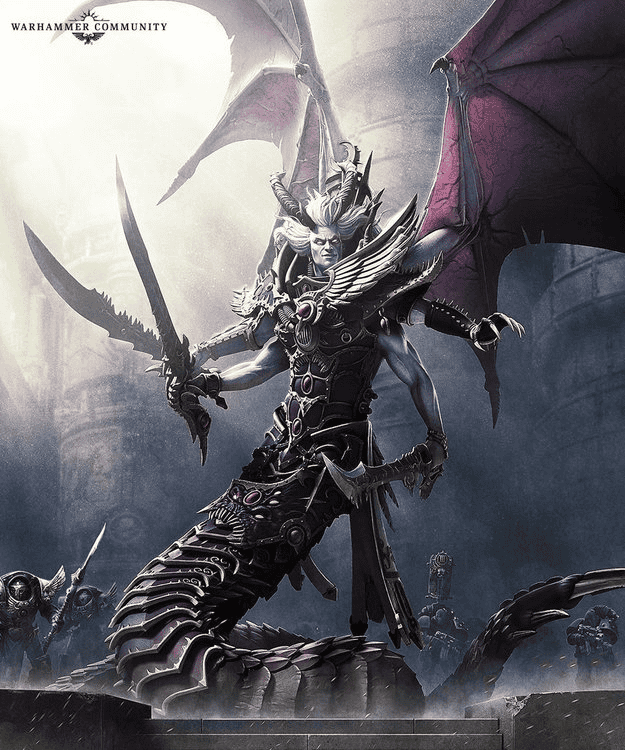 Fulgrim’s duality is vividly captured in Warhammer 40k art, making him a favorite among fans and collectors. As a Primarch, Fulgrim is depicted as the epitome of beauty and martial elegance. His ornate armor, flowing hair, and refined demeanor evoke admiration and awe. These depictions underscore his role as the champion of perfection, a figure who sought to elevate humanity’s potential.
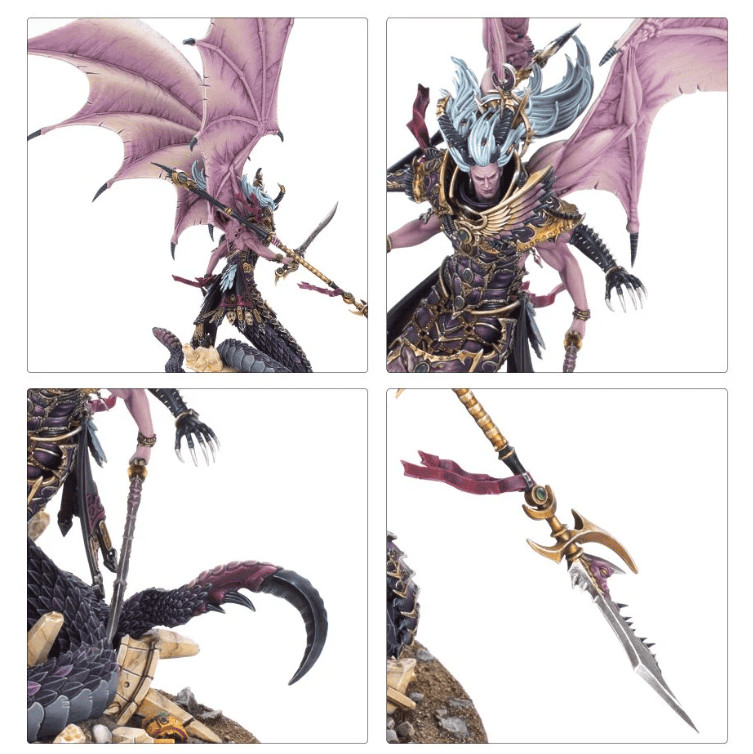
In contrast, Fulgrim’s post-corruption representations are grotesque and nightmarish. As a Daemon Prince, he is portrayed as an unholy blend of beauty and horror, embodying the excess and depravity of Slaanesh. The transition from noble warrior to Chaos monstrosity is striking, serving as a visual narrative of his fall. The Fulgrim 40k model, with its intricate details and haunting design, perfectly captures this duality.
Fulgrim’s portrayal in Warhammer 40k art isn’t just about aesthetics—it’s a reflection of his story. The juxtaposition of his glorious past and his twisted present reminds fans of the thin line between ambition and corruption. It’s this complexity that keeps Fulgrim at the forefront of Warhammer 40k lore, inspiring countless discussions and debates about his character.
From his role in the Horus Heresy to his depiction in art and models, Fulgrim remains one of the most compelling figures in the grimdark universe of Warhammer 40k. Whether fans are captivated by his tragic fall or his striking visual representations, Fulgrim’s legacy continues to be a cornerstone of the 40k narrative.
Fulgrim Warhammer 40k Models
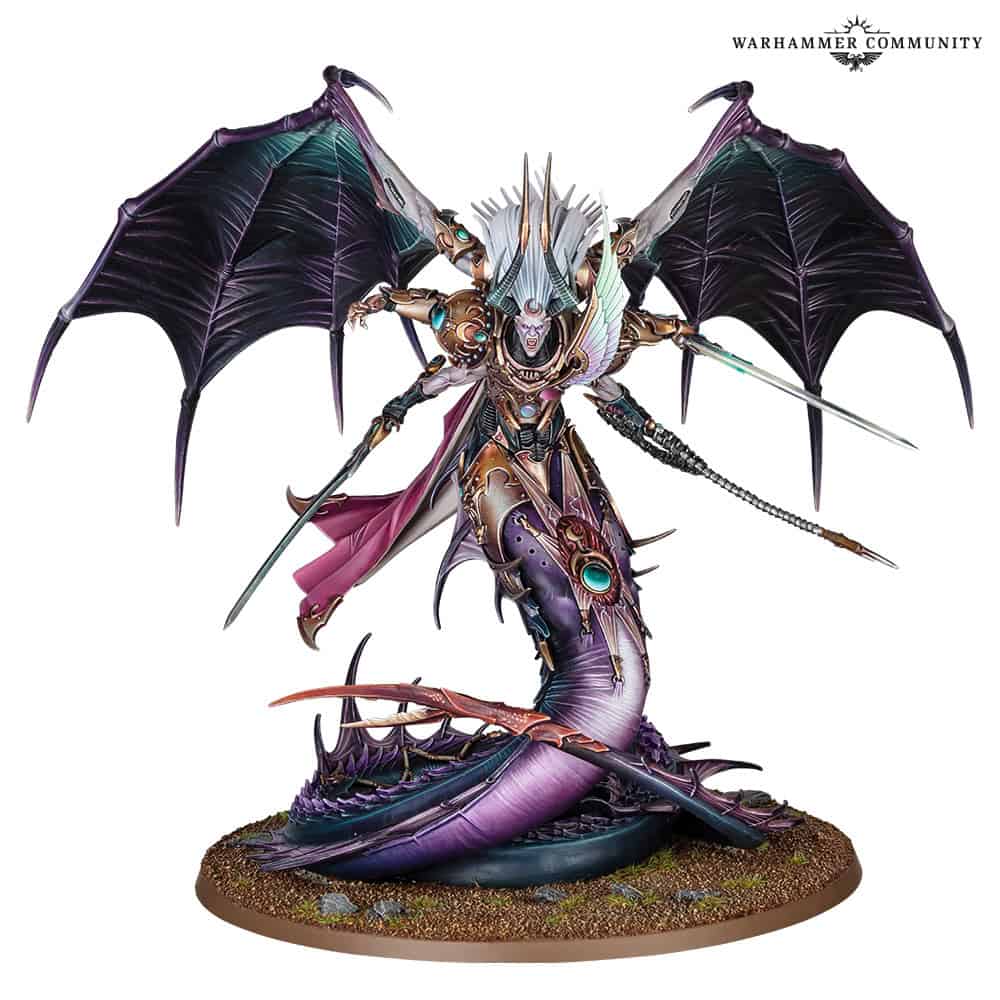
Plastic Fulgrim Daemon Primarch Model By Games Workshop
Few characters in Warhammer 40k have the visual and thematic impact of Fulgrim. As the Primarch of the Emperor’s Children, he has been immortalized in stunning models that capture both his glory and his corruption.
Whether you’re looking at his depiction as a noble Primarch or as a terrifying Daemon Prince, Fulgrim’s presence leaps off the tabletop. His models don’t just serve as gameplay pieces; they tell the story of ambition, vanity, and the cost of perfection.
From his pre-Horus Heresy form to his current Chaos-warped self, the evolution of Fulgrim in Warhammer 40k models showcases the duality of his character. Both versions hold a mirror to the soul of a figure torn between greatness and excess, making them must-haves for fans of the Emperor’s Children and Chaos alike.
Evolution of the 40K Fulgrim Model
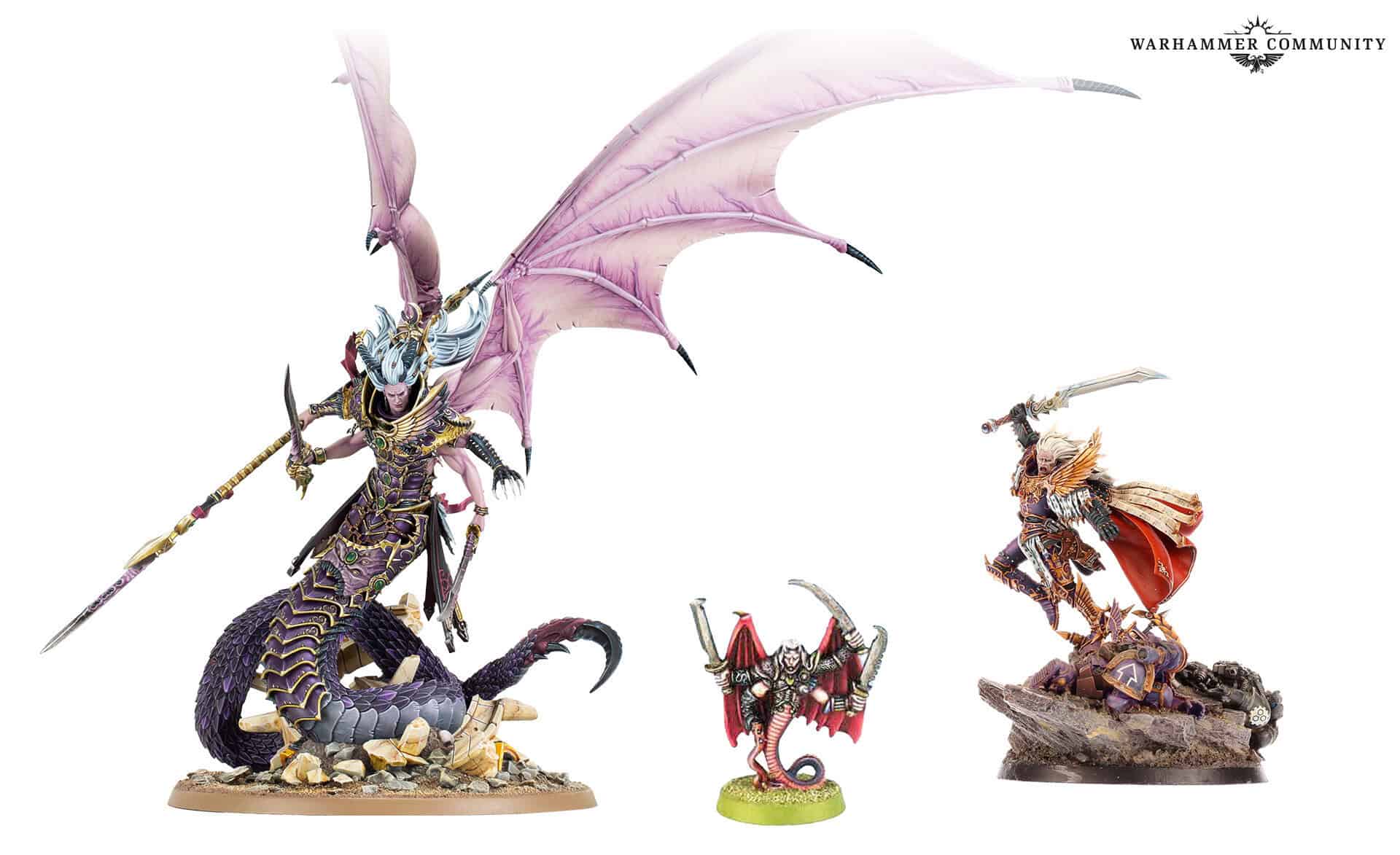
The journey of the Fulgrim 40k model mirrors the trajectory of his character. His earlier iterations depict him as the ideal Primarch: commanding, elegant, and radiating the kind of charisma that made him one of the Emperor’s most captivating sons.
The pre-Heresy Fulgrim model captures his aesthetic sensibilities with intricate armor detailing and an almost regal stance. Every piece of his design screams perfection, reinforcing his role as the champion of beauty and excellence.
But Warhammer is never content with static representations. As Fulgrim’s story darkened, so did his models. Enter the Daemon Prince Fulgrim. This design is a visual punch to the gut, emphasizing the horrifying transformation from a noble leader to a grotesque servant of Slaanesh.
The intricate armor remains, but it’s warped and exaggerated, reflecting his fall into Chaos. The addition of demonic features like elongated limbs and a twisted visage makes this model a haunting representation of excess gone too far.
 For hobbyists, these models are a delight—and a challenge. The level of detail on both versions makes them standout pieces in any collection. Whether you’re painting the gilded armor of the Primarch or the eerie, otherworldly hues of the Daemon Prince, Fulgrim’s models demand attention.
Comparing the Fulgrim Primarch and Fulgrim Daemon Prince Models
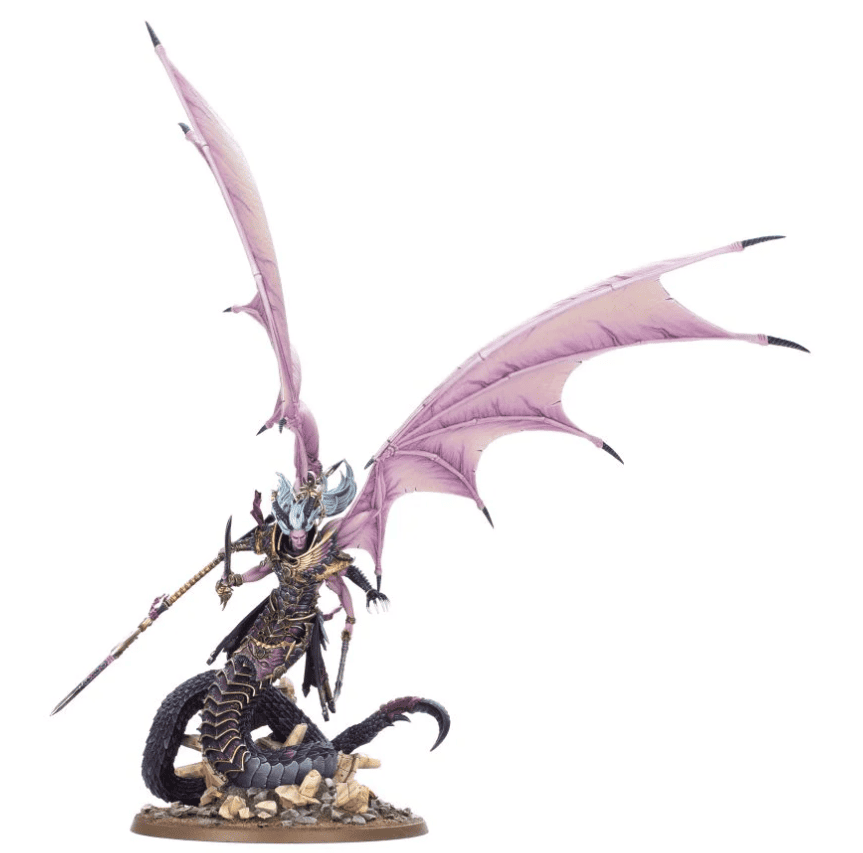 The contrast between Fulgrim as a Primarch and as a Daemon Prince is stark, and the models make this duality impossible to ignore. The Fulgrim Horus Heresy Primarch model is all about balance and poise. His pose, often mid-speech or mid-strike, reflects a man who believes he’s in complete control—both of his Legion and his destiny. The armor design is intricate but symmetrical, echoing the order and refinement that Fulgrim prized above all else.
On the other hand, the Fulgrim Daemon Prince model is chaos incarnate. It’s as if the Primarch version was put through a nightmare filter, emerging as a horrifying caricature of what Fulgrim once stood for. The symmetry is gone, replaced with jagged, exaggerated features that make him appear both monstrous and tragic. The design captures the essence of Slaanesh’s influence—equal parts seductive and grotesque.
What makes the comparison so compelling is the storytelling embedded in the design. The Primarch model represents Fulgrim at his peak: a leader, a visionary, and a paragon of the Emperor’s ideals. The Daemon Prince model, by contrast, is a cautionary tale, showing what happens when ambition and vanity spiral out of control. Together, they tell a story that is uniquely Warhammer 40k—a tale of glory, betrayal, and the thin line between aspiration and downfall.
Fulgrim’s Impact on Warhammer 40K
 In the sprawling universe of Warhammer 40K, Fulgrim stands as a character who encapsulates the extremes of beauty, ambition, and tragedy. The Primarch of the Emperor’s Children is more than just a figure in the lore—he’s a symbol of the high stakes in the grimdark galaxy, where the line between greatness and corruption is razor-thin. Fulgrim 40k lore provides a fascinating lens to examine the costs of perfection and the allure of Chaos.
As a Primarch, Fulgrim’s charisma and pursuit of excellence brought glory to the Emperor’s Children. His leadership inspired not just his Legion but also those who witnessed their artistic approach to warfare. Fulgrim wasn’t content with mere victory; it had to be achieved with style, grace, and a touch of theatrical flair. This philosophy made his Legion one of the most unique in the Warhammer 40K setting.
Yet, Fulgrim’s fall is equally significant. His descent into Chaos serves as a warning about the dangers of unchecked ambition and vanity. By aligning with Slaanesh, he didn’t just betray the Emperor—he transformed himself and his Legion into grotesque parodies of their former selves.
Fulgrim Warhammer 40k lore is a testament to the narrative depth that makes this universe so enduring. His story isn’t just one of villainy but of lost potential, making him one of the most discussed figures among fans.
FAQs & The Enduring Fascination with Fulgrim
Is Fulgrim dead?
Technically, no. Fulgrim is very much alive—though “alive” might be a loose term when you’re a Daemon Prince of Slaanesh. He exists in the warp, a realm of Chaos, and occasionally steps into the material universe to spread terror and excess. His immortality as a Daemon Prince ensures his story continues, keeping fans speculating about his potential future role in the Warhammer 40K narrative.
Can Fulgrim be redeemed?
 This is one of the most hotly debated topics in Warhammer 40K. While some fans argue that no character is beyond redemption, Fulgrim’s choices in the Horus Heresy and transformation make his path to salvation a steep one. His full embrace of Chaos and his role as a Daemon Prince suggest that redemption if it’s even possible, would require a monumental shift in his character. For now, Fulgrim seems content in his role as an agent of excess and destruction.
Did Fulgrim die?
In a conventional sense, no. Fulgrim’s physical form has been twisted into something far removed from his original Primarch self, but he wasn’t killed in the traditional sense. His transformation into a Daemon Prince marked a symbolic death of the noble warrior he once was, replaced by a monstrous figure devoted to Slaanesh.
What makes Fulgrim so popular?
Fulgrim’s enduring appeal lies in his complexity, from the Horus Heresy to 40k. He’s not a one-dimensional villain but a character whose flaws and ambitions make him relatable, even as he descends into Chaos. His story resonates because it’s as much about his strengths as his weaknesses. Fans are drawn to his duality: the perfectionist who fell from grace and the Daemon Prince who remains a cautionary tale.
Why Fulgrim Still Captivates
 The combination of Fulgrim’s striking aesthetic, compelling narrative arc, and rich thematic resonance keeps him at the forefront of Warhammer 40K discussions. The Fulgrim 40k model, for example, isn’t just a collector’s item (both the Horus Heresy and 40k ones)—it’s a physical representation of the tension between beauty and horror, ambition and downfall. Whether as a Primarch or a Daemon Prince, Fulgrim’s impact on the lore is undeniable.
Fulgrim’s journey from shining hero to Chaos-warped monstrosity mirrors the broader themes of Warhammer 40K: the cost of ambition, the seduction of power, and the fragility of morality. It’s no wonder his character sparks endless debates, fan theories, and artistic tributes. His legacy within the 40K Emperor’s Children and beyond ensures he’ll remain a central figure in this universe for years to come.
New Fulgrim 40k Primarch Model Review
What do you think about the Emeperor’s Children, Slaanesh, and Fulgrim in Warhammer 40k? Will you be picking up the new Fulgrim 40k model?