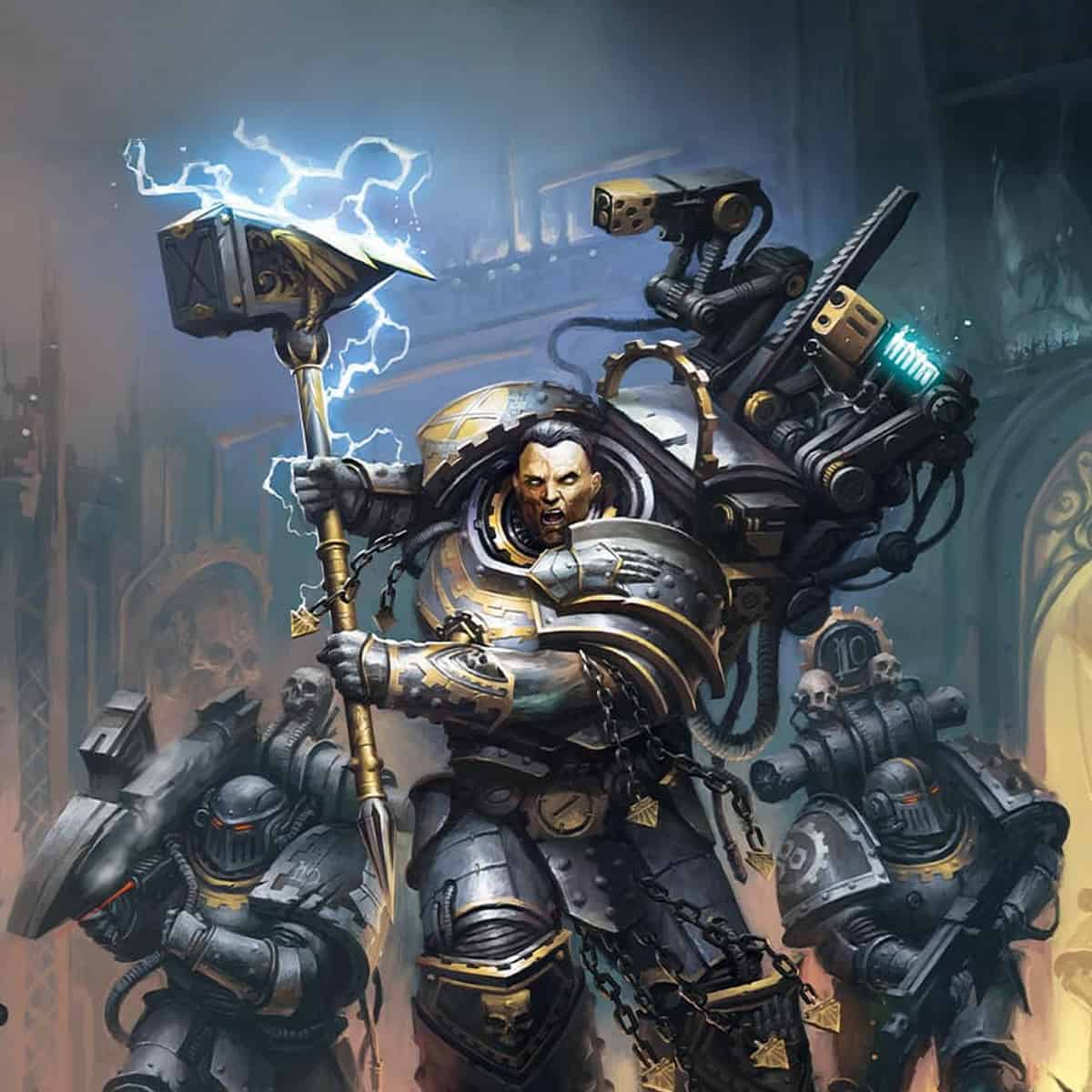
 New to 40k? Get a clear Ferrus Manus timeline of his origins, the Great Crusade, the Dropsite Massacre, his legacy, and the myths about his return.
When Ferrus Manus hit the dirt, the galaxy didn’t just lose a Primarch. It gained a live grenade of betrayal, rage, and collateral damage that never really stopped detonating. His death at Isstvan V at the hands of his brother Fulgrim was not some footnote casualty either.
It was the moment the Horus Heresy went from “bad news” to “the Imperium is about to get torn in half.”
- Legion: Iron Hands (X Legion)
- Title: The Gorgon
- Homeworld: Medusa
- Signature wargear: Forgebreaker, Medusan Carapace
- Fate: Killed by Fulgrim at Isstvan V (Dropsite Massacre)
Confirmed vs Rumored: Ferrus’s death at Isstvan V and the fallout for the Iron Hands are hard canon. Anything about his “return,” clones, or secret survival routes lives in rumor, fan theories, or in-universe myth unless a source flat-out states it.
The Significance of Ferrus Manus in Warhammer 40k
Updated February 8th, 2026, by Rob Baer with new information and links to relevant content.
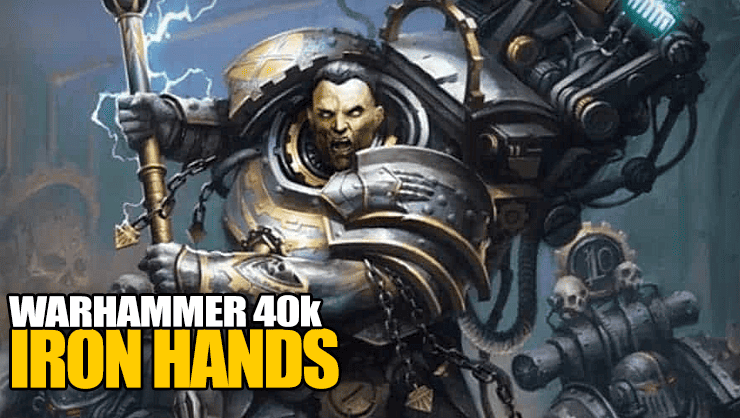
Ferrus Manus is the Iron Hands Primarch, nicknamed the Gorgon, …whose brutal ideals of strength and self-improvement kept shaping his Legion long after he died at Isstvan V at the start of the Horus Heresy.
He’s not just “another Primarch” people name-drop when they want to sound lore-savvy. Ferrus is the guy who treats weakness like a personal insult, builds wargear like it’s an art form, and runs his Legion with the kind of cold, practical logic that makes everyone else look like they are freestyling.
The Iron Hands did not just follow his example; they tried to become it, leaning hard into bionics and augmentation in the never-ending chase for perfection.
And then there’s the part that makes the whole thing hurt more. Ferrus isn’t some distant, untouchable legend. His story comes with a loaded emotional trigger because his relationship with Fulgrim is the classic 40k setup: brotherhood, respect, ego, and the slow-motion train wreck of betrayal.
The Phoenician is basically Ferrus’s narrative mirror, only with far more vanity and far fewer brakes. That friendship, and the way it finally snaps, is what drags Ferrus toward his grim, galaxy-shaking end.
Also, yes, if the Cavill Amazon series ever goes anywhere near the Heresy era, Ferrus Manus showing up on-screen would be an instant “pause the episode and text the group chat” moment.
A Snapshot of the Warhammer 40k Universe
For those unfamiliar with the sprawling Warhammer 40k universe, it’s a setting defined by war, betrayal, and grimdark intensity. Humanity struggles to survive in a galaxy dominated by endless conflict, heretical uprisings, and ancient alien threats. The Emperor of Mankind, a godlike figure, sought to unify the galaxy under his banner, but his own sons, the Primarchs, weren’t always on the same page.
The Horus Heresy was the pivotal moment in Warhammer 40k lore, where brother turned against brother, and Ferrus Manus’s death played a key role in igniting this epic betrayal. During the Heresy, the galaxy became a brutal playground of clashing ideals, ambition, and chaos. Ferrus Manus was one of the first to meet his end, but his death wasn’t just a tragedy, it was a warning of the darkness to come.
Ferrus Manus’s Death: The Spark of Tragedy
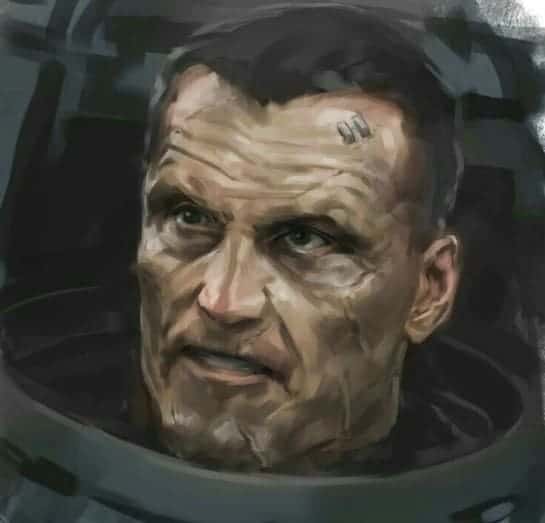
At Isstvan V, during the Dropsite Massacre, the Heresy stops being a political meltdown and becomes a straight-up meat grinder. This is the timeline pivot where the loyalists get lured in, the trap snaps shut, and the galaxy realizes, “Oh… this is going to be that kind of war.”
Ferrus Manus rolls in leading the loyalist push, and then the worst possible matchup walks onto the stage: Fulgrim. Not some random traitor captain. His brother. His old friend. The one Primarch he actually respected enough to call an equal. Fulgrim tries to sell him the poisoned “join me” pitch, because Chaos has its claws in deep by this point, but Ferrus is not built for compromise.
The Gorgon doesn’t bend. He doesn’t negotiate. He doesn’t “see your side.” He goes to end you. And that’s where it all goes to hell.
The duel turns into tragedy fast. Fulgrim, armed with a Chaos-tainted blade, kills Ferrus Manus and takes his head, a moment that becomes one of the Heresy’s most infamous images. It is not just shocking because a Primarch dies. It is shocking because it’s that Primarch, killed by that brother, at the exact moment the loyalists realize they have been played.
After that, the Iron Hands are left with a hole in the middle of their identity. They do not just lose their leader. They lose their anchor. That grief and rage echoes into everything they become later, from the obsession with replacing flesh to the cold, brutal way they prosecute war.
And yeah, Ferrus still hits hard in modern 40k because his story is easy to feel, even if you only know the broad strokes. Whether you are building an Iron Hands army, painting up a Ferrus Manus model, or just chasing the lore rabbit hole, Isstvan V and the Dropsite Massacre is the moment his legend gets burned into the setting forever.
Origins of Ferrus Manus
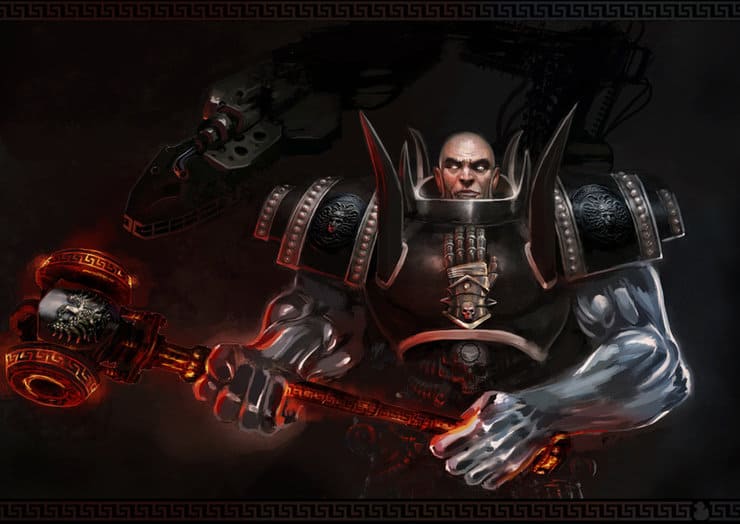 Ferrus Manus, one of the Emperor’s twenty genetically engineered Primarchs, holds a unique spot in Warhammer 40k lore. Known for his iron will, literal metal hands, and relentless pursuit of perfection, Ferrus Manus is a figure whose origins are as striking as his legacy.
His presence in Warhammer 40k continues to inspire fans, whether they’re painting a Ferrus Manus model or diving into the darker chapters of his story.
Early Life on Medusa
Ferrus Manus starts where a lot of 40k’s best tragedies start: on a planet that does not care if you live or die.
Medusa is not some scenic “chosen one” backdrop. It’s a brutal, volcanic scrap-world of hard clans, harder weather, and the kind of daily survival that turns people practical in a hurry. Ferrus lands there as an infant and basically grows up the way Medusa expects you to: adapt fast, hit harder, and never whine about the conditions. If the planet is trying to break you, your job is to break it back.
That culture sinks into him early. Medusans don’t respect pretty speeches, they respect results. Ferrus takes that mindset and cranks it up to Primarch levels, shaping this ironclad, no-nonsense personality where weakness is a problem to solve, not a thing you tolerate.
Then you get the story everybody remembers: the showdown with Asirnoth, the great metal serpent, described as living liquid metal. Ferrus kills it, and in the aftermath, he ends up with those iconic living-metal hands that become a symbol for everything he is: relentless improvement, absolute durability, and zero patience for limits.
Myth vs interpretation: some accounts treat the Asirnoth fight like a Medusan legend that got polished over time, because “I dipped my hands in molten metal and it ruled” is the kind of tale a harsh culture would mythologize. But the consistent takeaway stays the same: Ferrus comes out of that early trial with living metal hands, and that detail is central to his identity and the Iron Hands’ whole obsession with perfection.
Discovery During the Great Crusade
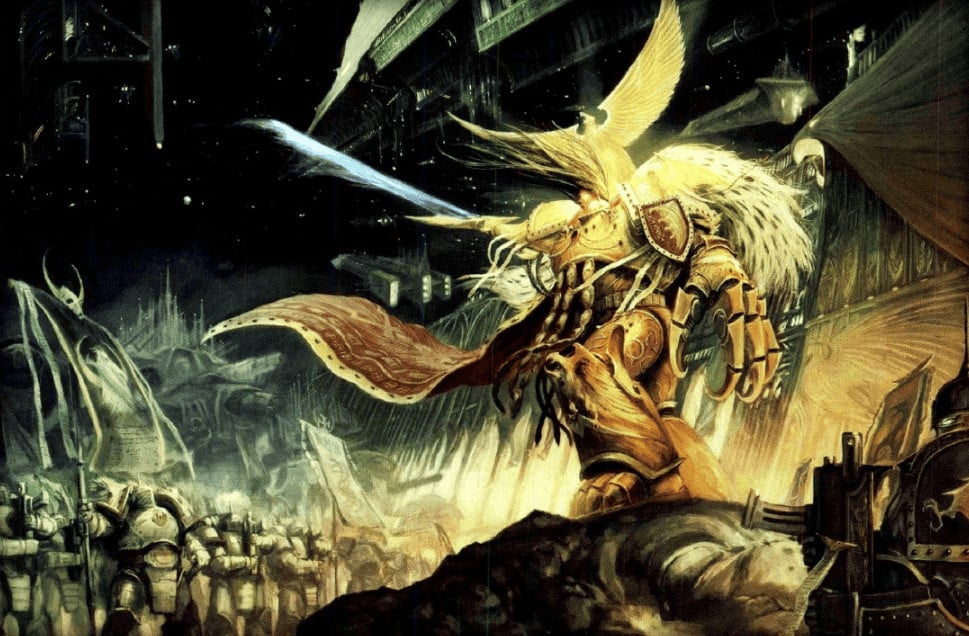
When the Emperor finally links up with Ferrus Manus during the Great Crusade, it’s basically a handshake between two people who love results and hate excuses. The Emperor sees a brutally capable, practical leader, and Ferrus gets handed the X Legion, the force that will become the Iron Hands in both name and attitude.
Under Ferrus, the Legion leans hard into discipline, efficiency, and constant self-improvement. He is the kind of Primarch who looks at a flaw and treats it like a personal enemy. If something can be made stronger, cleaner, faster, or more reliable, then that’s what you do. No drama. No pep talk. Fix it.
Here’s the important nuance, though: Ferrus wasn’t just walking around chanting “flesh is weak” like a bumper sticker. He pushed ruthless improvement and had zero tolerance for cowardice or incompetence, but the Iron Hands’ later “replace everything organic” extremity reads more like a grief-fueled overcorrection after his death than a perfect mirror of what he personally believed. The Legion takes his standards, loses the man himself, and then cranks those standards into obsession.
And yeah, that edge cuts both ways. Ferrus’s methods make him terrifyingly effective, but they also rub some of his brothers raw, especially the ones who still value humanity, emotion, and the softer parts of what the Imperium is supposed to protect. Those philosophical fractures don’t just stay in the background either.
They are part of the pressure building inside the Primarch brotherhood, and they help set the stage for how violently everything finally breaks.
The Role of Ferrus Manus in 40k
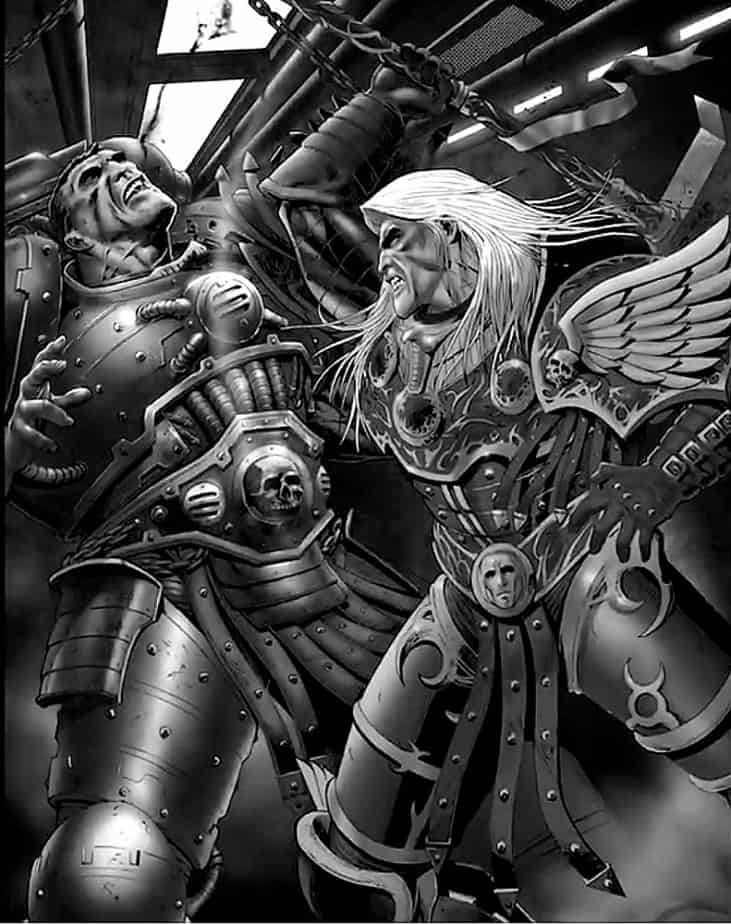
Ferrus Manus is one of the most impactful characters in the 40k universe. Known for his steely resolve and literal metal hands, he wasn’t just a warrior, he was a visionary. His leadership shaped the Iron Hands Legion, and his uncompromising philosophy left a lasting imprint on the Imperium.
- Forgebreaker (his legendary thunder hammer)
- Medusan Carapace (signature battle-plate)
- The Silver Hands (his living metal hands, forged through the Asirnoth legend)
- The Veridium (his flagship, often tied to his Great Crusade-era legend)
- The Iron Hands’ master-crafted arsenal (Ferrus’s influence, stamped across his Legion’s weapons and war machines)
Fans of Ferrus Manus 40k lore often point to his tragic death as a turning point that rippled through the Horus Heresy, but his life before that was just as fascinating as well.
Leadership of the Iron Hands Legion
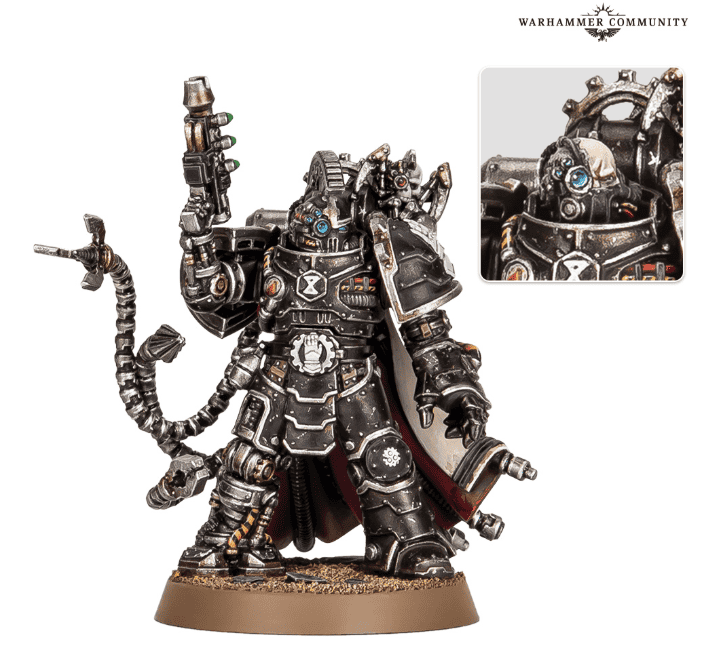
As Primarch of the Iron Hands, Ferrus Manus ran the Legion like a forge runs hot: no nonsense, no excuses, and no patience for anything that smelled like weakness. He hated fragility, and he treated failure like a design flaw you fix with effort, discipline, and better tools. That’s where the whole “machine over flesh” vibe starts, but it’s worth keeping it grounded. Ferrus wasn’t a cartoon villain barking slogans, he was a brutal perfectionist who believed you could always be stronger tomorrow than you were today.
For Ferrus, perfection was not a lofty dream. It was the standard. If you showed up unprepared, sloppy, or sentimental at the wrong moment, you were going to get corrected hard.
That mindset turned the Iron Hands into relentless operators. They fought with cold logic, tight coordination, and an obsession with efficiency that made them terrifying on the battlefield, whether they were smashing compliance actions during the Great Crusade or grinding traitors into paste once the Heresy kicked off. And if you’ve ever built or painted a Ferrus Manus model, you can feel that identity in the design: heavy, imposing, and engineered like it’s supposed to outlast the age it was made in.
Key distinction: Ferrus demanded ruthless self-improvement and strength, but the Iron Hands’ post-Isstvan shift into grief-driven extremity is its own evolution, not a perfect copy of what he personally preached.
Tactical Genius and Battle Strategies
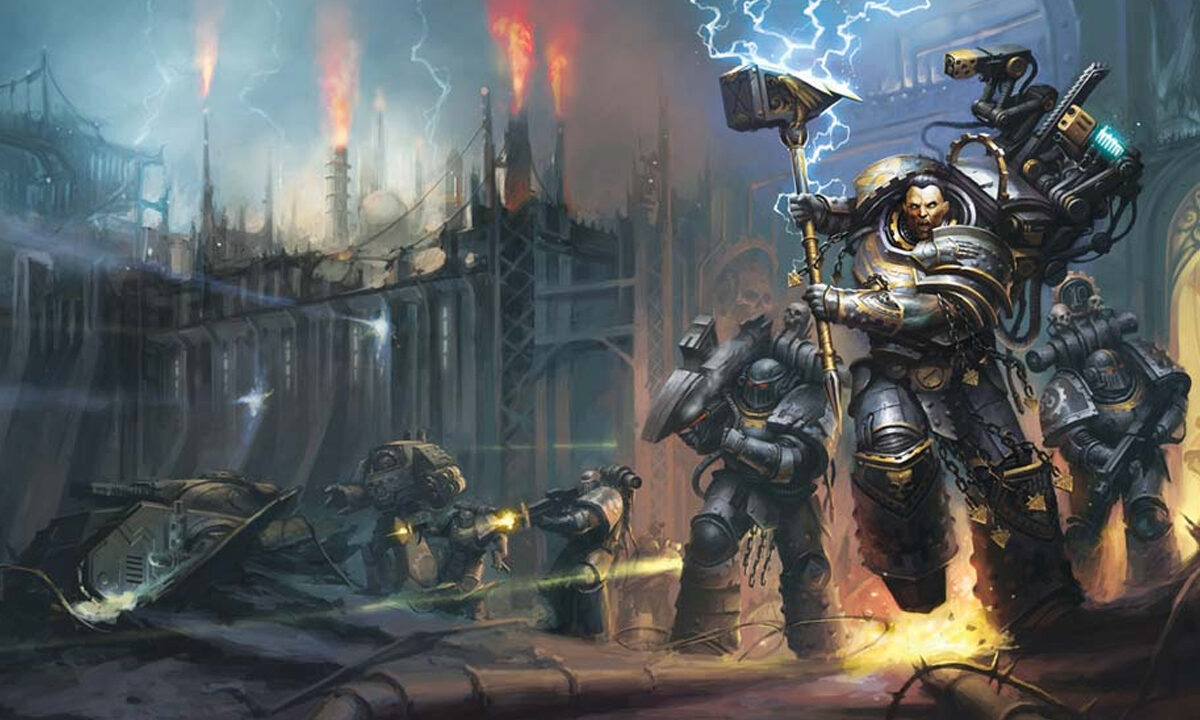
Ferrus Manus wasn’t just about brute force; he had a mind for strategy that rivaled even the sharpest Primarchs. His approach to warfare was as calculated as it was devastating. Ferrus believed in overwhelming the enemy with efficiency, using both technological superiority and disciplined tactics to crush opposition. The Iron Hands’ reliance on machines wasn’t just for show, it was central to their battlefield philosophy.
Whether it was fortifying positions with impenetrable defenses or leading the charge in a mechanized assault, Ferrus Manus brought precision and power to every conflict. His vision of warfare was rooted in pragmatism, making him a leader who inspired respect, even among his most competitive brothers.
While his rigid mindset occasionally caused friction within the Primarch circle, his strategic brilliance was never in question. For fans of Warhammer 40k, Ferrus Manus remains a character who embodies the stark and unrelenting nature of the Imperium. His leadership, both inspiring and controversial, continues to be a cornerstone of his legacy.
The Death of Ferrus Manus
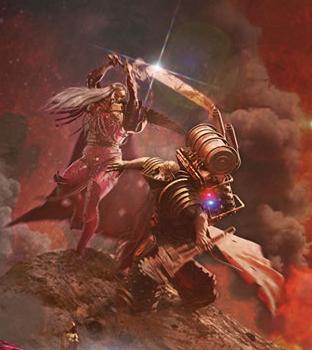
Ferrus Manus’s death matters because it’s one of the Horus Heresy’s first “no turning back” moments. A Primarch falls early, the stakes spike instantly, and the Imperium learns this civil war has zero guardrails. It also detonates the Iron Hands’ future, kicking off a legacy of vengeance, grief, and that slow slide toward self-erasure.
In the lore, Ferrus meets his end at Isstvan V during the Dropsite Massacre, the infamous betrayal that turns a loyalist counterpunch into a slaughter. Known for his unyielding resolve and absolute loyalty to the Emperor, Ferrus doesn’t go out as some random casualty.

His demise shocks the Imperium and helps set the tone for everything that follows: chaos, betrayal, and the kind of tragedy that basically becomes the Horus Heresy’s calling card.
The Betrayal at Isstvan V
The story of Ferrus Manus’s death begins with his confrontation with Fulgrim, the Primarch of the Emperor’s Children and once a close ally. At Isstvan V, the loyalist legions, led by Ferrus Manus and others, were lured into a trap by Horus, the Warmaster turned traitor. What was supposed to be a decisive strike against the traitors turned into a massacre as several legions revealed their allegiance to Chaos, turning on their loyalist brothers.
Amid the carnage, Ferrus Manus confronted Fulgrim in a clash of ideals and strength. Fulgrim, seduced by Chaos, wielded a cursed blade gifted by the dark gods. Despite Ferrus Manus’s unmatched physical prowess and iron will, Fulgrim struck the killing blow, decapitating him. This betrayal wasn’t just personal—it symbolized the shattering of the Emperor’s vision and the descent of the galaxy into an era of unending war.
Impact on the Horus Heresy
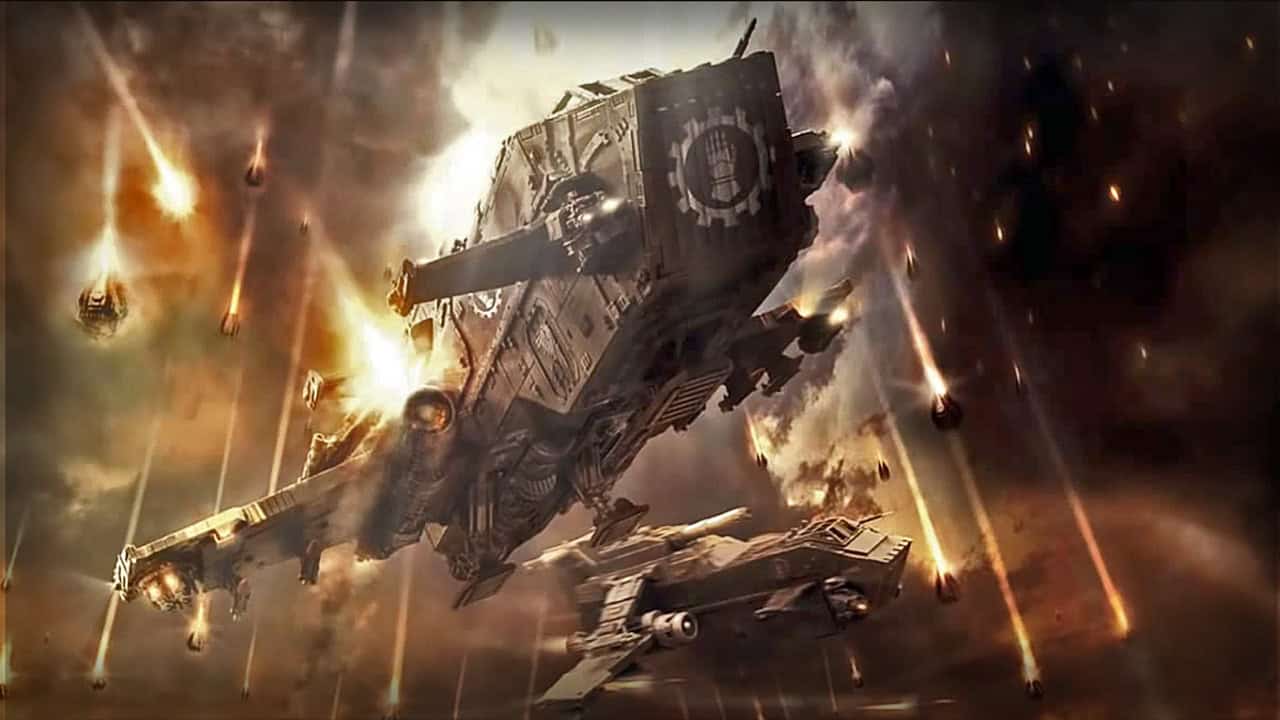
Ferrus Manus’s death hit the loyalists like a thunder hammer to the teeth. It wasn’t just grief, it was the sudden, brutal realization that even the Emperor’s sons could be taken off the board. If a Primarch can fall at Isstvan V, then nobody is safe, and the Heresy is not going to end with handshakes and apologies.
We’ll unpack how that reaction keeps echoing for millennia in the Legacy section, because the Iron Hands’ post-Isstvan spiral has a long tail and it shapes almost everything they become afterward.
For the Iron Hands, losing Ferrus didn’t just leave them leaderless, it cracked their identity right down the middle. They were already a Legion obsessed with discipline, endurance, and self-improvement, but after Isstvan they harden into something colder and more isolated. The “no weakness” mindset stops being a standard and starts becoming a scar they keep picking at, and vengeance becomes less of a goal and more of a default setting.
That ripple spreads way beyond the Heresy, too. Ferrus’s death becomes a grim banner for everything the war represents: betrayal that cuts deeper than any blade, loyalty that can break in an instant, and ambition twisted by Chaos until it turns brother against brother.
Legacy and Influence in Warhammer 40k

Ferrus Manus, Primarch of the Iron Hands and the infamous Gorgon, leaves a legacy that 40k never really shakes off. He’s the poster child for ruthless self-improvement, brutal standards, and doing the hard thing because it works. Even though his story ends in the Horus Heresy, his shadow keeps hanging over the setting, especially any time the Iron Hands show up and start solving problems with cold logic and overwhelming force.
His death at Fulgrim’s hands does not just remove a Primarch from the board. It warps the trajectory of an entire Legion. The Iron Hands were already leaning into discipline and augmentation as a way to stay sharp, but after Isstvan V that philosophy curdles into something harsher. They stop chasing strength to become better, and start chasing it to bury the pain. That’s where the grim, isolated vibe really takes hold, and it shows up in everything from their tactics to the way they look at allies, enemies, and even their own bodies.
And yeah, if you’ve got a Ferrus Manus model on your desk or in your display case, the design sells that whole idea. He’s not ornamental. He’s engineered. Brutal efficiency with just enough tech-heavy detail to remind you this is a Primarch who treats war like a craft.
- Confirmed: Ferrus’s death at Isstvan V, and the Iron Hands’ long, messy fallout afterward.
- Rumored and debated: sightings, “signs” and relic-chasing tied to his legend, often framed as in-universe myth or wishful thinking.
- Rumored and heavily speculative: clones, returns, or secret survival angles, which tend to live in rumor mills and theorycrafting unless a source nails it down in canon.
Bottom line: Ferrus Manus is gone, but the consequences of losing him are still very alive, and that’s why his legacy hits harder than a lot of characters who technically have more page time.
Reflections on His Ideals and The Iron Hands
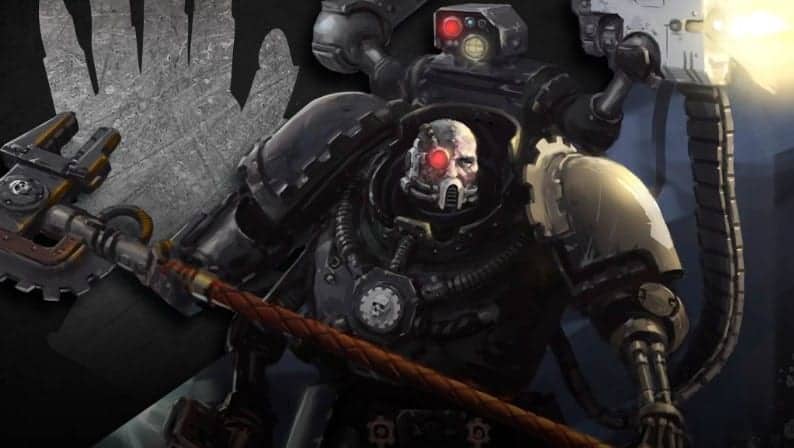
Ferrus Manus treats imperfection like it’s the real enemy, and that mindset bleeds straight into the Iron Hands. Under his watch, the Legion chases self-improvement with the kind of intensity most armies reserve for actual combat. If something can be reinforced, upgraded, or made more reliable, then why wouldn’t you do it? That’s the core of the culture he builds.
The downside is obvious. From the outside, the Iron Hands can come off cold, detached, and more interested in “optimal outcomes” than, you know, people. The upside is also obvious. On the battlefield, they’re terrifying because they don’t get distracted, they don’t hesitate, and they don’t stop until the job is done.
Q&A: Did Ferrus Manus actually believe “the flesh is weak”?
Not in the simplified, one-liner way people throw around. Ferrus believed weakness was unacceptable, and improvement was mandatory, but the Iron Hands’ later obsession with ripping out flesh reads like a post-Isstvan overcorrection as much as it does a faithful reflection of his teachings.
In many ways, his story lands like a warning about what happens when a useful philosophy is taken too far, especially after trauma.
And yeah, plenty of his brothers side-eyed him for it. Ferrus’s cold pragmatism doesn’t play nice with Primarchs who lean into compassion or human dignity, like Sanguinius or Vulkan.
But even the critics can’t deny the results: Ferrus turns the Iron Hands into a brutally efficient Legion, and in the Emperor’s arsenal, efficiency tends to get rewarded, right up until it starts eating you alive.
Cultural Significance in the Warhammer Lore
 In Warhammer 40k, Ferrus Manus represents the struggle between humanity and technology. His death during the Horus Heresy is a pivotal moment in the lore, symbolizing the ultimate betrayal between brothers and the devastating cost of ambition twisted by Chaos.
His influence is felt not just in the Iron Hands Space Marine Chapter but throughout the Imperium as a cautionary tale about the dangers of losing sight of humanity in the pursuit of strength.
Fans who appreciate the grimdark narrative of 40k often find Ferrus Manus’s story one of the most compelling. Whether through his ideals or his tragic death, his presence lingers as a stark reminder of the cost of uncompromising ideals in a galaxy teetering on the edge of ruin.
Ferrus Manus Models and Representations
 When it comes to 40k, Ferrus Manus is one of those names that hits on every level: brutal lore, big Heresy consequences, and a model that just looks like it means business. Between the imposing silhouette and all the crisp details, the Ferrus Manus miniature (you can grab the model directly from GW at the link) nails the vibe of the Iron Hands Primarch, and it’s an easy centerpiece whether you’re collecting, painting, or actually putting him on the table.
- Lore-accurate wargear details: Forgebreaker, the Medusan Carapace, and the iconic Silver Hands are the must-hit visual cues that sell “this is the Gorgon” at a glance.
- Painting and hobby interpretation: metallic tones, weathering, heat-staining, stripes, and cold, clinical basing all push that Iron Hands feel, even if you take the scheme in your own direction.
Iconic Designs and Miniatures
 The Ferrus Manus model is a testament to his character: stoic, unyielding, and undeniably powerful. Known for his metallic hands, crafted in the molten remains of the mythical Asirnoth, his miniatures emphasize the blend of humanity and machine that defines him. These details, paired with his signature weapons and armor, make Ferrus Manus stand out among the Warhammer 40k Primarchs.
One of the highlights of the model is its dynamic design. It often depicts Ferrus Manus mid-battle, exuding the relentless energy of a leader who doesn’t just command from the backlines but fights at the forefront of any conflict.
The intricate designs of his armor, complete with mechanical enhancements, perfectly reflect the Iron Hands’ philosophy of replacing weakness with strength. For hobbyists, the Warhammer 40k Ferrus Manus model design serves as both a challenge and a reward for dedicated painters.
Customizing Ferrus Manus Models
 One of the joys of working with the Ferrus Manus model is the potential for customization. Painters and hobbyists often experiment with different techniques to highlight the metallic textures of his hands or the fine details of the armor. Whether it’s using advanced weathering effects to give his armor a battle-worn look or adding a unique color palette to make the model stand out, the possibilities are endless.
Some fans go the extra mile by creating dioramas that showcase Ferrus Manus in his most legendary moments, such as his confrontation with Fulgrim during the Horus Heresy. These customizations not only elevate the model’s visual appeal but also connect deeply with its lore, allowing hobbyists to tell a story through their work.
For hobbyists who love bringing Warhammer 40k Ferrus Manus to life, these models are more than collectibles; they’re a creative outlet that pays homage to one of the universe’s most enduring characters.
FAQs & Lasting Impact of Ferrus Manus’ Death

Ferrus Manus, Primarch of the Iron Hands, is one of those 40k characters who still feels loud even after he’s gone. His death in the Horus Heresy is a headline moment, but the real reason he sticks is the long tail: the Iron Hands’ identity shift, the “strength at any cost” lesson, and the constant fan-side arguing about whether his story is truly over.
Who Killed Ferrus Manus?
Fulgrim did. At Isstvan V during the Dropsite Massacre, Ferrus throws down with the Primarch he once trusted more than most, and it turns into the ultimate proof that the Heresy has no limits. Fulgrim’s fall to Chaos had already shattered the friendship, but the kill makes it permanent: Ferrus Manus is decapitated by a Chaos-tainted blade, and the betrayal becomes one of the defining images of the entire war.
How Did Ferrus Manus Die?
Ferrus dies the way he lived, refusing to bend. Fulgrim tries to talk him into switching sides mid-disaster, and Ferrus basically answers with “absolutely not” and a willingness to settle it in steel. The fight is savage, and Fulgrim lands the killing blow. It’s not just a tactical loss either. It guts loyalist morale and kicks the Iron Hands into that darker, colder spiral where “improvement” starts looking a lot like self-erasure.
Could Ferrus Manus Return?
This is the one that keeps comment sections fed for years. Canon-wise, there’s no confirmed return, but a few post-mortem threads keep getting tossed around:
- Rumored and debated: relic trails, “sightings,” and symbolic appearances tied to his legend, usually framed as myth, propaganda, or in-universe coping.
- Rumored and heavily speculative: cloning or restoration via extreme tech, which pops up in theories but doesn’t have clean, definitive canon backing.
- Debated interpretation: some fans argue he’s more powerful as a tragedy, because the permanence of his loss is the point, and bringing him back would sand down what makes Isstvan V hit so hard.
So yeah, the door gets rattled, but it’s not open. Not yet.
Is Ferrus Manus in the Legion of the Damned?
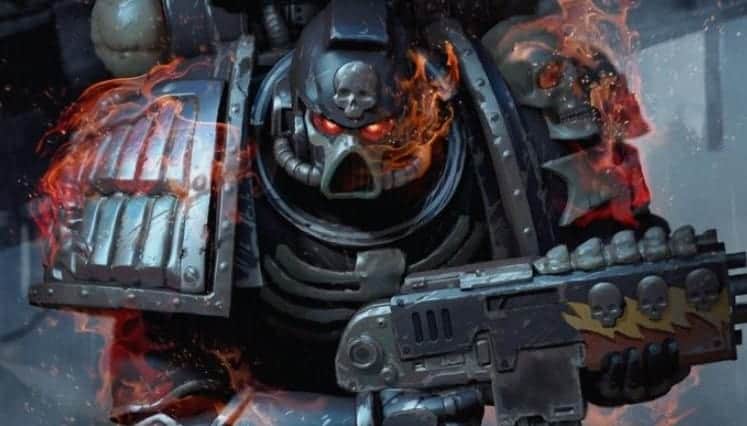 The Legion of the Damned is its own haunted mystery box, and Ferrus’s story stays anchored to the Iron Hands and the Horus Heresy fallout. If someone claims he’s running around as a flaming ghost Primarch, that’s firmly in theory-land, not established canon with a confirmed link.
Lessons from Ferrus Manus in 40k Lore

Ferrus Manus is basically a cautionary tale wrapped in ceramite. Push perfection hard enough, and eventually you stop improving and start stripping pieces of yourself away just to feel “strong” again. His leadership sets a brutal standard, and his death is the moment that proves loyalty can get you killed just as fast as treachery.
The Iron Hands still carry his teachings, but they’re carrying them with a cracked grip. Without Ferrus, the Legion’s drive for self-improvement turns into a long, cold identity crisis: are they honoring the Gorgon’s standards, or just trying to outrun the pain of losing him at Isstvan V? In a galaxy like 40k, that question doesn’t get answered gently.
🔗 Further Reading and Sources
- The Horus Heresy novels covering Isstvan V and the Dropsite Massacre (Black Library)
- Codex: Space Marines and any Iron Hands-focused supplements for modern-era context
- Warhammer Community articles and timelines for official recaps and releases
- Lexicanum entries on Ferrus Manus, Isstvan V, and the Iron Hands for quick reference-style summaries
- Games Workshop model pages for official wargear names, imagery, and hobby framing
Warhammer 40k Factions Explained: A Complete Guide to Every Army
What do you think about the Iron Hands, Ferrus Manus, his Horus Heresy model, and his death in Warhammer 40k?