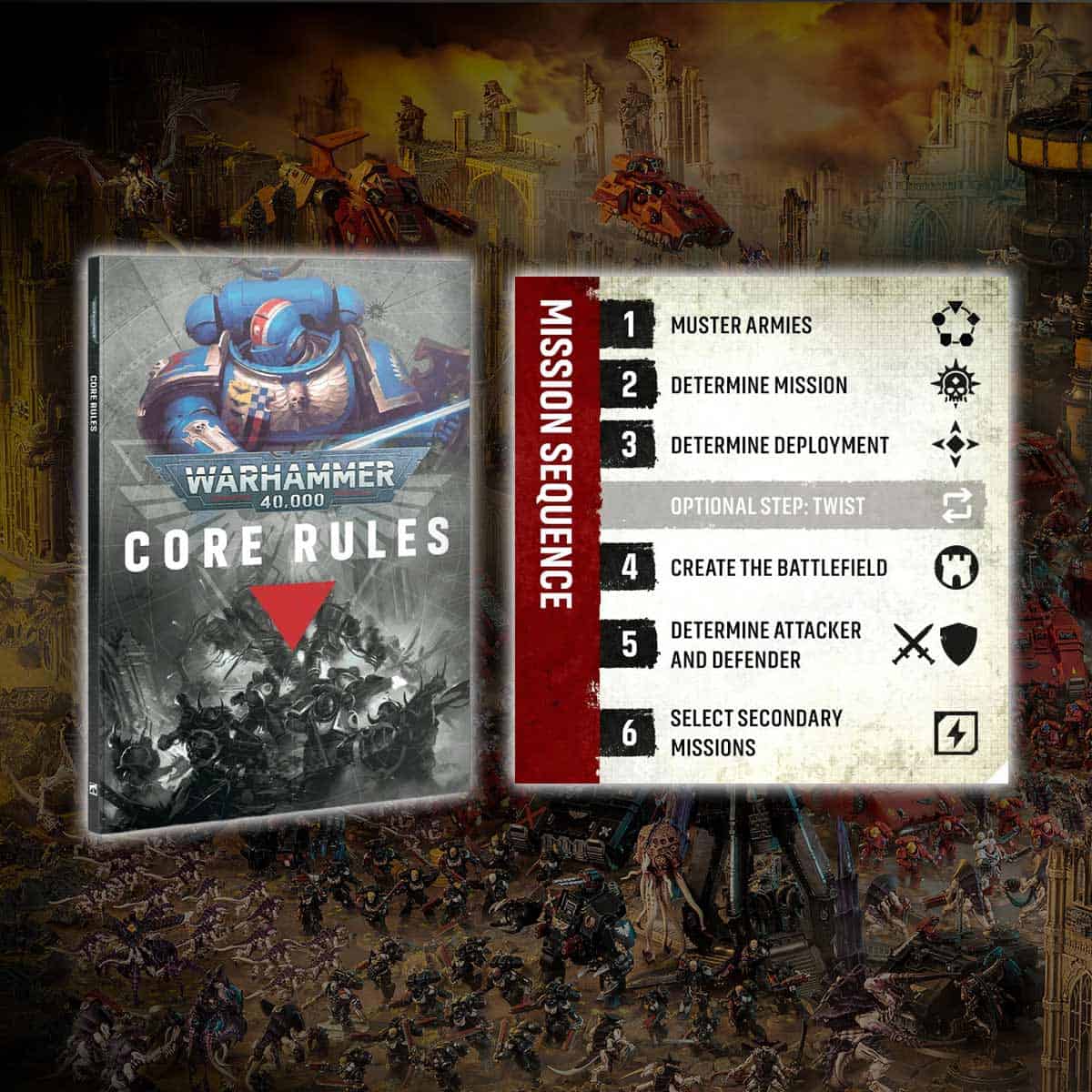
The Warhammer 40k 11th edition core rules are here as a free PDF download; here’s every rules change you need before the June 20th launch.
GW dropped the entire core rulebook onto the downloads page this morning, 19 days out from the 11th Edition Armageddon starter set launching on the 20th.
Some of this is just basic rules cleanup, but there’s plenty that will completely change how the game plays. Charges that pick their target after the roll, active-player fight activation, and flat -1 BS cover are real gameplay shifts and maybe enough to reset the entire meta.
Well maybe…
Sure, some of it really is just cleanup. But charges that pick their target after the roll, fight activation flipping to whoever’s turn it is, and cover dropping to a flat -1 BS aren’t tune-ups, may reset half the competitive meta.
If you’ve been tracking our 11e rules coverage and predictions over the past few months, plenty of this feels like the confirmation round, but there are still a few surprises snuck through too!
- Charges roll first, pick target after: declare with any enemy in 12″, roll, then commit to whatever you can actually reach. No more stranded melee units in the open.
- Fight activation goes to the turn player: even Fights First units can swing after enemy chargers when it’s not their turn. Major sequencing shake-up for defensive melee armies.
- Cover is now -1 BS, not -1 to save: Infantry, Beasts, and Swarms hide in cover unless they fired recently. Terrain just got way more tactical than the old “+1 save in ruins” math.
Movement Phase Got a Cleanup
 The Movement phase loses most of its traffic-jam moments. Units move through friendly units by default, so no more fighting your own models to get where you need to go. Rotating a model on the spot is free, even for vehicles, which sounds small but adds up over a full game.
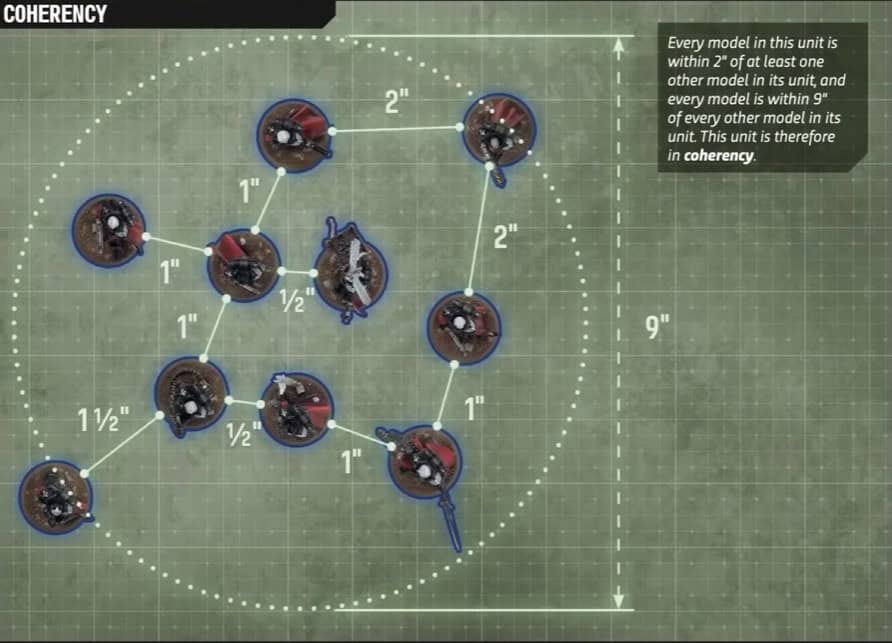
Coherency gets a huge change too. Every model in a unit has to be within 9 inches of every other model in the unit, which mostly reins in the stretched-out conga lines that have been present for too many editions now. Heck, 30-strong units are going to have a tough time even being on the table now… but the Battlewagon-bomb dudes will adapt, just maybe the 30-Boy mobs won’t love it.
Damage Resolution Is Now a Whole New Math Problem
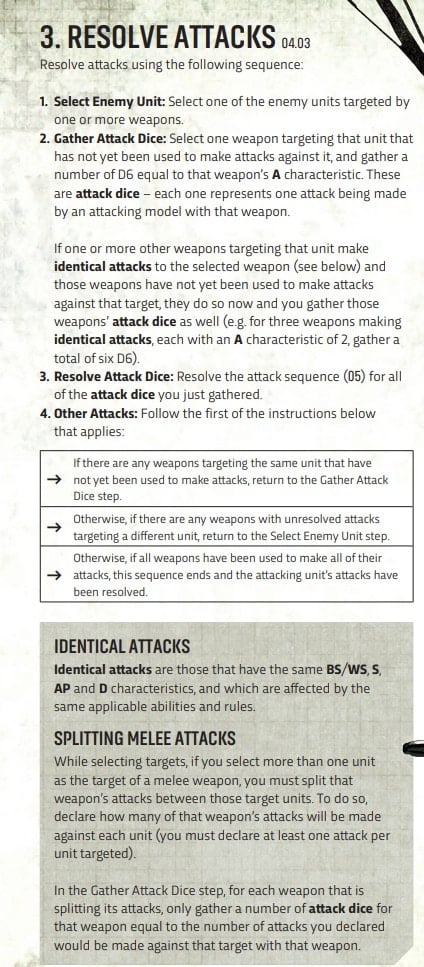 Same-weapon attacks now roll together, which is a huge change for anyone who rolls fast. But the biggest change is that defenders assign hit groups before saves get rolled. So when bodyguards die, the attacker doesn’t always get to spill leftover wounds onto the character.
It looks like this is a real buff for leader-attached units, and it lines up with the broader leader rework for the edition too. Bodyguard squads can soak the cinematic part of a damage dump while the boss stays standing for another turn of battle But, if you have Precision, this all flips on its head, and the attacker determines the hit groups.
So, if you’ve been playing Marines with a Captain attached to anything, your character’s survivability just went up a bit for sure.
Charges Roll First, Pick Target Second
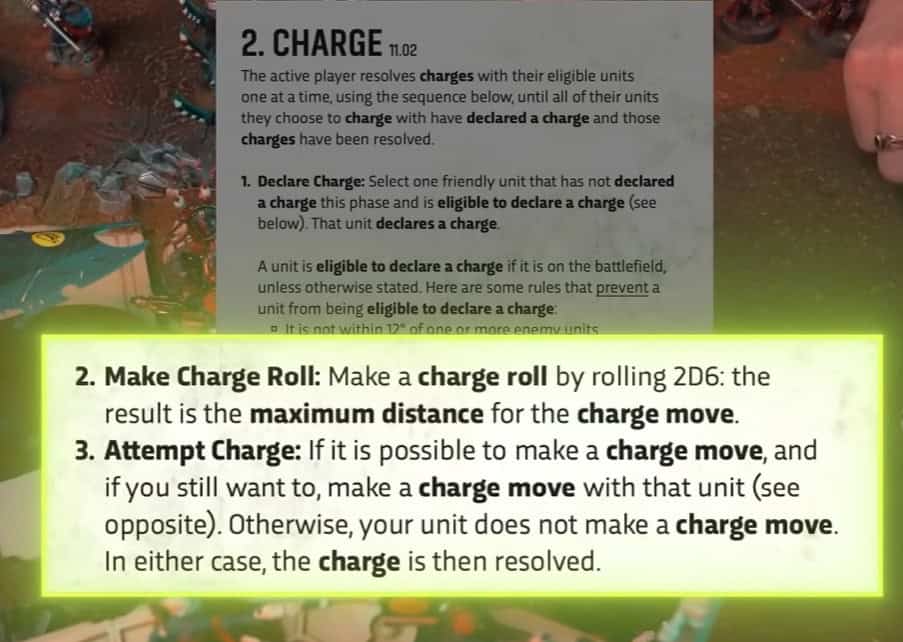
For Melee armies, this might be the biggest overall rules buff. The new charge rules say you roll the 2D6 first, see the roll, measure to enemy units, and then declare which enemy unit you’re actually charging. Which means as long as one enemy is within 12 inches when you declare, you can pick any reachable target now after you roll.
For melee armies, that’s the difference between having an all-important unit sitting out in the open getting shot, and actually making it into combat. World Eaters, Tyranids, Orks, and any armies that want to be in combat by turn two just got a whole lot scarier to play against. Which, honestly, it seemed like GW had been ducking changing this for like three editions, so this is great to see.
The other side of that coin is that screening still works; it’s just a little harder to set up now because 20″ conga lines are out of the equation. So you might have to take a couple more cheap units to keep your elites safe from melee threats.
Pile-In and Consolidate Get a Reordering
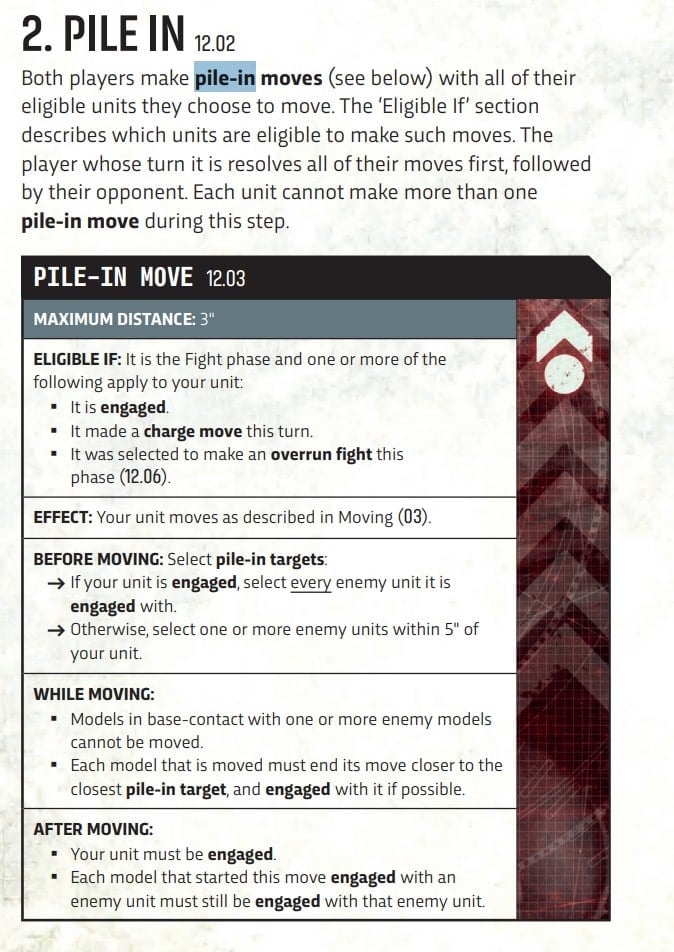 Pile-In moves now happen up front, before any combat resolves. The active player runs does their Pile-ins first, then the opponent, and only after that does anyone start swinging. Consolidate moves also all happen after every unit in the fight has gone now.
At first, it seems like it’s not a huge deal, but anyone who’s played enough 40k knows pile-Ins and Consolidates are where games get a lot of sneaky movement in. This is where someone tags an objective they shouldn’t be able to reach, and becasue of that, this seems to be where most of the rules-lawyering arguments live. So resolving them will speed up Fight phases and remove a chunk of the trick plays that competitive lists used to lean on.
Fight Activation Flipped, Sorry to Fights First Lovers
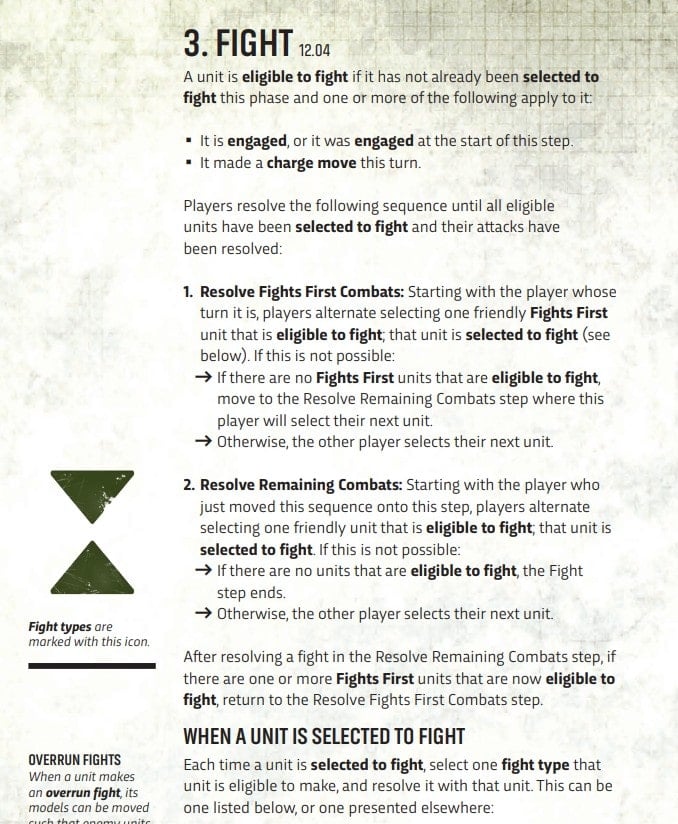
In a wild turn of events, the player whose turn it is now activates first in the Fight phase. Yes, even against Fights First, but you still alternate picks (after the first), so in a way, it gives more options to interrupt depending on how many units are in combat. Gw mentioned things like Custodes Wardens can still have the rule on paper, but if your opponent is the one charging, their unit swings before yours.
This is a massive change for tons of competitive melee lists that rely fully on this rule because Fights First armies have been an easy list-building hack for two editions running. But now the rule is conditional on the turn, not on the keyword, and that completely changes when you commit a Fights First unit forward and when you keep it parked.
Aggressive armies will be more rewarded for better positioning against armies sitting back and waiting. Conversely, reactive lists that are built around the Fights First counter-punch will have some real decisions to make.
Terrain Got the Biggest Glow-Up of the Edition
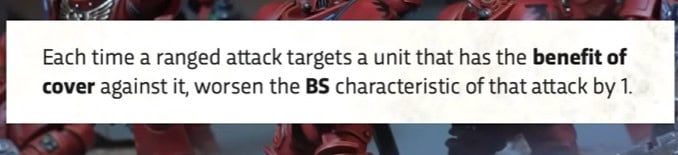 The terrain rework is the single biggest mechanical change in the rulebook because cover is no longer a +1 to your save its -1 BS for the shooter. Which ends up being a flat damage cut against every shooting army at the table, not the save-roll lottery the old system gave you.
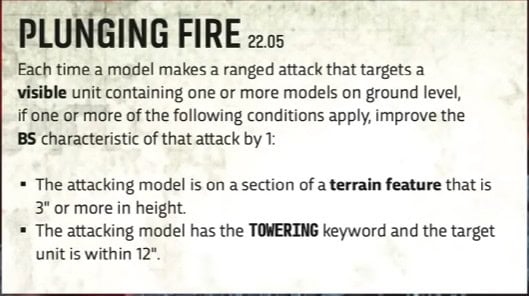
Also, now, Plunging Fire is the flip side in a way, granting +1 BS when you’re shooting down from height. So now you’ve got two stacked modifiers that turn the board into a real positioning puzzle, and on top of that, ruin levels matter again for the first time since 8th edition.
 Infantry, Beasts, and Swarms can also hide in cover, blocking line of sight unless they recently fired. So the gunline army no longer parks Devastators in a ruin and pings the whole table; either they shoot and reveal themselves, or they stay hidden and relatively safe.
We go over all this in the new 11th edition terrain rules post, which breaks down the rumor-vs-confirmed timeline if you want the long history.
Objective Markers Are Gone (Yes, Really)
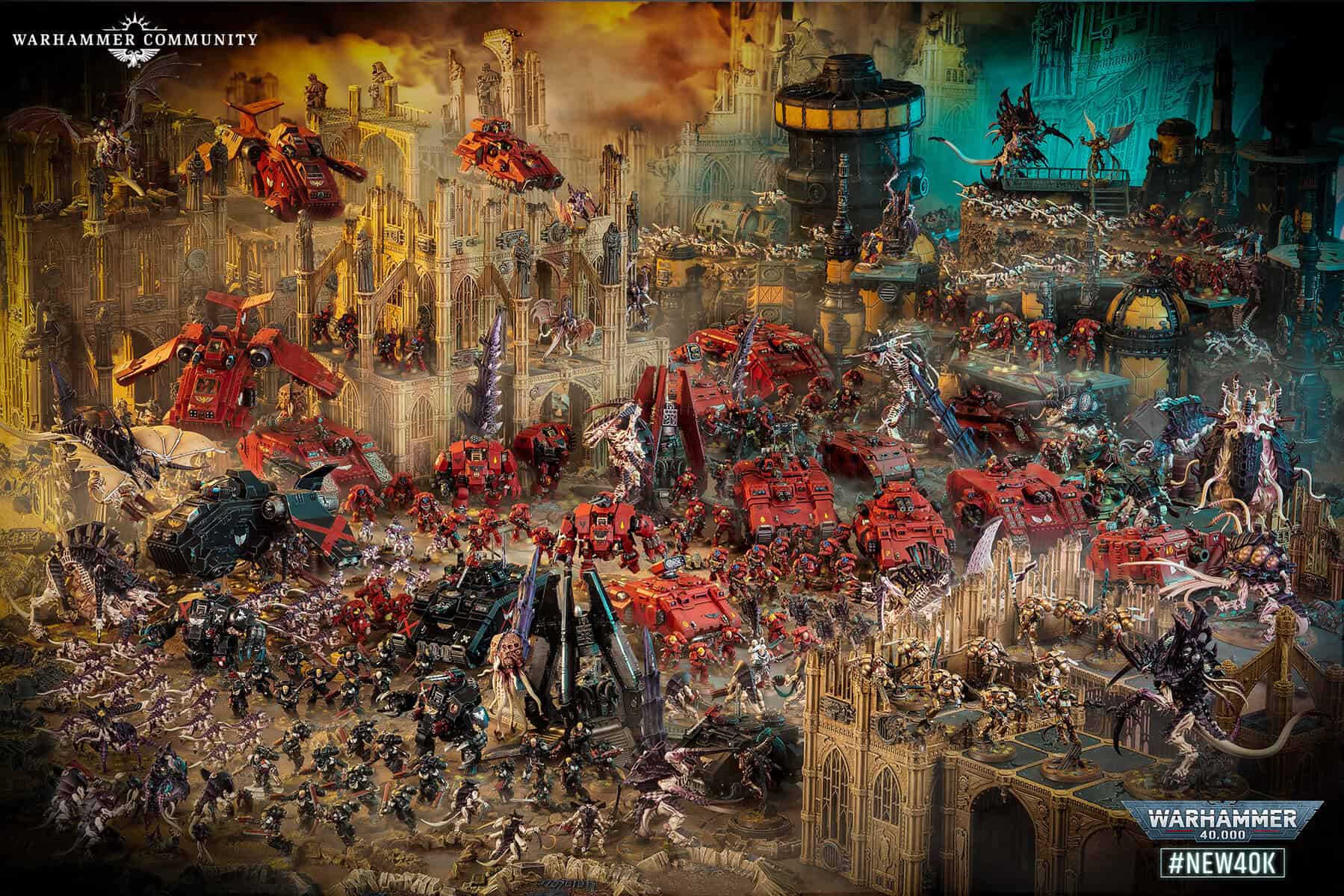
Missions in 11th edition now revolve around taking, holding, and cleansing terrain pieces. Those circle-shaped objective markers that have been a fixture since 7th edition are finally out.
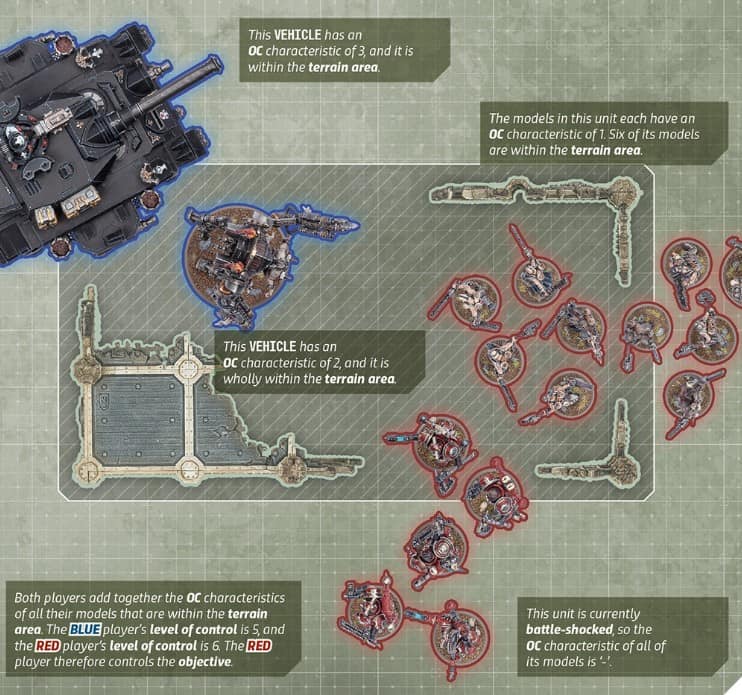
Now, your terrain piece IS the objective. This change folds the terrain rework and the mission design together into one connected system, which is probably why GW front-loaded both reveals. It also means the “park a guy on the dot” cheese is gone, because you actually have to control the building.
For event organizers, this is going to mean they might have to rework their entire terrain set up, but for casual players, it’s going to mean fewer arguments about whether the model is touching the marker.
Stratagems, Reserves, Transports, Battle-Shock: The Rapid-Fire Round
A bunch of smaller changes round out the rulebook, but a lot of them have serious in-game impact.
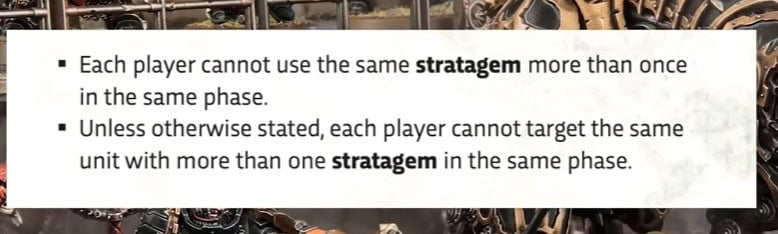
First up is a massive one: you can only use one stratagem per unit per player per phase. That’s a hard cap on the stratagem stacking that defined late-10e competitive play. We had heard about it first when the stratagem overhaul was rumored back in May, and it landed exactly as predicted. So, list-builders who leaned on multi-strat combos in a single phase are going to need new tricks.
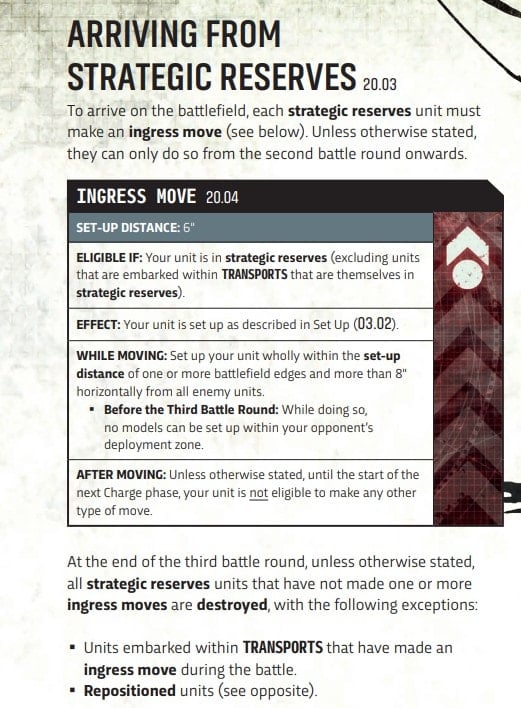 Reserves also now arrive 8 inches away from enemies instead of 9. So the math on a deep-strike charge just got more reachable, which is going to make reserve-heavy lists excel a bit more across the board.
 Transports got a real rework, too, because units can disembark from surrounded transports straight into combat, but they take penalties for it (you take Mortal Wounds on a 1-2). So Rhino-rush plays still work; you just pay for them when they go sideways so to speak.
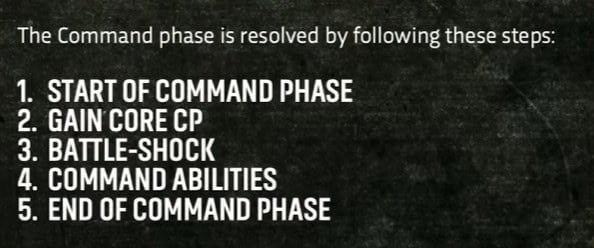 Battle-shocked units now test in the Command phase to recover, which is a big quality-of-life boost for battle-shock-focused armies. Plus, leaders even keep their unit’s buffs after bodyguards die.
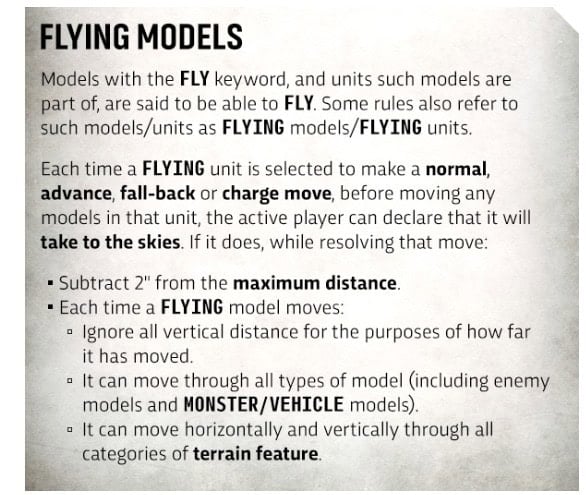 Fly got simplified, which is cool. Aircraft now act more like Reserves, which is going to take some getting used to, but cleans up a whole pile of edge cases. GW’s been leaning toward this for two FAQ cycles, so the Q&A reveals from earlier in the year called most of these, to be honest.
Meet Cleave, the New Melee Blast Keyword
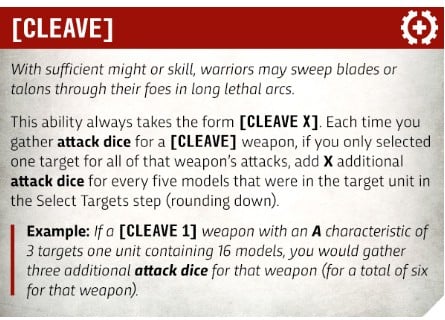
Cleave is the brand new melee keyword, and it’s basically the Blast for combat rule that we knew about early on in the previews. Now weapons with Cleave get bonus attacks against larger units, which gives chainsword-heavy infantry a real answer to horde armies without dragging in a flamer-tax slot.
Overall, Cleave feels like one of those rules that’ll quietly shape lists throughout the entire edition, turning melee squads into horde blenders and giving duelists a real way to clear screens.
We’ll see how GW points it once codexes start dropping, but the framework is in the rulebook now.
Final Thoughts on 40k 11th Edition Rules
The 40k 11th edition rules are free, and they’re 19 days ahead of the Armageddon box pre-order, which starts this Saturday. If so, it looks like these new rules follow GW’s normal edition cycle, which makes 11th just a cleanup of the rules, and 12th will be where we get giant changes to the core game once again.
But luckily, these look pretty solid so far. Charges, fights, terrain, and objectives all received great rewrites that may take six months of FAQ work to fully settle, but that’s the way it goes with these things, regardless.
Expect the first errata cycle within 60 days (because GW never releases anything without an FAQ in their back pocket), with Tournament TO potentially running their own ruling docs at major events until GW formalizes the early calls.
After Armageddon, Orks and Space Marines are the next obvious armies to get codexes and more minis, but once they drop, the roadmap is wide open in a brand-new edition!
Either way, the rulebook is in your hands today, and the RAI vs RAW arguments start tomorrow!
🔗 Related Reads:
- See All the Latest 11th Edition Rules Changes Here
- 11th Edition Armageddon Starter Set Contents
- New 11th Edition Terrain Rules
- New Charge and Fight Phase Rules
- Stratagem Changes in 11th Edition
- GW’s 11th Edition Q&A