40k’s best Space Marine chapters explained: First Founding, successors, and why each chapter fights the way it does. Plus tips for choosing yours.
Picking a Space Marine Chapter is not just “what color looks coolest on the shelf.” It’s really a question of how you want to win games: disciplined gunlines, hyper-aggressive melee pressure, sneaky hit-and-run nonsense, or something in between.
That’s also what our “ranked” list means. We’re ranking Chapters by how clearly they deliver a signature playstyle on the tabletop, plus how reliable their go-to tactics and standout units are when you actually put dice to it.
You’ll see the usual icons, like Ultramarines, Blood Angels, and Dark Angels, because this is a playstyle picker focused on the most famous Chapters, not a complete catalog of every successor with a cool badge.
Everything here pulls from the sources that matter, including GW codices, Black Library stories, and campaign / narrative style books, then translated into practical “here’s how they play” advice.
Want to find a chapter fast? Use the table of contents and the jump list to skip straight to the ones that match your preferred playstyle.
What Are the “Main” Space Marine Chapters?
Updated on February 8th, 2026, with the latest on each chapter.
 When people say the “main” Space Marine Chapters, they usually mean the First Founding. That’s the original nine loyalist Chapters that set the template for basically everything that came after, including most successor Chapters.
On top of those, you’ll also see a small handful of major non-First Founding standouts treated like “main” Chapters too (think Black Templars), because they’re everywhere in the lore, show up constantly on the tabletop, and have a big, recognizable identity that new players actually run into.
All Space Marine Chapters and Famous Warhammer 40k Chapters
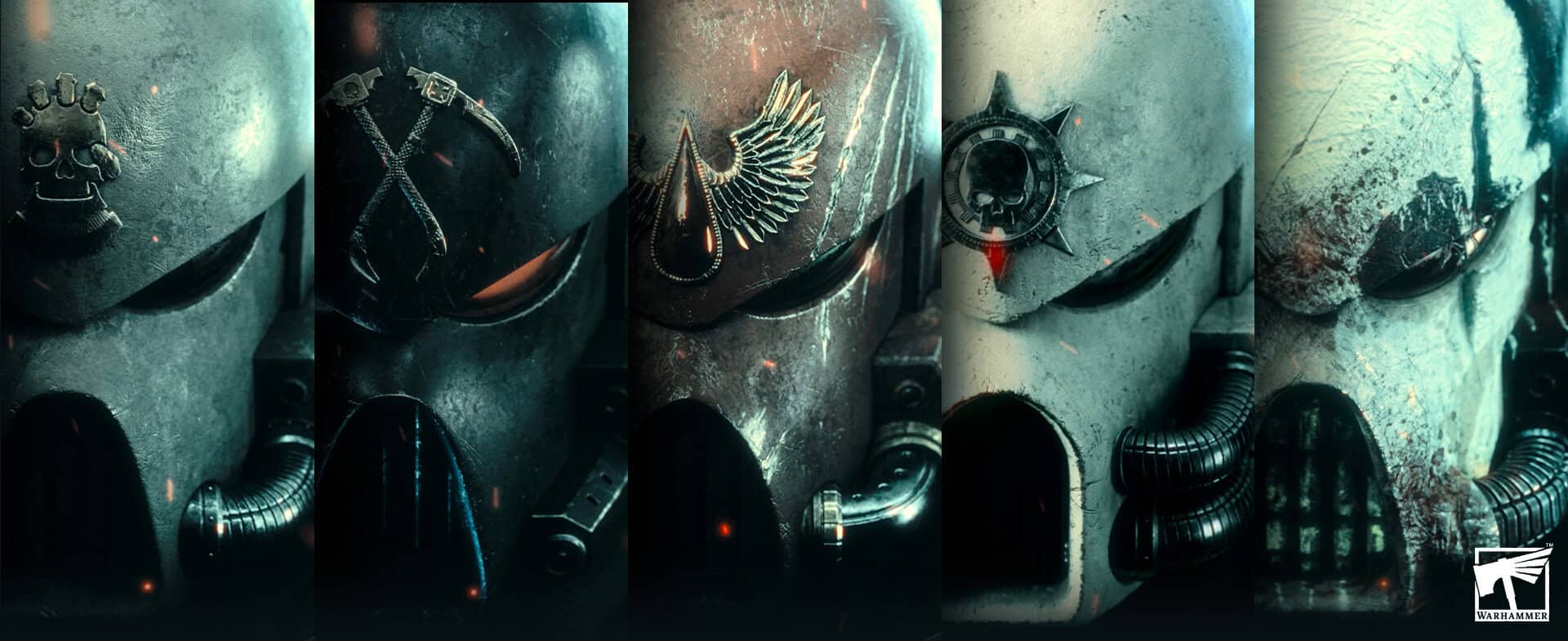 Space Marines are a huge slice of Warhammer 40k, both in the lore and on the shelf.
Before you hit the jump links, you should know that this page has a ranked shortlist of the most famous Chapters to start with as a playstyle picker, plus a separate lineage reference for gene-lines and origins.
It’s not an exhaustive, ranked list of every named successor chapter in Warhammer 40k.
🔗 Jump to Sections
- Blood Angels
- Space Wolves
- Ultramarines
- Black Templars
- White Scars
- Imperial Fists
- Dark Angels
- Raven Guard
- Salamanders
| Space Marine Chapters | Gene-line (Primarch) | Founding | Notes |
| Dark Angels | Lion El’Jonson | First Founding | The Unforgiven |
| Angels of Absolution | Lion El’Jonson | Successor | Unforgiven |
| Angels of Redemption | Lion El’Jonson | Successor | Unforgiven |
| Angels of Vengeance | Lion El’Jonson | Successor | Unforgiven |
| Consecrators | Lion El’Jonson | Successor | Relic-heavy, old-school |
| Disciples of Caliban | Lion El’Jonson | Successor | Unforgiven |
| Guardians of the Covenant | Lion El’Jonson | Successor | Unforgiven |
| Knights of the Raven | Lion El’Jonson | Successor | Ravenwing style |
| Star Phantoms | Unconfirmed | Successor | Often speculated Dark Angels, not confirmed |
| Space Wolves | Leman Russ | First Founding | Fenrisian |
| Wolf Brothers | Leman Russ | Successor | Defunct (failed founding) |
| Imperial Fists | Rogal Dorn | First Founding | Siege experts |
| Black Templars | Rogal Dorn | Successor | Crusading Chapter |
| Crimson Fists | Rogal Dorn | Successor | Rynn’s World |
| Excoriators | Rogal Dorn | Successor | Known for endurance |
| Fists Exemplar | Rogal Dorn | Successor | Classic successor |
| Iron Knights | Rogal Dorn | Successor | Dorn-line |
| Soul Drinkers | Unconfirmed/Contested | Successor | Traditionally linked to Dorn, but disputed |
| Blood Angels | Sanguinius | First Founding | Red Thirst, Black Rage |
| Angels Encarmine | Sanguinius | Successor | Blood Angels successor |
| Angels Sanguine | Sanguinius | Successor | Blood Angels successor |
| Blood Drinkers | Sanguinius | Successor | Blood Angels successor |
| Flesh Tearers | Sanguinius | Successor | Extremely aggressive |
| Lamenters | Sanguinius | Successor | Notorious bad luck |
| Knights of Blood | Sanguinius | Successor | Extremes, later disgraced |
| Ultramarines | Roboute Guilliman | First Founding | Codex standard |
| Novamarines | Roboute Guilliman | Successor | Classic Ultramarines successor |
| Genesis Chapter | Roboute Guilliman | Successor | Close ties to Ultramar |
| Mortifactors | Roboute Guilliman | Successor | Death-cult flavor |
| Praetors of Orpheus | Roboute Guilliman | Successor | Orpheus sector wars |
| Silver Skulls | Roboute Guilliman | Successor | Augury and heraldry |
| White Consuls | Roboute Guilliman | Successor | Ultramarines doctrine |
| Emperor’s Spears | Roboute Guilliman | Successor | Elara’s Veil, tribal culture |
| Howling Griffons | Roboute Guilliman | Successor | Iconic quartered colors |
| Celestial Lions | Roboute Guilliman | Successor | Noted for heavy losses |
| Iron Snakes | Roboute Guilliman | Successor | Ithaka, small-unit focus |
| Raven Guard | Corvus Corax | First Founding | Stealth and strikes |
| Raptors | Corvus Corax | Successor | Pragmatic tactics |
| Revilers | Corvus Corax | Successor | Raven Guard successor |
| Carcharodons | Unconfirmed | Successor | Often speculated Corax-line, not confirmed |
| Salamanders | Vulkan | First Founding | Forge-craft, humanitarian |
| Black Dragons | Vulkan | Successor | Mutation issues, loyal |
| Dark Krakens | Vulkan | Successor | Salamanders successor |
| Covenant of Fire | Vulkan | Successor | Promethean cult themes |
| Iron Hands | Ferrus Manus | First Founding | “The flesh is weak” |
| Brazen Claws | Ferrus Manus | Successor | Iron Hands successor |
| Red Talons | Ferrus Manus | Successor | Iron Hands successor |
| Sons of Medusa | Ferrus Manus | Successor | Noted internal schism history |
| White Scars | Jaghatai Khan | First Founding | Speed and hit-and-run |
| Marauders | Jaghatai Khan | Successor | White Scars successor |
| Mantis Warriors | Jaghatai Khan | Successor | Badab War history |
| Doom Eagles | Jaghatai Khan | Successor | Often linked to Scars line |
| Hammers of Dorn | Rogal Dorn | Successor | Dorn successor |
| Sons of Dorn | Rogal Dorn | Successor | Dorn successor |
| Astral Knights | Unconfirmed | Successor | Famous doomed last stand |
| Exorcists | Unconfirmed | Successor | Daemon-fighting reputation, origins murky |
| Minotaurs | Unconfirmed | Successor | Gene-line unclear |
| Red Scorpions | Unconfirmed | Successor | Purity-obsessed, gene line not confirmed |
| Relictors | Unconfirmed | Successor | Controversial relic use |
| Marines Malevolent | Unconfirmed | Successor | Infamous collateral damage attitude |
| Crimson Castellans | Unconfirmed | Successor | Gene-line not broadly confirmed |
| Grey Knights | Special (Emperor’s gene-seed) | Special | Not a standard Founding label |
| Deathwatch | Mixed | Special | Ordo Xenos, kill-team formations |
The First Founding and Chapter Lineage of Warhammer Space Marine Chapters
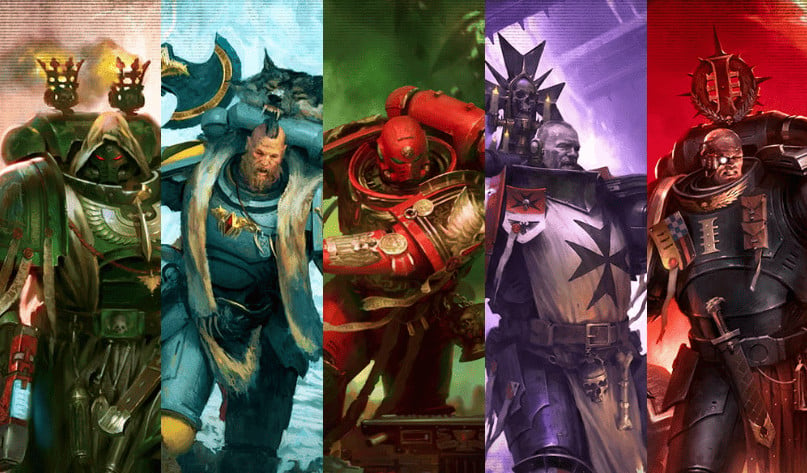 Space Marines are the top-tier warriors of the Imperium created by the Emperor himself. They are genetically upgraded super-soldiers committed to shielding humanity from the countless horrors lurking in the galaxy. If you’ve glanced into the shadowy chaos of Warhammer 40k, you know these guys are the cream of the crop, the ultimate badasses.
But here’s a twist: there are tons of chapters of these battle-hardened heroes, each rocking its own vibe and personality. Get ready for a whirlwind journey through the many Space Marine chapters, their backstories, quirks, and tips for leading them to victory on the battlefield.
While there are possibly thousands of Space Marines floating around the Imperium of Man, these were the chapters of the first founding.
This table includes both loyalist and traitor Legions for quick lineage context, since Chapter bloodlines and 40k history do not stop neatly at “the good guys.”
| Legion | Name | Primarch |
| I | Dark Angels | Lion El’Jonson |
| II | [Information expunged] | [Information expunged] |
| III | Emperor’s Children | Fulgrim |
| IV | Iron Warriors | Perturabo |
| V | White Scars | Jaghatai Khan |
| VI | Space Wolves | Leman Russ |
| VII | Imperial Fists | Rogal Dorn |
| VIII | Night Lords | Konrad Curze |
| IX | Blood Angels | Sanguinius |
| X | Iron Hands | Ferrus Manus |
| XI | [Information expunged] | [Information expunged] |
| XII | World Eaters | Angron |
| XIII | Ultramarines | Roboute Guilliman |
| XIV | Death Guard | Mortarion |
| XV | Thousand Sons | Magnus the Red |
| XVI | Luna Wolves (later Sons of Horus, then Black Legion) | Horus Lupercal |
| XVII | Word Bearers | Lorgar |
| XVIII | Salamanders | Vulkan |
| XIX | Raven Guard | Corvus Corax |
| XX | Alpha Legion | Alpharius Omegon |
A lot of the Space Marine Chapters you see in 40k are successor Chapters (especially when people are just playing with the main codex and painting their armies to be something different), meaning they’re descended from one of these gene-lines. They might wear different colors and have their own quirks, but the bloodline usually explains a lot about how they fight and why they act the way they do.

Now, let’s jump into some of the most significant Space Marine chapters in 40k that remained loyal to the Emperor after the Horus Heresy.
Famous Space Marine Chapters and Their Playstyles
Quick note before the rankings: this list is sorted by playstyle fit and how clearly each Chapter delivers its signature game plan, not a universal “strongest Chapter” tier list for every meta and matchup. Especially with how often GW changes and updates rules, the actual ranking of who’s better in the current meta changes all the time.
#1 Blood Angels: Melee Pressure and Hero Plays
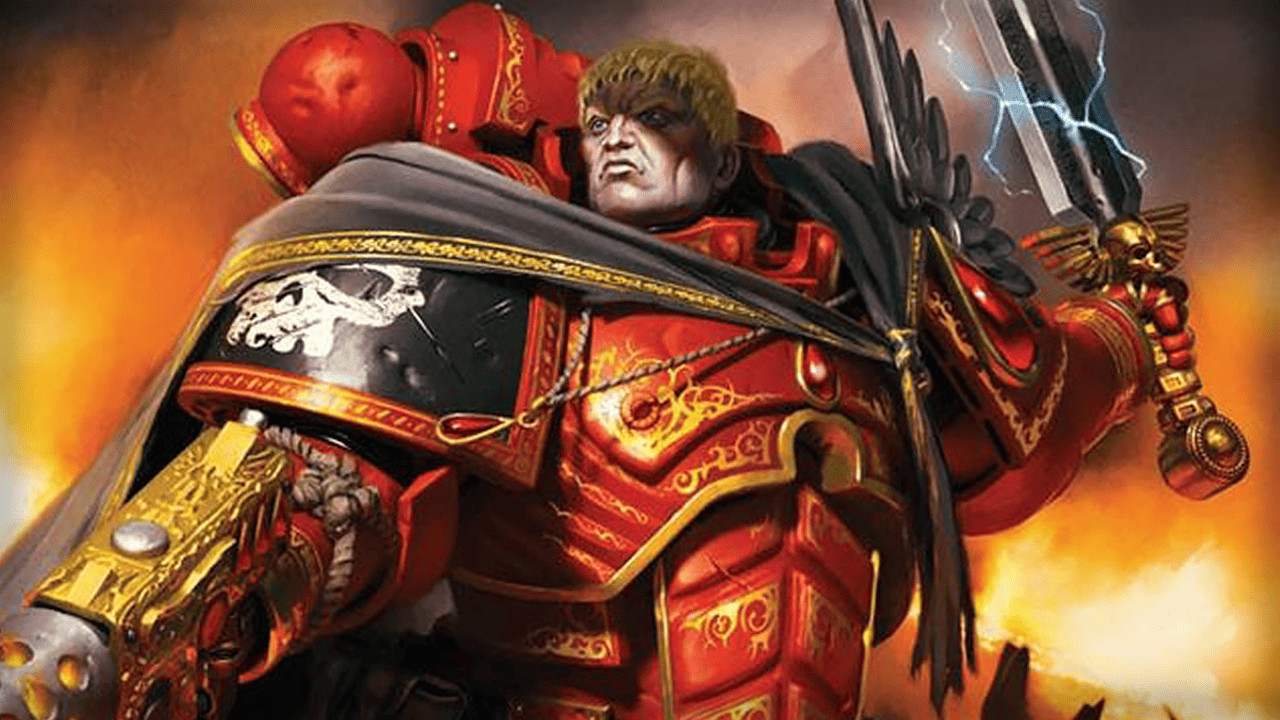 The Blood Angels are tragic nobles of the Imperium, beautiful, deadly, and one bad day away from drinking your blood mid-battle. Their curse gives them style points and a short fuse.
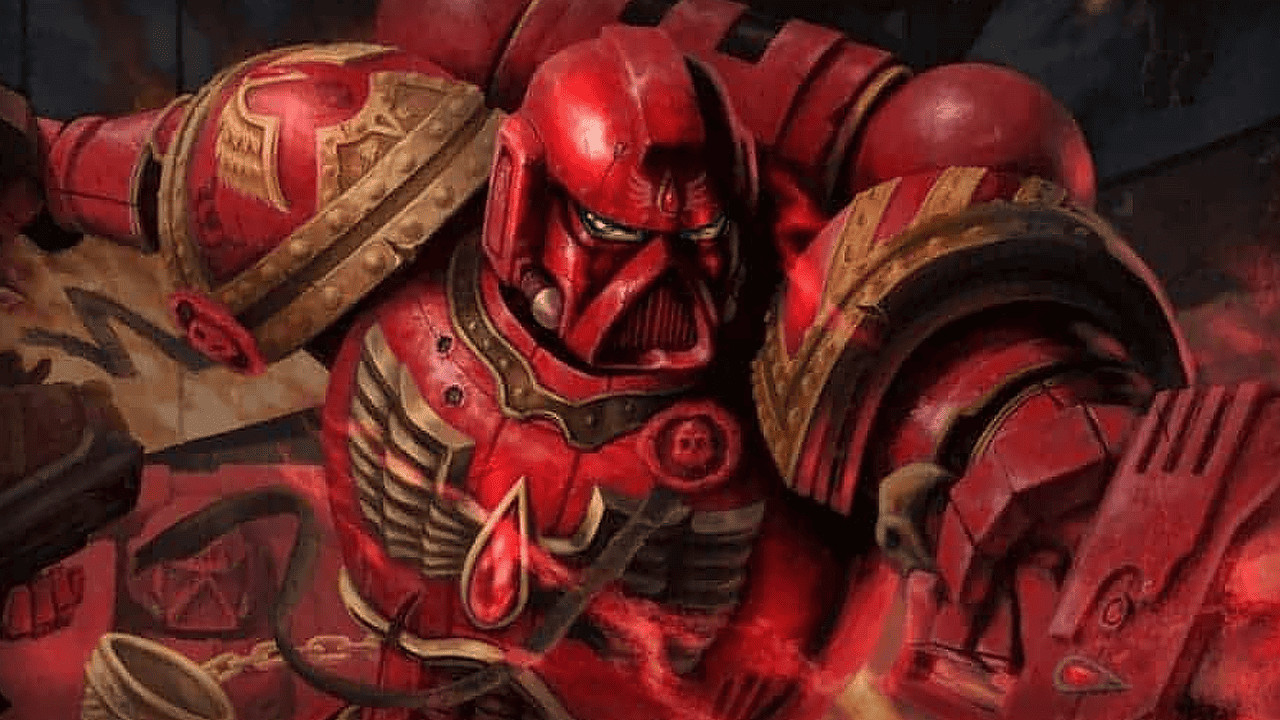 Playstyle:
- Lightning-fast charges that hit like a thunder hammer.
- Stack buffs for cinematic melee moments.
- Reward bold movement and aggressive positioning.
Key Units:
- Sanguinary Guard – gold-clad angels of death.
- Death Company – pure rage in power armor.
- Baal Predator – fast, mean, and flame-happy.
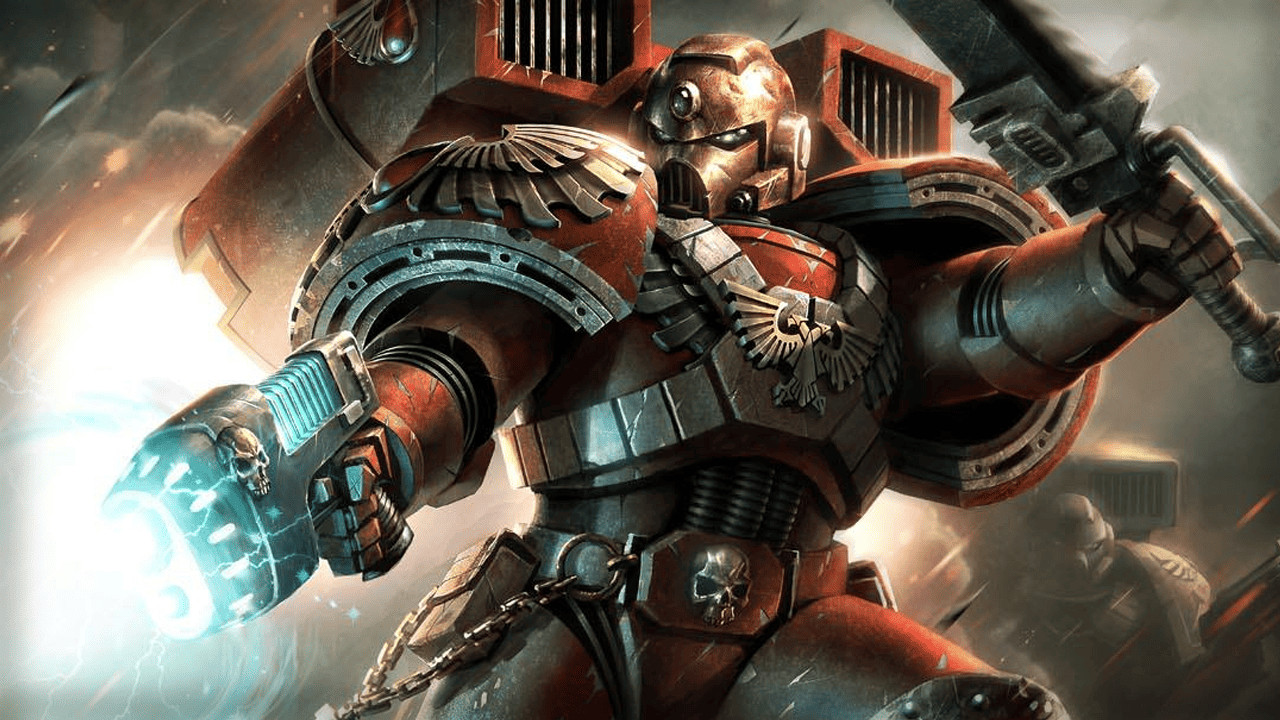
- Gene-line: Sanguinius
- Homeworld: Baal (Baal System)
- Chapter Master: Commander Dante
- Specialties: shock assault, elite melee, jump pack warfare
- The Catch: the Red Thirst and the Black Rage, because nothing says “heroic” like occasionally going feral at the worst possible time
#2 Space Wolves: Ferocity and Counterattack Fury
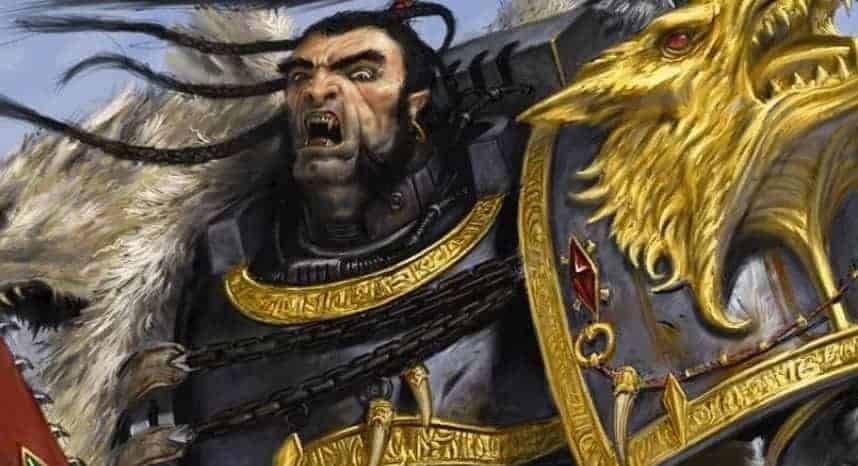 The Space Wolves are everything you’d expect from Fenrisian Vikings in space: loyal, loud, and ready to punch Chaos in the teeth. They fight like a pack, and they always bring the teeth.
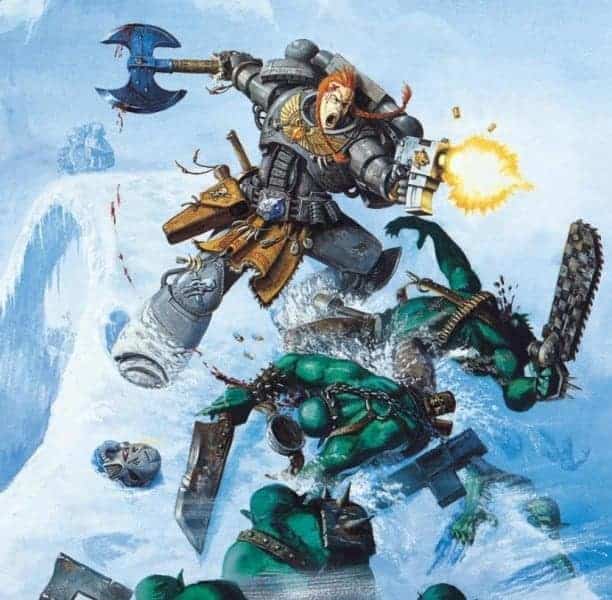 Playstyle:
- Close-range brawlers built for hero duels and brutal counterstrikes.
- Strong synergy between characters and squads.
- Thrive on momentum and timing the perfect charge.
Key Units:
- Thunderwolf Cavalry – yes, Marines riding wolves.
- Wulfen – pure mutation-fueled destruction.
- Long Fangs – the old wolves with the big guns.
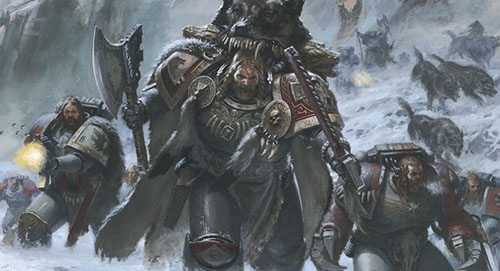
- Gene-line: Leman Russ
- Homeworld: Fenris (Fenris System)
- Chapter Master: Logan Grimnar (the Great Wolf)
- Specialties: close-range brawling, character-led packs, hard-hitting countercharges
- The Catch: they do things their way (Codex be damned), and the Wulfen curse is always lurking in the background
#3 Ultramarines: Balanced and By-the-Book
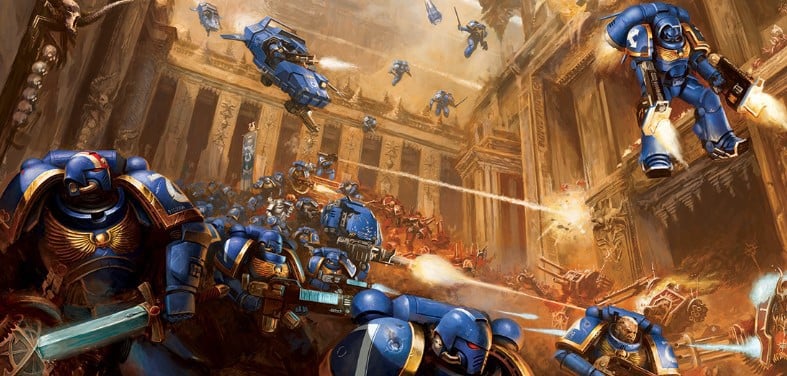
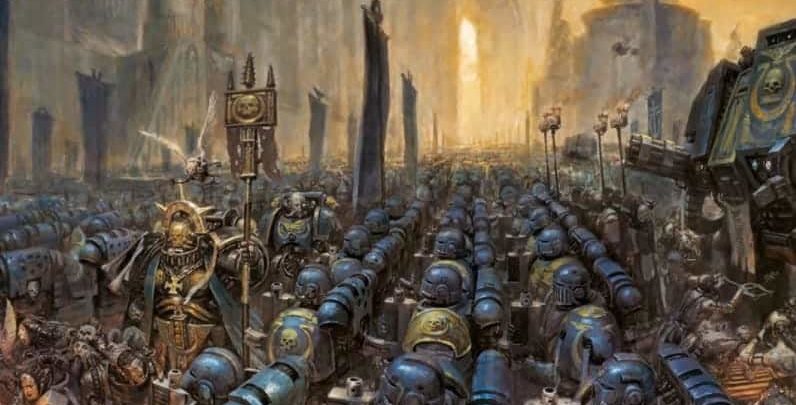 The Ultramarines are the gold standard of Warhammer Space Marine chapters, running the Imperium like a military franchise. Discipline and flexibility keep them at the top of every codex.
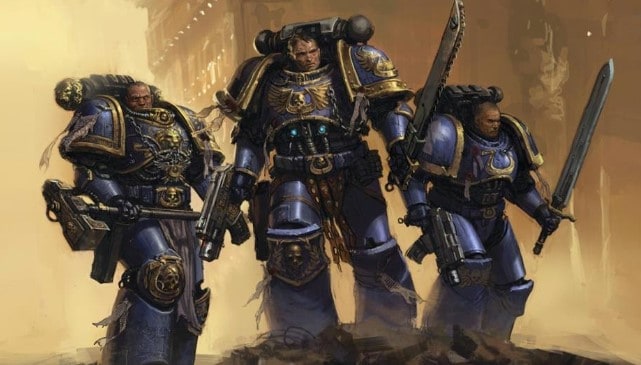 Playstyle:
- Versatile and tactical, great for adapting mid-battle.
- Blend strong shooting with solid board control.
- Win through balance and steady pressure.
Key Units:
- Tactical Squads – the all-purpose workhorses.
- Victrix Guard – Guilliman’s finest.
- Primaris Intercessors – modern Marines that do it all.
- Gene-line: Roboute Guilliman
- Homeworld: Macragge (Ultramar)
- Chapter Master: Marneus Calgar
- Specialties: flexible combined arms, tight battlefield doctrine, steady board control
- The Catch: they are the “default” for a reason, but they reward clean fundamentals more than flashy gimmicks
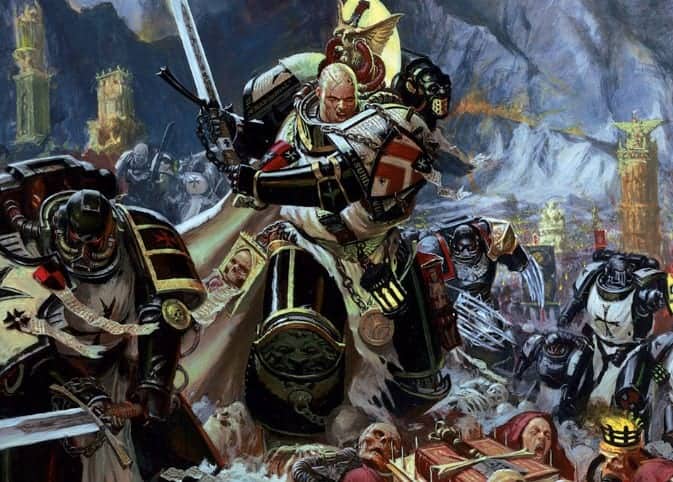
#4 Black Templars: Relentless Crusaders of Faith
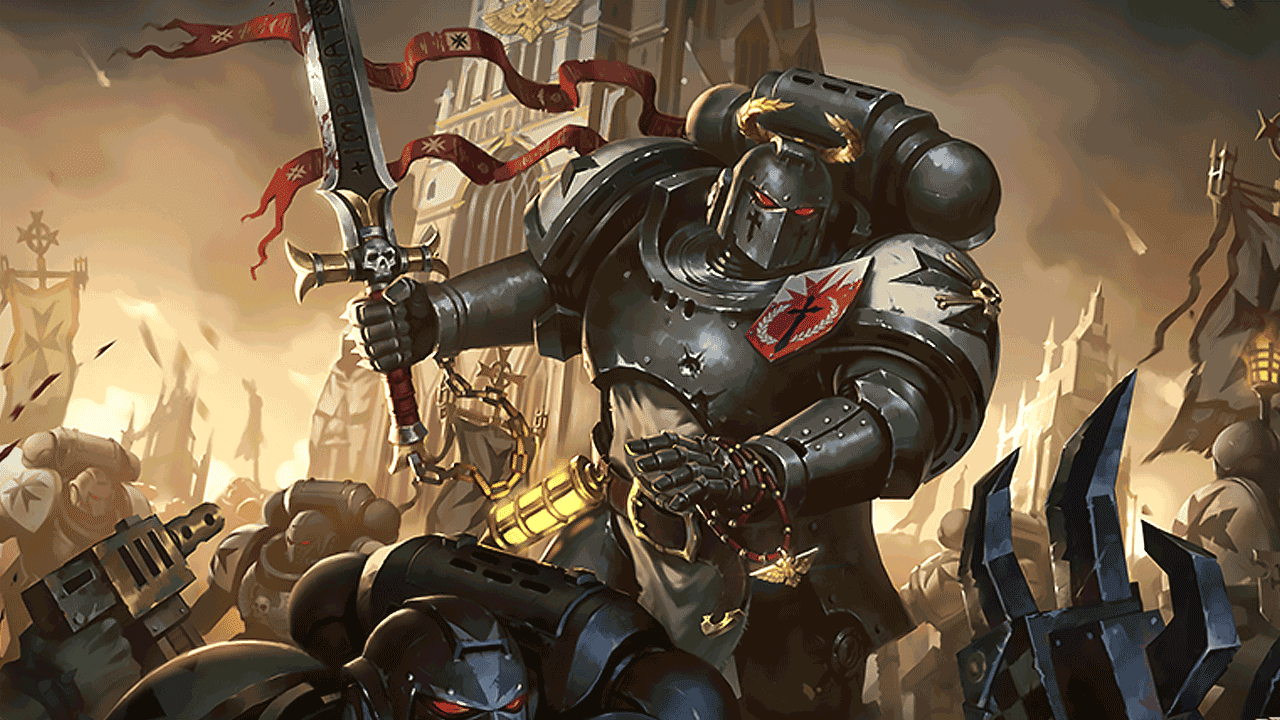 Faith, fury, and chainswords, the Black Templars are one of the most Warhammer 40k famous chapters for a reason. They’ve been crusading nonstop for 10,000 years, and they’re not about to stop now.
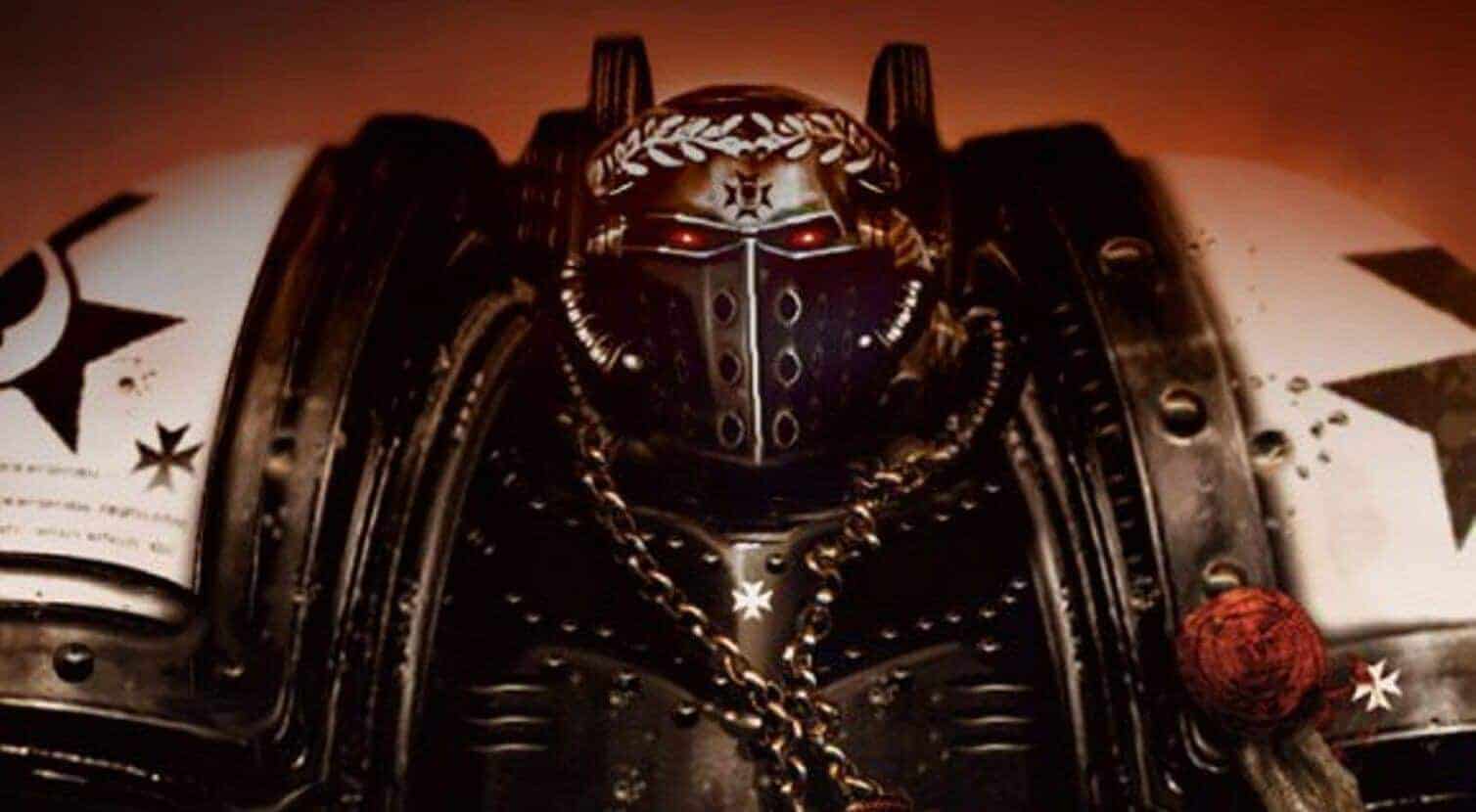 Playstyle:
- Pure melee mayhem with unshakable morale.
- Re-roll charges to ensure they get stuck in.
- Dominate objectives through sheer aggression.
Key Units:
- Crusader Squads – the fearless frontline.
- Sword Brethren – elite zealots with style.
- Emperor’s Champion – the one-man boss fight.
- Gene-line: Imperial Fists (Rogal Dorn)
- Chapter Type: Successor Chapter
- Homeworld: Fleet-based (on crusade)
- Chapter Master: High Marshal Helbrecht
- Specialties: melee pressure, aggressive objective play, stubborn-as-hell morale
- The Catch: they do not do “chill.” You are always either charging, crusading, or picking the next fight.
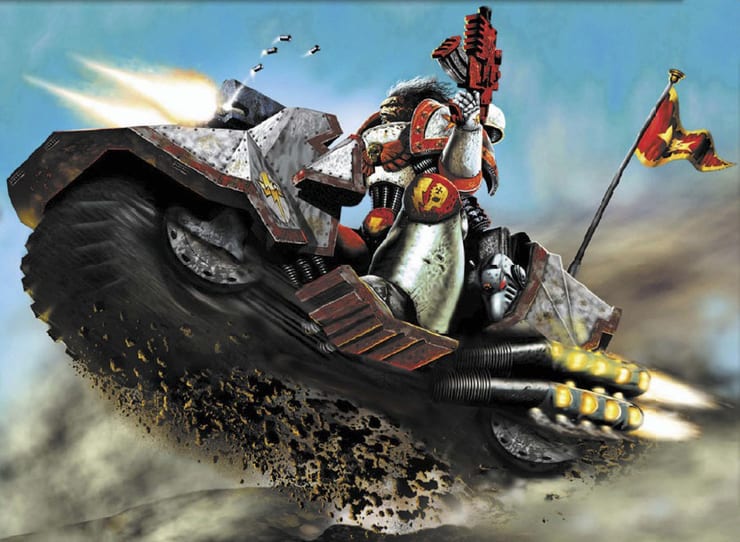
#5 White Scars: Speed, Precision, and Hit-and-Run Chaos
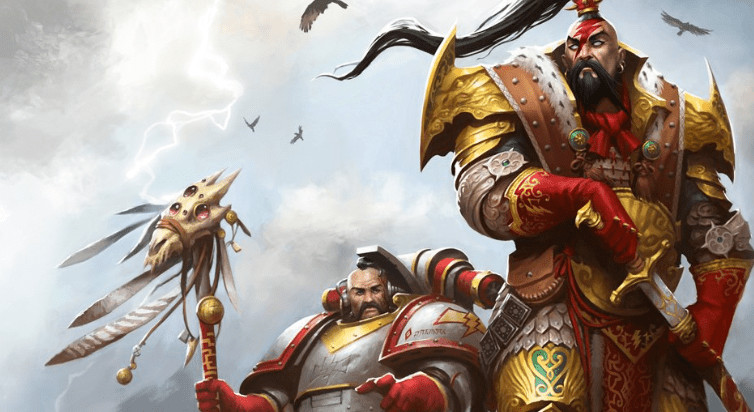 The White Scars are all about freedom, velocity, and shredding the enemy before they know what hit them. The storm-born sons of Jaghatai Khan rule the road across the 40k chapters.
 Playstyle:
- Lightning strikes, fast withdrawals, repeat.
- Control the pace of the match through mobility.
- Punish slow armies and trap static gunlines.
Key Units:
- Bike Squads – classic fast-attack hitters.
- Outriders – bigger bikes, bigger guns.
- Stormtalon Gunships – air cavalry for cleanup duty.
- Gene-line: Jaghatai Khan
- Homeworld: Chogoris
- Chapter Master: Kor’sarro Khan
- Specialties: high-mobility warfare, rapid flanking, hit-and-run pressure
- The Catch: if you get pinned down in a slow grind, you’re playing against your own strengths
#6 Imperial Fists: Firepower and Fortification
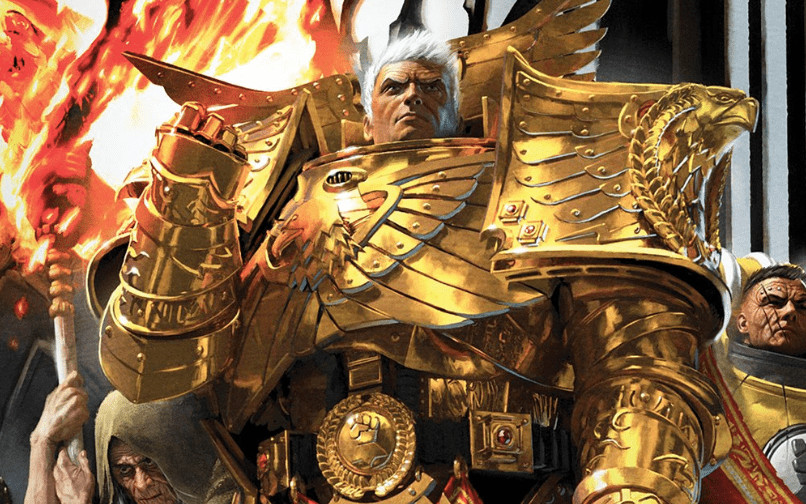 The Imperial Fists are the kings of siege warfare and the definition of “hold the line.” They build walls, break walls, and then shoot through what’s left.
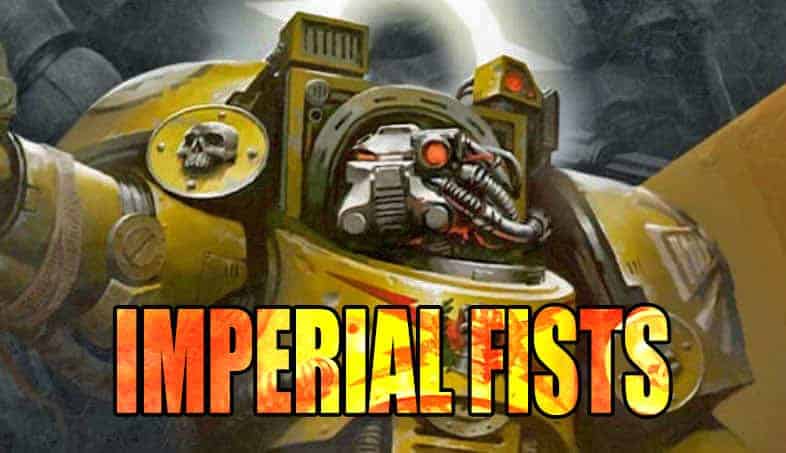 Playstyle:
- Long-range dominance with brutal accuracy.
- Outlast enemies in drawn-out shooting wars.
- Excel at holding ground and denying movement.
Key Units:
- Devastator Squads – your go-to heavy hitters.
- Centurion Devastators – walking bunkers with cannons.
- Terminators – your unbreakable anchors.
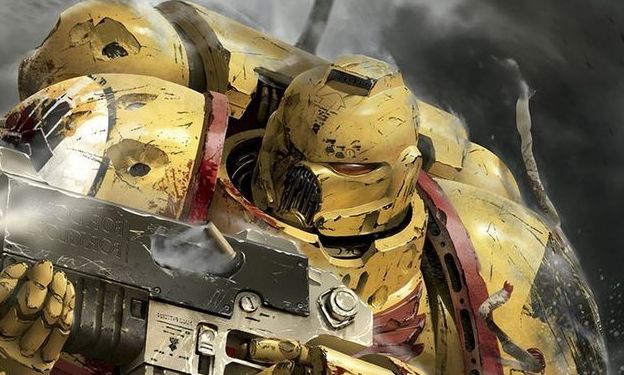
- Gene-line: Rogal Dorn
- Homeworld: Phalanx (fleet-based fortress monastery)
- Chapter Master: Gregor Dessian
- Specialties: siege warfare, defensive gunlines, stubborn objective holding
- The Catch: they win by outlasting you, so if you’re impatient or hate slow, grinding control games, this Chapter will feel like homework with bolters
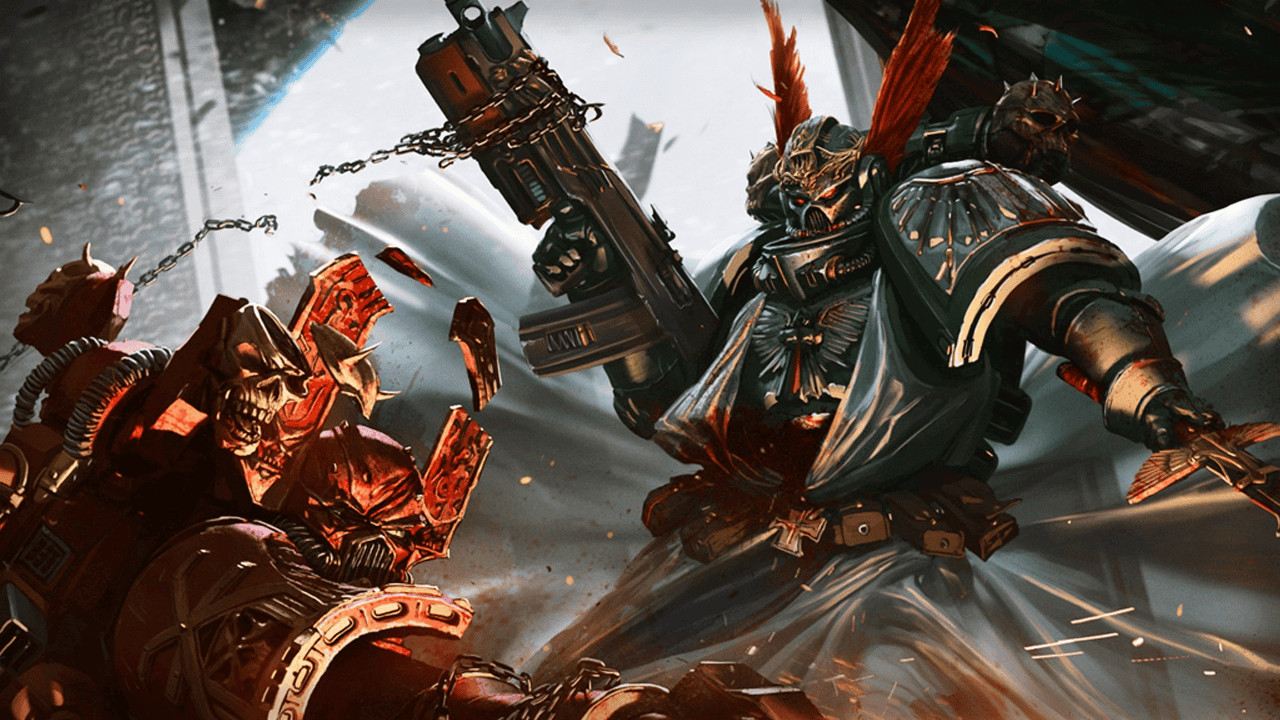
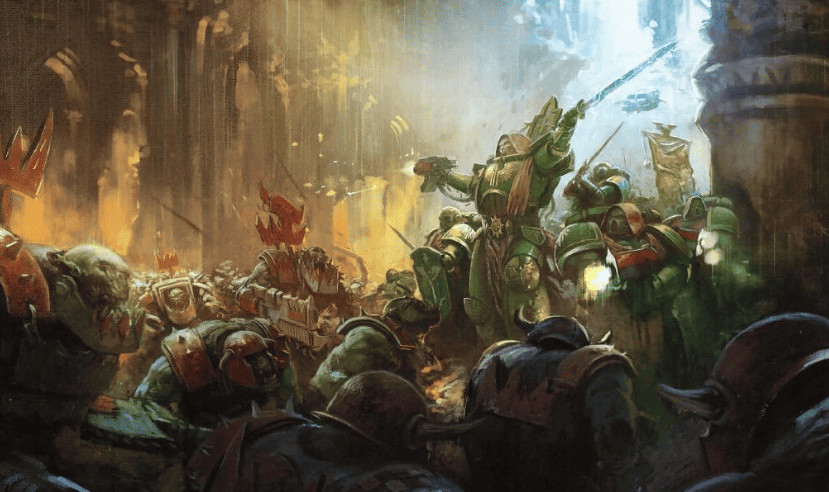
#7 Dark Angels: Secrets, Strategy, and Inner Circle Power
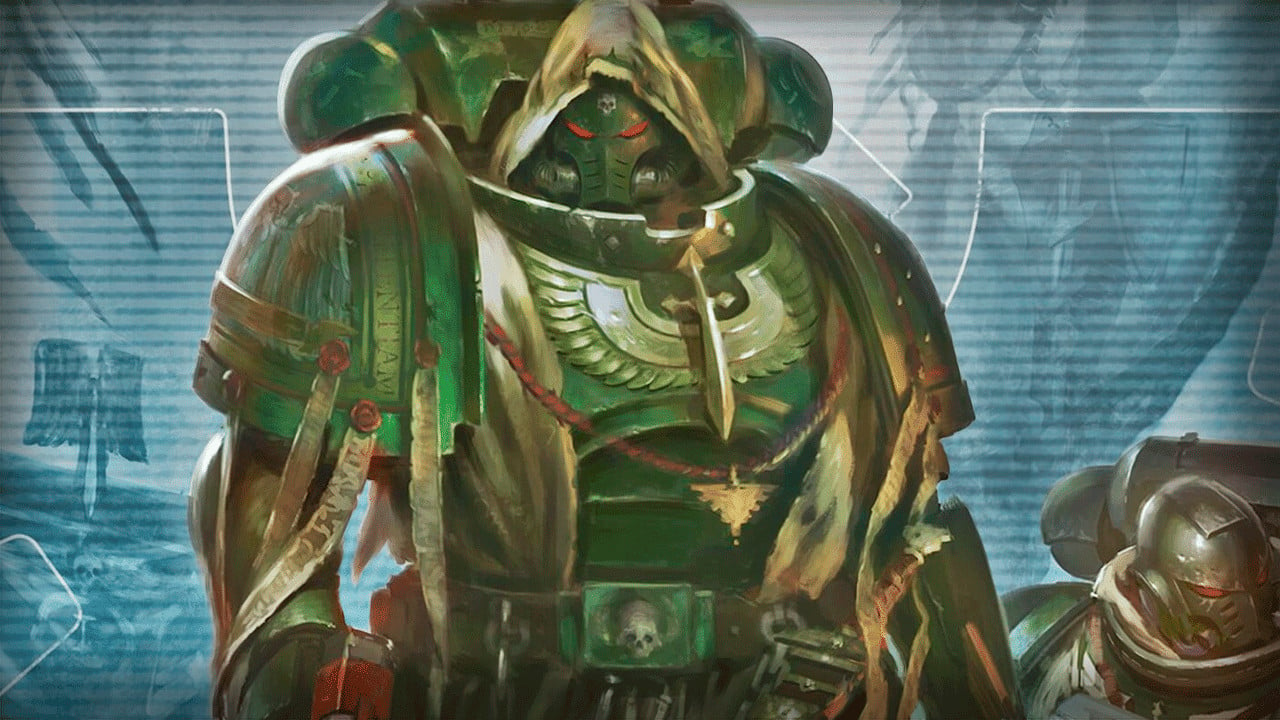
No Warhammer Space Marine chapter carries more secrets or more firepower than the Dark Angels. They are stoic knights with skeletons in the closet and plasma guns in their hands.
 Playstyle:
- Reward patience and precise movement.
- Mix elite Deathwing and fast Ravenwing units.
- Use layered buffs for durable, efficient trades.
Key Units:
- Deathwing Terminators – unstoppable walls of armor.
- Ravenwing Bikers – mobile firebases with style.
- Interrogator-Chaplains – hit like a sermon from orbit.
- Gene-line: Lion El’Jonson
- Homeworld: The Rock (fleet-based fortress monastery, once tied to Caliban)
- Chapter Master: Azrael (Supreme Grand Master)
- Specialties: elite Deathwing anvil, fast Ravenwing hunts, durable combined-arms trades
- The Catch: secrets on secrets, and they will absolutely prioritize their private war over yours if it helps them cover their tracks
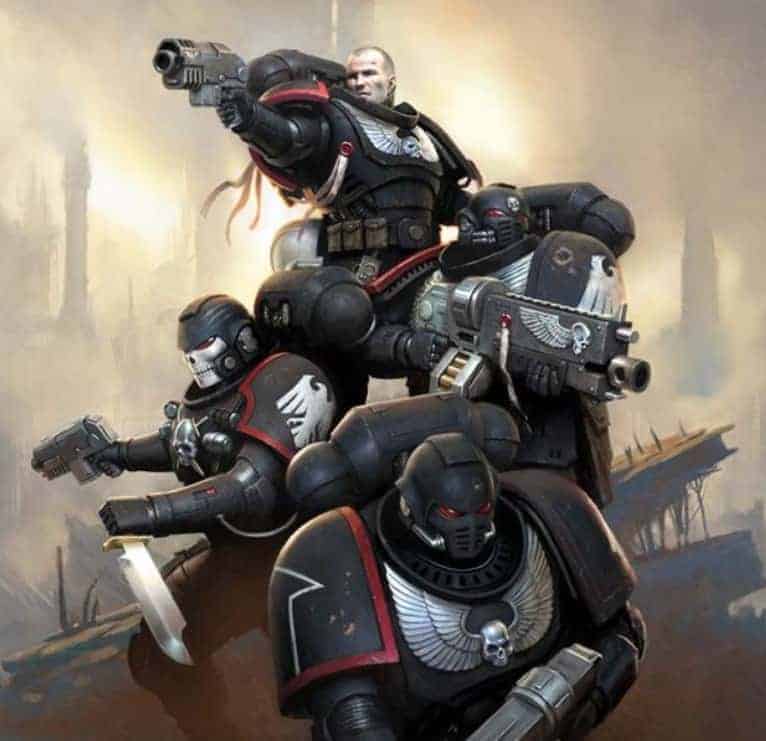
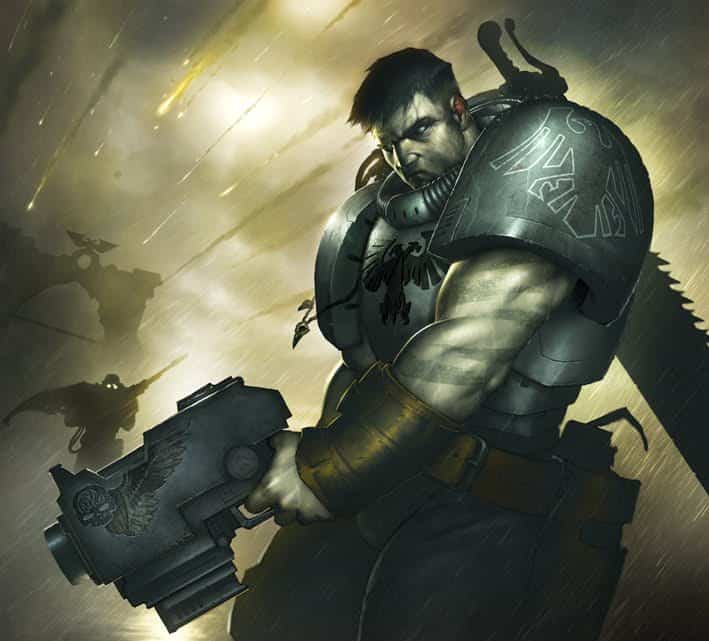
#8 Raven Guard: Stealth and Surgical Strikes
 The Raven Guard live by the “hit fast, vanish faster” motto. These stealth operators define asymmetric warfare among Warhammer 40k famous chapters.
 Playstyle:
- Infiltrate, disrupt, and delete key threats early.
- Excel at ambushes and denying counterattacks.
- Reward cunning movement and shadow play.
Key Units:
- Vanguard Veterans – airborne assassins.
- Infiltrators – stealth specialists for objective grabs.
- Eliminators – silent snipers who ruin big plans.
- Gene-line: Corvus Corax
- Homeworld: Deliverance (Kiavahr)
- Chapter Master: Kayvaan Shrike
- Specialties: stealth strikes, forward deployment, precision assassinations and disruption
- The Catch: if your plan turns into a straight-up brawl, you’re doing it wrong, and you will feel it fast
#9 Salamanders: Fire, Forge, and Brotherhood
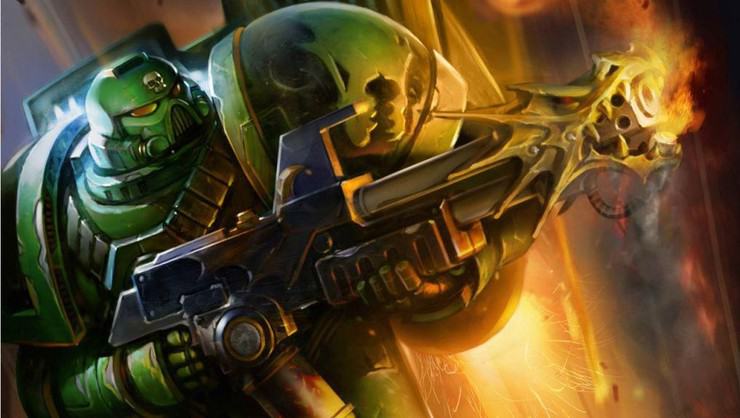 The Salamanders fight with flame, faith, and a whole lot of heart. They’re the good guys of the Warhammer Space Marine chapters, but still bring enough firepower to roast an army.
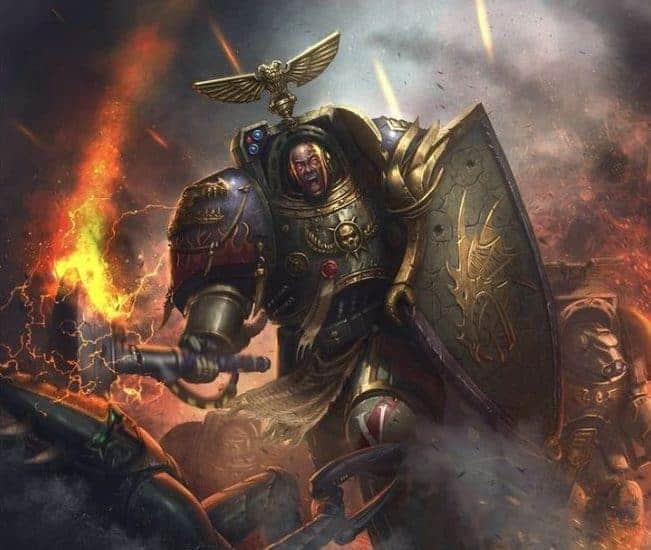 Playstyle:
- Close-range firefights and durable line pushes.
- Overlap flame and melta weapons for brutal synergy.
- Great balance of resilience and stopping power.
 Key Units:
- Flamestorm Aggressors – living infernos.
- Eradicators – tank-melting monsters.
- Pyroclasts – artisans of destruction.
- Gene-line: Vulkan
- Homeworld: Nocturne
- Chapter Master: Tu’Shan
- Specialties: flame and melta warfare, short-range firefights, durable objective pushes
- The Catch: you want to fight up close. If you try to play pure long-range gunline, you’re leaving a lot of their identity on the table
What’s the Strongest Space Marine Chapter?
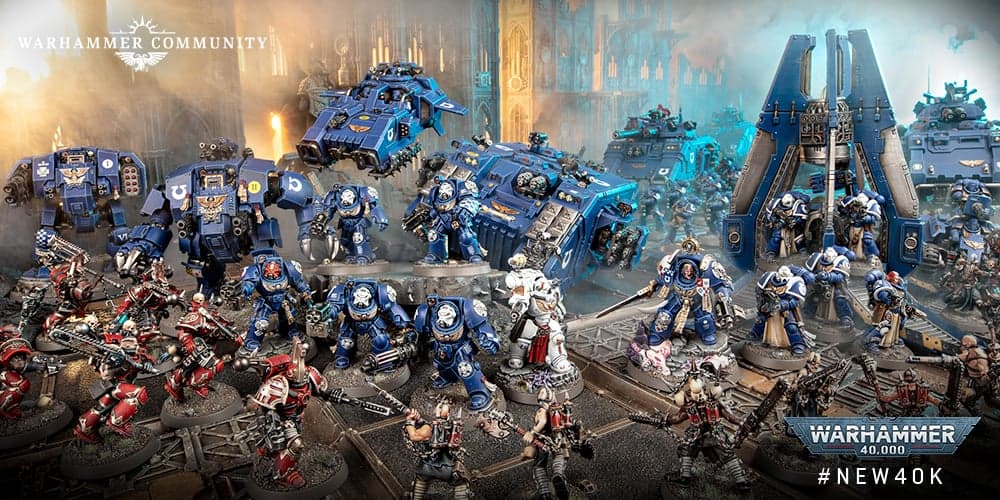 There isn’t one universally “strongest” Space Marine Chapter. In the lore, “strongest” usually means raw resources, influence, and legendary heroes.
On the tabletop, “strongest” changes whenever the rules do. Points updates, detachments, mission packs, and whatever your local meta is spamming this month can flip the pecking order fast.
So, treat “strongest” like a moving target, then use the ranked list above the way it’s intended: pick the Chapter whose playstyle and key units match how you actually want to play, and you’ll get better results than chasing whatever was “best” last balance pass.
What Are Space Marines and How Do Their Chapters Differ in Warhammer 40k
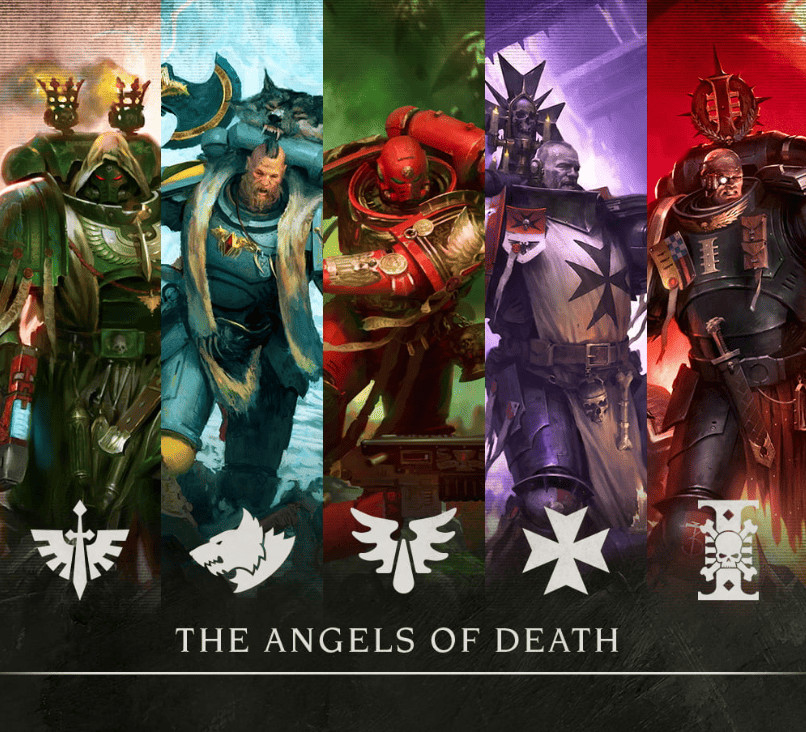
Space Marines are not your average troops. They’re genetically engineered super-soldiers in power armor, built to crash into the worst warzones in the galaxy and solve problems with bolt rounds, chainswords, and zero chill.
Chapters are basically the “brand” of how those Marines fight. Each one has its own culture, battlefield habits, and favorite ways to ruin someone’s day, whether that’s Ultramarines-level discipline, Blood Angels-style aggression, or Space Wolves going full Fenrisian brawl mode.
Rules-wise in tenth edition, that identity usually shows up through detachments, enhancements, and stratagems that push you toward a specific game plan, even if you’re mixing and matching units. So, the Chapter you pick is less about a label on the shoulder pad and more about what playstyle you want to lean into.
Want the full scoop on what Space Marines actually are? Check out our breakdown of 40k’s most famous Space Marines and their larger-than-life lore.
Origins and History of Warhammer 40k Space Marine Chapters
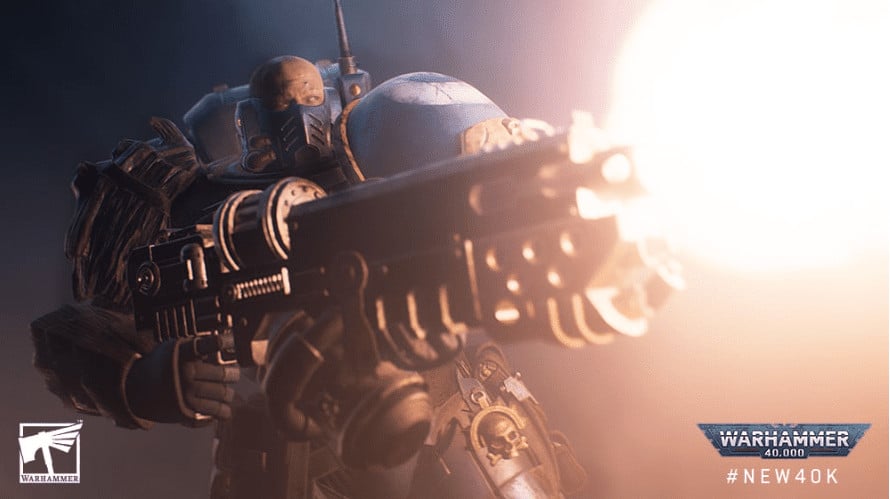
Warhammer’s Space Marine Chapters started with the Emperor’s galaxy-spanning Great Crusade, a grand plan to unite humanity, right up until Horus decided betrayal was more fun. That little family feud, known as the Horus Heresy, blew the Imperium to pieces and gave birth to the chapters we know today.
From that chaos rose the legends of the Adeptus Astartes, genetically forged heroes, walking war machines, and the galaxy’s most iconic warriors. Read the history of the Warhammer 40k chapters here.
Create Your Own Warhammer Space Marine Chapter
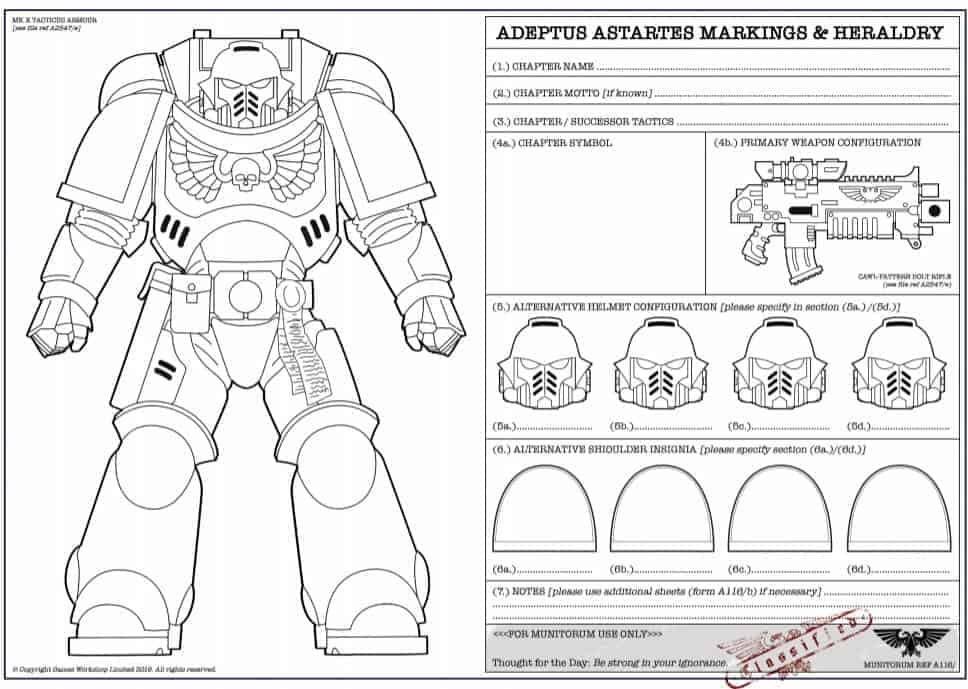 Ready to build lists for Warhammer 40k chapters of Emperor-loving war machines? Grab a name that sounds vaguely Latin, pick a wild color scheme, and call it canon.
For all the lore and inspiration you’ll need to build lists for Warhammer 40k chapters or compare Warhammer Space Marine chapters, check out our full guide to Warhammer Space Marine Chapters.
FAQ: Space Marine Chapters in Warhammer 40k
Which of the Warhammer 40k Space Marine Chapters are the Best For Beginners?
Ultramarines are often recommended for beginners due to their balanced tactics and straightforward gameplay.
Can I Mix Units From Different Warhammer 40k Chapters?
You can mix Space Marine units however you want, and it can look awesome on the table. The key rules takeaway in tenth edition is simple: you pick one detachment, and its rules apply to your entire army, so you are not stacking multiple Chapter rule sets in the same list.
The upside is huge, though. You can paint your Marines in basically any scheme you like, run a custom successor look, or even mix visuals for flavor, then just choose the detachment that matches how you want the army to play.
How Many Space Marines are in a Chapter?
Roughly 1,000 battle-brothers is the classic Codex Astartes benchmark, usually organized into ten companies. In reality, numbers swing all over the place thanks to casualties, long campaigns, recruitment bottlenecks, and Chapters that do not follow the Codex to the letter.
What is the Biggest Space Marine Chapter?
“Biggest” depends on the era and the source. On paper, most Chapters aim for that one thousand-ish target, but some are effectively larger because of unusual organization or a permanent crusade structure. The Black Templars are the poster child here, since they are fleet-based crusaders with forces spread across multiple war zones, making their true headcount a bit of a moving target.
How Many Vehicles Does Each Chapter Have?
There is no fixed number. Chapters maintain armored support as part of their company structure and Chapter-level assets, so the total depends on the Chapter’s resources, doctrine, and what they can keep running. Some lean into armor and artillery, others prefer speed and flyers, and some would rather spend those resources on elite infantry and drop assaults.
Where Can I Find the Latest Rules & Updates For Space Marines?
The Games Workshop website and Warhammer Community site are excellent resources for the latest updates and FAQs. You can also see the latest rule changes, model releases, and more right here!
How Many Space Marine Chapters Are There?
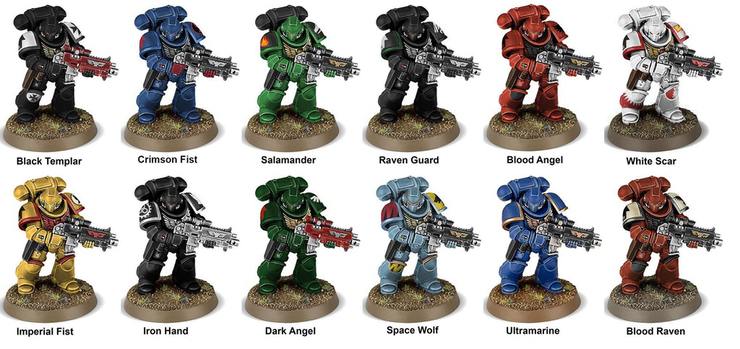
If you’re asking how many Chapters are in the Space Marines, it depends on whether you mean the official paperwork answer or the grimdark reality.
Short answer: There are over one thousand Space Marine Chapters in 40k.
Longer answer: The Imperium officially recognizes around a thousand Chapters, typically aiming for roughly one thousand warriors each under Guilliman’s Codex Astartes model. But between lost records, secret Foundings, suspicious gene-lines, and the Warp doing Warp things, that “one thousand” is less a hard number and more a bureaucratic comfort blanket.
So yeah, officially it’s about a thousand. Unofficially? The galaxy is big, the archives are a mess, and there are definitely Chapters out there painting their armor wild colors and pretending they never got the memo.
Final Thoughts on Choosing Your Space Marine Chapter in Warhammer 40k
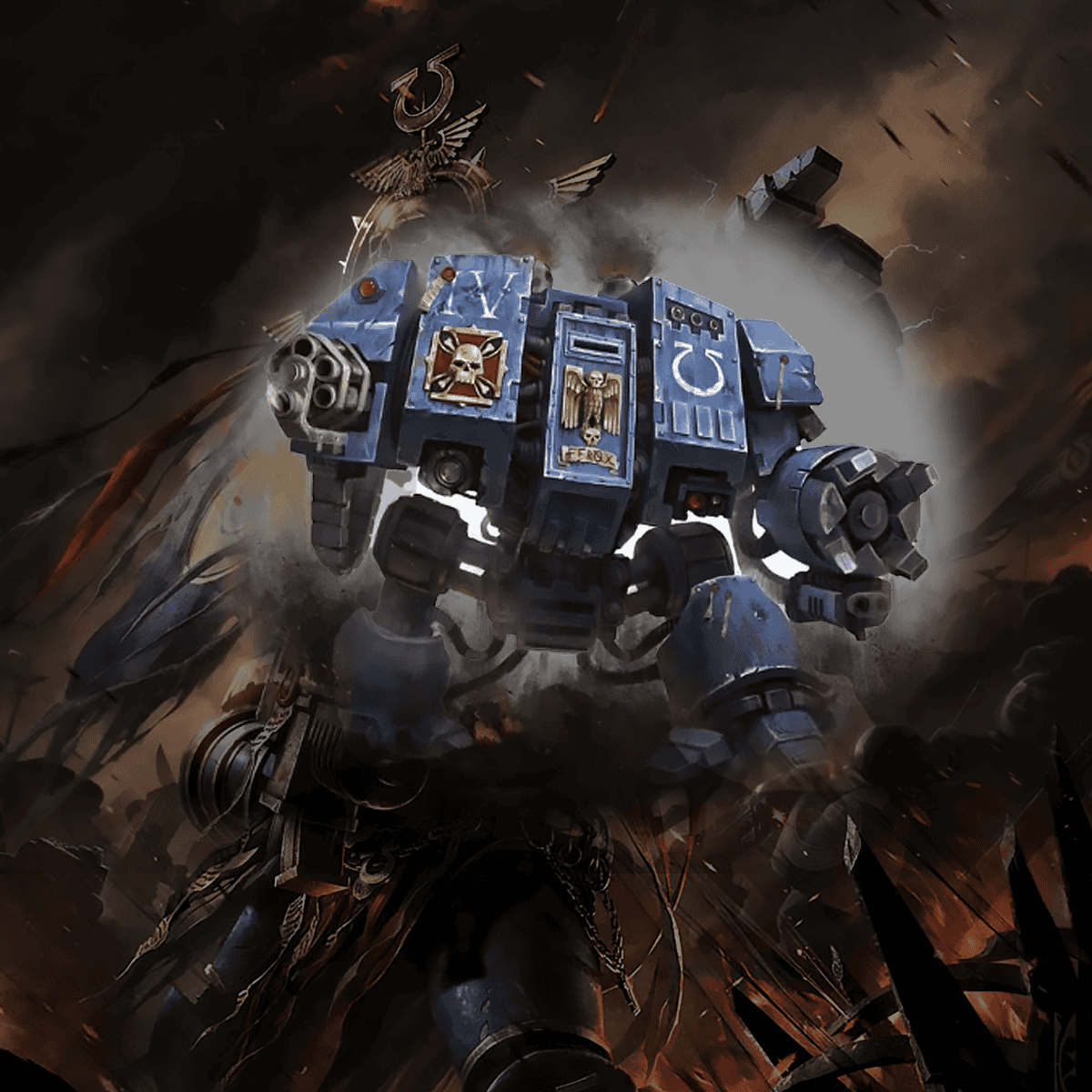
Whether you vibe with the noble Ultramarines, the fiery Salamanders, or the rowdy Space Wolves, there’s a Space Marine chapter out there with your name on it (probably in gothic script). Each one brings its own flavor of fury and faith to the battlefield, making the Warhammer 40k chapters roster one of the most iconic lineups in gaming.
Where to Buy Warhammer 40k Space Marine Chapters Miniatures
 Start here: buy direct from Games Workshop, hit the big online retailers when you’re hunting for discounts, or go second-hand if you want the biggest savings on older units and full armies.
Hit our retailer guide and grab the best option for your region. Links are below.
The smart move is to shop with your playstyle pick in mind, so you’re buying the units that actually match the Chapter vibe you chose instead of grabbing random boxes and hoping it all works out.
See all 20 of the 40k Primarchs, Statuses, and Iconic Moments