
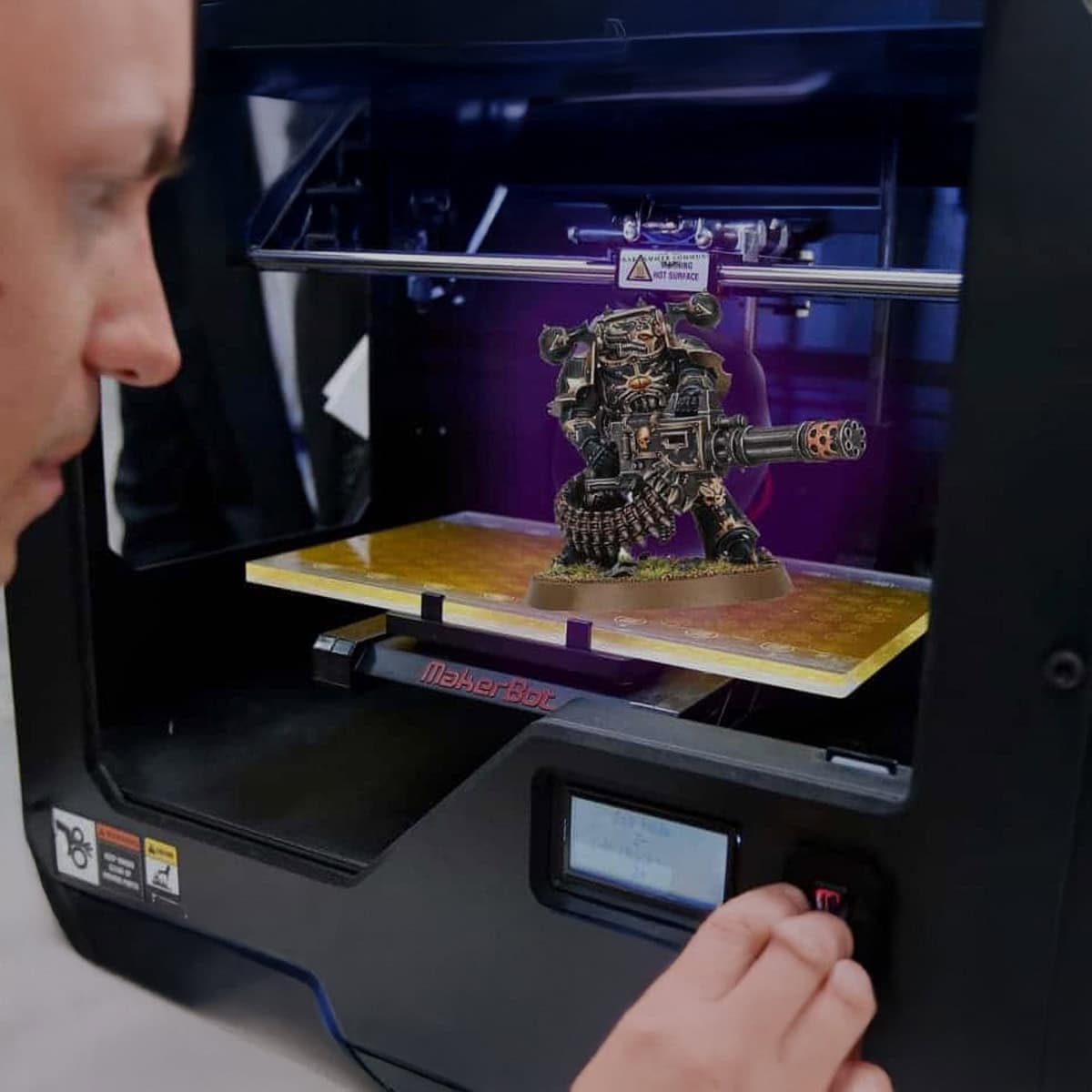
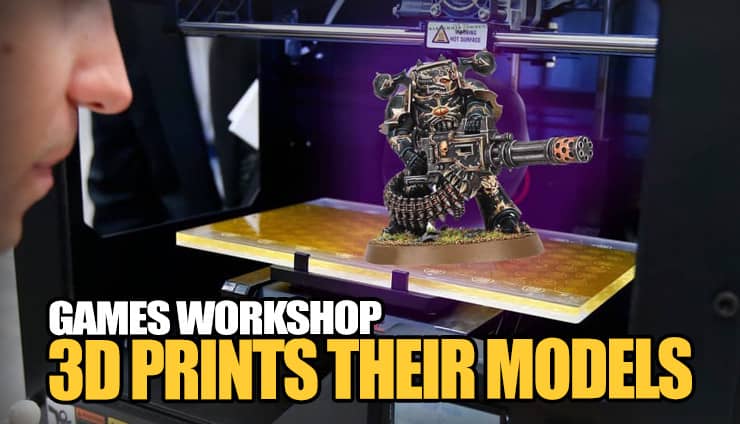
Games Workshop was accused of 3D printing the models on display at Warhammer World and for promos, but it turns out, they actually do!
3D printing miniatures in the hobby is at an all-time high, but GW has been using printers behind the scenes for ages. At least as far back as 2014, and probably earlier as far as we can tell.
So let’s talk about the Warhammer print line panic, that keeps happening, why Games Workshop issues take downs of Warhammer STL files on sites, what those “mystery lines” actually mean, and why they print display anmd pre-production models in the first place.
Plus, maybe more importantly, why we stopped seeing them in their Warhammer Previews as recently as 2026.
GW May Be Producing Warhammer Kits Earlier Than Ever
Updated on July 17, 2026, with the latest on Games Workshop and 3d Printing Warhammer minaitures
- Yes, GW 3D prints display minis: painted prototypes show up in Warhammer World cabinets, Open events, previews, box art, and even book photography long before plastic tooling is ready.
- Plastic kits still are not “printed”: retail injection plastic will not have print striations, but Forge World resin can because printed masters feed into molds.
- Why it happens: rapid prototyping gets sculpts to painters early so marketing, promo shots, and release hype can run while production catches up.
- Those lines have receipts: older previews like the 2014 Taurox Prime show obvious prototype issues, and newer event/display pieces can still show subtle striations.
- The spicy part: if the files exist, an official STL store is the dream, but control, licensing, and distribution are the brick wall for now, although STL leaks of Warhammer models do happen.
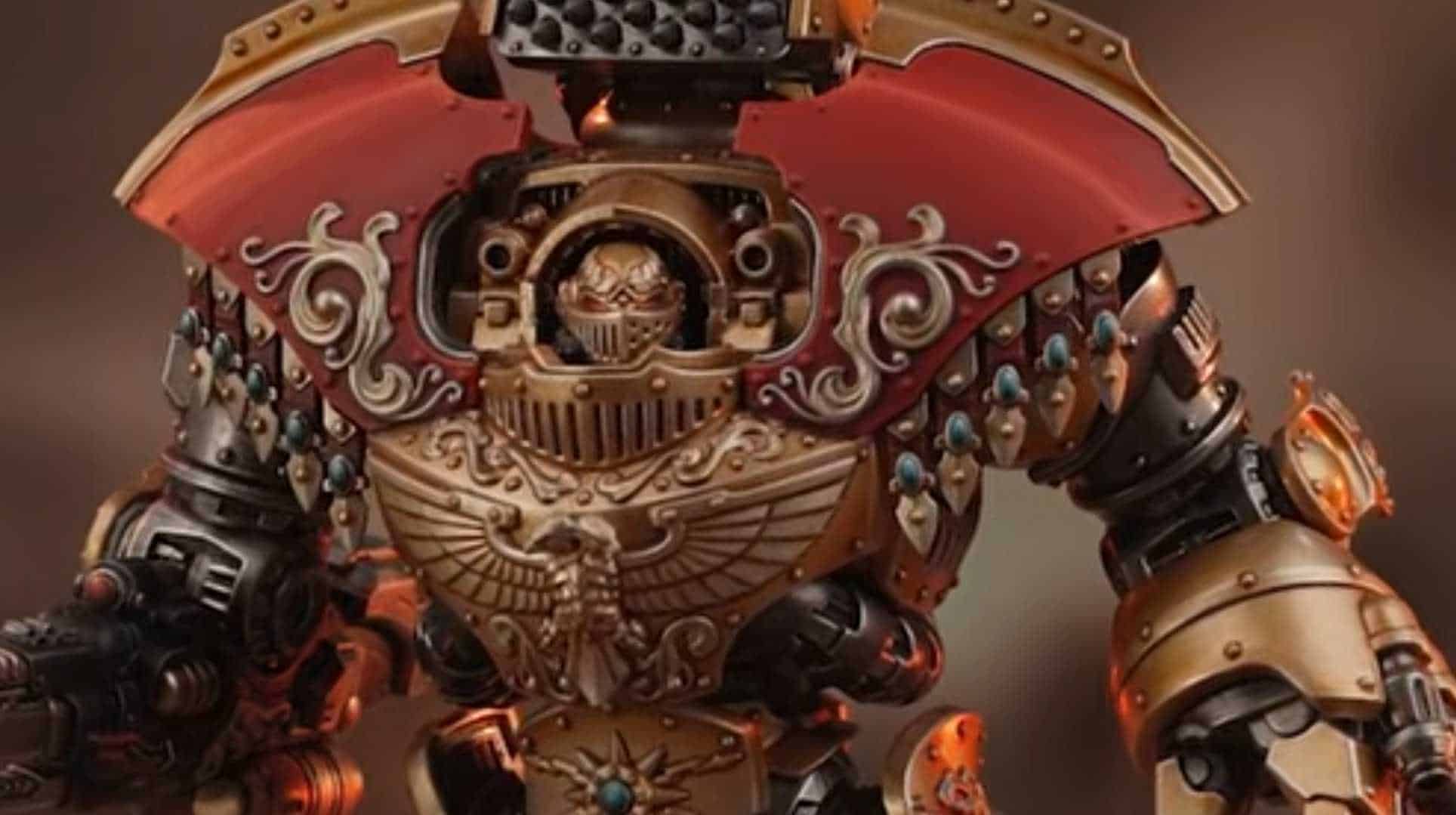 So, the newest Games Workshop previews were missing the layer lines normally visible on 3D-printed production models, suggesting GW may have shown finished plastic kits instead. Add in completed product boxes on set and a new 250,000-square-foot warehouse near Nottingham, and it looks like the company could finally be getting ahead of its production schedule, and no longer relying on 3D printed pre-production models for its previews, marketing, and box art.
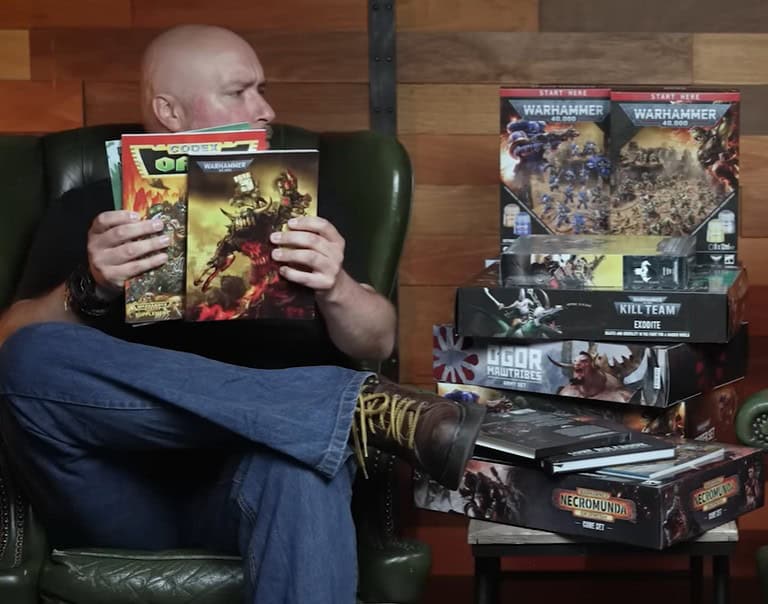
That could mean more reliable restocks and fewer kits disappearing for months, although hobbyists will probably end up paying for that expanded capacity somewhere down the line.
Take a closer look at the clues behind GW apparently moving away from 3D-printed Warhammer preview models and why it could signal a major production shift.
3D printed Models at Warhammer World
At any given time at Warhammer World, and most GW events, you can see tons of great painted models on display from various publications like codex books and even recent online previews.
It can get confusing for some hobbyists when someone notices what appear to be 3D-printing lines, like the ones below, on those models.
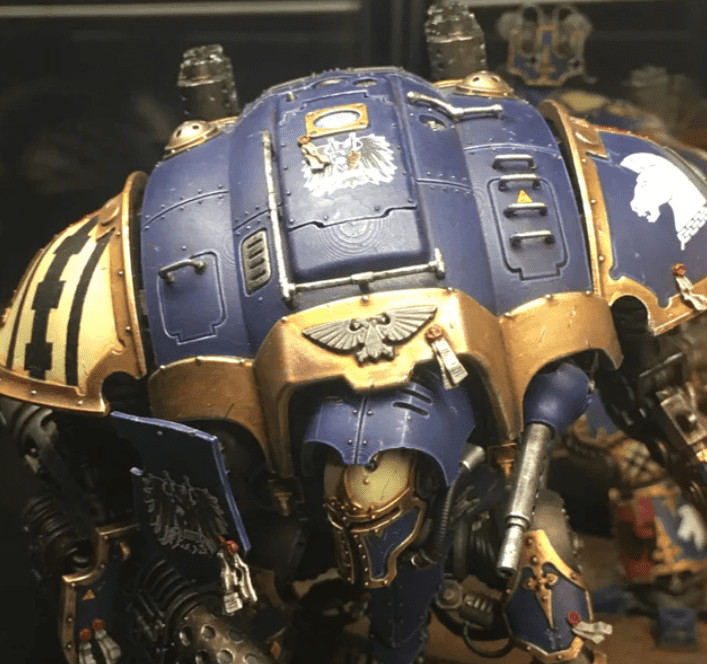
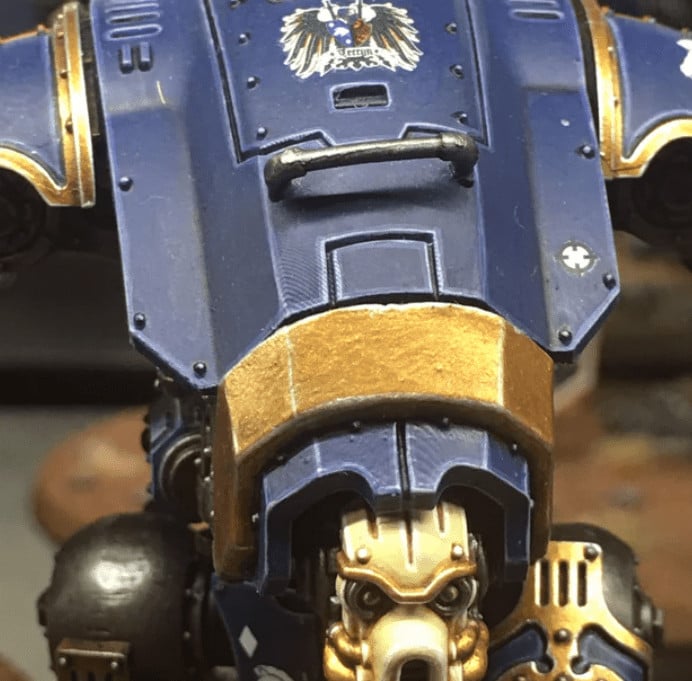
Rest assured, though, when you buy a plastic kit from Games Workshop, you won’t see 3D-printing lines in the parts. The reason is that it’s injection-molded plastic, and it comes out clean.
The reason you see it in these pics is that across the vast majority of painted promo images and marketing materials, GW uses printed prototypes to keep pace with their release schedule.
Forge World resin, though, is a different story, and yes, some of those kits can show 3d printing striations. More on that below, but in the meantime, if you missed what we’re talking about in the images above, here’s what to focus on:
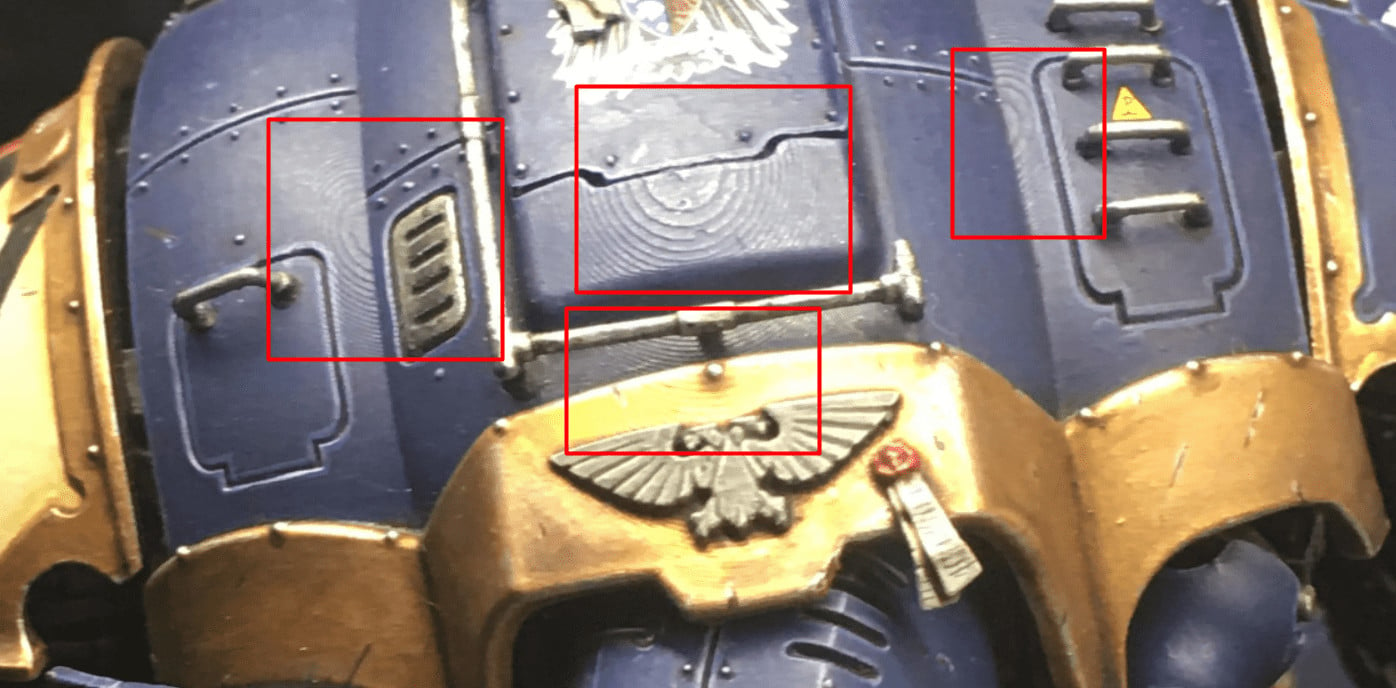
It turns out, Games Workshop has been using 3D printing for years to get painted models into cabinets at Warhammer World and onto tables at Open events.
You can spot these printed paint masters everywhere: previews, box art, Warhammer Community posts, and even photos inside the books themselves.
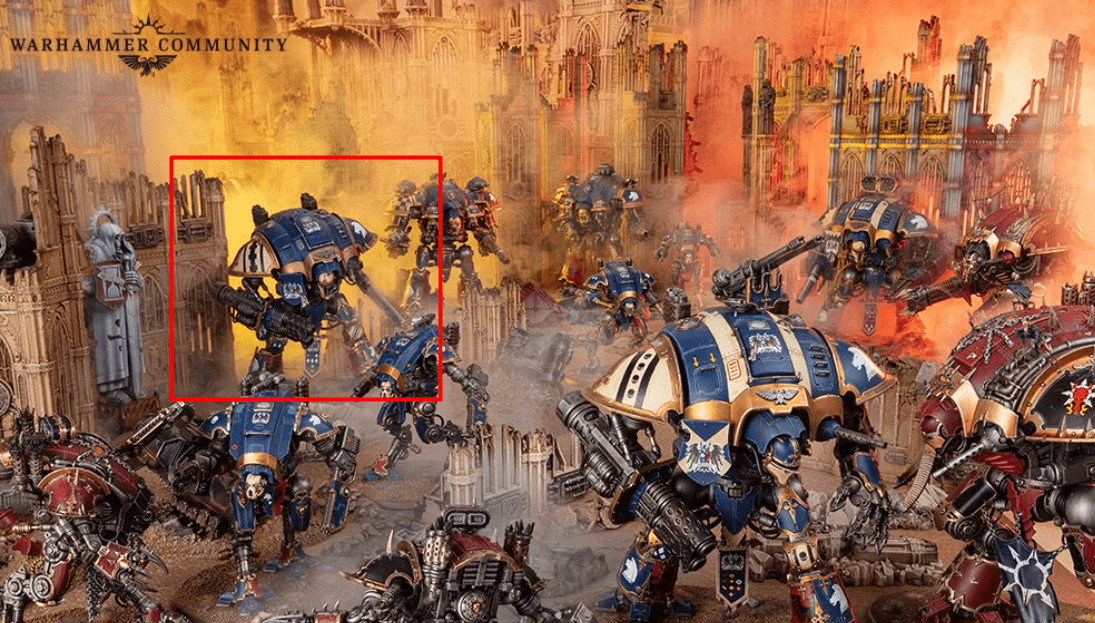
For example, the Knight above even shows up in this Warhammer Community article from April 21, 2022: How Veteran Knights Use Knightly Teachings.
Why Does Games Workshop 3D Print Their Warhammer Miniatures?
The reason is simple: it’s way easier to print a prototype than to wait for steel tooling, test shots, and full production to line up.
If the studio needs box art, promo shots, and “Eavy Metal” level paint jobs ready long before a kit hits shelves, the painters still need something physical to paint. So GW prints up a handful, gets them painted, and the marketing machine keeps rolling while manufacturing catches up.
As one hobbyist put it on Reddit:
Even then, lead times are crazy. ‘Eavy Metal are regularly painting stuff up to 2 years ahead of when it hits the shops because the rest of what needs to be done to get a product out takes so long. They’re usually the very first step after the design gets approved because they’re needed for all the box art, promo shots, etc.
Now here’s the part that makes everyone’s eyebrows go up. If GW is printing prototypes, that means the files exist.

Turns out they definitely have 3D model files archived on their computers that could, at some point in the future, be transformed into sellable downloadable products. Obviously, this isn’t happening soon, because they would first have to find a way to control how the files were used and distributed.
Unfortunately, that technology does not yet exist…
The First 3D Printed Model We Noticed: Taurox Prime
Here are a few examples of printed prototypes we’ve spotted over the years, and the Taurox Prime is still one of the most obvious.
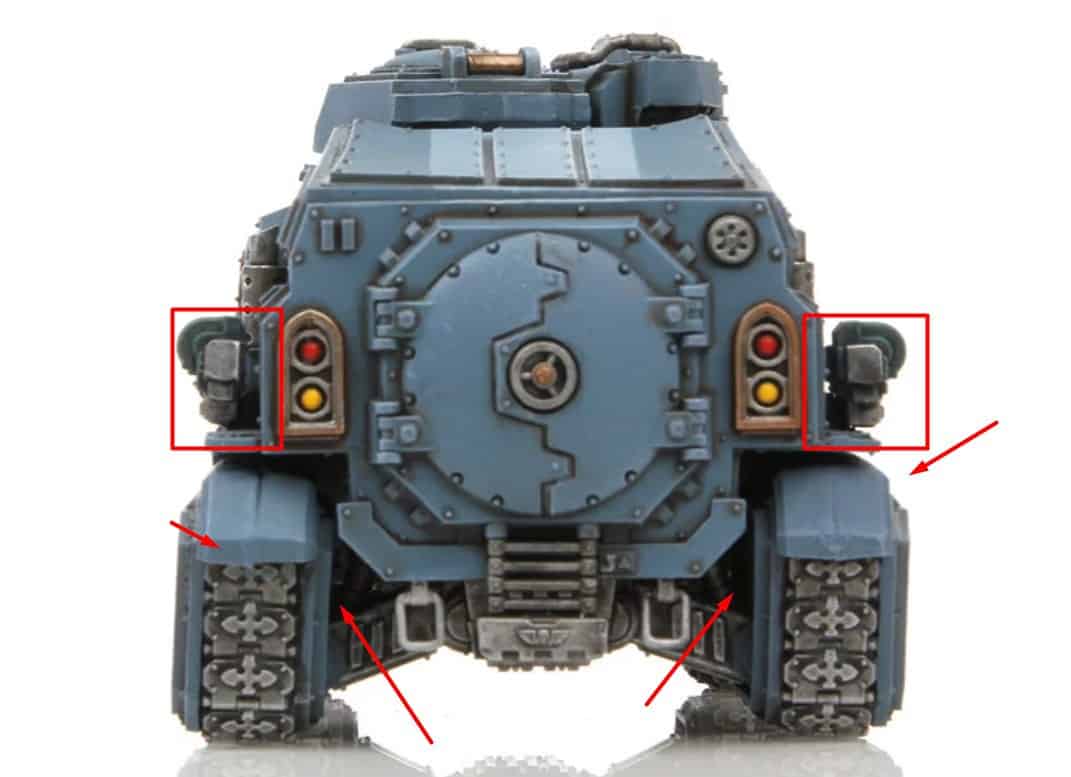
Back in 2014, the Taurox Prime was previewed and released, and it looked like one of the first times Games Workshop leaned on a printed prototype for “finished” promo photography. You can still see the weirdness on the model images that are still posted on GW’s webstore.
The quality of the model in the picture appears much lower than that of their plastic-injected models.

The tracks look slanted, the side autocannons look a bit off, and you can even spot a gap on the right gun.
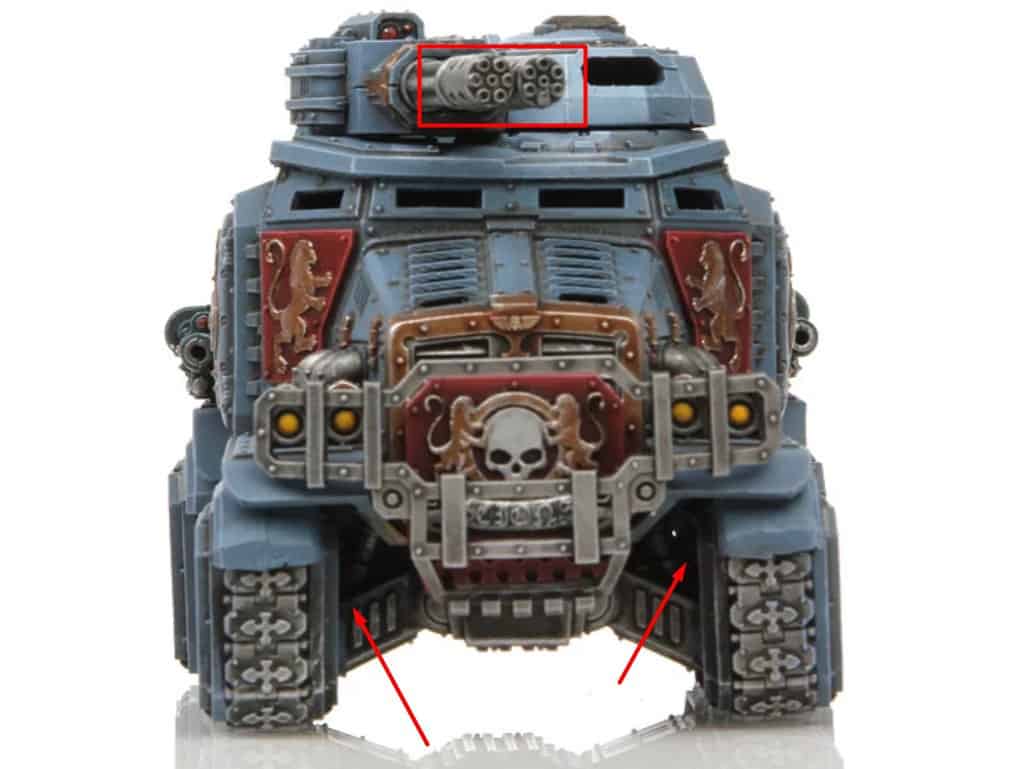
Up front, the track angle is still clearly off from the chassis, and the assault cannon barrels look like something is stuck in there.
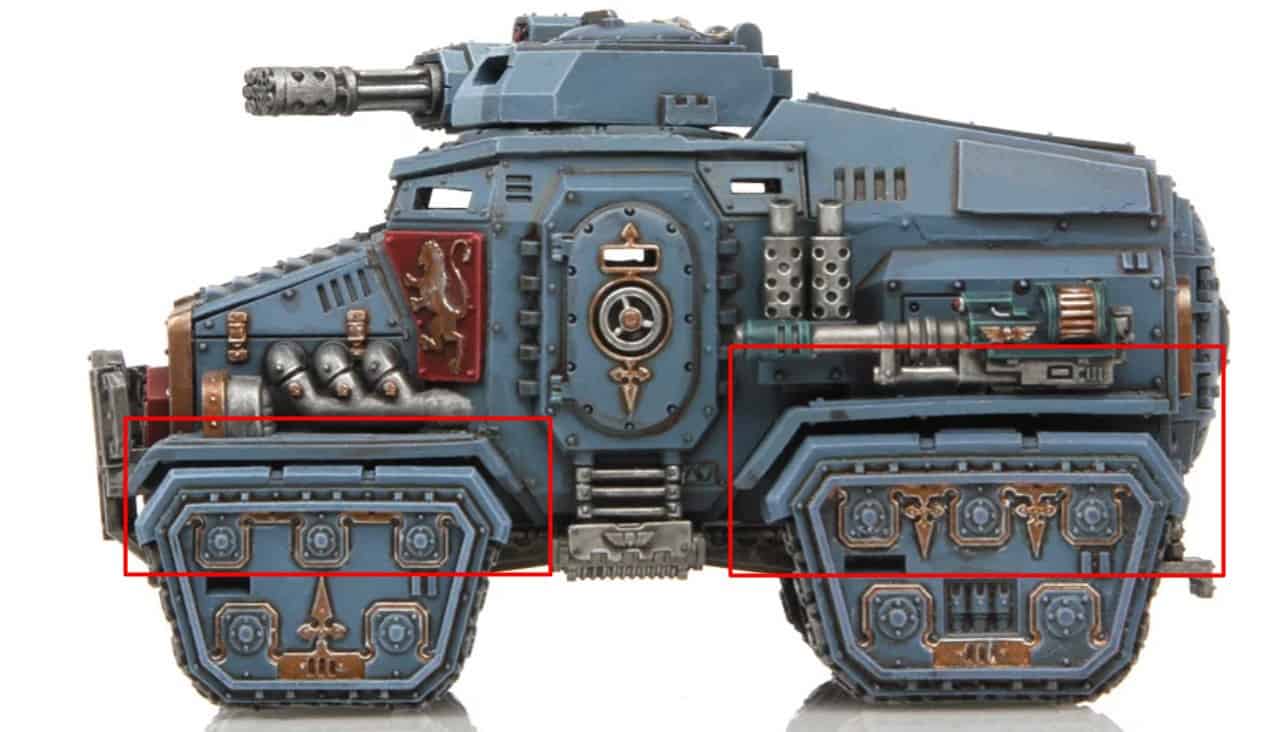
Then, when you get to the guards, and they look bent and malformed, with obvious bowing from back to front.
3D Printed Games Workshop Miniatures We’ve Spotted
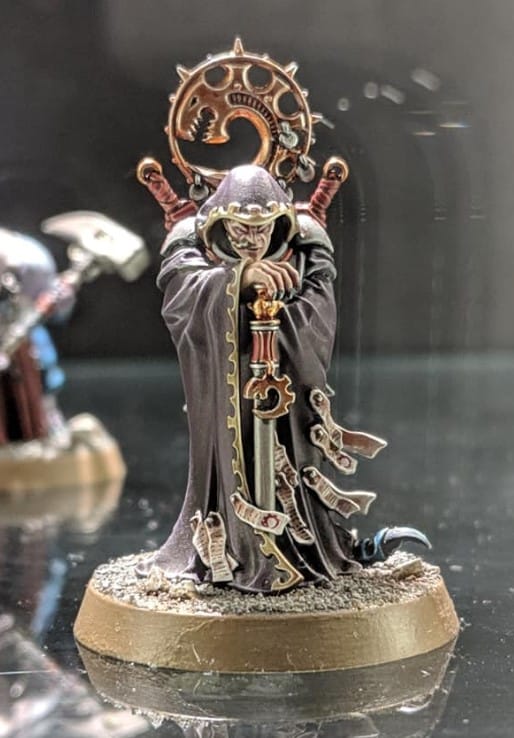
Image Credit: Garro at GSC Showcase, from Warhammer New Year’s Open Day
Looking at the Locus in a display case from an event preview, you can see striations near the top of the hood. Could it be paint texture? Maybe. The weird part is that the effect doesn’t look the same on either surface in the official preview images.
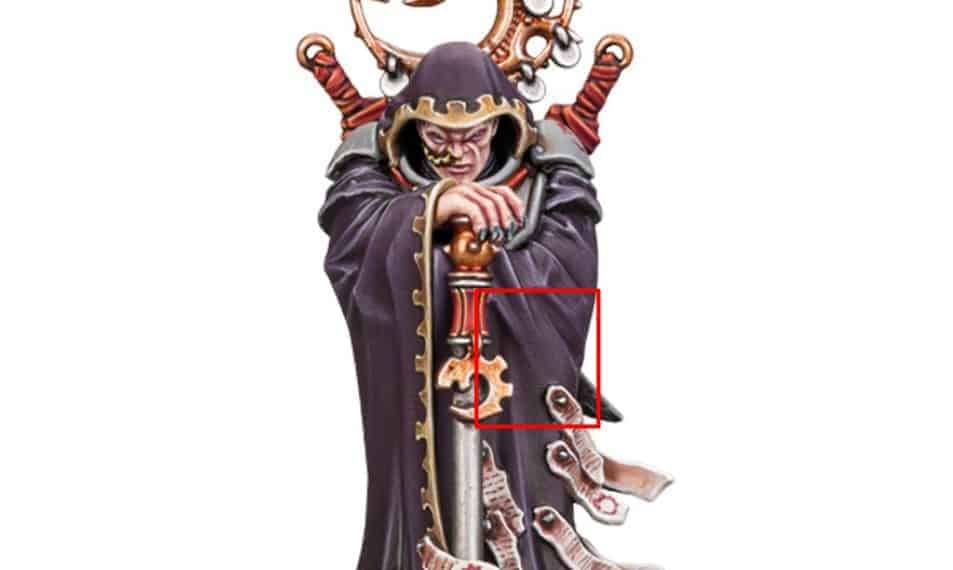
In GW’s official photo, those hood striations look reduced or gone. That could be better printing, cleaner paint, photo cleanup, or all of the above. Some subtle lines still show up on the robe near the staff, but it’s night-and-day compared to the early Taurox-era roughness.
This is a lot better than 2014.
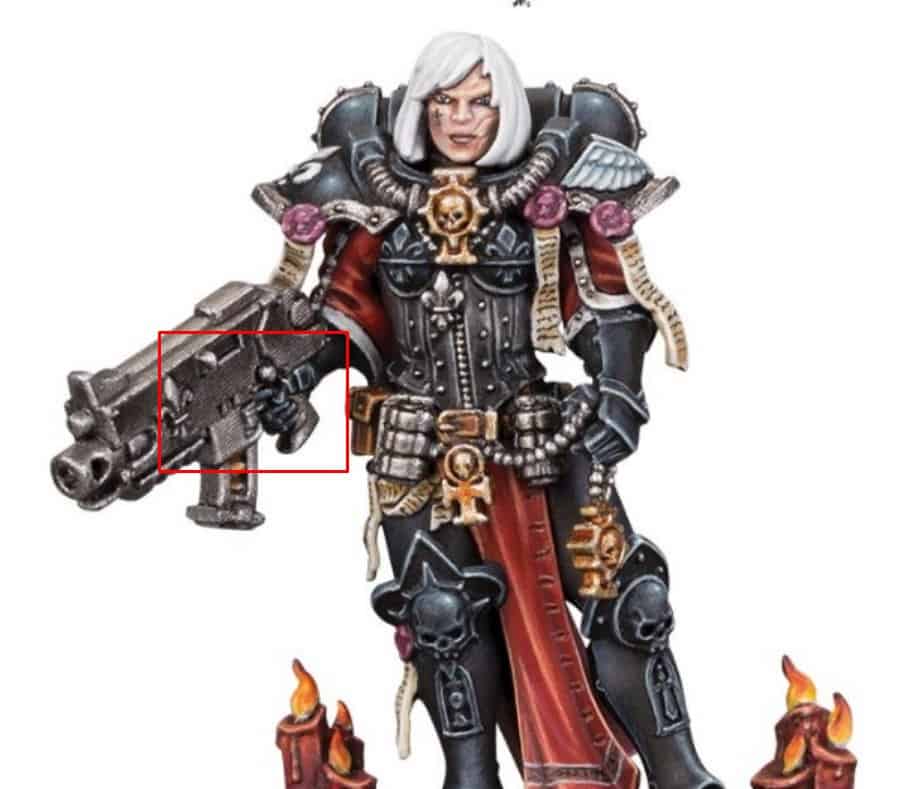
Next up, the exclusive Sister of Battle, Sister Novena, also shows some tell-tale striations that suggest a printed paint master.
And for this new Iron Hands character, the weapon in particular shows striations across multiple flat surfaces.
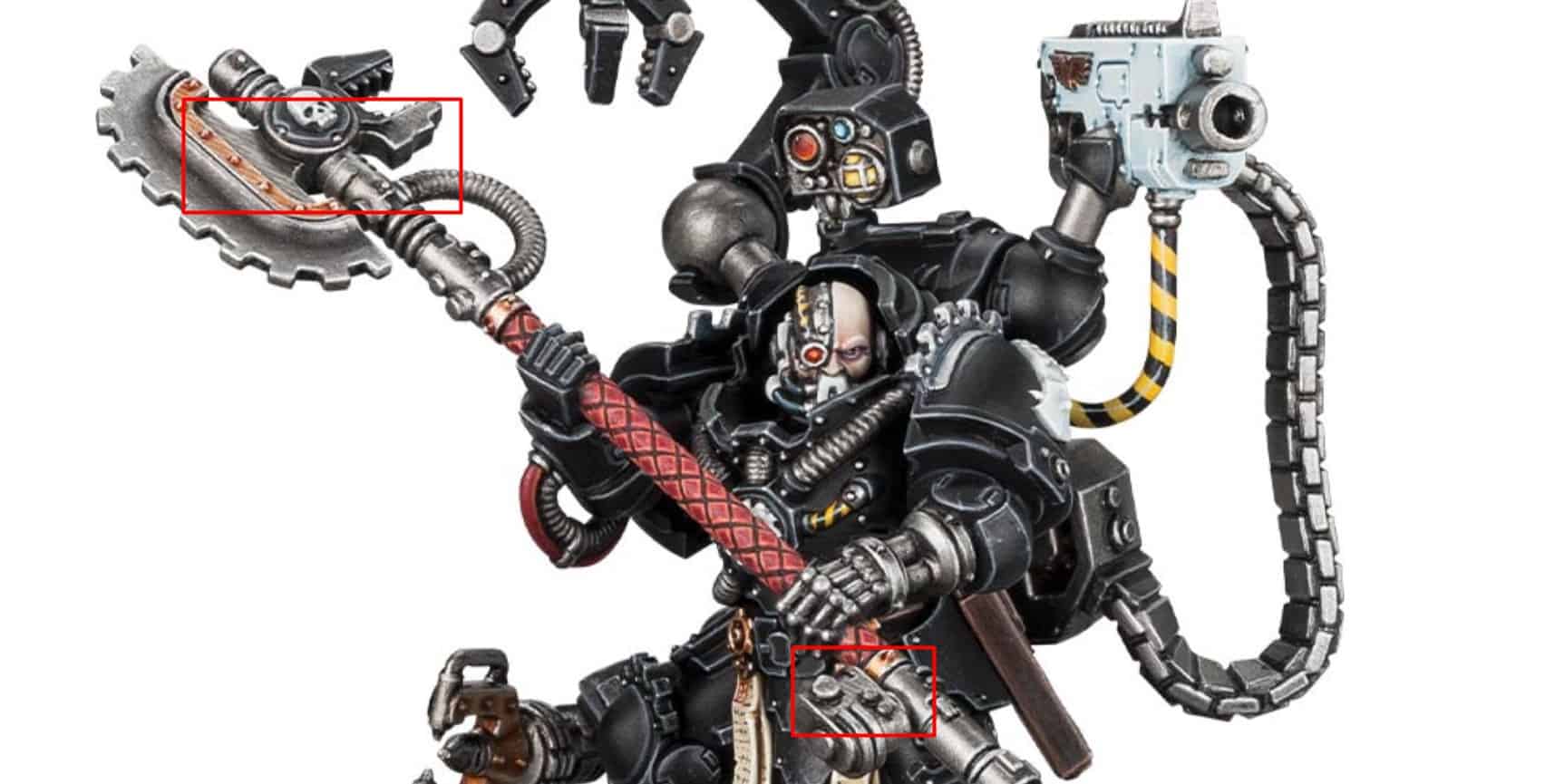
Look at the flat area behind the blade, the counterweight, and the battery pack area. Those are classic “printer told on you” signs.
The Latest Minis We’ve Spotted
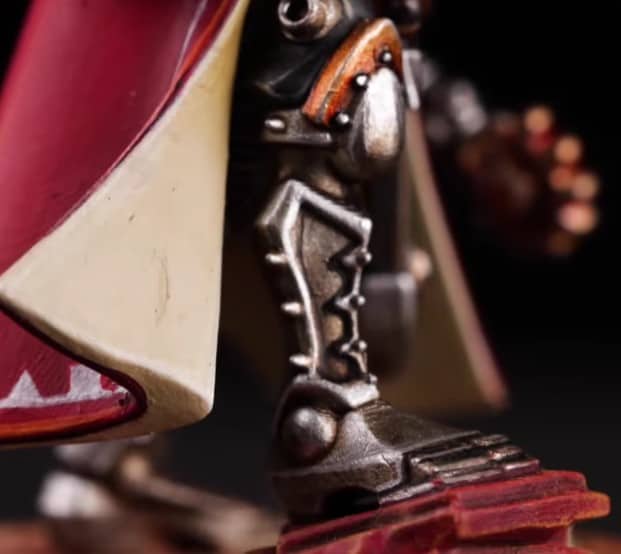 You can see lines on this that read very “printed prototype.” If the release is still a long way out, printing a few for painters makes more sense than doing anything production-related.
 The lines at the highest points here are especially strong compared to the rest of the surface, a common giveaway on early prints and rougher masters.
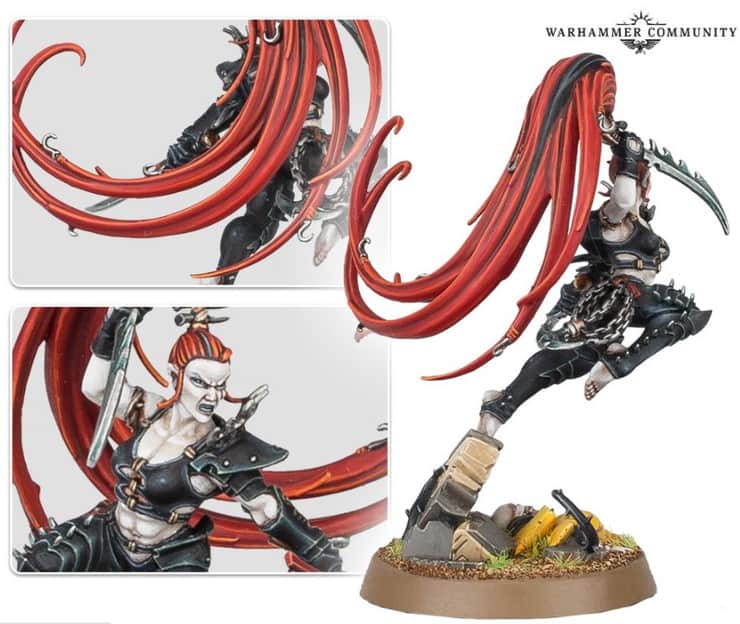
Lelith was one of the more obvious newer examples, with harsh lines, a few off-kilter details, and weirdness around the dagger. The preview version sure looked like a printed master.
So with GW printing display pieces and hobbyists printing more than ever, are we watching the future of model-making happen in real time?
Why GW’s Forge World Models Actually Have 3d Print Lines On Them
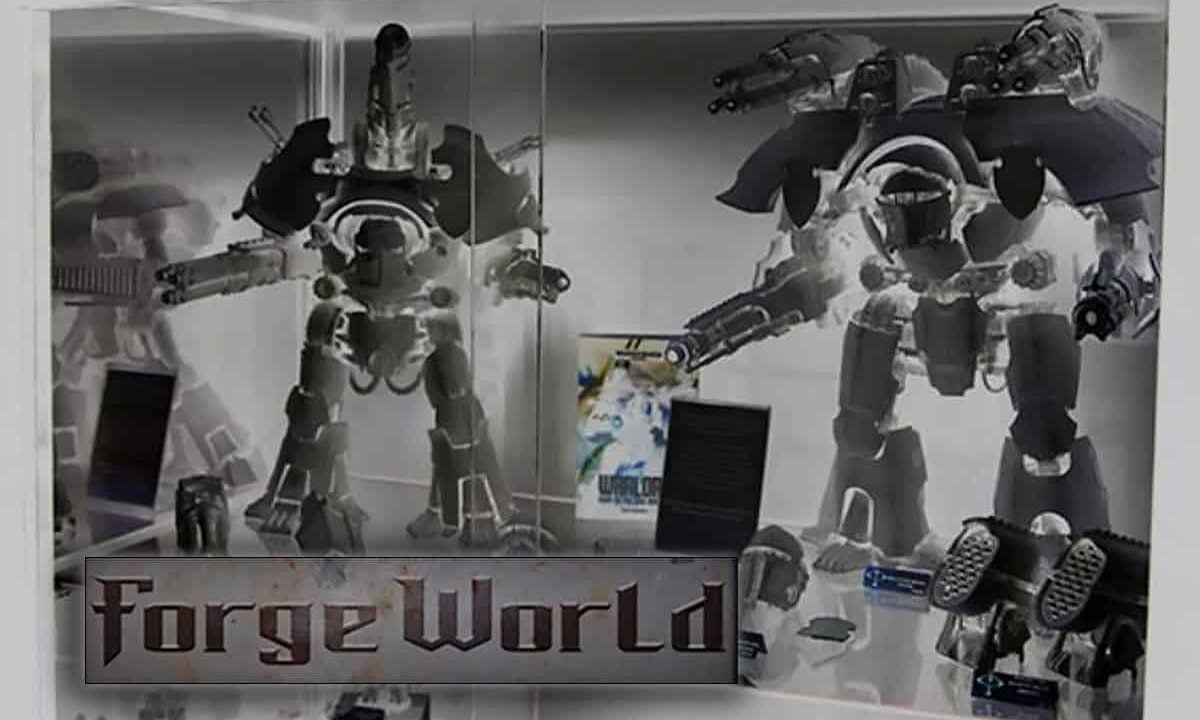
Hobbyists have asked for a long time why new Warhammer model pics seem to have 3D-printing lines on them when posted by other hobbyists.
The truth is, Forge World models actually have 3D-print lines on them, leading some hobbyists to think that GW is 3D-printing them rather than casting them in resin.
I have even been asked where I got my Adeptus Custodes files, since my Forge World models have visible print lines. Naturally, people assumed they had to be printed; however, the truth is, they are straight from Forge World!
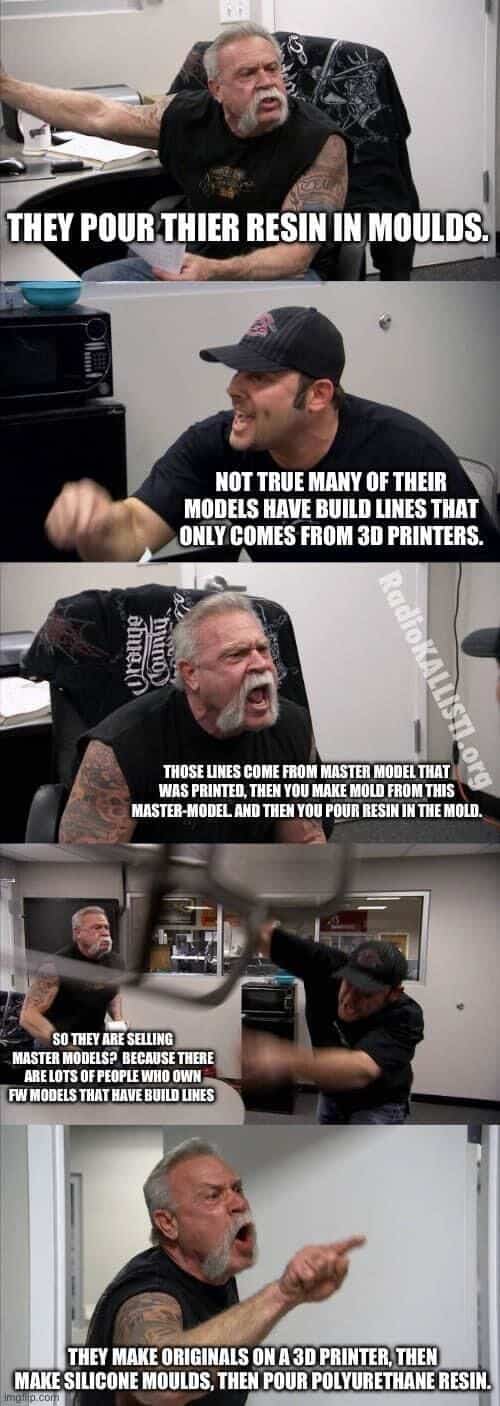
Here’s a great meme from Facebook that made us laugh while explaining the whole process and the situation we just described from everyone’s favorite fighting father and son:
Forge World’s Warhammer 3D Printing & Mold Making
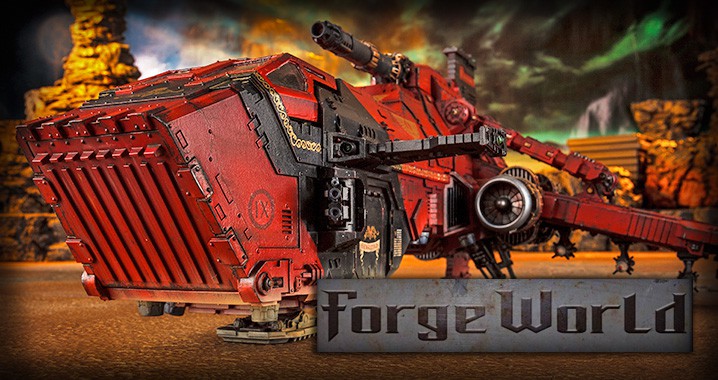
Here’s the quick version of how Forge World production appears to work these days.
First, designers build the sculpt in 3D software. Then they print a master model. Once the master is dialed in, they make a silicone mold from that printed master and cast resin. After they have a clean cast, they create additional production molds to churn out kits for customers.
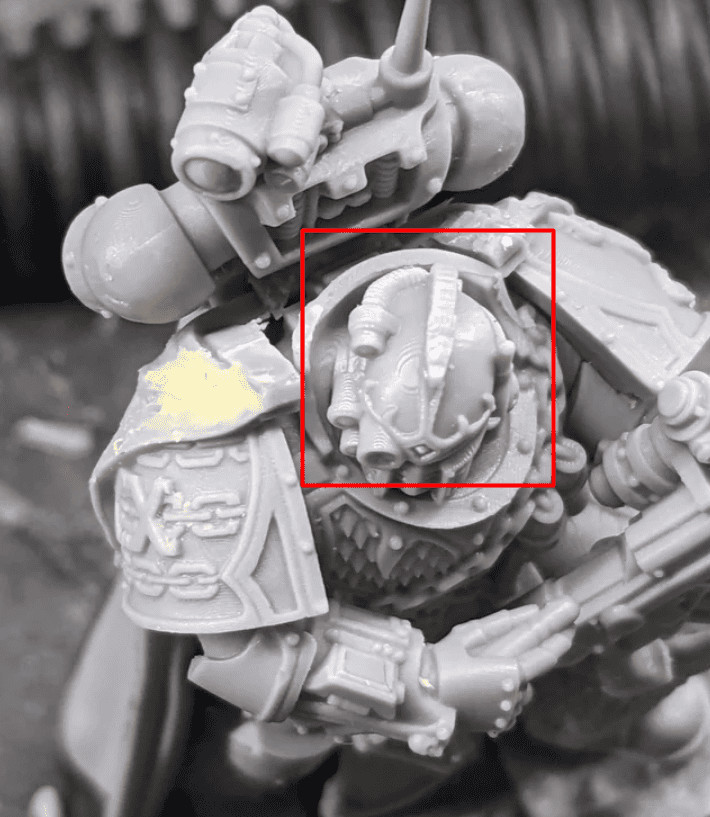
It’s basically a copy of a copy of a copy, and if the printed master had noticeable striations, those can get picked up in the mold chain. That’s how you end up with resin parts that show print lines, like the Horus Heresy Exodus example above.
Forge World has even used a canned response when customers ask about it:
Having checked over the images I can confirm this is the current standard of the model, the lines you see are leftover printing lines from production that are picked up with fresh molds. These can be smoothed over with a little super glue or filed down with a fine-grade hobby file or sandpaper.
Final Thoughts on why Games Workshop 3d Prints its Warhammer Miniatures
So yeah, the “GW is 3D printing the display minis” Reddit take is not some tinfoil-hat conspiracy. It’s just… how modern product pipelines work. When you need box art, promo shots, Warhammer World, and event displays ready way before the steel tooling is even a twinkle in a machinist’s eye, you grab the digital sculpt, hit print, and get it into the hands of the painters.
And honestly, this is the part people keep tripping over: a printed display master doesn’t mean GW is “secretly selling printed models” or that plastic kits are going away tomorrow.
It means they’re doing what the rest of the design world does, using rapid prototyping to keep everything moving. Sometimes the tell is obvious, especially on older stuff like that Taurox Prime preview. Sometimes it’s subtle enough that you only notice if you’re the kind of OCD hobbyist who zooms in on every studio photo until your eyes go square.
The bigger spicy question is the one nobody can ignore: if the files exist, could we ever get an official download store? Maybe, someday, in a universe where file security and licensing aren’t a total dumpster fire. Right now, the tech and the business model both have to line up, and neither one is exactly sprinting toward “Warhammer iTunes.”
Until then, expect more of the same: printed previews, gorgeous paint jobs done way ahead of release, and the internet doing its usual thing where it “discovers” a normal industry practice and acts like it just cracked the Rosetta Stone.
🔗 Related Reads:
- GW vs 3D Printing: Who’s Actually Winning Right Now
- GW Appears to Stop 3D Printing Warhammer 40k Preview Models
- Massive Warhammer 40k STL File Leak May Cost GW Millions
- GW’s Latest Moves Push Players Toward 3D Printing Minis
- GW Softens Their 3D Printing Policy for Warhammer Tournaments
- How to Design & 3D Print Your Own Custom Miniatures
At what point could we just download files from Games Workshop for 3D printing, like an iTunes-style store for miniatures?

It’s been obvious that GW was using 3d sculpting for many years as they have models that are so close to each other that they must have loaded one model to sculpt another.
Personally, I wish that all the FW stuff was 3d printed. All the problems from cast resin would go away and no model would ever be out of stock or discontinued due to molds wearing out. (I know that new problems would pop up, but I still think it would improve.)
If GW moved all their FW models to 3d printed then they could offer them as print-0n-demand and they could set up print operations in their major markets and avoid international shipping and they would have a better time with taxes on unsold inventory.